






autoNGC
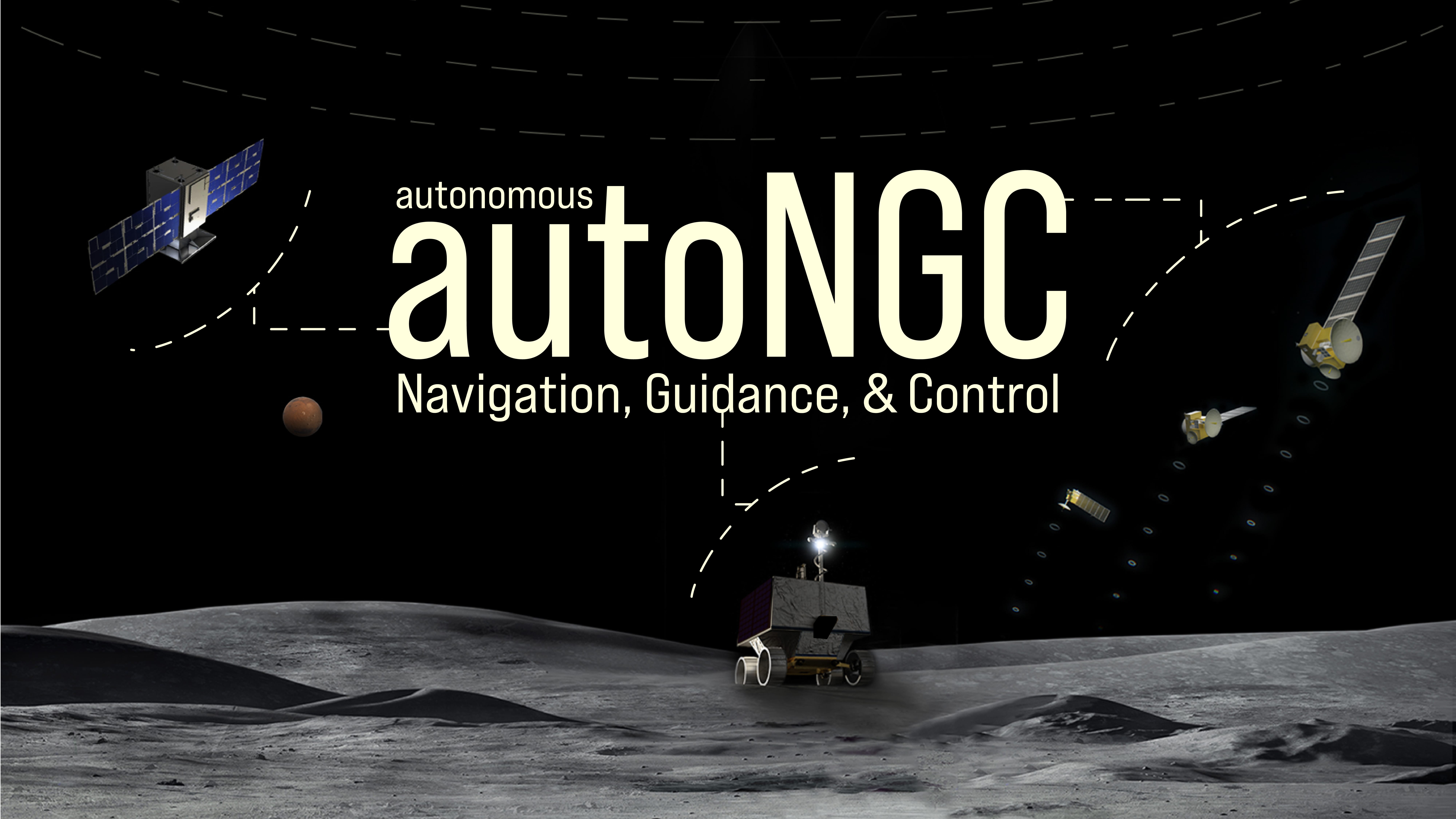
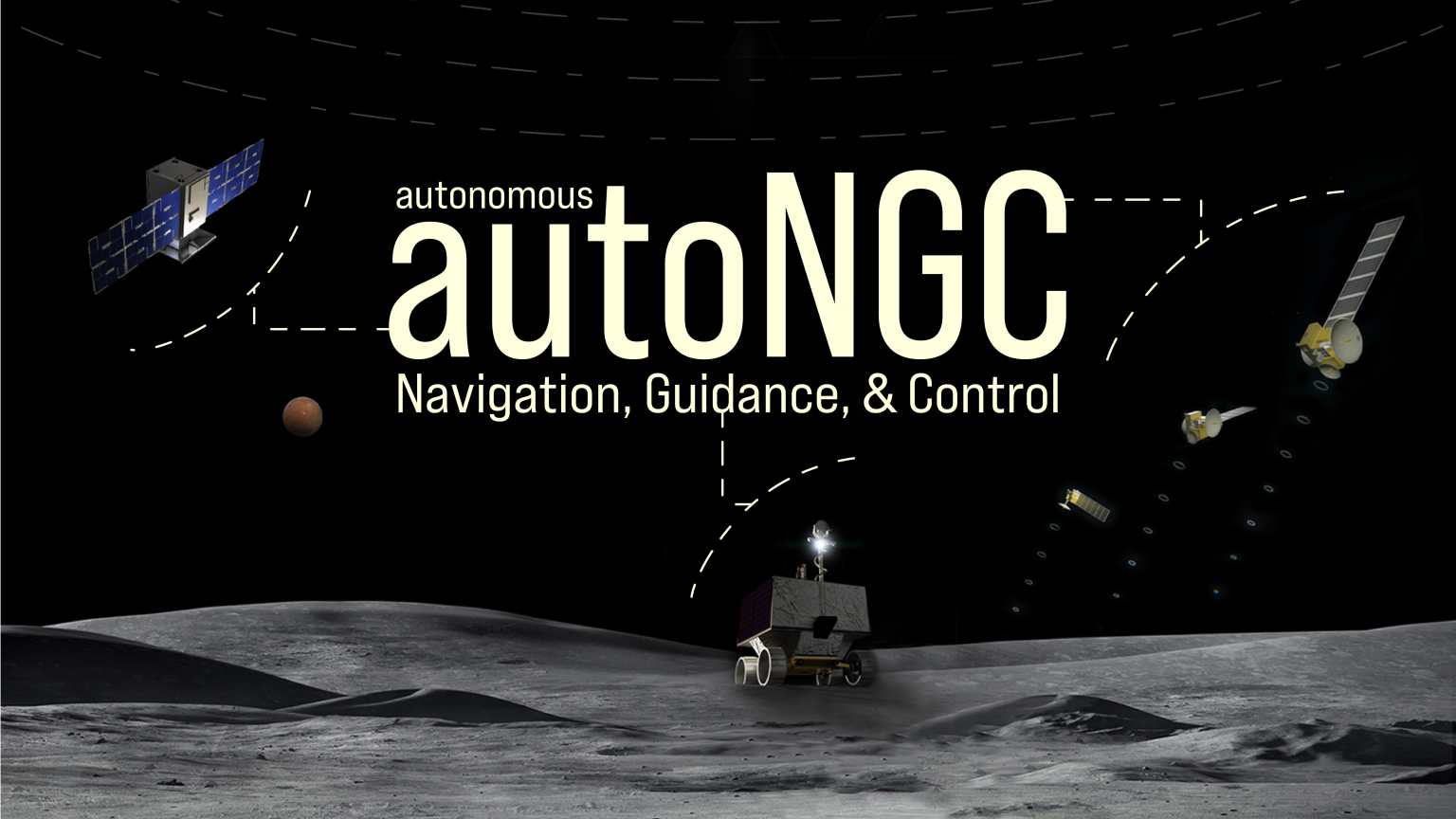
Autonomous Navigation, Guidance & Control (autoNGC) is an onboard software suite that integrates spacecraft guidance, navigation, and control functions that are currently split between onboard and ground systems. By consolidating these functions, autoNGC lowers the development, test, and operational costs of complex space missions.
Autonomous Navigation, Guidance & Control
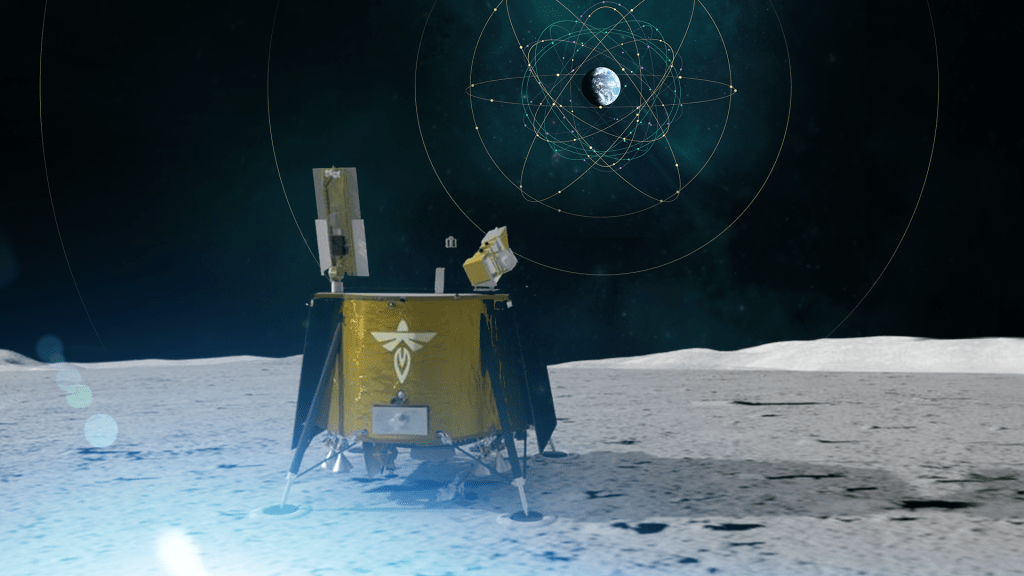
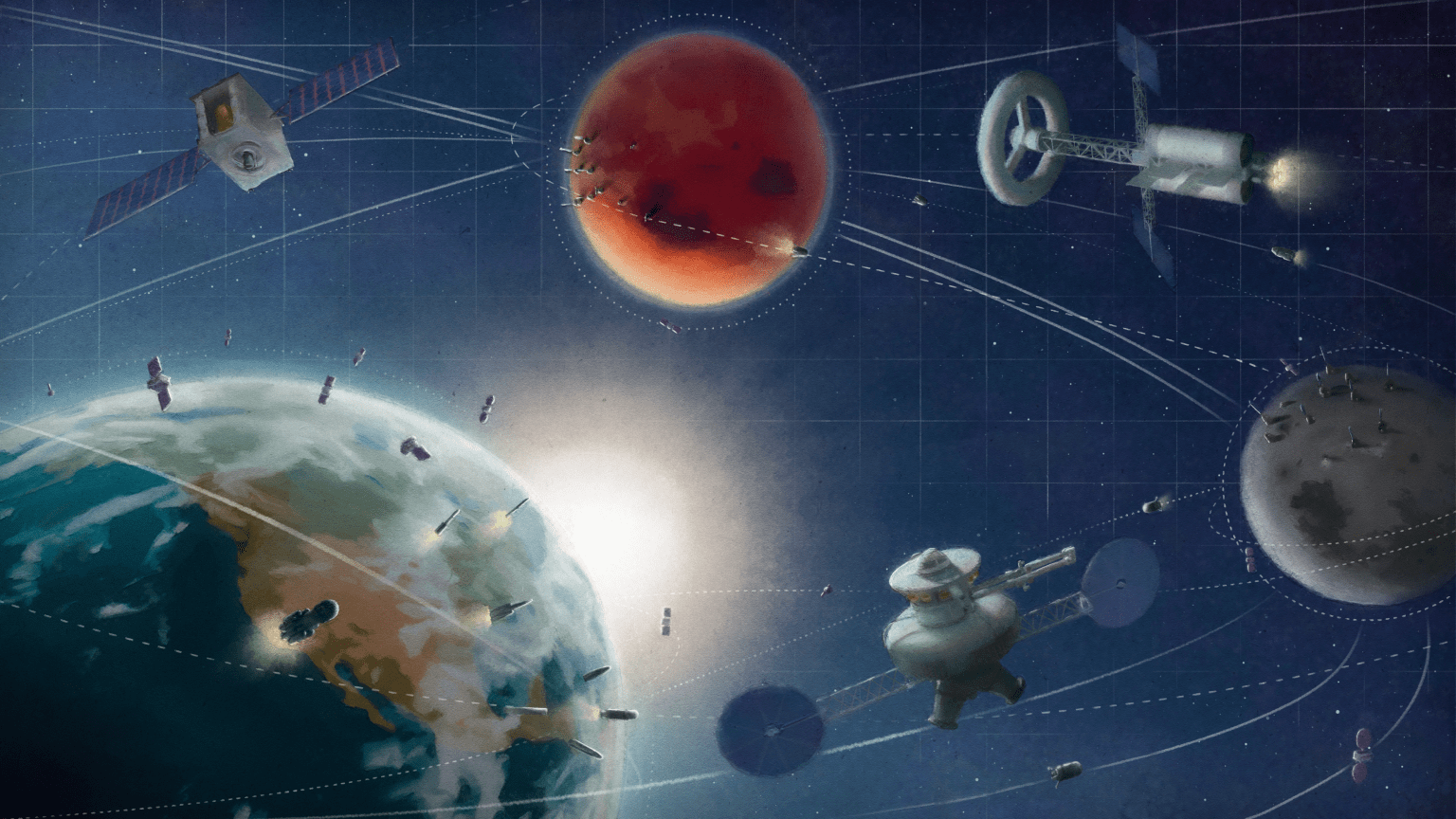
The farther NASA travels toward the Moon, Mars, and beyond, the more missions will need to function autonomously with less reliance on ground support. NASA’s SCaN (Space Communications and Navigation) Program is developing autoNGC, an onboard application suite paired with a compact flight hardware platform. The software suite will provide missions with onboard navigation support and executive decision-making and control functions for mission maneuvers, reducing reliance on ground operations and enhancing mission responsiveness. The system includes capabilities for autonomous maneuver planning, enabling spacecraft to perform trajectory correction and station-keeping maneuvers without ground intervention. These capabilities support situational awareness and will enable new mission types, including distributed space missions, in-space assembly missions, and low-latency operation missions.
Location
Greenbelt, MD
Product
Application Suite
Missions supported
3
Focus area
Spacecraft Functions
Autongc Software Framework
Built for Customization
autoNGC leverages NASA’s flexible core Flight System (cFS).
As technology built on a platform-independent, reusable software framework, autoNGC is a collection of modular applications and libraries that can be customized for various missions. The autoNGC software incorporates other NASA-developed systems such as the cFS Goddard Image Analysis and Navigation Tool (cGIANT) and Goddard Enhanced Onboard Navigation System (GEONS), and readily integrates with the SpaceCube flight processing system and the NavCube GNSS receiver.
Development Process
Supporting Various Mission Scenarios
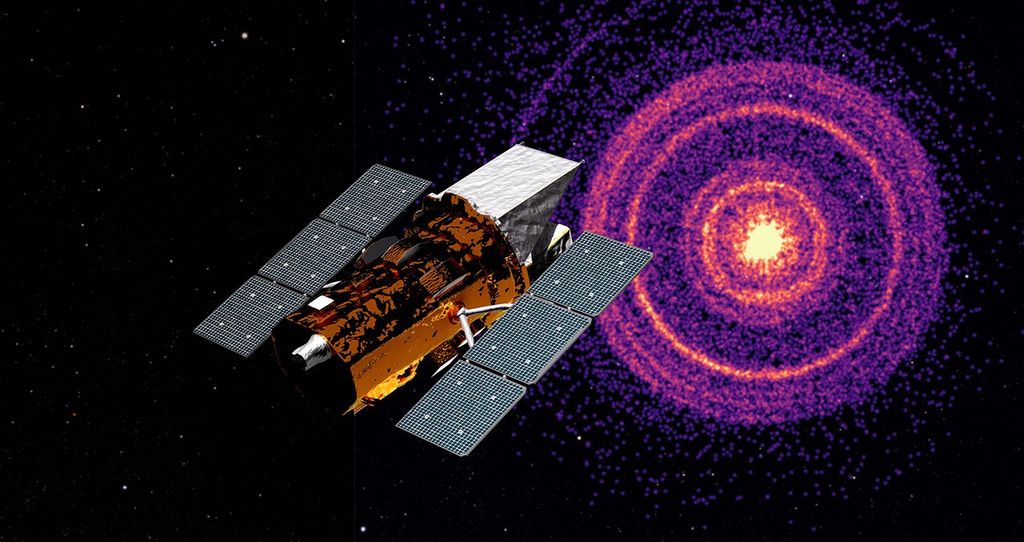
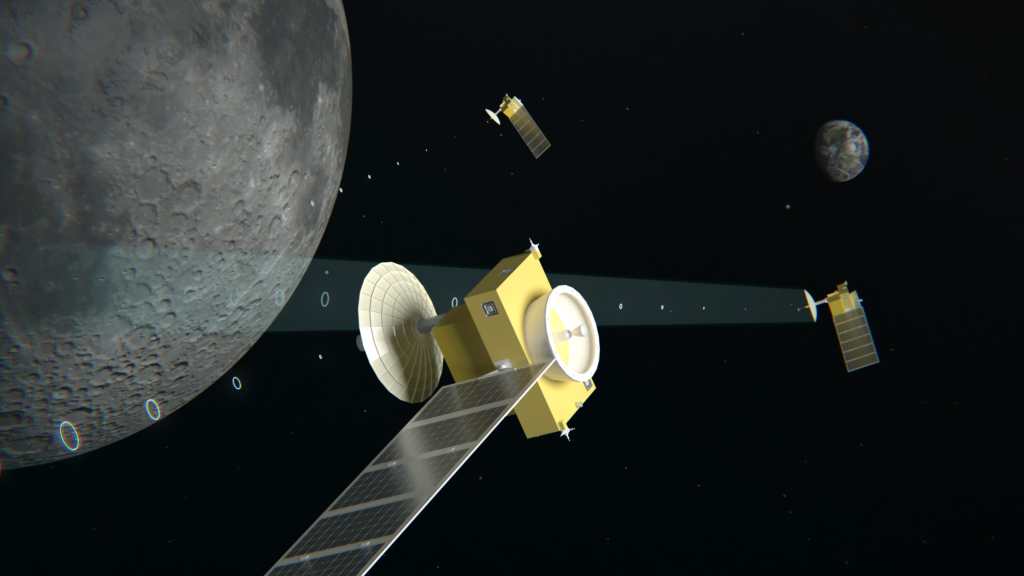
The autoNGC team successfully demonstrated the software suite on the Starling 2 and 4 spacecraft — two CubeSats in a four-satellite swarm testing various autonomous technologies — as well as NASA’s lunar-orbiting CAPSTONE mission. Future demonstrations include a planned test on CAPSTONE 2. These demonstrations build on rigorous testing through software-, hardware,- and processor-in-the-loop testing to ensure reliability and performance. Many of the autoNGC flight software apps and libraries have gone through the software release process and are available on the NASA Software Catalog for government purpose use. The team is currently developing the next generation of the autoNGC hardware box, which includes advanced processors and more memory that will enable more autonomous onboard capabilities, still in the CubeSat Size Standard (CS3).
Compact and Energy Efficient
Supporting CubeSat Missions
The autoNGC system is suitable for CubeSat missions. It utilizes miniaturized space processors like the SpaceCube 3.0 Mini and SpaceCube Mini-Z, allowing integration into smaller, power-constrained spacecraft.

Navigation Measurement
Supporting Multiple Measurement Sources
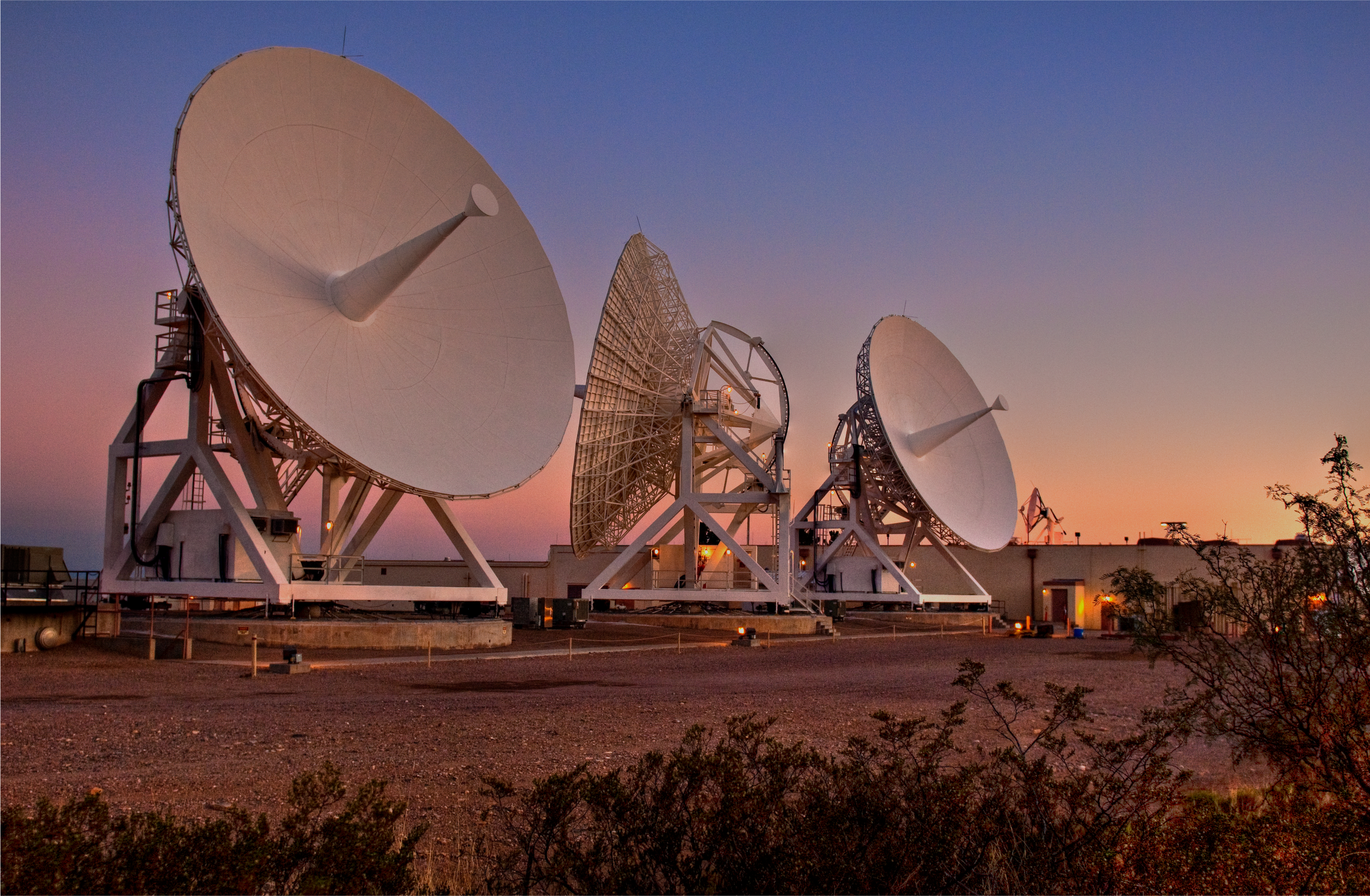
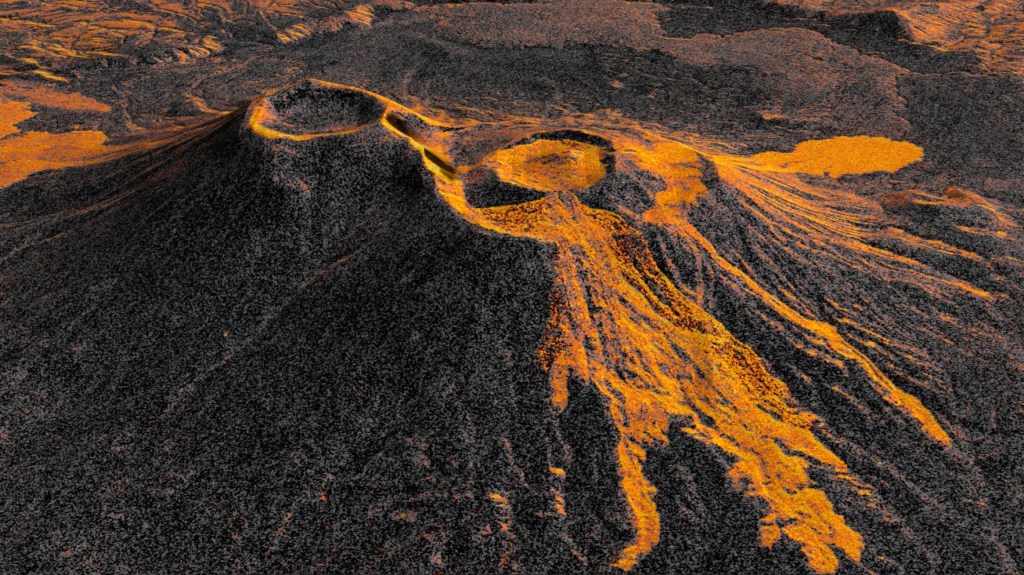
Navigation measurement sources include Global Navigation Satellite Systems (GNSS) like GPS, optical navigation, terrain-relative navigation, radiometric measurements, and accelerometer data. The autoNGC celestial navigation app uses optical images of known celestial bodies to determine spacecraft position, enhancing autonomy in deep space missions. The autoNGC software also leverages NASA-developed onboard navigation tools such as cGIANT and GEONS.