






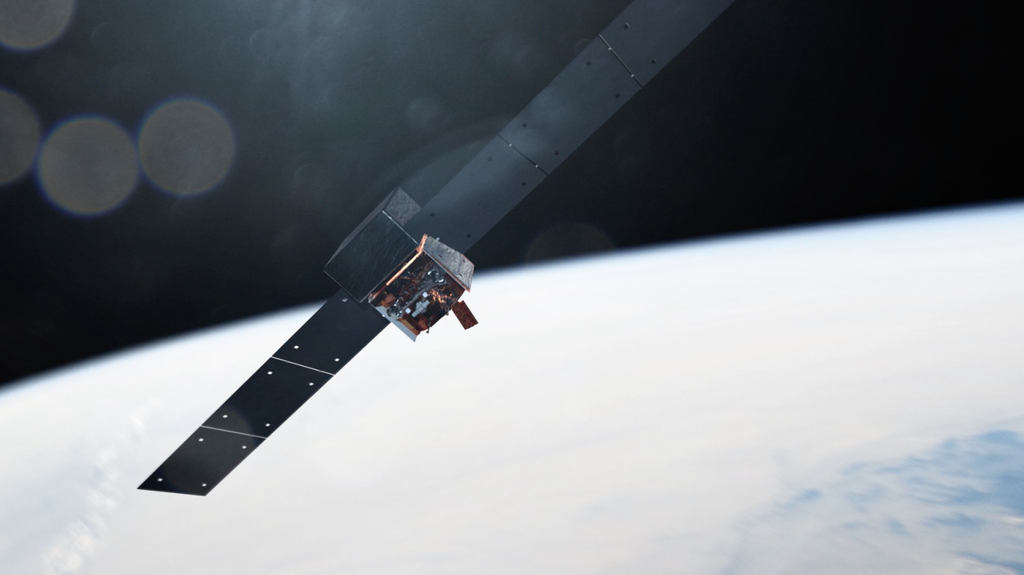










Astrophysics Branch
Marshall Space Flight Center's Astrophysics Branch uses space and ground-based observatories to peer back to the earliest epochs of the universe, unravel its mysteries, and study the most violent explosions in our galaxy and beyond. Our goal is to help discover how the universe works, explore how it began and evolved, and search for life on planets around other stars.
View our Team Org Chart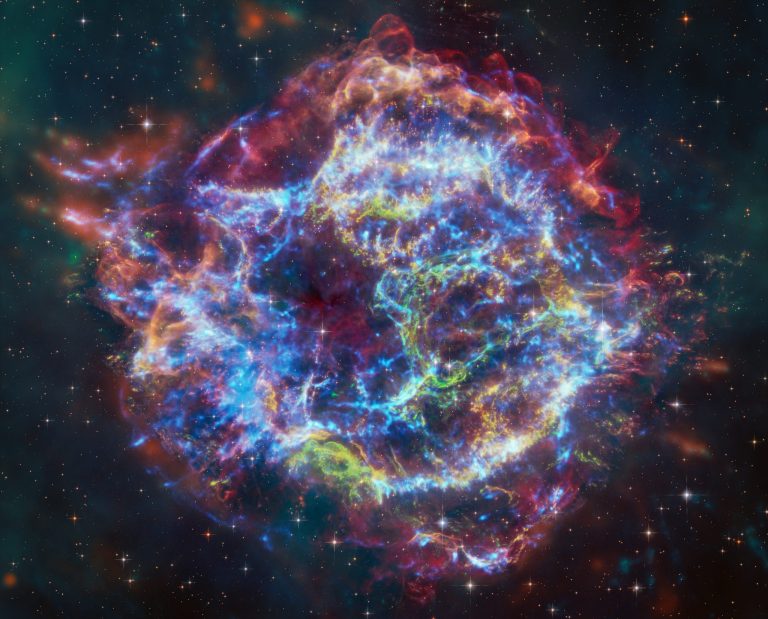
Astrophysics Branch
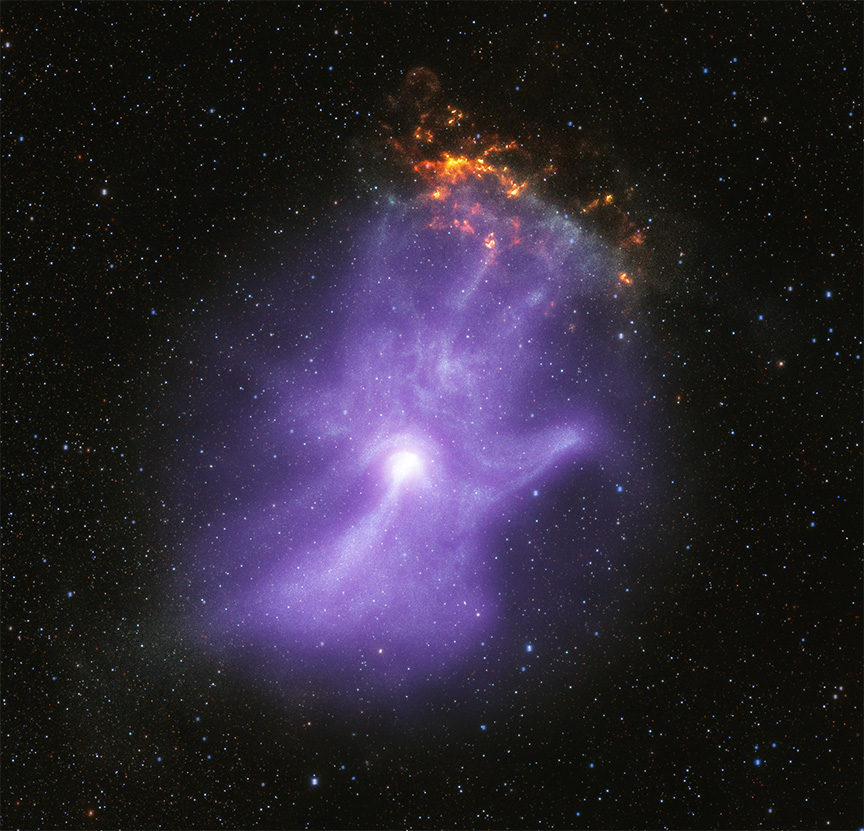
IXPE: Imaging X-Ray PolarimetryExplorer
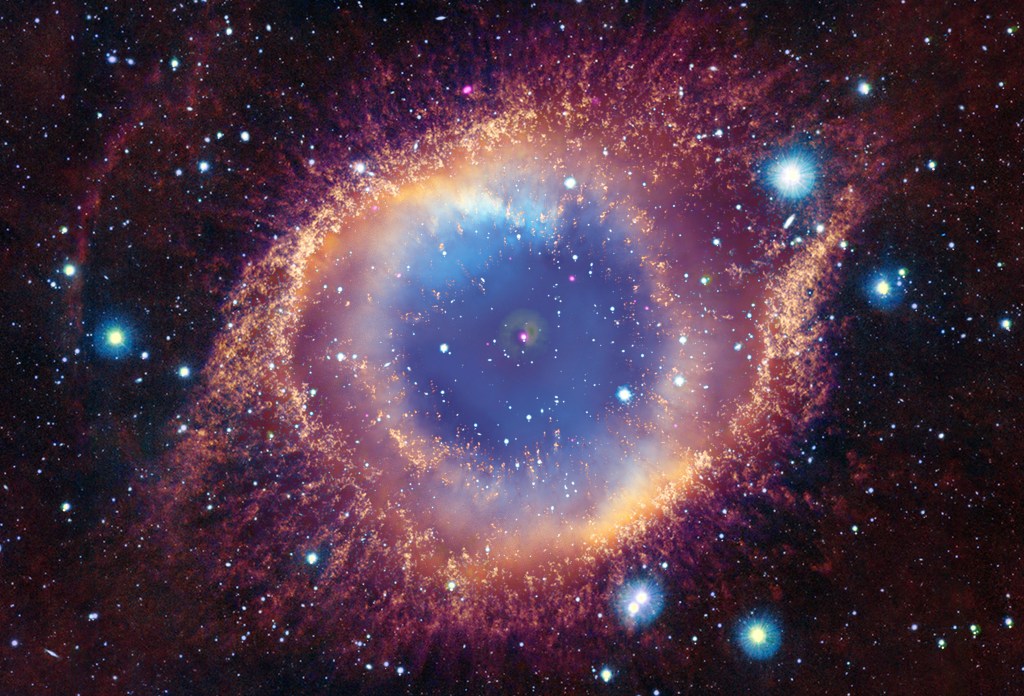
Chandra X-Ray Observatory
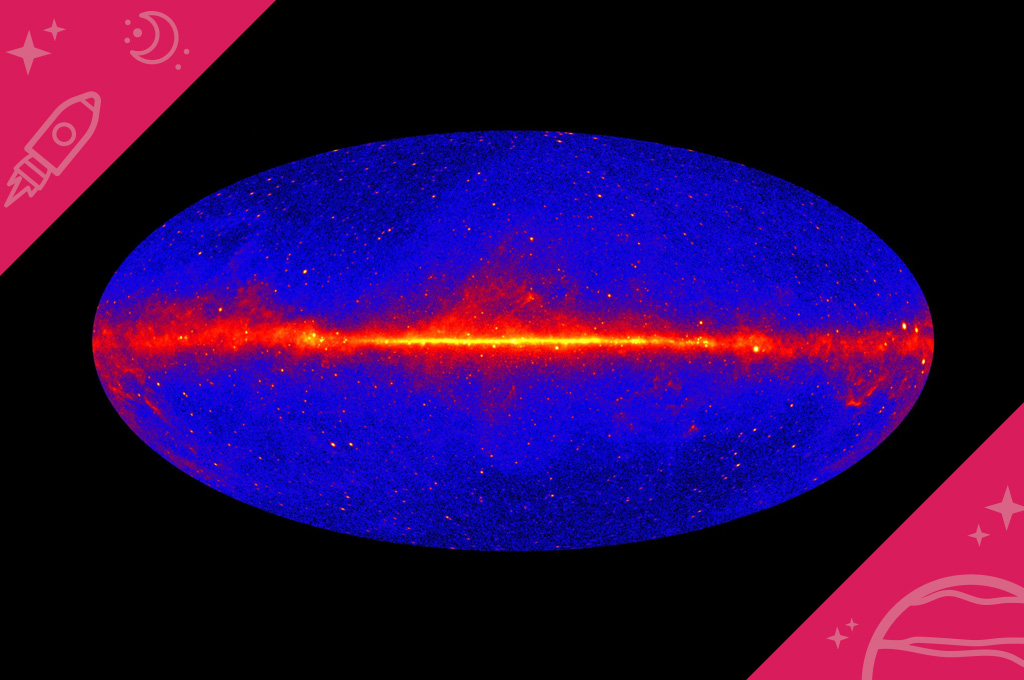
Gamma Ray Astrophysics
Astrophysics Branch Updates
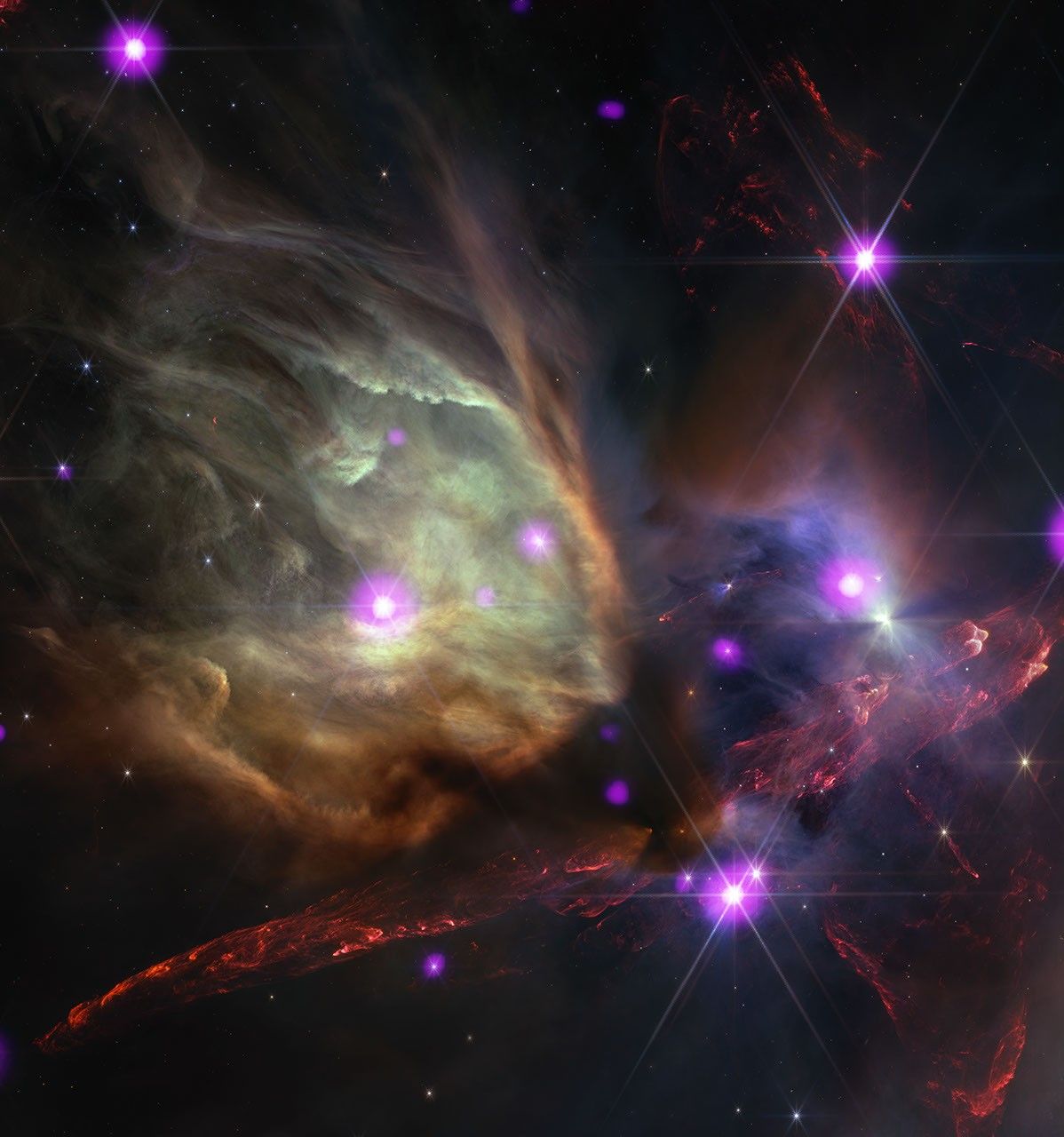
A new album from NASA’s Chandra X-ray Observatory collects snapshots of baby stars across the galaxy and beyond and transforms that data into sound. Four new sonifications use data of stars that are actively forming, captured by Chandra and other…
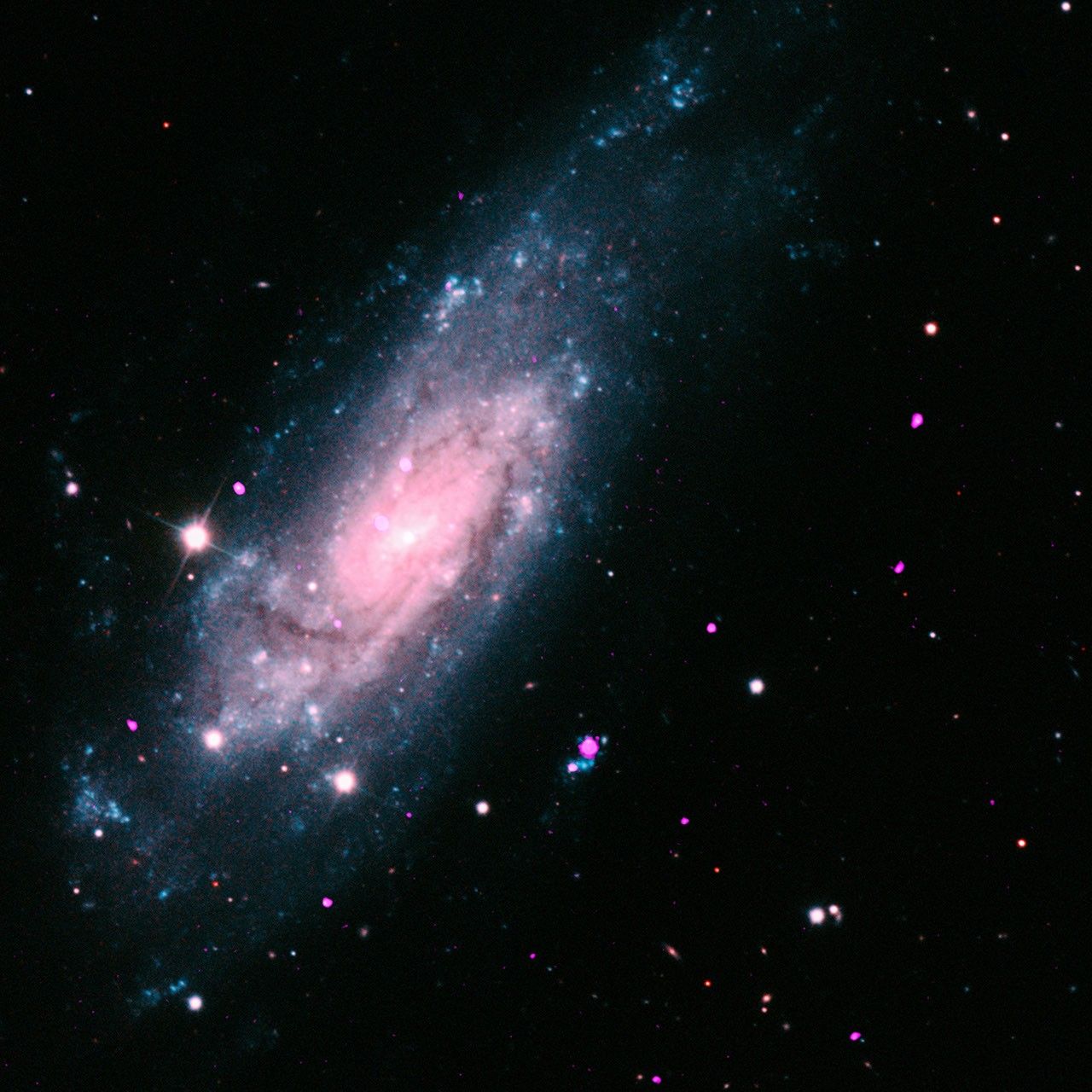
Using NASA’s Chandra X-ray Observatory, astronomers have discovered what is triggering repeated outbursts from a giant, unstable star. A new study, published Monday in the latest issue of The Astrophysical Journal, details the discovery of a previously hidden companion object…
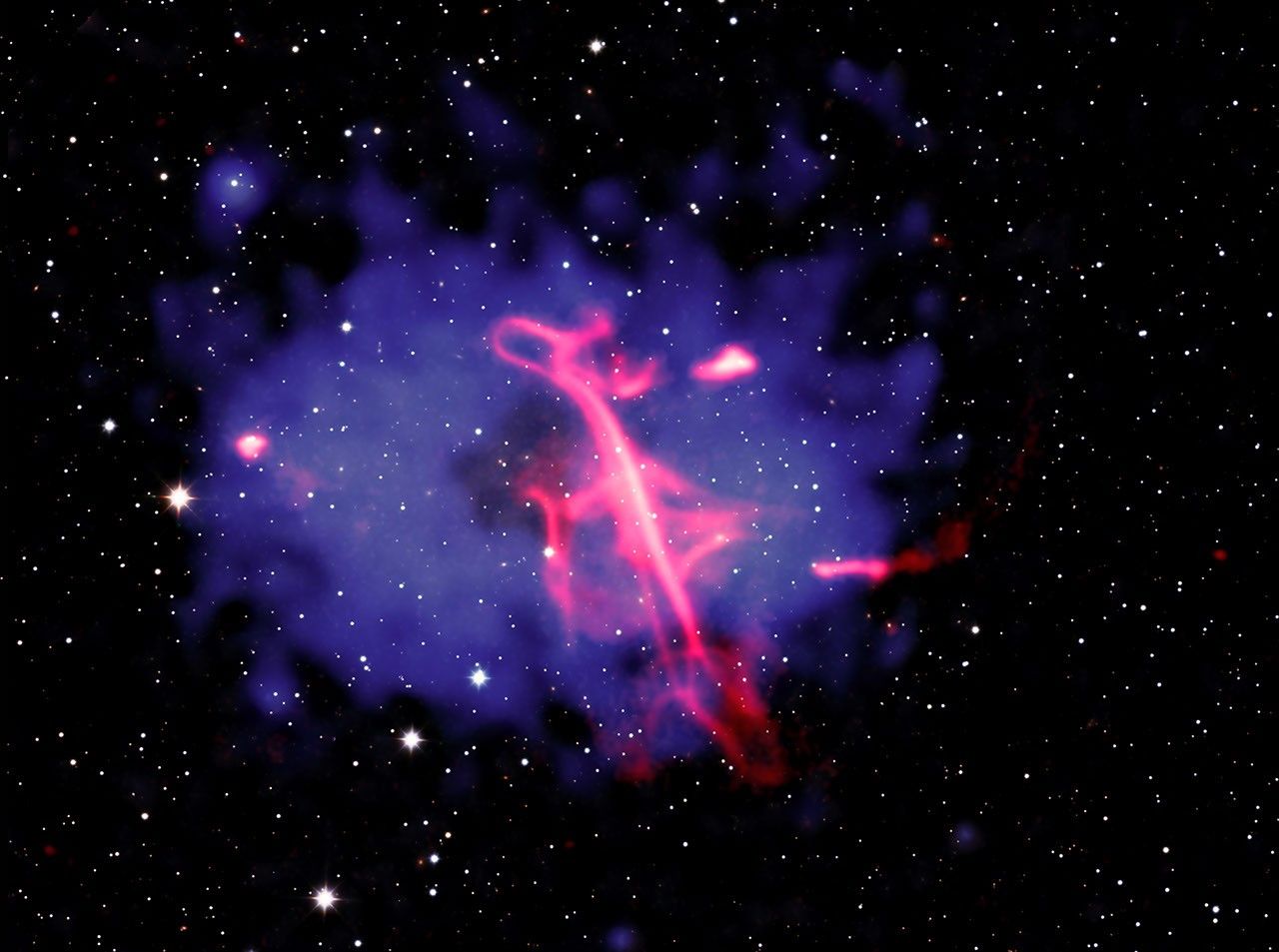
Astronomers have used NASA’s Chandra X-ray Observatory to break down the cause of a remarkable formation of radio waves they have nicknamed the “Treble Clef” because its distinct shape strongly resembles the musical symbol. The researchers discovered the Treble Clef…
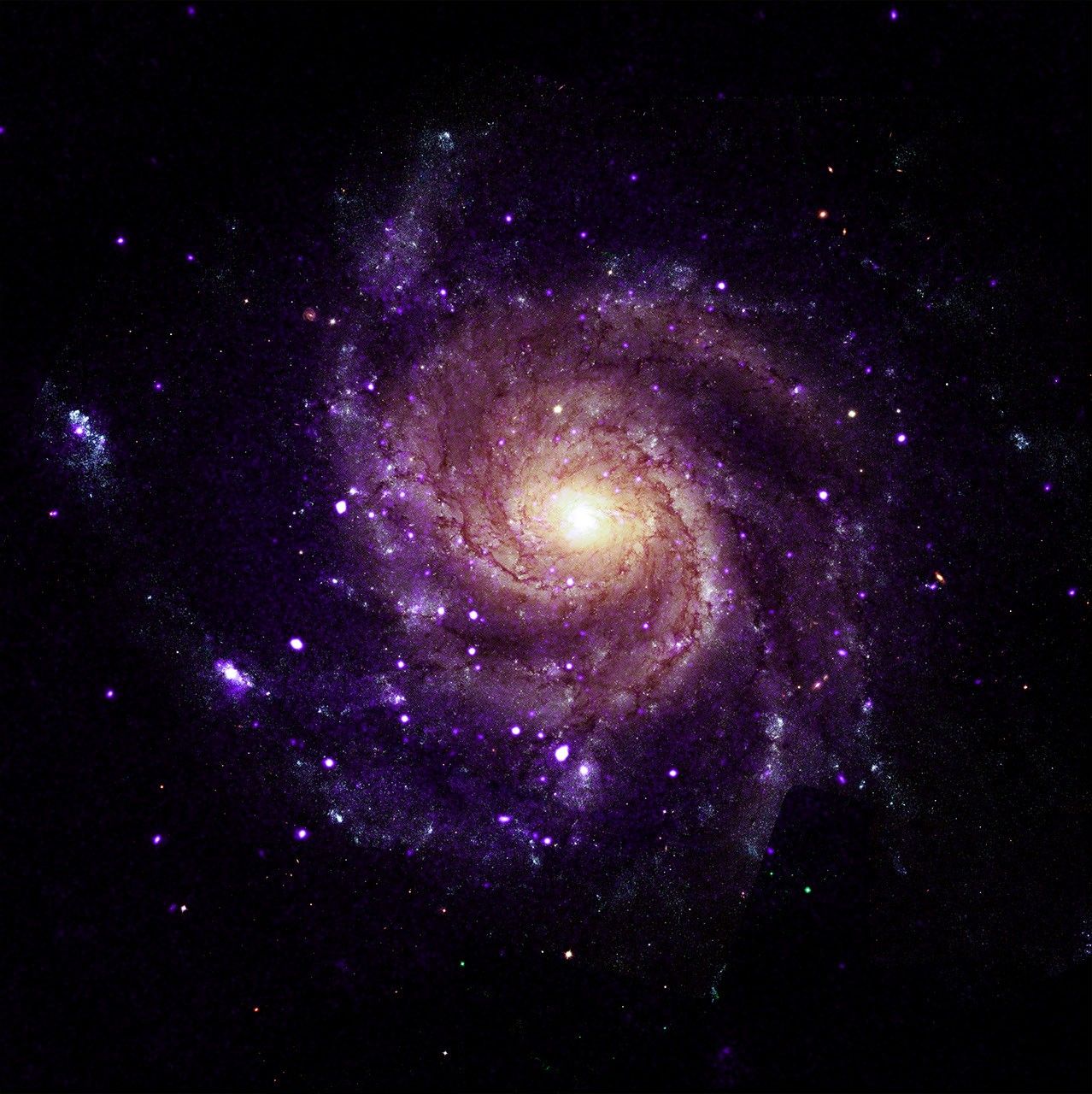
Using NASA’s Chandra X-ray Observatory, scientists have discovered a new class of objects behaving unlike any they have seen before. Astronomers suggest these newly spotted objects in other galaxies may help solve not one, but two long-standing questions in astrophysics.…
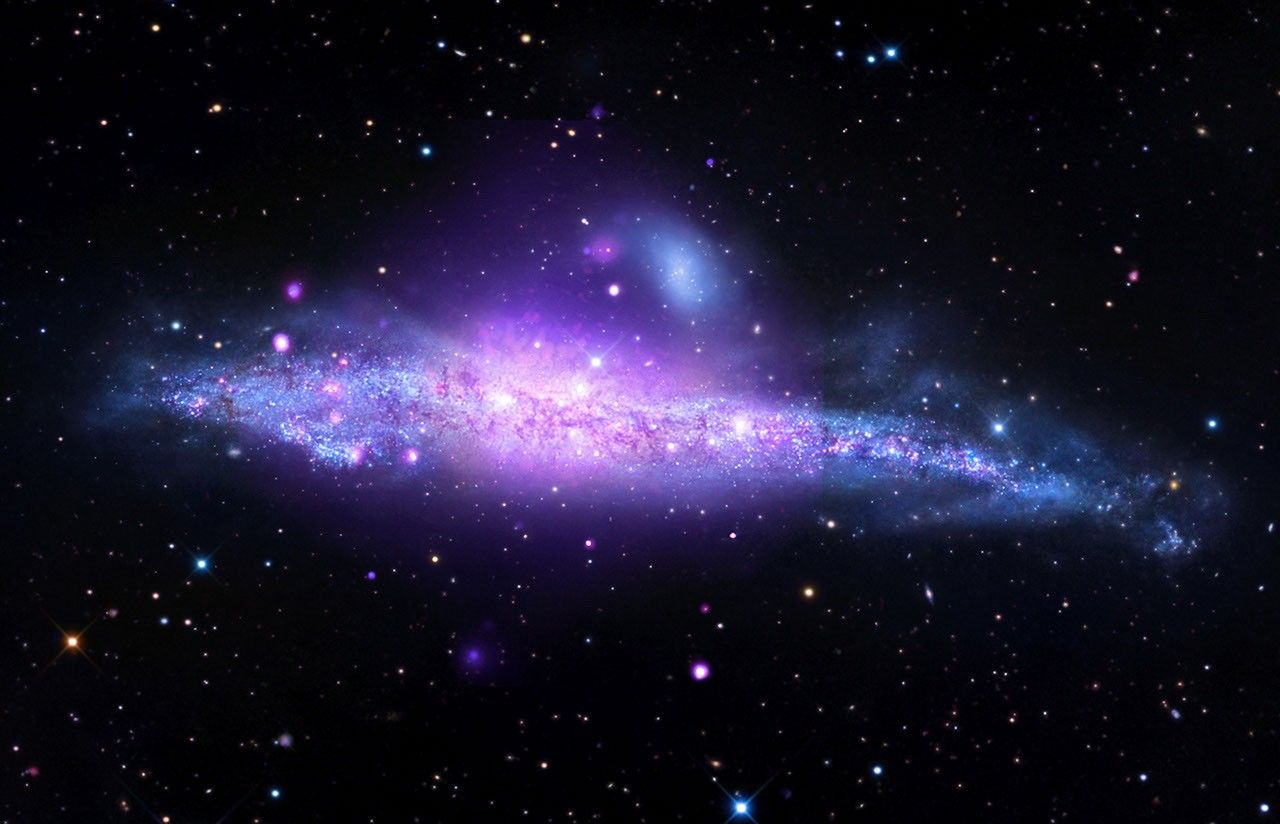
Galaxies are like cosmic gems, each with characteristics including size and shape that make them distinct. A new gallery released today from NASA’s Chandra X-ray Observatory and other telescopes displays a collection of galactic images that showcase this variety. Astronomers…