
















Plant Operations Administration Building
Johnson Space Center, Building 41
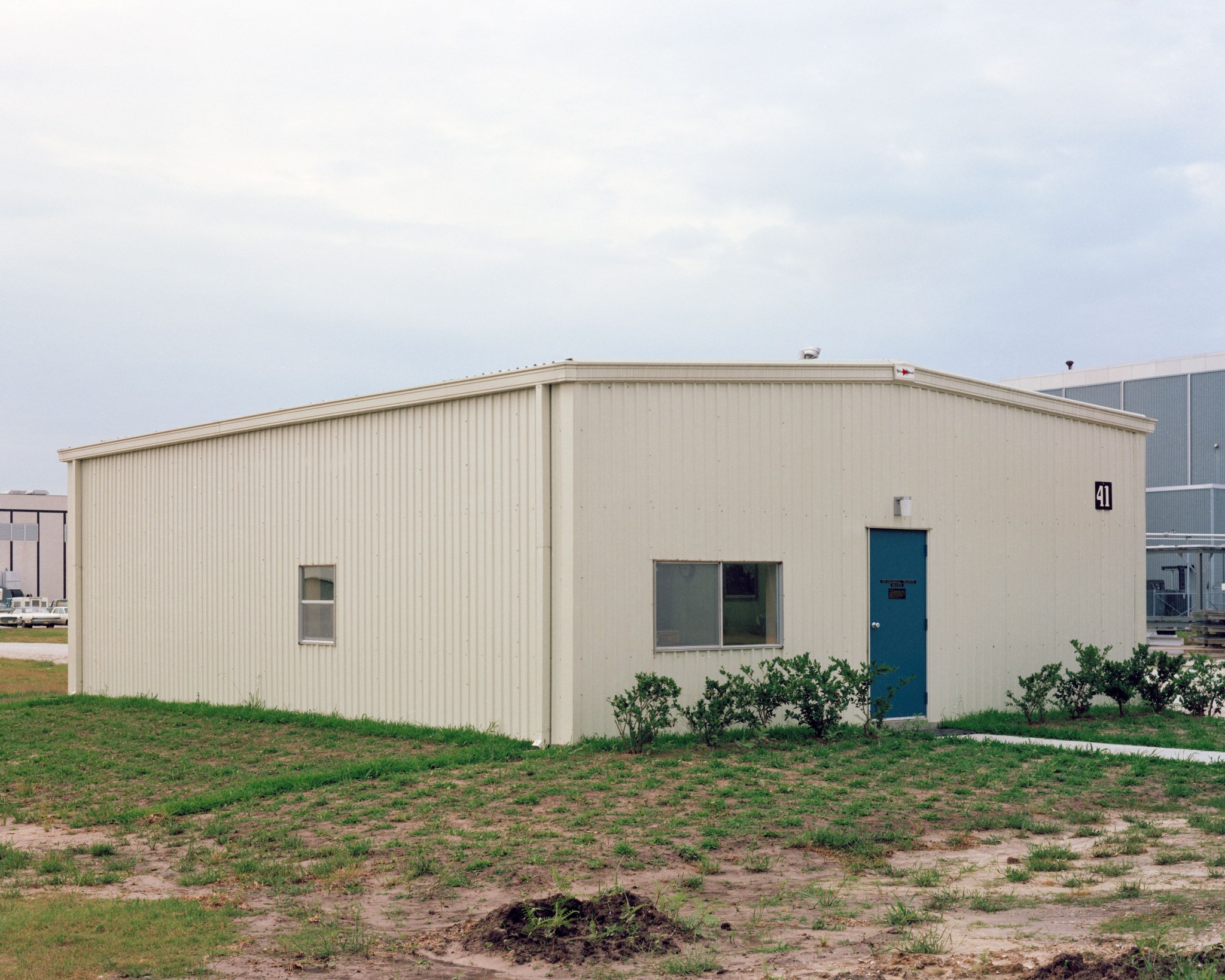
Building 41, Plant Operations Administration Building
NASA Lyndon B. Johnson Space Center
Houston, Texas
Originally built in 1969 as the Hypo/Hyperbaric Training Facility, this facility was used to train individuals on the physiological aspects of flight. It was run by the Manned Test Support Section of the Medical Operations Branch of the Space and Life Sciences Directorate. Students were taught in a classroom environment on atmospheric physics, respiration and gas transfer, hyperventilation and hypoxia. Students were then placed in a decompression chamber in Building 32 to feel the effects of high altitude. Many of the students were then used in experiments aboard the KC-135 high altitude airplane that flew in parabolas to simulate weightlessness in space. Employees who also worked with the Space Environment Simulation Laboratory (SESL), Chambers A and B, in Building 32 were trained here prior to working in one of the vacuum chambers.
In 1999, the building was renamed the Physiological Training Facility to reflect a change in name of the organization that utilized the facility. The building continued as a training facility for human test groups. For approximately 25 years, until all operations were moved to the Neutral Buoyancy Laboratory (NBL) at the Sonny Carter Training Facility, the group provided physiological training to astronauts, Aircraft Operations Division (AOD) flight personnel and KC-135 flyers. The training was required for anyone who went into altered pressure environment, above or below 1g, in the performance of their duties. Students started with classroom training in Building 41 and moved to the hypobaric chamber in Building 32 where they experienced the effects similar to those of high altitude, including hypoxia and cognitive function demonstrations.
As Space and Life Sciences began to be consolidated on site, physiological training moved to the NBL in 2008 and the building was then used to house the control systems engineers of the Center Operations Support Services Contract. It was renamed Plant Operations Administration Building.
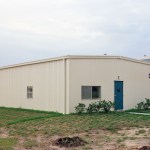
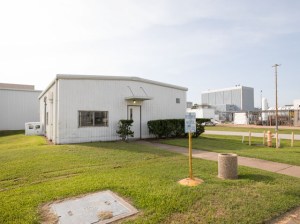
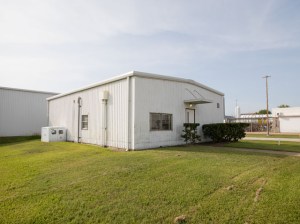
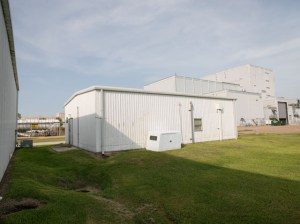
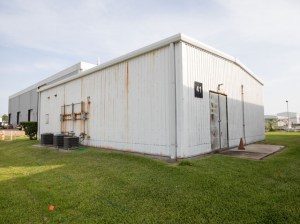
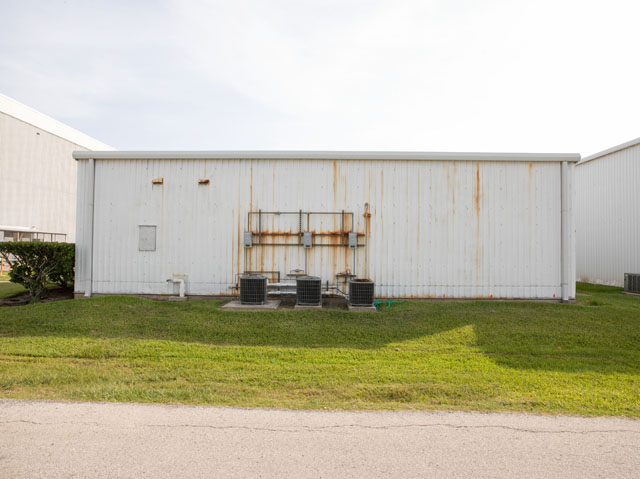
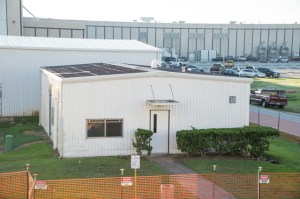
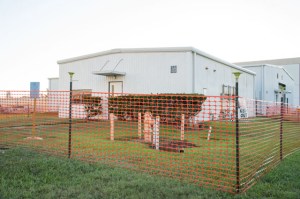
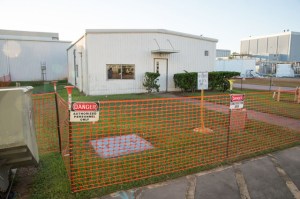
The Plant Operations Administration Building is located due west (of Plant North) of Building 32Q and southeast of Building 36. Construction by Stone Construction Company of Houston commenced on July 15, 1969 and concluded on January 15, 1970. Original construction features included a concrete foundation, tile floors, insulated metal walls composed of prefinished metal siding, and an insulated metal roof. The building was a pre-engineered insulated metallic building with concrete grade beams and slab, structural steel frame, prefinished metal siding and roof. It had overall dimensions of approximately 43 feet in length and 30 feet in width and contained one 25’ x 25’ classroom, two offices, men’s and ladies restrooms, mechanical and projection room combined, complete with all utilities including air conditions, telephones, and fire detection system. The gross floor area was 1,283 square feet with a total usable floor area of approximately 1,247 square feet.
Over the years as with many prefabricated buildings, the facility had begun to deteriorate. The roof rusted and deteriorated resulting in leaks. The exterior siding rusted at various locations. Mold remediation was required on the interior walls and in the carpet due to issues with the failing air conditioner. The sound soak in the conference room was deteriorating to the point of falling off of the walls. Floor tiles were damaged and needed to be replaced requiring special handling due to the mastic containing asbestos.
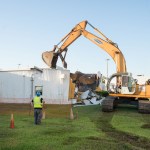
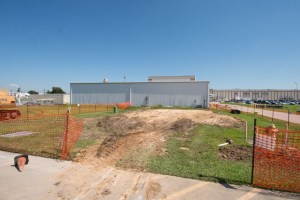
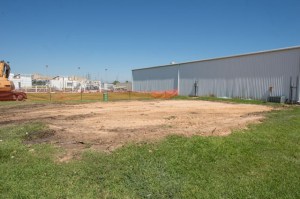
As part of the Federal Government’s initiative to reduce its footprint and reduce operating costs and due to its deteriorated condition, JSC demolished Building 41, Plant Operations Administration Building, on December 18, 2013.
Evaluation
Although this building was used as a classroom to teach human subjects the effects of high altitude on the human body and to prepare them for testing in the hypobaric chamber, it no longer retained the essential physical features that made up its character during the Apollo or Space Shuttle Program. Since its initial use, this building had lost its integrity of feeling and association since it no longer trained personnel in the aspects of high altitude physiological impact.
The building met none of the criteria for inclusion on the National Register of Historic Places as it lacked unique historic design and was not associated with activities or people of national importance. Further, Building 41 was part of the JSC Historic District, but was considered a non-contributing component of the district.