


















Lunar Receiving Laboratory
Johnson Space Center, Building 37
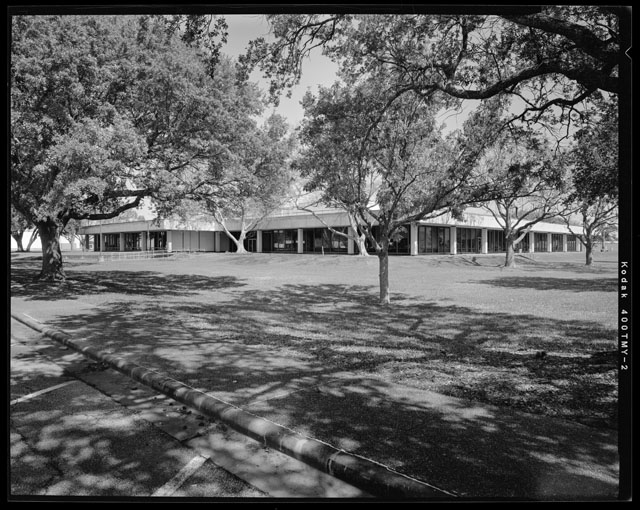
Building 37, Lunar Receiving Laboratory
NASA Lyndon B. Johnson Space Center
Houston, Texas
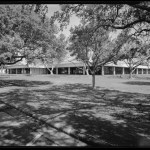
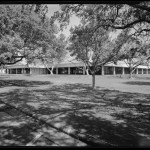
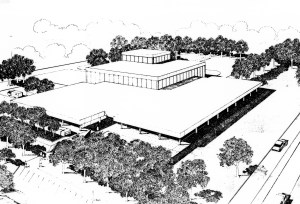
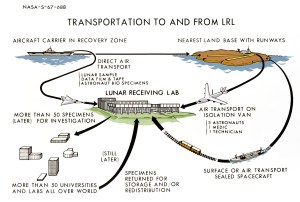
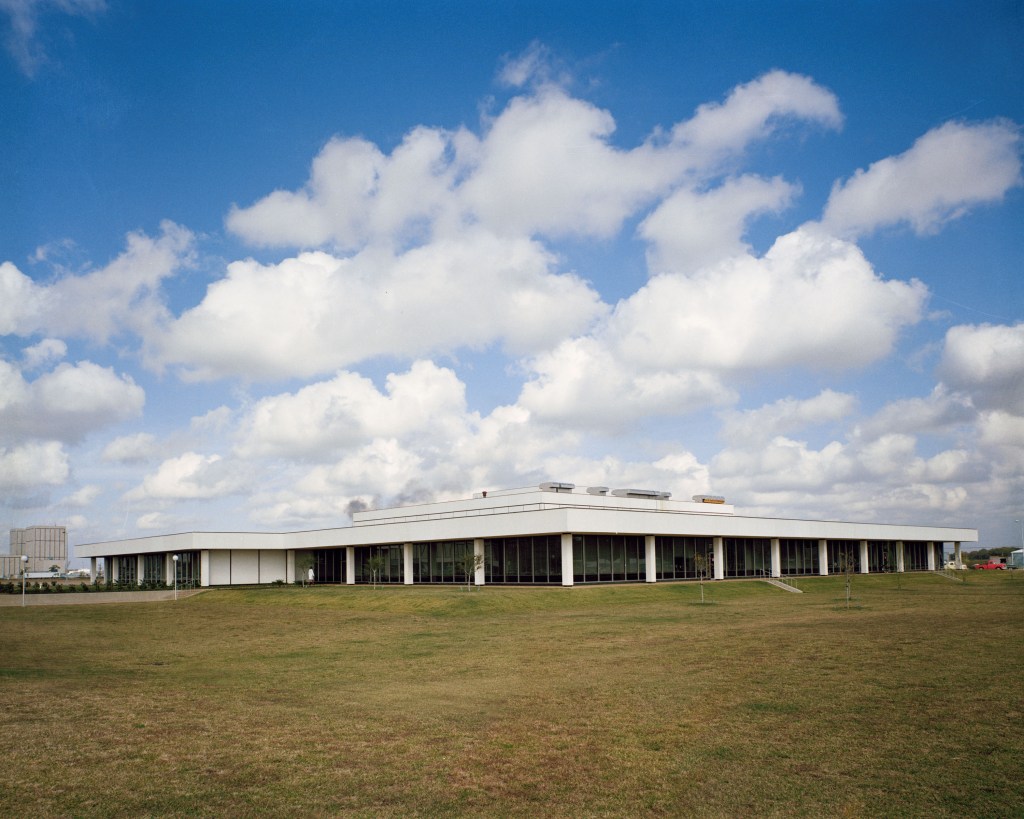
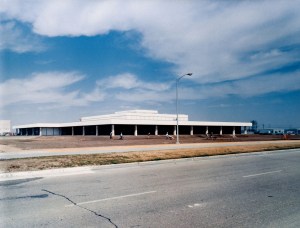
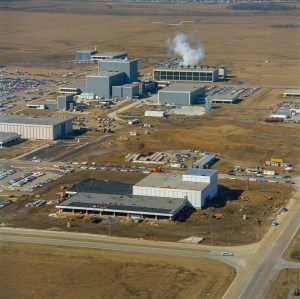
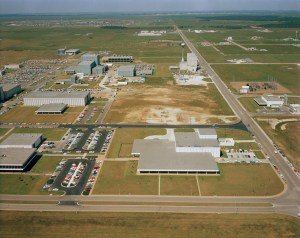
Building 37, originally called the Lunar Receiving Laboratory, was renamed Life Sciences Laboratory in 1974. This facility was purpose-built in 1967 to quarantine crews, equipment, and samples returning from the moon, allowing for safe study and scientific analysis following reentry into Earth’s atmosphere. Originally designed to house a geology laboratory, biological laboratory, and astronaut quarantine facility, it became a critical mission support building used as a multipurpose laboratory for ground-based and in-flight medical operations support and biomedical research activities related to health, safety, and performance of flight crews during all phases of manned spaceflight.
Building 37 originally served to quarantine returning Apollo crew, spacecraft, equipment, and lunar samples while providing isolated laboratories to evaluate lunar samples for hazardous microorganisms, conduct time-critical physical science investigations, and prepare lunar samples for distribution to external investigators for detailed scientific analyses. At the time of its construction, this laboratory was considered the only one of its kind in the country.
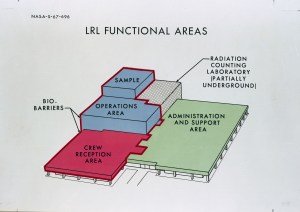
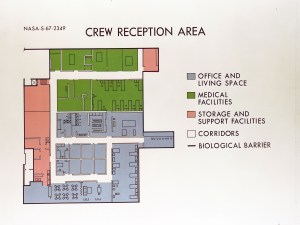
The biological barrier was a unique system to protect lunar samples from Earth contamination while also protecting the outside world from any potential lunar material contamination. The Crew Reception Area had quarters for crew and attendant technicians for the quarantine period. Analyses of lunar material were performed in the Sample Operations Area. The Administration and Support Area was designed to support the labs.