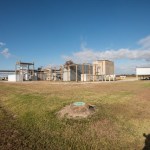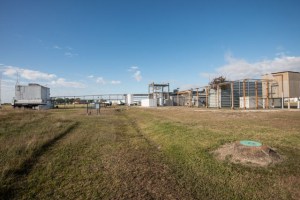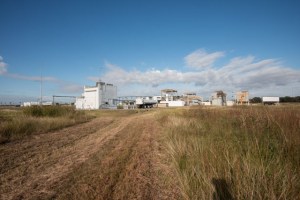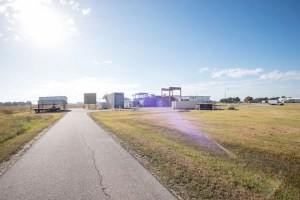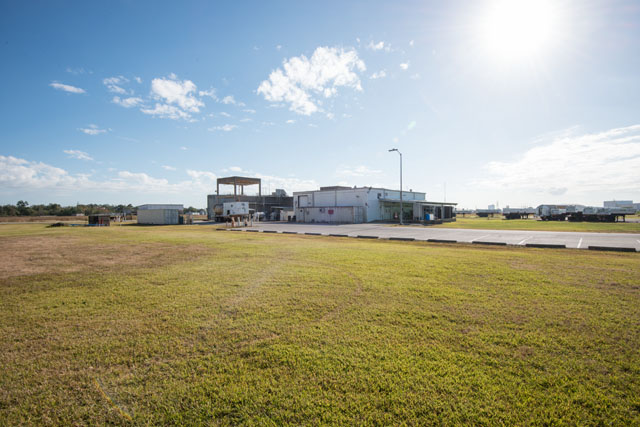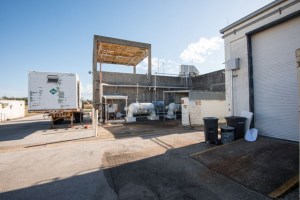














Fluid Systems Test Building
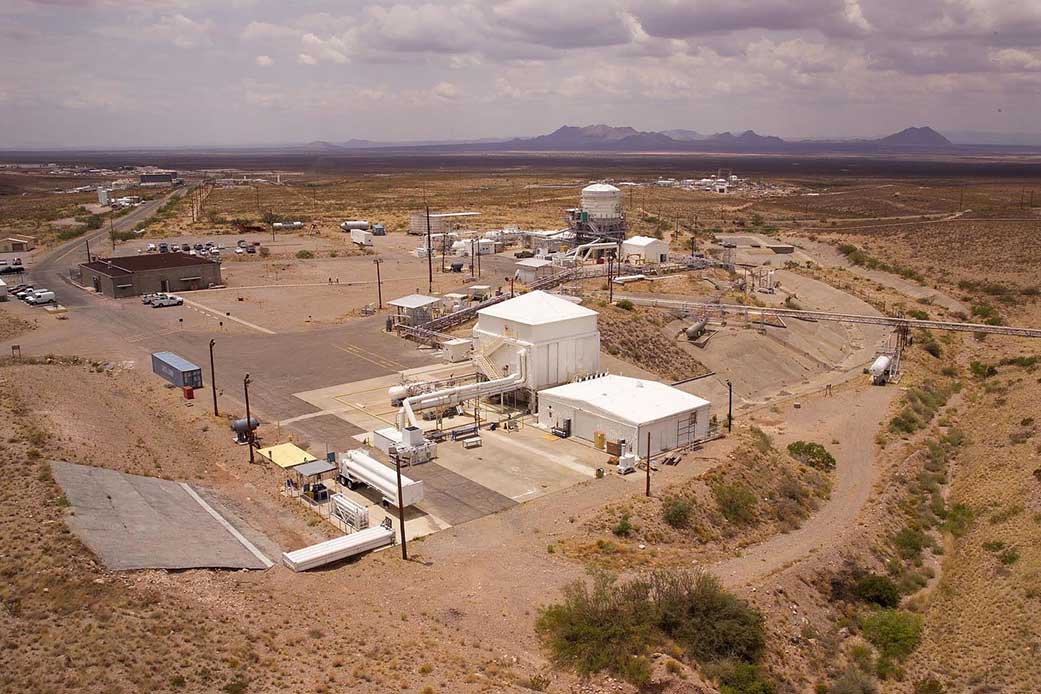
Johnson Space Center, Building 356A
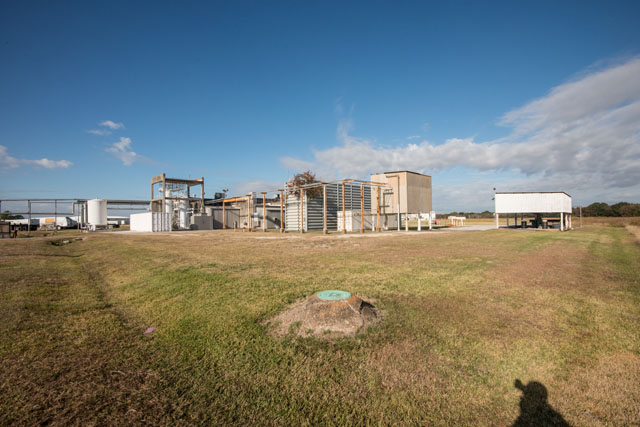
Building 356A, Fluid Systems Test Building
NASA Lyndon B. Johnson Space Center
Houston, Texas
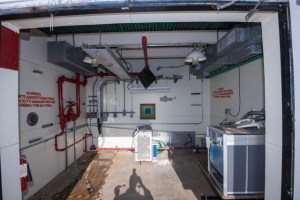
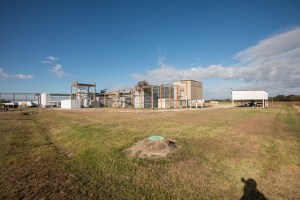
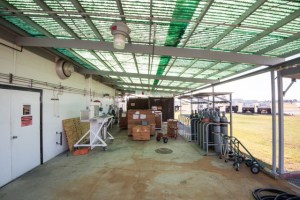
Building 356A, the Fluid Systems Test Building, was originally designed in the 1960s for propulsion tests supporting the Apollo Program (1961 to 1972). The facility housed an environment simulation chamber in which test articles sustained a high vacuum with temperatures ranging from –300°F to 350°F. The building included significant engineering features, including the environment simulation chamber, a Class 10,000 clean room, and laboratory spaces that produced equipment important to the U.S. Space Program. Building 356A contained fuel cell test stands that could support tests of multiple fuel systems at the same time.
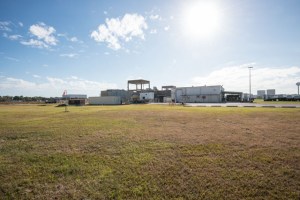
Building 356A was part of the Energy Systems Test Area (ESTA) , which has historically been used for a variety of fluid, electrical, mechanical, data, and environmental systems to test spacecraft and other equipment. ESTA was originally established as the Thermochemical Test Area in 1965, constructed to provide for the evaluation, development, and qualification testing of orbital spacecraft electrical power, propulsion, pyrotechnics, and auxiliary power systems. These facilities were built to address the hazardous nature of all test operations in a secure location to ensure maximum safety to both off-site and, more importantly, on-site personnel.