












ARMSEF
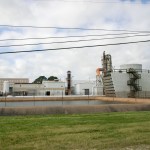
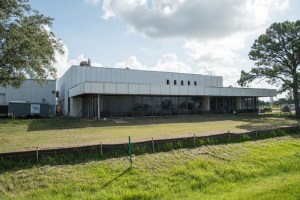
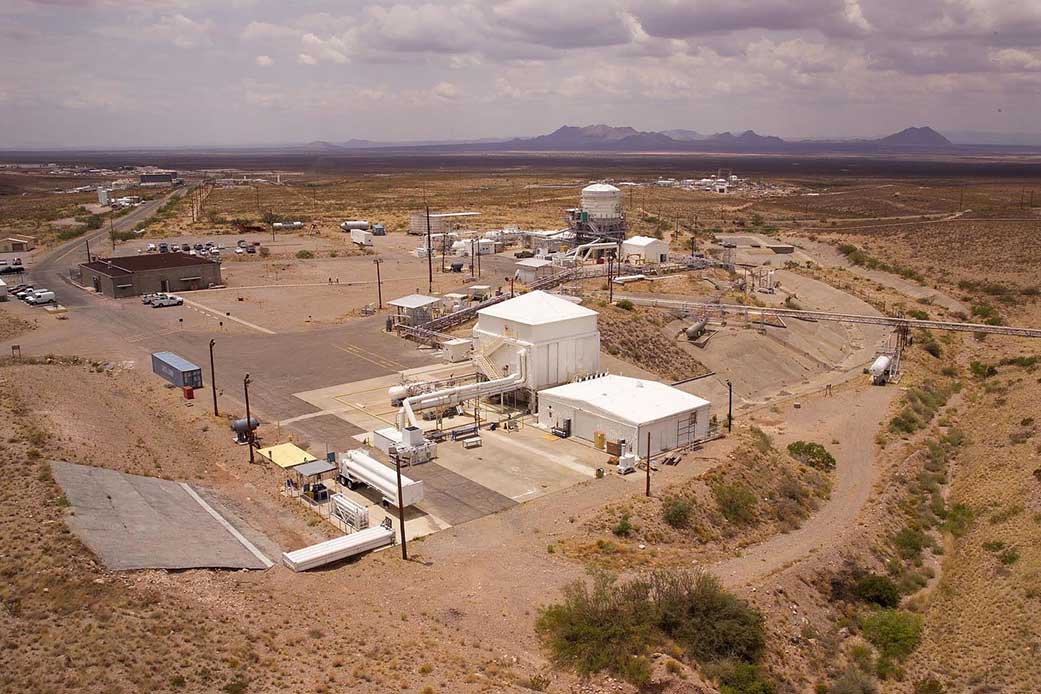
Johnson Space Center, Atmospheric Reentry Materials and Structures Evaluation Facility, Building 222

Building 222, ARMSEF
NASA Lyndon B. Johnson Space Center
Houston, Texas
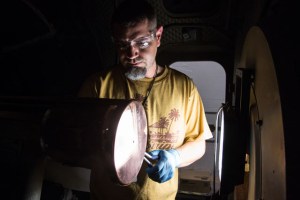
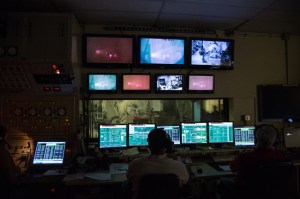
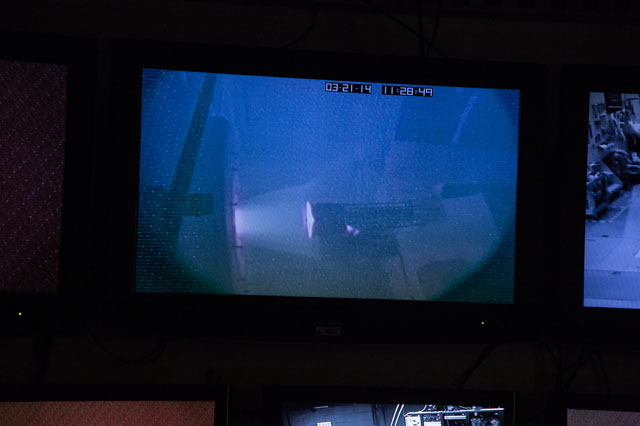
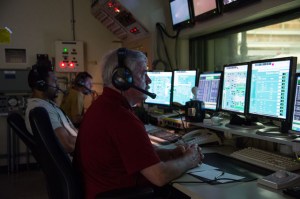
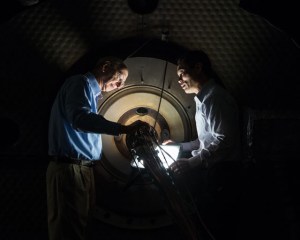
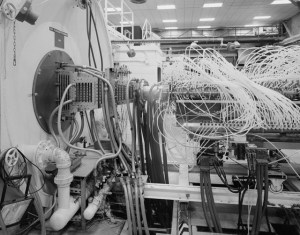
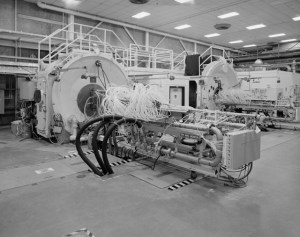
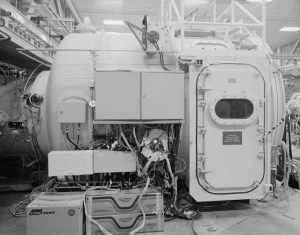
Building 222, the Atmospheric Reentry Materials and Structures Evaluation Facility (ARMSEF), was originally built to support reentry environment testing for the Apollo Program and became operational in 1967. At the time of construction, the ARMSEF included a 10-megawatt (MW) arc jet, one vacuum tunnel position, two atmospheric exhaust positions, and an 8’-diameter vacuum test chamber. The ARMSEF was upgraded several times to support the Space Shuttle Program and growing mission needs, including addition of a 10’-diameter vacuum test chamber, replacement of the 8’ chamber with a new 12’-diameter vacuum test chamber, and the construction of a Laser Diagnostics Room within the building’s High Bay.
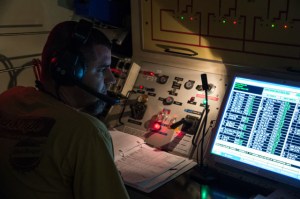
Throughout the Space Shuttle Program, the ARMSEF was used to test every type of Thermal Protection System material applied to the shuttle orbiter, heating test articles to roughly 1,200°F to 3,400°F, with pressures ranging from 20 to 300 pounds per square foot, to simulate reentry temperatures and pressures experienced by the orbiter. Tests conducted in Building 222 assisted with materials screening and selection; life cycle; thermal characteristics and performance; development; certification; flight anomaly resolution; and damage repair. The ARMSEF facility also became instrumental in testing unpredicted damages to an orbiter’s Thermal Protection System following the 2003 Columbia accident.