












Radar Boresight Range Control Building
Johnson Space Center, Building 18
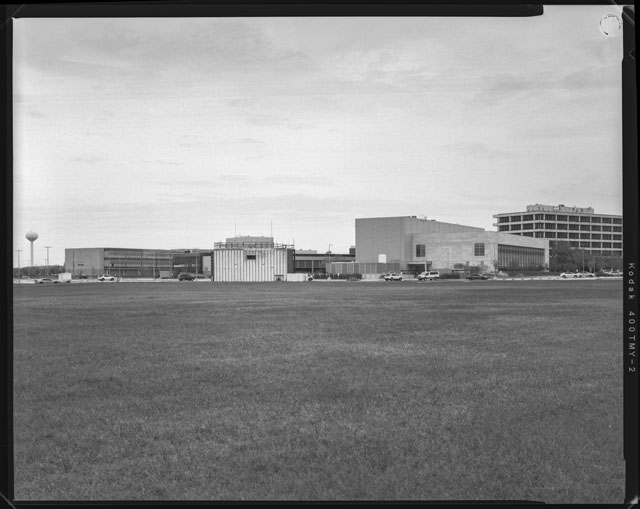
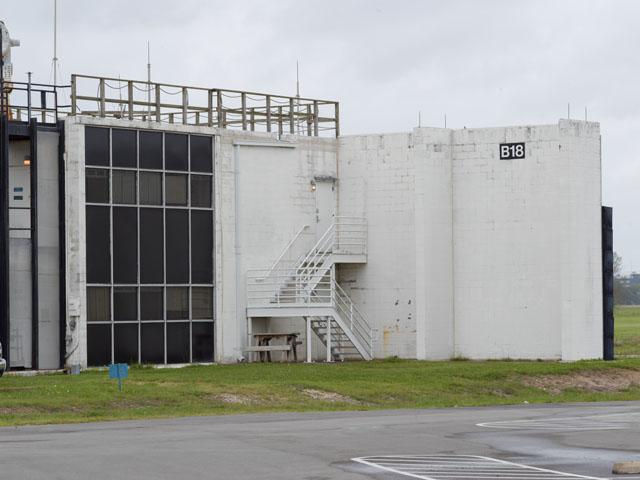
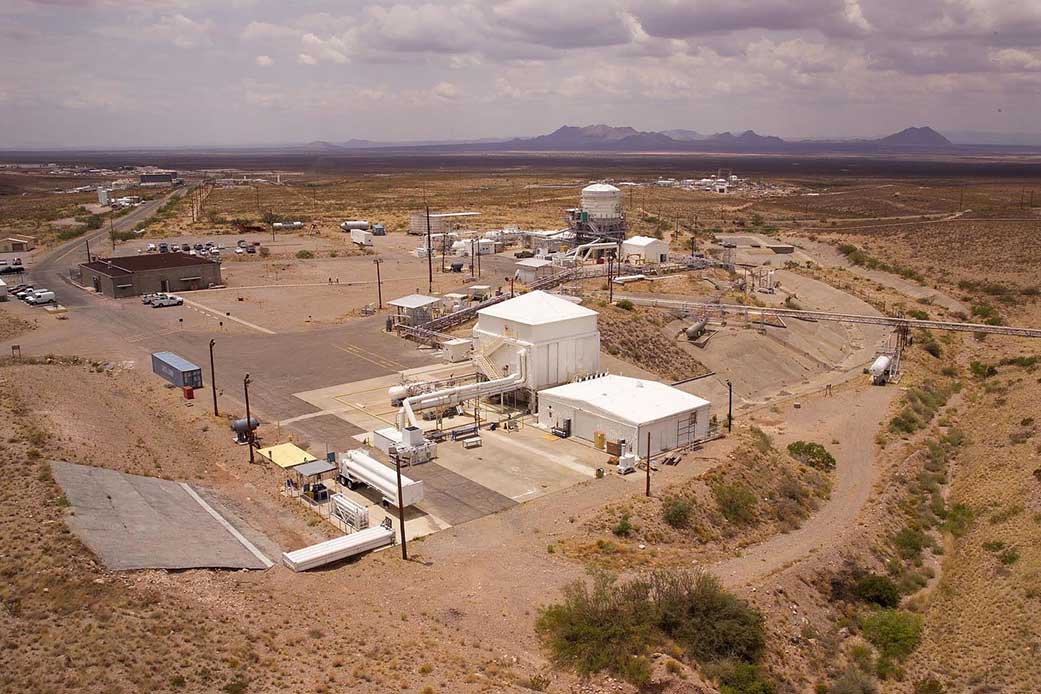
Building 18, Radar Boresight Range Control Building
NASA Lyndon B. Johnson Space Center
Houston, Texas
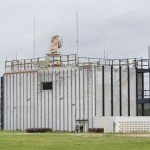
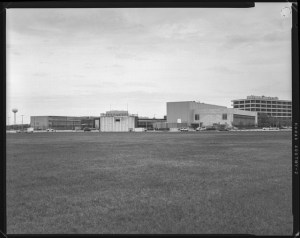
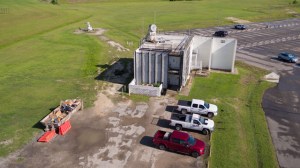
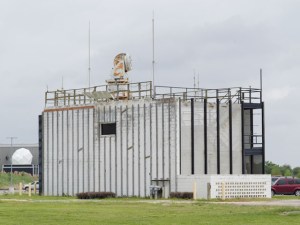
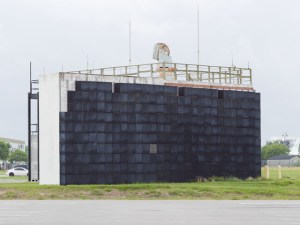
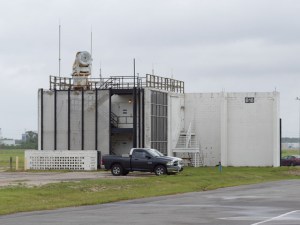
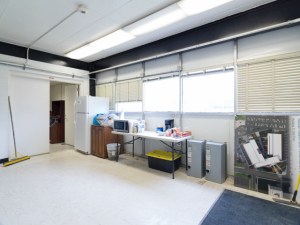
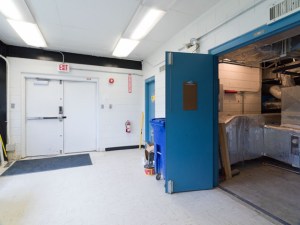
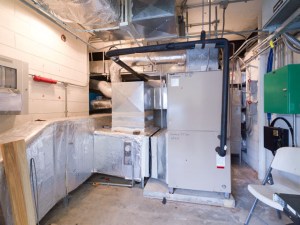
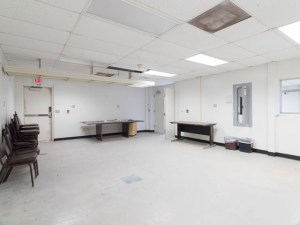
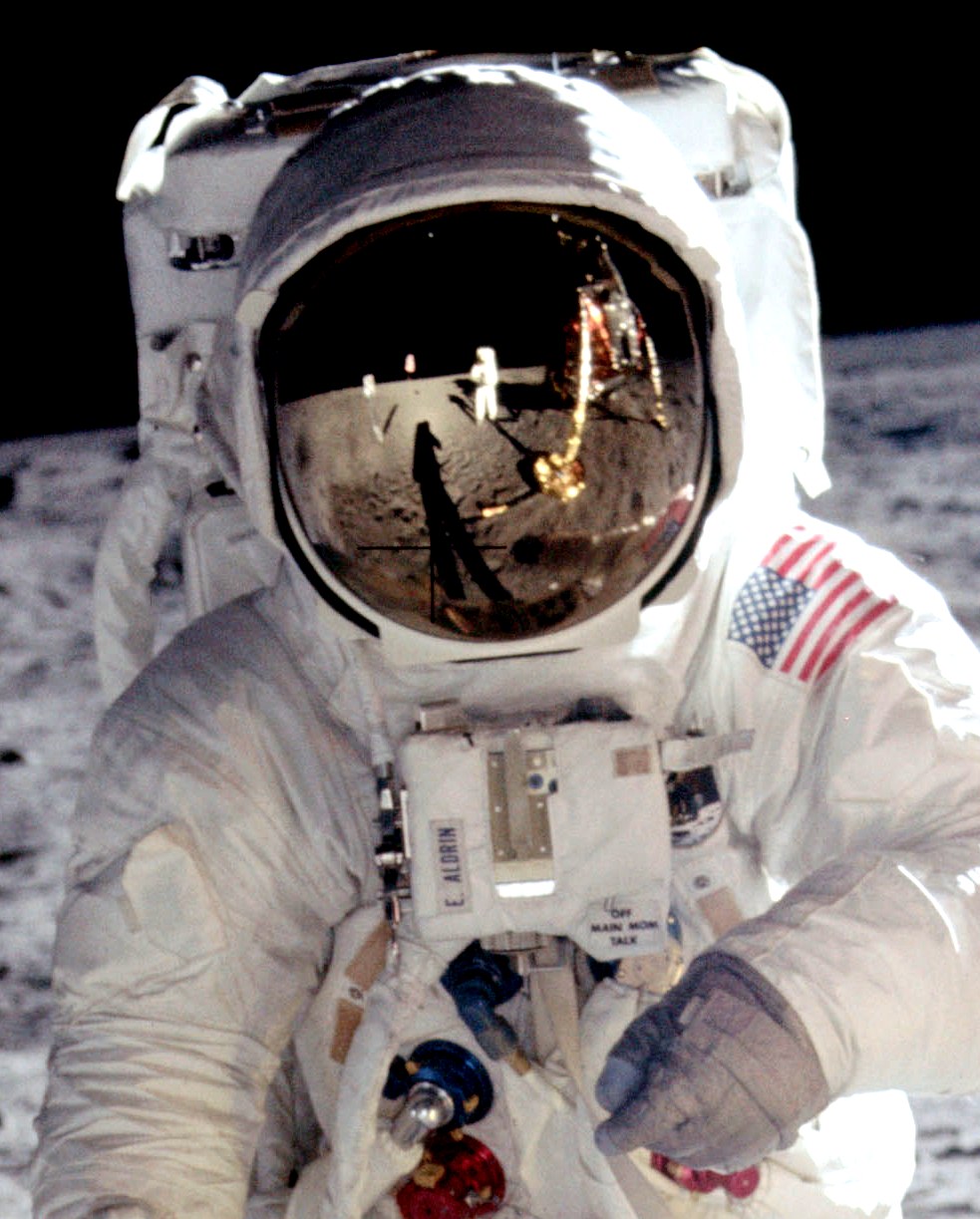
Building 18, the Radar Boresight Range Control Building, was originally designed and constructed in 1966 to test the Apollo rendezvous radar and the Apollo landing radar subsystems, then later modified to accommodate the development for the Space Shuttle rendezvous radar. The rendezvous radar was first used in space during the Apollo 9 mission in March of 1969, and the landing radar was first used in space during the Apollo 11 lunar landing mission in July of 1969. Building 18 also housed laboratories and testing facilities that supported Project Morpheus, which developed and tested a new prototype planetary lander capable of vertical takeoff and landing. In addition, Building 18 supported testing and evaluation of developmental systems, such as the Apollo lunar TV camera, space suit communications and telemetry, vibro-acoustic data systems, spacecraft telemetry, Apollo flush-mounted antennas, and adaptive communication space systems.
Building 18 operations frequently utilized the Outdoor Antenna Range, which is still in place today. The range has supported special systems testing and development of the Apollo and Shuttle-era radar equipment, small-scale aircraft and rockets, as well as all sorts of mechanical devices supporting the Apollo Program (1961 to 1972) through to current mission operations. The Outdoor Antenna Range has operated as the “airport” for JSC’s Radio Control Club and National Association of Rocketry.