












Adopted Categorical Exclusions
Overview
NASA uses Categorical Exclusions (CATEXs) to streamline environmental reviews for routine actions that normally do not have significant environmental effects. Under Section 109 of the National Environmental Policy Act (NEPA), NASA may adopt CATEXs from other Federal agencies when those actions are comparable to NASA’s activities. This enables faster approvals, reduces documentation burden, and ensures continued environmental stewardship.
What is a CATEX?
A CATEX is a category of actions determined not to normally result in significant environmental impacts. When no extraordinary circumstances exist, NASA can apply a CATEX without preparing an Environmental Assessment (EA) or Environmental Impact Statement (EIS). When the CATEX is adopted from another Federal agency, NASA must also evaluate the proposed action against the originating agency’s extraordinary‑circumstances criteria to ensure the action fits within the scope of the original exclusion before applying it.
Why NASA Adopts CATEXs from Other Agencies
NASA’s adoption of select categorical exclusions enhances environmental efficiency by reducing duplicative analysis and aligning the Agency with proven Federal best practices. This approach helps maintain critical mission timelines and supports ongoing infrastructure modernization across centers. By applying exclusions already validated by agencies with similar operational environments, NASA strengthens consistency, streamlines compliance, and ensures environmental stewardship remains embedded in every stage of project planning and execution.
CATEX Adoption Process
NASA’s CATEX adoption process involves identifying a suitable categorical exclusion from another Federal agency, coordinating internally to ensure it fits NASA’s activities and does not involve extraordinary circumstances, and consulting with the originating agency to confirm its appropriateness. Once this review is complete, NASA publishes a public notice documenting the adoption, after which the CATEX becomes available for immediate use across applicable programs and projects.
Full List of CATEXs Adopted by NASA
| Agency | CATEX Number & Title | Summary | NASA’s Intended Use (not comprehensive) | Public Notification | CFR Citation | Effective Date |
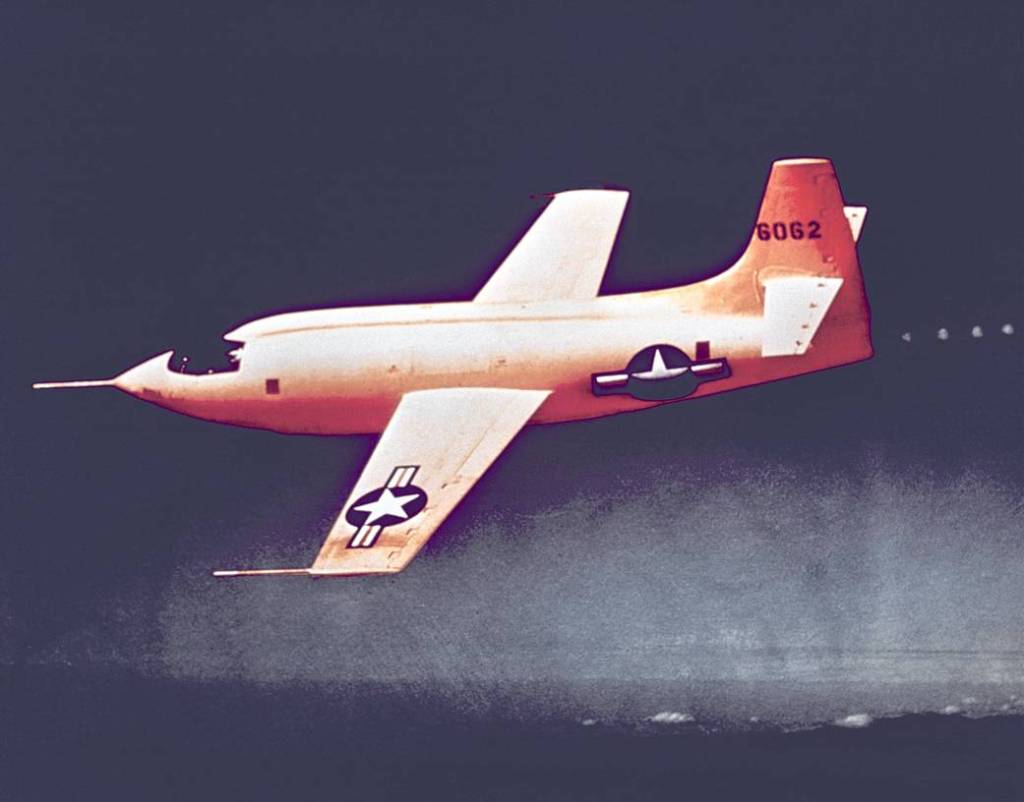
| DAF | CATEX A2.3.34 – Supersonic flying Operations | Supersonic flying operations above 30,000 ft over land and above 10,000 ft over water and >15 nautical miles from shore. | Supersonic test operations supporting flight research, atmospheric modeling, propulsion testing, and evaluation of high‑altitude flight systems. | https://www.federalregister.gov/documents/2024/04/25/2024-08815/adoption-of-a-department-of-the-air-force-categorical-exclusion-under-the-national-environmental | 14 CFR 1216.300(g)(2)(iii) | April 25, 2024 |
| DOE | B3.11 – Outdoor Tests & Experiments | Outdoor tests of materials/equipment: burn tests, impact tests, drop/puncture/water-immersion/thermal tests. No nuclear materials except encapsulated nondestructive sources. | Vehicle & propellant drop tests; landing‑system validation; cryogenic behavior; microgravity research; structural/impact modeling. | https://www.federalregister.gov/documents/2026/02/18/2026-03109/categorical-exclusion-adoption-public-notice | 14 CFR 1216.300(g)(3)(vi) | February 18, 2026 |
| DOE | B4.12 – Construction of Electric Powerlines | Construct powerlines ≤10 miles, or ≤20 miles within disturbed ROWs. | New transmission lines, substations, transformers at multi‑user spaceports. | https://www.federalregister.gov/documents/2026/02/18/2026-03109/categorical-exclusion-adoption-public-notice | 1216.300(g)(2)(x) | February 18, 2026 |
| DOE | B5.5 – Short Pipelines in Disturbed ROWs | ≤20‑mile pipelines between existing facilities in disturbed/developed ROWs. | Pipeline construction/maintenance for launch ops; gas lines; chilled/hot water lines. Entirely within existing operational ROW | https://www.federalregister.gov/documents/2026/02/18/2026-03109/categorical-exclusion-adoption-public-notice | 14 CFR 1216.300(g)(2)(xi) | February 18, 2026 |
| DOE | B5.16 – Solar Photovoltaic Systems | Install/modify/decommission commercial solar PV on buildings/structures or disturbed areas; must meet land‑use, wildlife‑plan, BMP requirements. | ESPC solar projects; PV expansion. | https://www.federalregister.gov/documents/2026/02/18/2026-03109/categorical-exclusion-adoption-public-notice | 14 CFR 1216.300(g)(2)(xii) | February 18, 2026 |
| USCG | L22 – Excess Property Transfer | Declaring vessels/aircraft as excess and transferring to other agencies/entities. | Transfer of decommissioned aircraft/vessels. | https://www.federalregister.gov/documents/2026/02/18/2026-03109/categorical-exclusion-adoption-public-notice | 14 CFR 1216.300(g)(2)(xiii) | February 18, 2026 |
| USCG | L23 – Decommissioning Equipment/Vessels/Aircraft | Decommission or temporary discontinuation of vessels, aircraft, or other equipment; Section 106 may apply. | Decommissioning aging aircraft/vessels; higher likelihood of extraordinary circumstances. REC required | https://www.federalregister.gov/documents/2026/02/18/2026-03109/categorical-exclusion-adoption-public-notice | 1216.300(g)(2)(xiv) | February 18, 2026 |
| FRA | (c)(20) – Restoration/Remediation/Pollution Prevention | Environmental restoration, remediation, pollution prevention, slope stabilization, contaminated‑soil removal. | Use for ongoing remediation sites. | https://www.federalregister.gov/documents/2026/02/18/2026-03109/categorical-exclusion-adoption-public-notice | 14 CFR 1216.300(g)(2)(xv) | February 18, 2026 |
| USDA | USDA‑40d – Water‑Control Structure Restoration | Restore wetlands/streams by removing, replacing, modifying culverts, dams, levees, gates, etc. | Repair/replace/modify water‑control structures to restore natural flow regimes. | https://www.federalregister.gov/documents/2026/02/18/2026-03109/categorical-exclusion-adoption-public-notice | 14 CFR 1216.300(g)(2)(xvi)(A–D) | February 18, 2026 |
| MDA | CATEX 13 – Utilities & Communication Systems (Within Disturbed Land) | Install/modify/operate utilities, communications systems, data cables, antennas in existing ROWs/disturbed land. | Replace aging infrastructure; grid upgrades; antenna replacements; sewer upgrades. REC required | https://www.federalregister.gov/documents/2026/02/18/2026-03109/categorical-exclusion-adoption-public-notice | 14 CFR 1216.300(g)(2)(xvii) | February 18, 2026 |
| MDA | CATEX 18 – Small‑Scale Construction (<5 acres disturbance) | New construction/alteration to existing structures; ≤5 acres disturbance; must meet zoning, scale, infrastructure‑capacity limits. | Master‑plan consolidation into multi‑function buildings. | https://www.federalregister.gov/documents/2026/02/18/2026-03109/categorical-exclusion-adoption-public-notice | 14 CFR 1216.300(g)(2)(xviii) | February 18, 2026 |
| MDA | CATEX 19 – Demolition of Non‑Historic Facilities | Demolition; debris removal; includes ACM/PCB/LBP handling per regulations. | Long‑term asbestos‑abatement projects. REC required | https://www.federalregister.gov/documents/2026/02/18/2026-03109/categorical-exclusion-adoption-public-notice | 14 CFR 1216.300(g)(2)(xix) | February 18, 2026 |
| DTRA | CATEX 21 – Radar/Telemetry Installations | Routine installation/use of radars, telemetry systems, communications equipment in disturbed areas meeting ANSI/IEEE EMF standards. | Small research radar systems for aircraft/UAS tracking; mobile platforms or disturbed areas. | https://www.federalregister.gov/documents/2026/02/18/2026-03109/categorical-exclusion-adoption-public-notice | 14 CFR 1216.300(g)(2)(xx) | February 18, 2026 |
| DAF | CATEX 8 – Construction Within 5‑Foot Line of Building | Interior/exterior construction within 5 ft of building; no land‑use change. | Install tanks, generators, utility boxes, ancillary systems. | https://www.federalregister.gov/documents/2026/02/18/2026-03109/categorical-exclusion-adoption-public-notice | 14 CFR 1216.300(g)(2)(xxi) | February 18, 2026 |
| DAF | CATEX 12 – Utility & Comms Systems in Existing ROWs | Install/operate/modify/repair utilities and communications systems in disturbed ROWs/easements. | Repair/replacement in developed, non‑sensitive areas. | https://www.federalregister.gov/documents/2026/02/18/2026-03109/categorical-exclusion-adoption-public-notice | 14 CFR 1216.300(g)(2)(xxii) | February 18, 2026 |
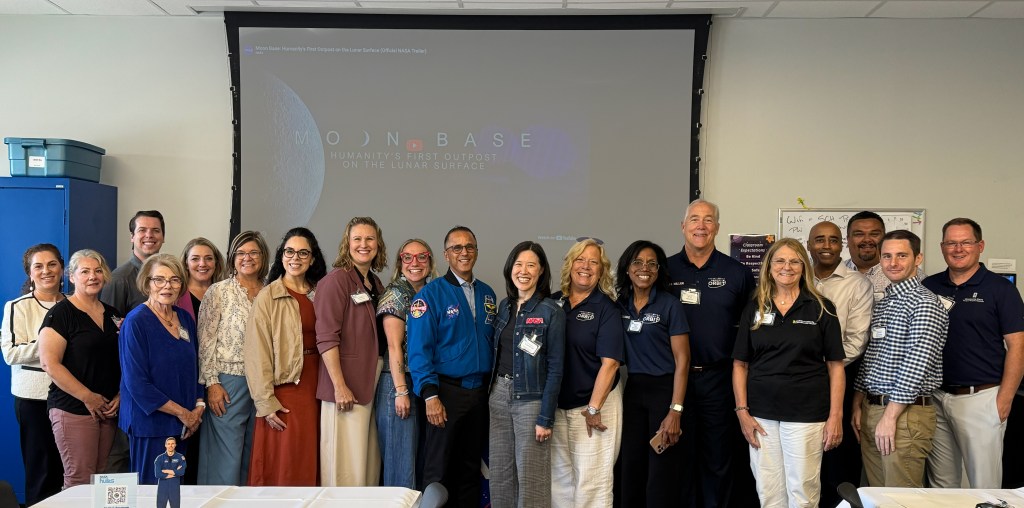
| DON | CATEX 23 – Public Events Without Infrastructure Changes | Hosting/participating in public events (air shows, open houses, Earth Day, athletics) without permanent infrastructure changes. | Launch viewing; media events; astronaut talks; visitor‑center events. | https://www.federalregister.gov/documents/2026/02/18/2026-03109/categorical-exclusion-adoption-public-notice | 14 CFR 1216.300(g)(2)(xxiii) | February 18, 2026 |
| NTIA | B‑4 – Hazardous Materials Abatement | Asbestos/LBP abatement; hazardous‑material remediation in existing facilities per all regulations. | Hazardous‑materials abatement for aging infrastructure; per master plans. | https://www.federalregister.gov/documents/2026/02/18/2026-03109/categorical-exclusion-adoption-public-notice | 14 CFR 1216.300(g)(2)(xxiv) | February 18, 2026 |
| FBI | R5 – Renovation, Repair, Alteration, Demolition | Facilities work (roads, airfields, grounds, buildings, equipment) including debris with hazardous materials; disposal must follow regulations. | Hazardous‑materials abatement and facility repair under master plans. | https://www.federalregister.gov/documents/2026/02/18/2026-03109/categorical-exclusion-adoption-public-notice | 14 CFR 1216.300(g)(2)(xxv) | February 18, 2026 |
Extraordinary Circumstances by Agency
| Agency | Extraordinary Circumstances |
| DOE | “Extraordinary circumstances are unique situations presented by specific proposals, including, but not limited to, scientific controversy about the environmental effects of the proposal; uncertain effects or effects involving unique or unknown risks; and unresolved conflicts concerning alternative uses of available resources.” To fit within the CATEX, a proposal must be one that would not: “(1) Threaten a violation of applicable statutory, regulatory, or permit requirements for environment, safety, and health, or similar requirements of DOE or Executive Orders. (2) Require siting and construction or major expansion of waste storage, disposal, recovery, or treatment facilities (including incinerators), but the proposal may include categorically excluded waste storage, disposal, recovery, or treatment actions or facilities. (3) Disturb hazardous substances, pollutants, contaminants, or CERCLA-excluded petroleum and natural gas products that preexist in the environment such that there would be uncontrolled or unpermitted releases. (4) Have the potential to cause significant impacts on environmentally sensitive resources… (i) Property… (ii) Federally-listed threatened or endangered species… (iii) Floodplains and wetlands… (iv) Areas having a special designation… (v) Prime or unique farmland… (vi) Special sources of water… (vii) Tundra, coral reefs, or rain forests. (5) Involve genetically engineered organisms, synthetic biology, governmentally designated noxious weeds, or invasive species, unless… contained or confined… |
| USCG | “a. A potentially significant effect on public health or safety. b. A potentially significant effect on species or habitats protected by the ESA, MMPA, MBTA, or Magnuson-Stevens Act. c. A potentially significant effect on a district, site, highway, structure, or object that is listed in or eligible for listing in the National Register of Historic Places, affects a historic or cultural resource or traditional and sacred sites, or the loss or destruction of a significant scientific, cultural, or historical resource. d. A potentially significant effect on an environmentally sensitive area. e. A potential or threatened violation of an applicable federal, state, or local law or administrative determination imposed for the protection of the environment… f. An effect on the quality of the human environment that is likely to be highly controversial… highly uncertain… or likely to involve unique or unknown environmental risks. g. Employment of new technology or unproven technology… likely to involve unique or unknown environmental risks… h. Extent to which a precedent is established for future actions with significant effects. i. Significantly greater scope or size than normally experienced… j. Potential for significant degradation of already existing poor environmental conditions… k. Whether the action is related to other actions with individually insignificant, but cumulatively significant impacts.” |
| FRA | “(1) Significant environmental impacts. (2) Substantial controversy on environmental grounds. (3) Significant impact on properties protected by Section 4(f) requirements or Section 106 of the National Historic Preservation Act. (4) Inconsistencies with any Federal, State, or local law, requirement or administrative determination relating to the environmental aspects of the action.” |
| USFS | “(i) Federally listed threatened or endangered species or designated critical habitat or species proposed for Federal listing or proposed critical habitat. (ii) Flood plains, wetlands, or other such sensitive areas. (iii) Special sources of water, such as sole-source aquifers, wellhead protection areas, municipal watersheds, or other water sources that are vital in a region. (iv) Areas having formal Federal or state designations, such as wilderness areas, parks, or wildlife refuges; wild and scenic rivers; marine sanctuaries; national natural landmarks; inventoried roadless areas; or national recreation areas. (v) Specially managed areas, such as designated research or experimental areas, coral reefs, coastal barrier resources, or, unless exempt, coastal zone management areas. (vi) Important or prime agricultural, forest, or range lands. (vii) Property (e.g., sites, buildings, structures, and objects) of historic, archeological, or architectural significance… listed or eligible for listing…” |
| DoD (applies to DA, DAF, DON, MDA) | “(i) Potential for substantial adverse effect on public health, safety or the environment. (ii) Potential to violate applicable Federal, State, Tribal, or local environmental laws. (iii) Greater scope or size of project than usual for the category of action proposed. (iv) Project poses uncertain, unknown, or unique risks to public health, safety, or the environment that are unlike those posed by typical actions in the excluded category. (v) Project will result in an uncontrolled or unpermitted release of hazardous substances or require a conformity determination under standards in 40 CFR part 93, subpart B… (vi) Potential for substantial adverse effect on the following sensitive resources… (A) endangered or threatened species… (B) areas of particular environmental concern or sensitivity such as coral reefs, federally designated wilderness areas, wildlife refuges, marine sanctuaries and monuments, wetlands, sole source aquifers, or parklands. (C) Have an adverse effect on archaeological resources or historic properties listed or determined to be eligible for listing…” |
| FBI | “(i) An adverse effect on public health or safety. (ii) An adverse effect on federally listed endangered or threatened species, marine mammals, or critical habitat. (iii) An adverse effect on archaeological resources or resources listed or determined to be eligible for listing in the National Register of Historic Places. (iv) An adverse effect on an environmentally sensitive area, including floodplains, wetlands, streams, critical migration corridors, and wildlife refuges. (v) A material violation of a Federal, state, or local environmental law by the FBI. (vi) An effect on the quality of the human or natural environment that is likely to be highly scientifically controversial or uncertain, or likely to involve unique or unknown environmental risks. (vii) Establishment of precedents or decisions in principle for future actions that have the potential for significant impacts… (viii) Significantly greater scope or size than normally experienced… (ix) Potential for substantial degradation of already existing poor environmental conditions… initiation of a potentially substantial environmental degrading influence… (x) A connection to other actions with individually insignificant, but cumulatively significant, impacts.” |