






















Zhaoyan Liu
NASA Ames Research Center
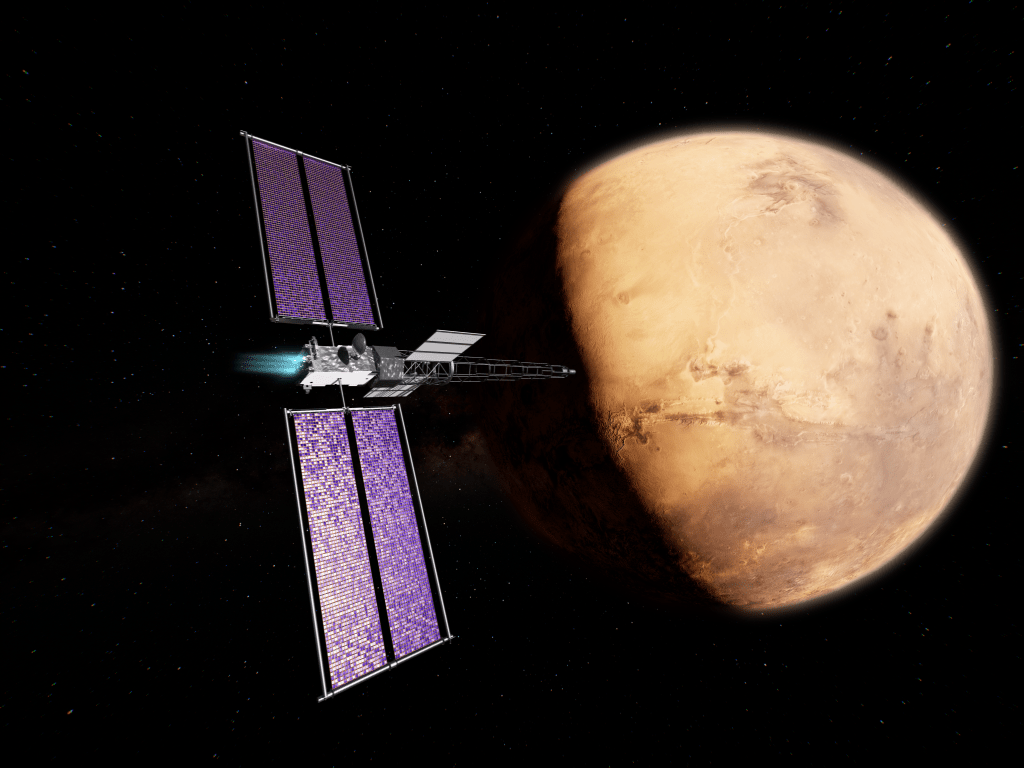
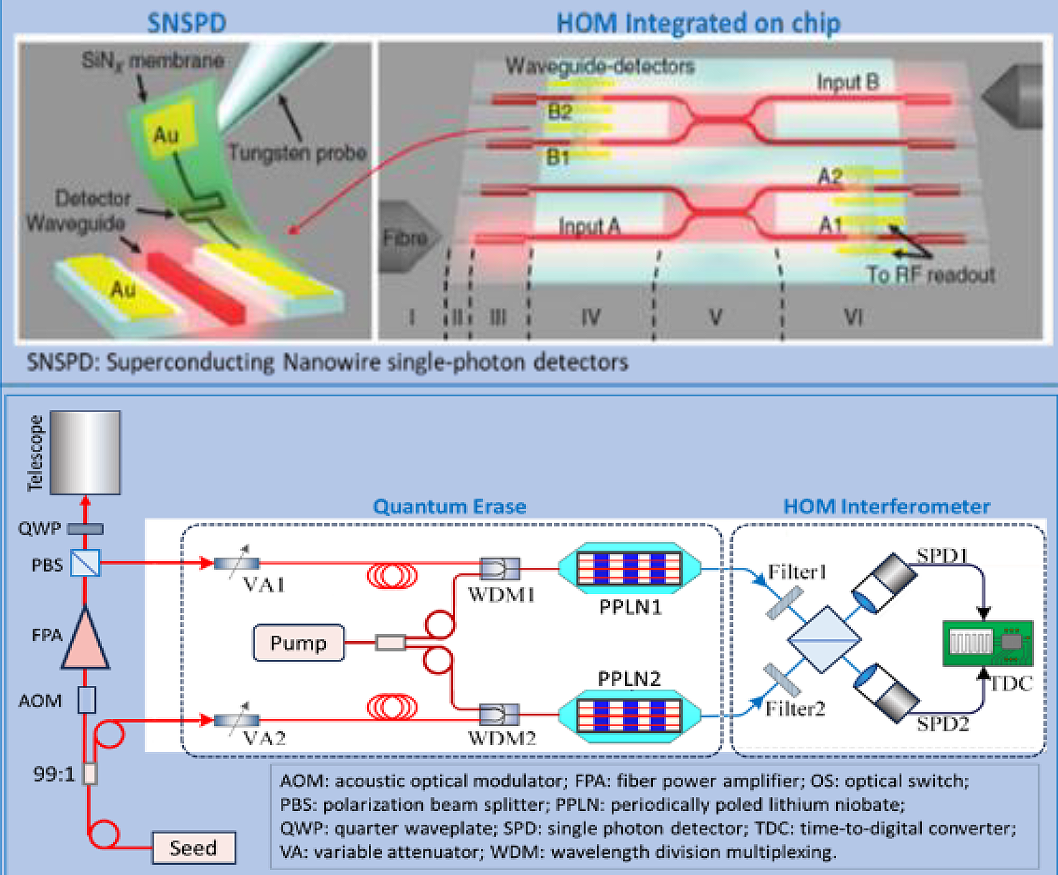
This concept proposes a revolutionary approach to wind measurement using compact photonic integrated chips (PICs) that incorporate second-order interferometers for space-based lidar missions as shown in Fig. 1. By leveraging phase-squeezed light source, quantum interference phenomena, such as the Hong-Ou-Mandel (HOM) effect, and integrating low-noise, fast-response single-photon detectors, this system aims to enable a miniaturized, high-performance, on-chip lidar receiver suitable for planetary missions. This represents a substantial improvement over the current state of the art, which relies primarily on ground-based wind measurements from rovers or platforms like the Ingenuity helicopter. A space-based, PIC-enabled approach will facilitate a new capability: high-altitude wind profiling of the Martian atmosphere with unprecedented precision. The compact PIC approach will allow for better understanding of Martian winds at higher altitudes on a global scale from space. The proposed Phase I effort will include: 1. Developing a quantum theoretical framework for HOM-based wind measurement using phase squeezed light source. 2. Demonstrating a benchtop HOM interferometer. 3. Designing an integrated on-chip prototype with superconducting or room-temperature single-photon detectors. The quantum wind lidar system is highly relevant to NASA’s objectives outlined in both the Planetary Science and Astrobiology Decadal Survey and the Earth Science Decadal Survey. It has direct applications for Mars atmospheric modeling, entry-descent landing (EDL) support, and dust storm prediction. The concept is also directly applicable to wind measurements on Earth, supporting climate monitoring, aviation safety, and next-generation small satellite missions. Future applications could extend to Venus, Titan, and beyond, including missions where robust atmospheric sensing is critical in extreme or dynamic environments. By advancing this quantum sensing concept, the project supports NASA’s strategic priority to invest in breakthrough technologies that enable new mission classes and improve science return across disciplines.