
















Events and Public Programs
Participate in free events and activities at NASA’s Wallops Flight Facility Visitor Center!
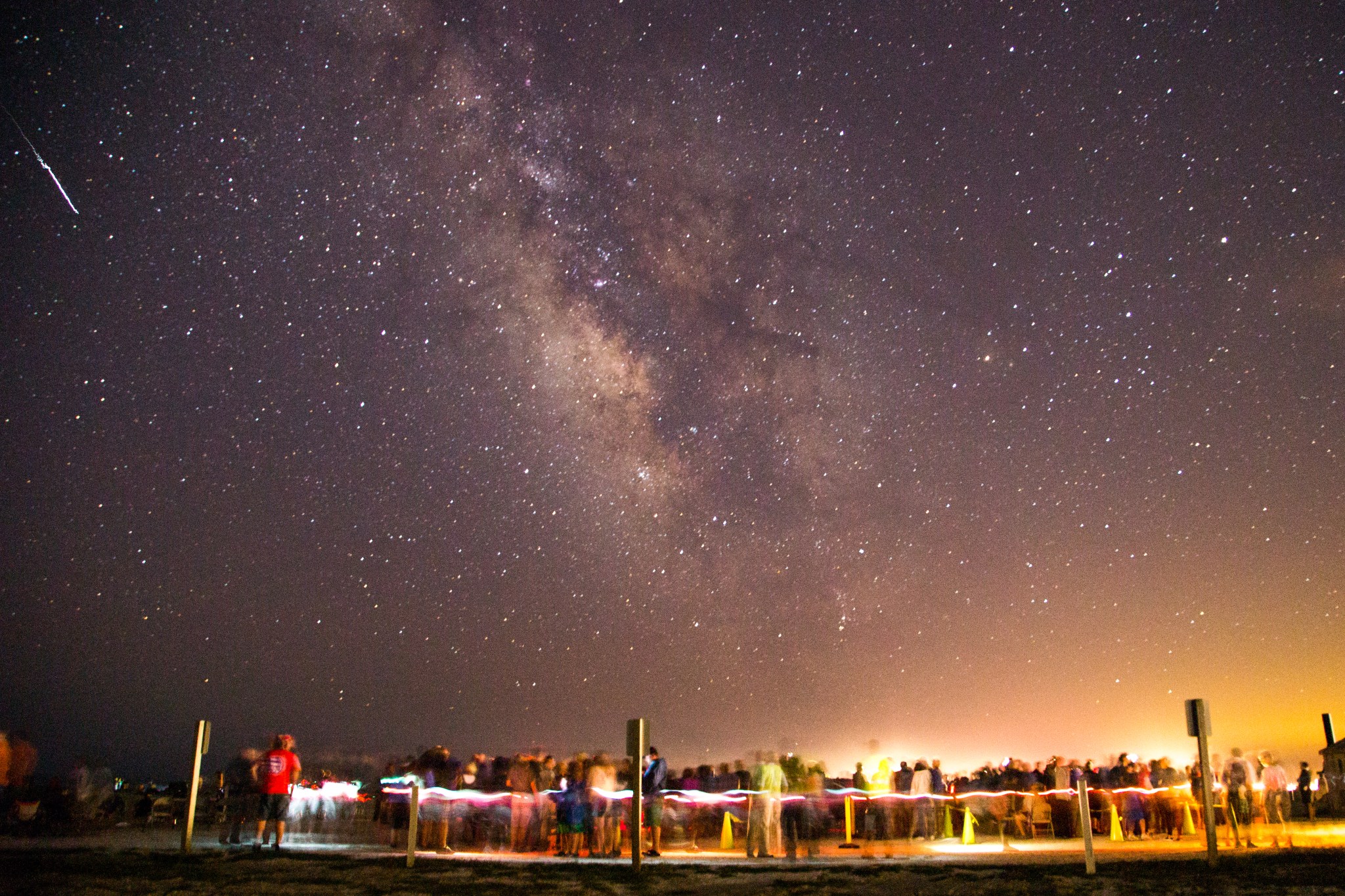
Visitor Center Experiences
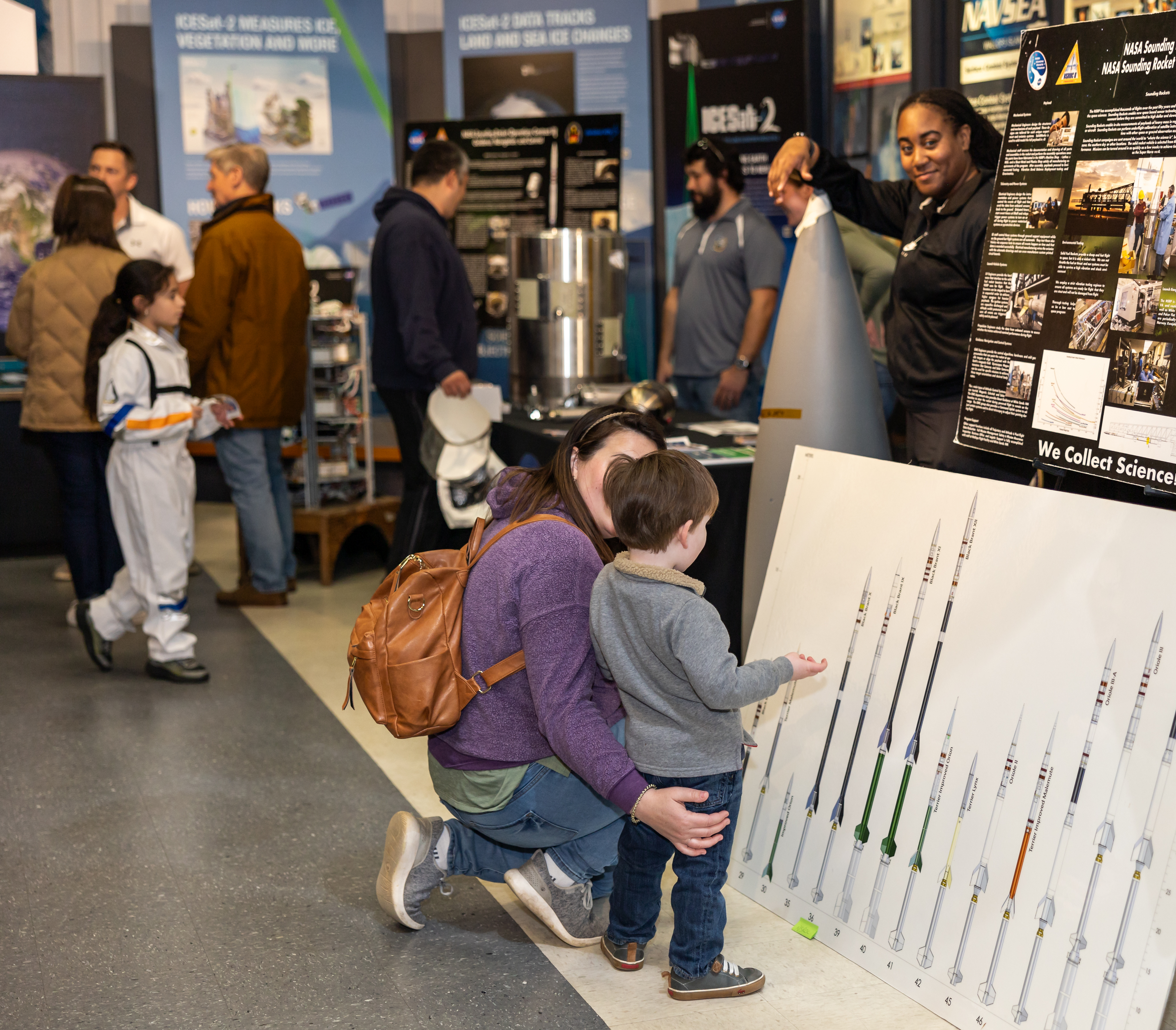
To enhance your self-guided experience, our staff and volunteers will occasionally conduct special “pop-up” programs and activities for guests of all ages to explore science topics and NASA missions. All experiences are free of charge.
Gallery Programs
Look for an informal educator and our curiosity cart in the main exhibit hall to complete a challenge or engage in fun, hands-on science demonstrations.
Science On a Sphere Solar System Tour
Take a self-guided tour of our local solar system and explore past, present, and future NASA planetary missions.
Special Events and Programs
Join us in one of our upcoming events or programs to explore a special STEM topic. All programs are free; those requiring advanced registration will be noted in the event description.
October
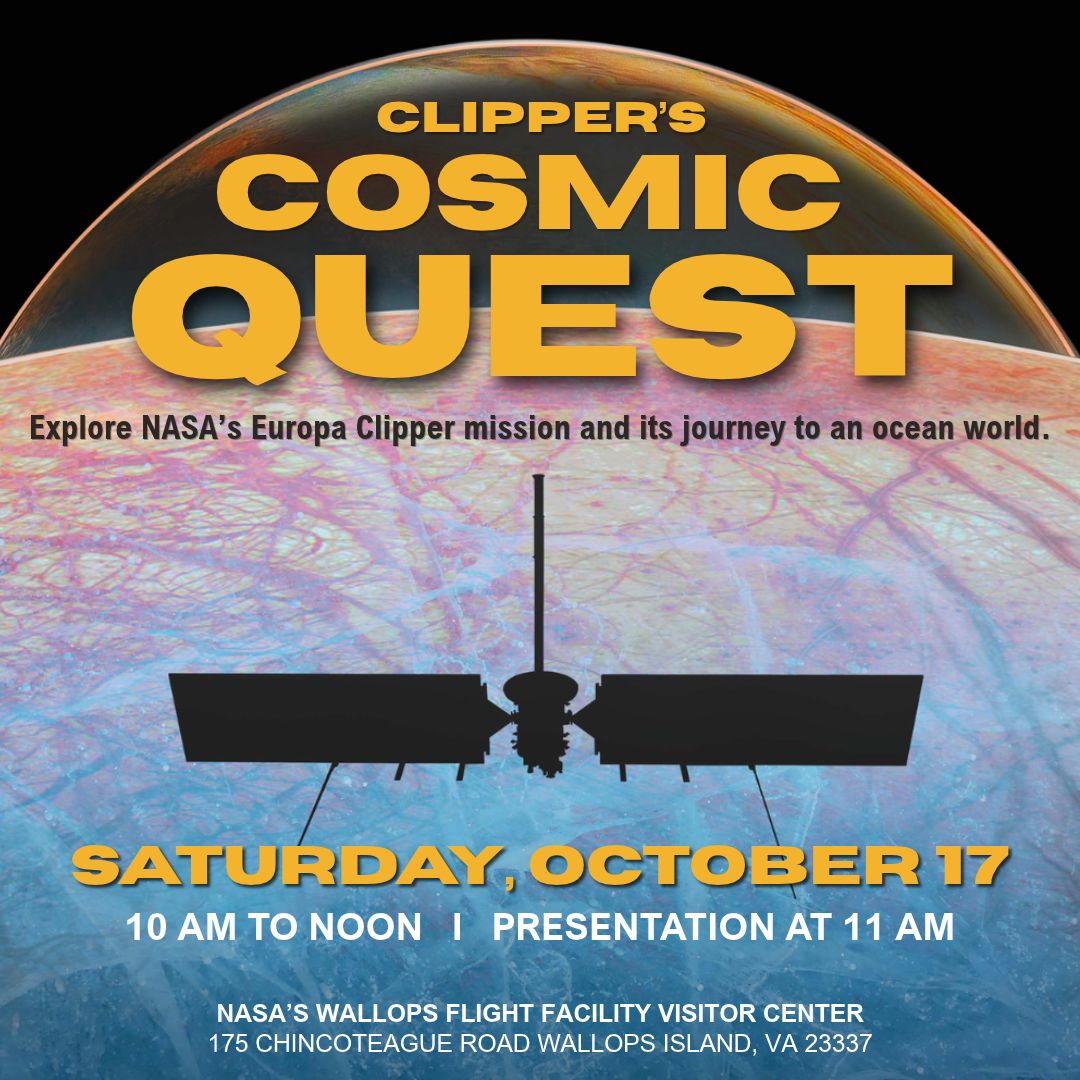
Clipper’s Cosmic Quest
Saturday, Oct. 17, 10 a.m. to 12 p.m. with a presentation at 11 a.m.
What would you find if you could explore an ocean hidden beneath the ice of another world?
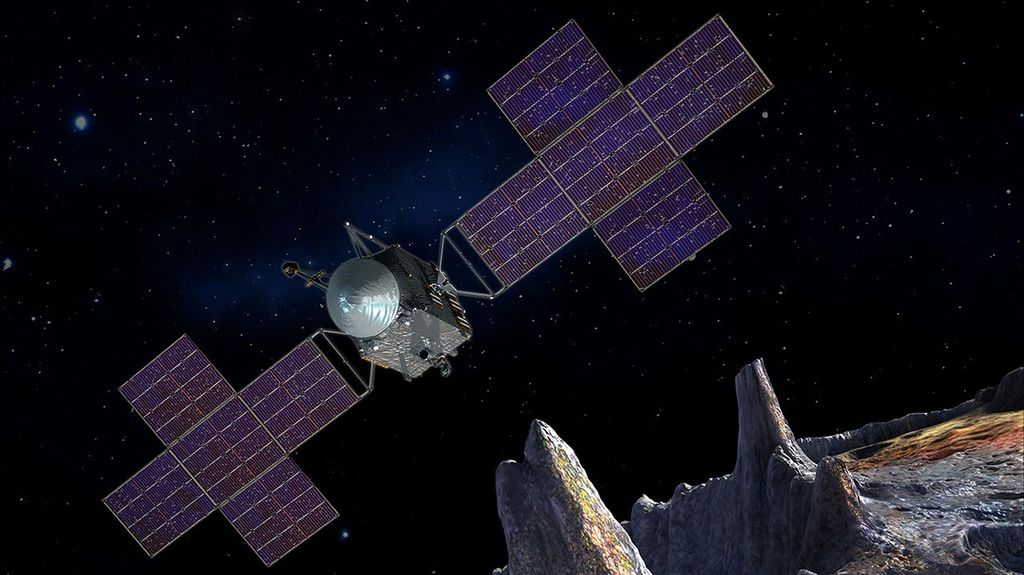
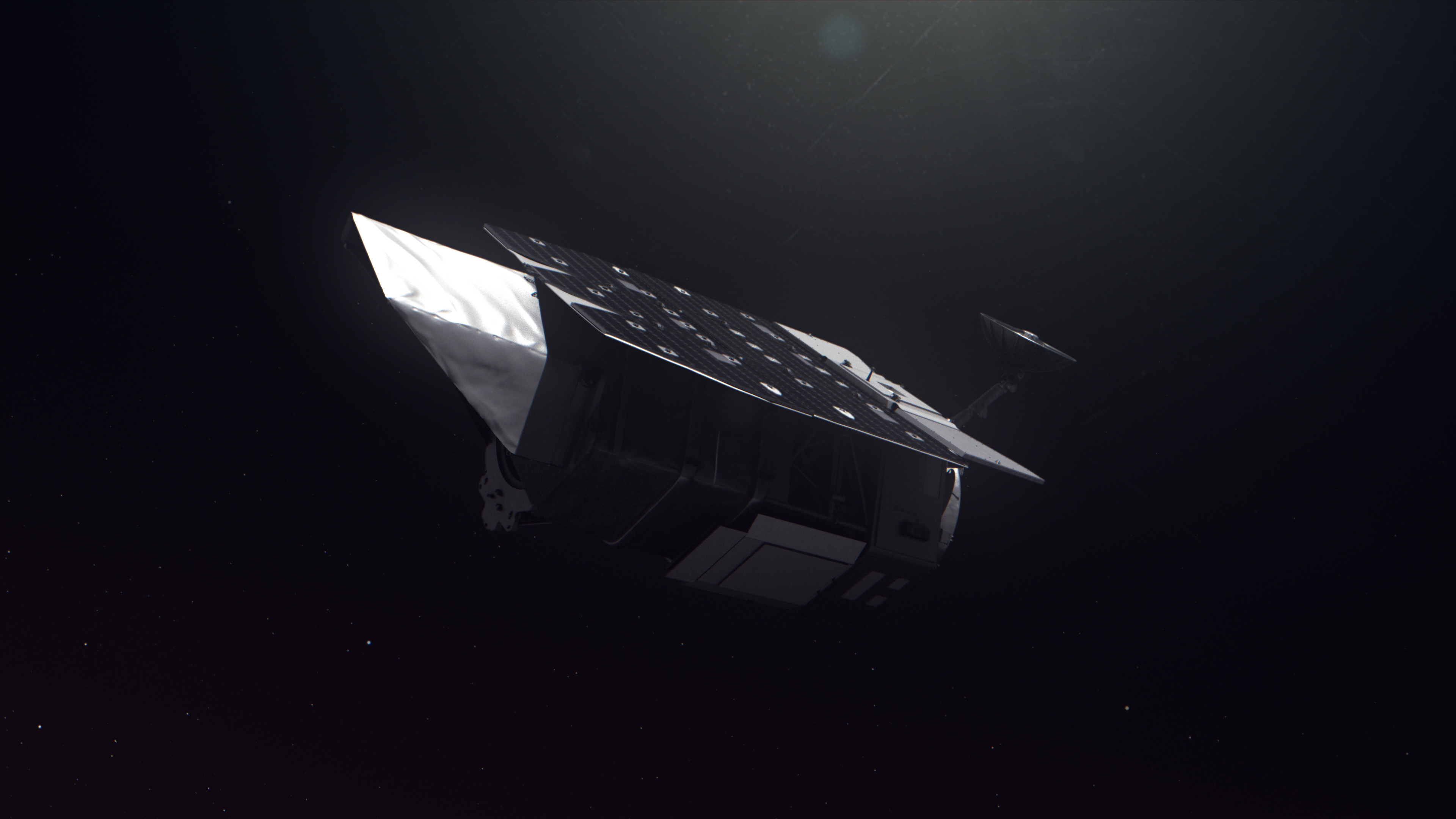
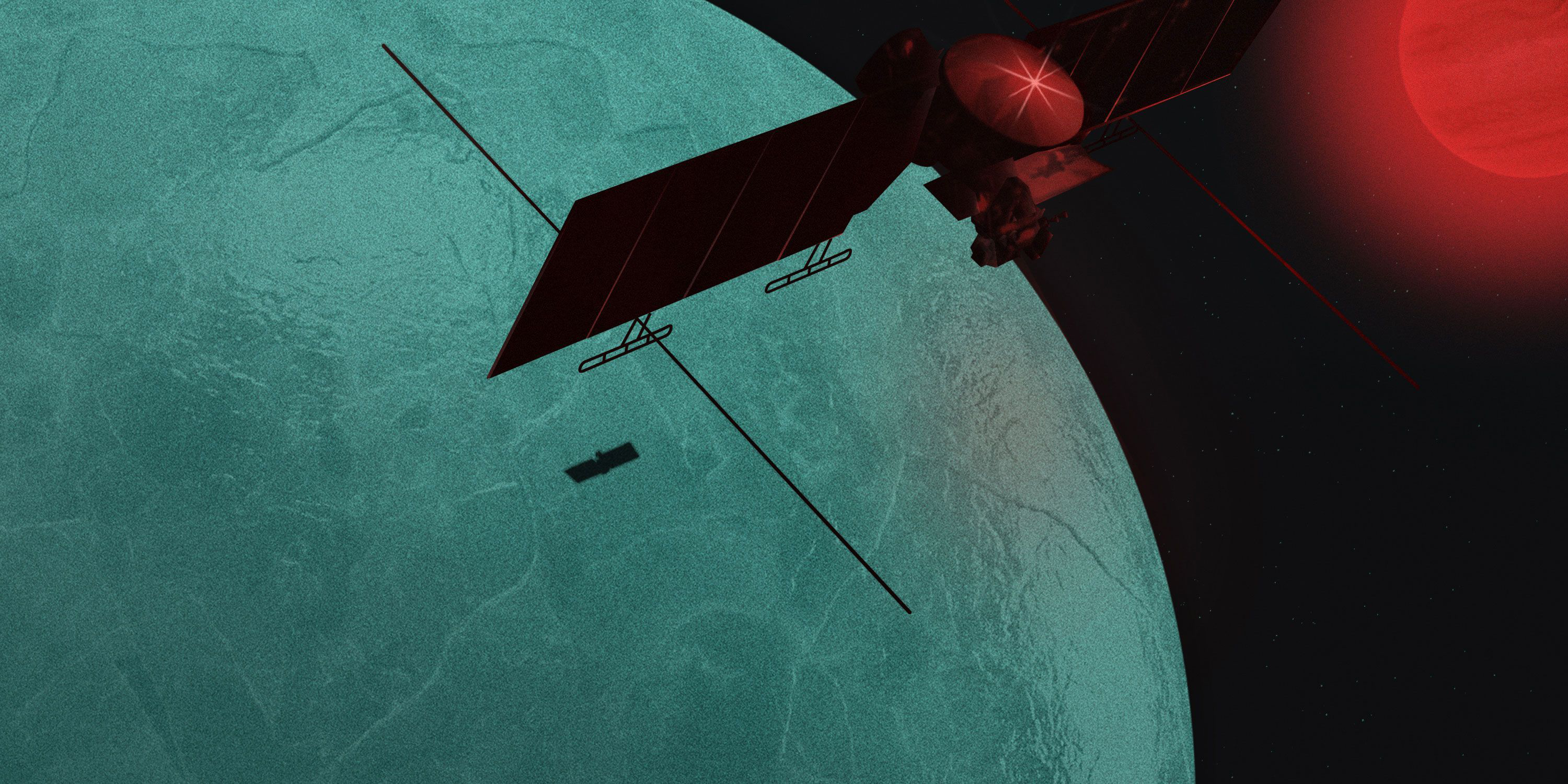
Join us for Clipper’s Cosmic Quest, Saturday, Oct. 17 from 10 a.m. to noon, and discover the incredible journey of NASA’s Europa Clipper mission.
Getting to another world takes time and a lot of careful planning. Europa Clipper is nearly two years into its roughly 1.8 billion-mile journey to Jupiter’s icy moon, Europa, following a carefully planned trajectory that includes gravity assists along the way.
We’ll trace Europa Clipper’s path from its launch at Kennedy Space Center to its eventual arrival at Jupiter in 2030, while looking ahead to the spacecraft’s close encounters with Europa and the ocean believed to lie beneath its icy surface. Could Europa have the conditions needed to support life?
Come explore this exciting mission with us!
November
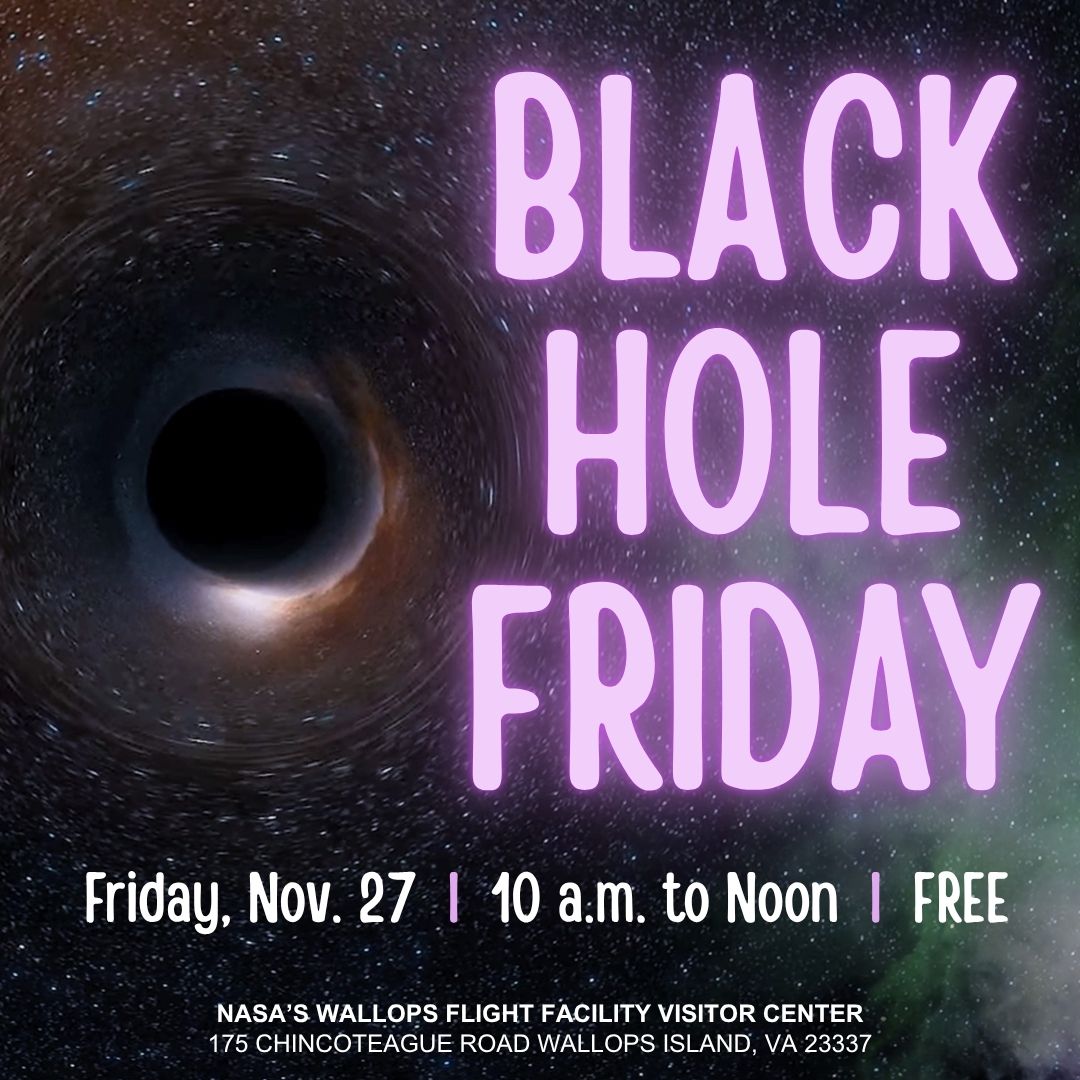
Black Hole Friday
Friday, Nov. 27, 10 a.m. to 12 p.m.
Make your Black Friday a little more out of this world!
Join us Friday, Nov. 27 from 10 a.m. to noon for Black Hole Friday—where the universe steals the show from the annual shopping frenzy!
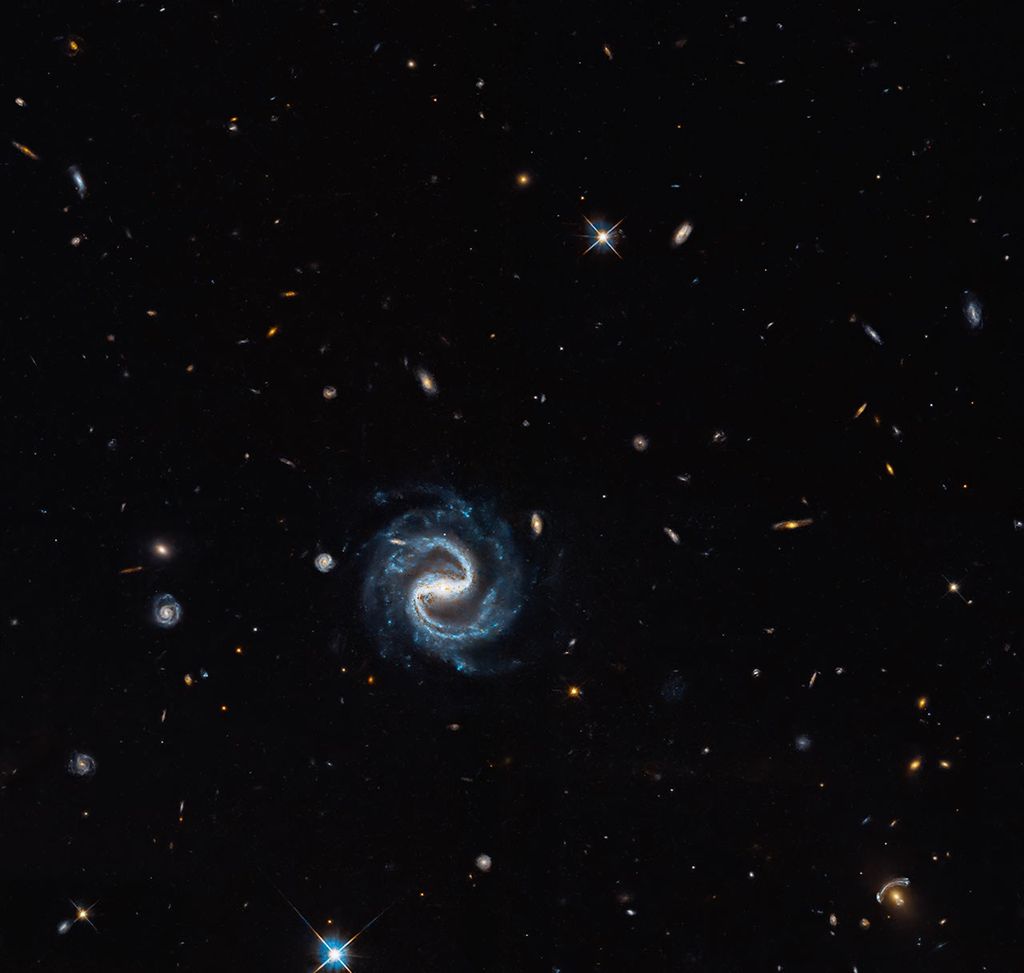
Get ready to dive into the weird, wild world of black holes with videos, hands-on activities, and our black hole field guides.
- What goes in doesn’t always come back out! Discover out how black holes can gobble up everything around them — even light.
- Things get seriously twisted! Explore how these cosmic giants warp space and time.
- Talk about going out with a bang! Find out how massive stars meet their spectacular end.
- Einstein called it! See how scientists have observed some of the universe’s strangest phenomena and confirmed predictions from his groundbreaking theories.
Come curious, leave captivated, and discover a universe that can be even stranger than science fiction! This free program is perfect for curious minds of all ages.