












This post was written prior to a reorganization of ESC’s projects and networks in support of the agency’s commercialization efforts. Though accurate at the time of publication, it is no longer being updated and may contain outdated information. For more information about the current projects, click here.
Employee Spotlight: Jacob Silva

Flashback to 2009 in Las Cruces, New Mexico: Jacob Silva, a NASA employee at White Sands Complex, sees a Boeing 747 fly over. It’s a monumental moment in Silva’s career; the plane is carrying the Space Shuttle Endeavor on its back.
The flyover was a gesture of appreciation for the people who support NASA’s Tracking and Data Relay Satellite (TDRS) constellation and their contributions to the success of the Space Shuttle Program.
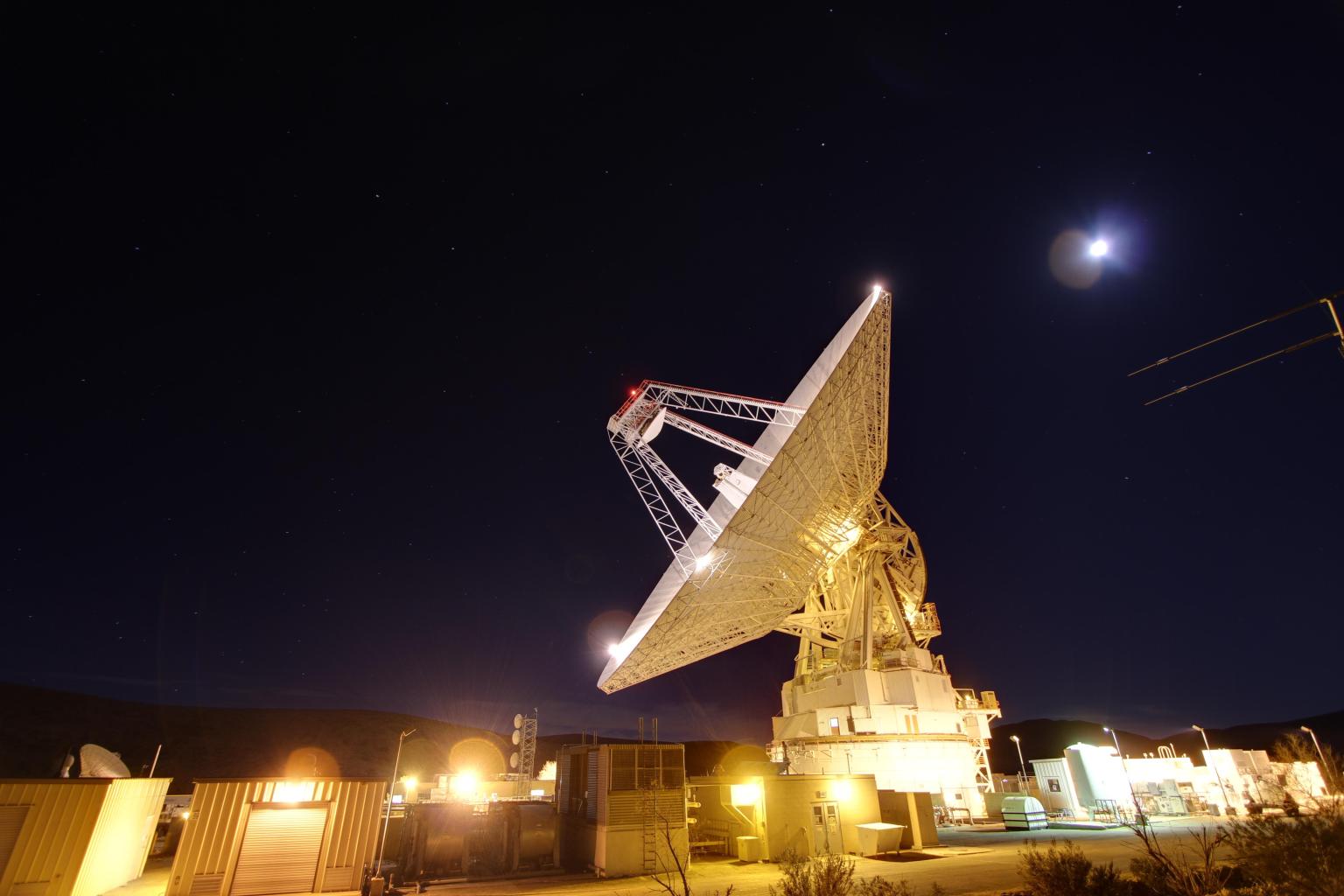
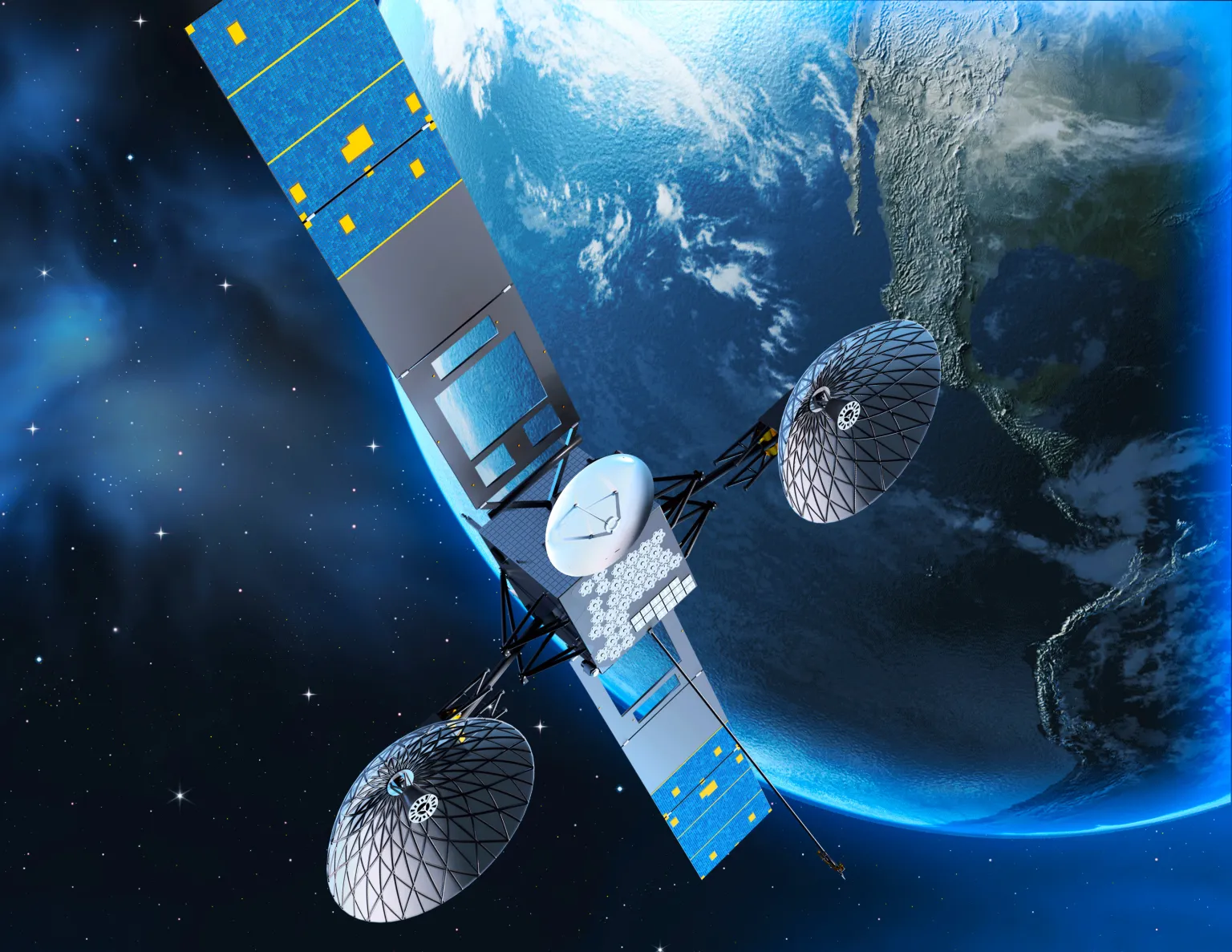
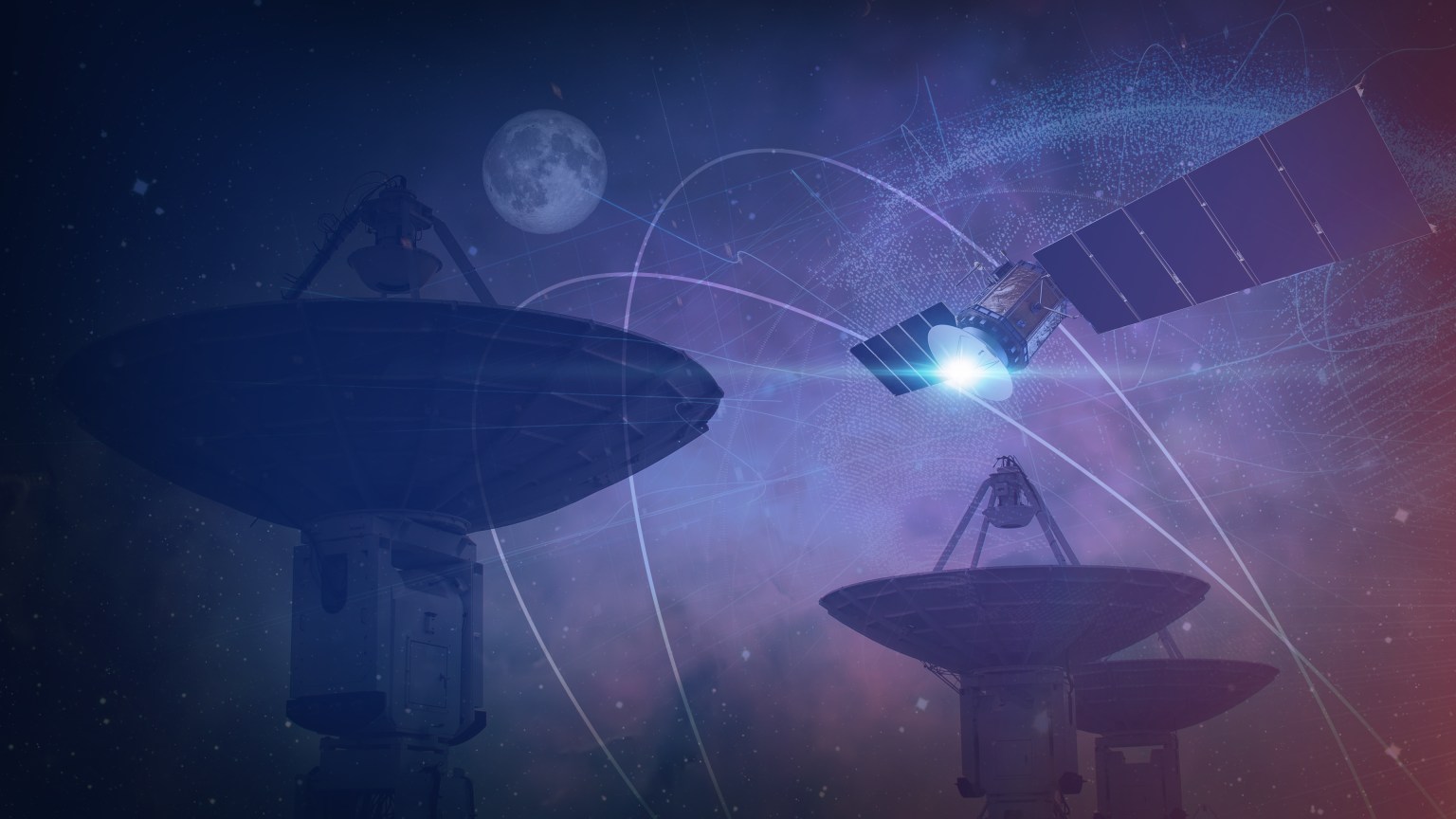
Today, Silva serves as site manager for NASA’s White Sands Complex, overseeing the operations of the Near Space Network’s TDRS fleet. These seven space relays enable spacecraft in low Earth orbit to send data from one satellite to the next, allowing for more flexible coverage if a satellite does not have clear view of a ground antenna on Earth.
Prior to the TDRS constellation, several ground stations across the globe provided space communications services. However, these ground stations could only connect to spacecraft for a limited amount of time. With the advent of the Space Shuttle Program, TDRS was born to provide reliable, near-continuous global communications coverage for near-Earth users. For over 40 years, the Near Space Network’s TDRS fleet has provided communications and navigation support to user missions, bringing science and exploration data home.
We make sure that we supply reliable communications at a very high level. Our goal is to provide services 99.9% of the time. Every day we ensure our system is stable and operating in a manner that allows astronauts to communicate whenever needed.

Jacob Silva
Site Manager, NASA's White Sands Test Facility
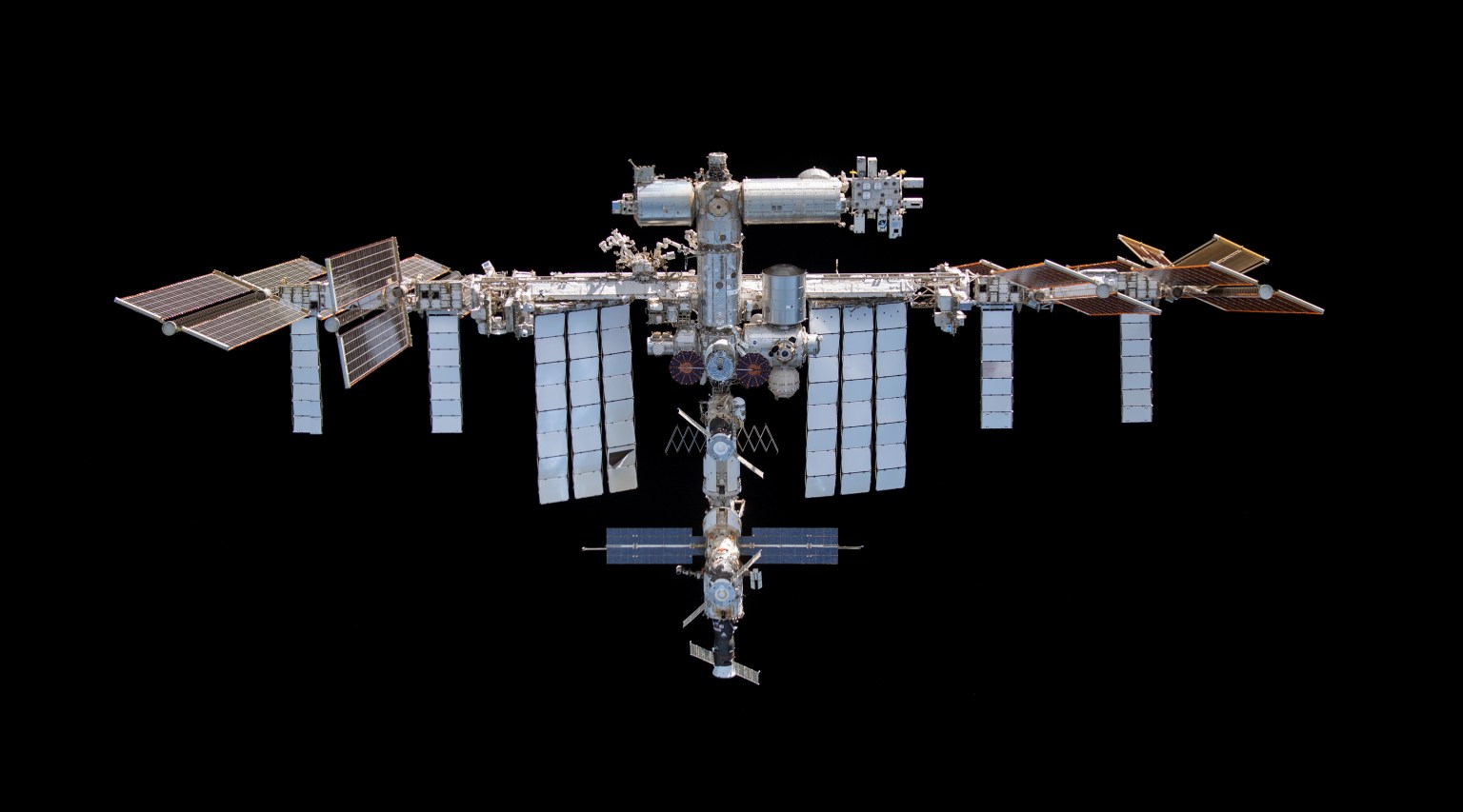
Silva’s passion for technology began at an early age. Knowing that he wanted a career in computers, Silva pursued a major in business computer systems at New Mexico State University. While still in college, Silva joined NASA as a software engineering intern. Since 1983, Silva and his team have ensured the safety of crewed and uncrewed spacecraft, securing the transfer of vital communication data between the spacecraft and mission control facilities at NASA’s White Sands Complex. Some of the missions TDRS supports include the International Space Station, the Hubble Space Telescope, and several commercial missions.
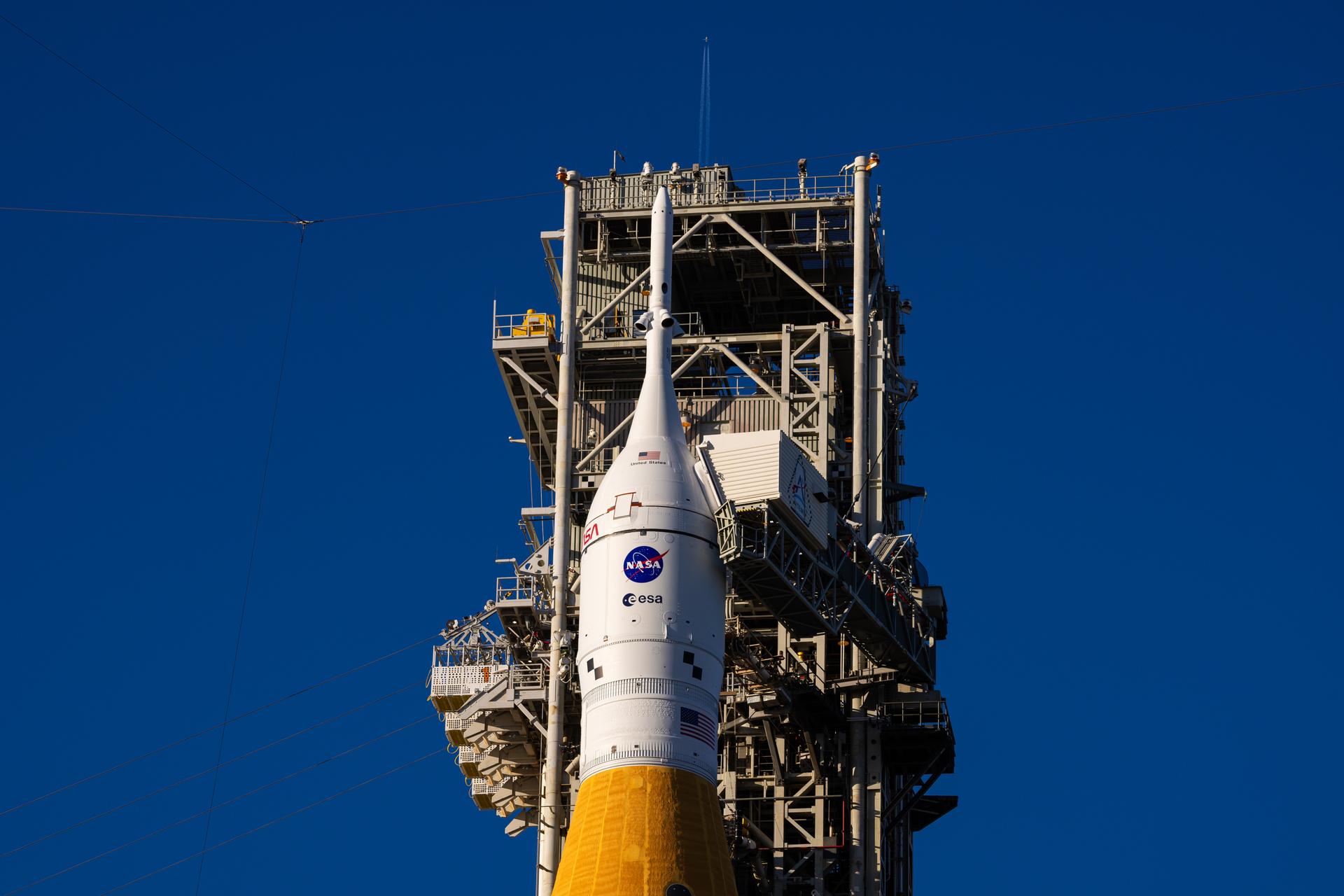
Silva and his team also play a key role in current and future lunar missions. The TDRS constellation supported the early orbit communications path of the Artemis I mission, the first in a series of missions to reestablish human exploration of the Moon. The system will again play a major role in the Artemis II mission, scheduled to launch in 2025, during launch, reentry, and splashdown.
“Our team at the White Sands Complex operates TDRS, but we are also in the process of putting up a lunar exploration ground antenna. While it won’t be a part of the relay system, the antenna will directly communicate with missions at the Moon, including Gateway the first lunar orbiting space station,” Silva added.
While reflecting on his 20-year career, Silva said it was a privilege to contribute to so many NASA milestones.
My favorite things about being part of NASA are the missions and the people I work with. Those two things are near and dear to my heart.
Jacob Silva
Site Manager, NASA's White Sands Test Facility
Outside of work, Silva’s enjoys spending his weekends at his children’s sports events, cheering on his 16-year-old daughter in volleyball and 12-year-old son at baseball games.