





















Suggested Searches

Watch the Skies

    It’s Fireball Season! Answering Your Meteor Questions 
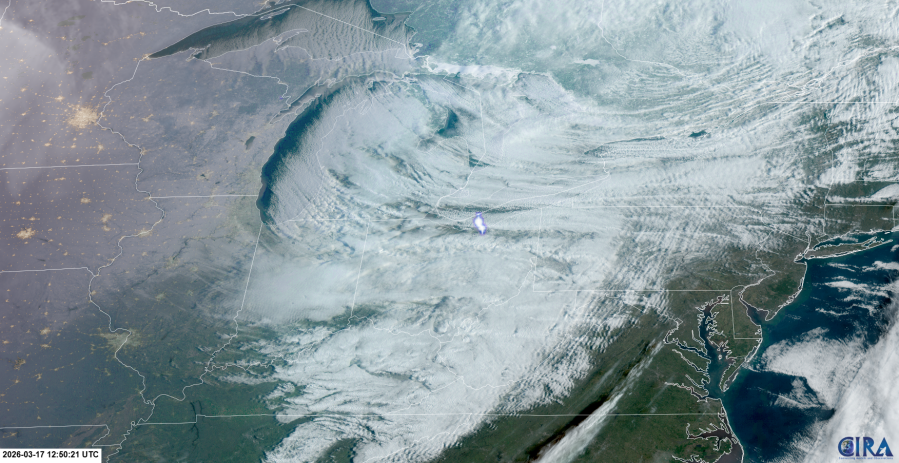
    A very bright daytime fireball was observed by witnesses from the northeast U.S. and Canada the morning of March 17, 2026. The fireball - caused by a small asteroid nearly 6 feet in diameter and weighing about 7 tons - moved southeast at 45,000 mph before fragmenting over Valley City. The fragments continued on to the south, producing meteorites in the vicinity of Medina County, Ohio.

    Sometimes, space comes to us! Texas, Ohio, California, Michigan – these are just a few of the states where folks have recently seen the skies illuminate with bright streaks of light. For those lucky enough to spot a fireball, or “shooting star,” the moment can feel awe-inspiring and exciting, and many of you have been sharing stunning visuals from these events. At NASA, where watching the skies is part of our everyday mission, we’ve noticed […]

    Read Full Post

    NASA Marshall Lunar, Meteor Observatory Marks 20 Years of Discovery

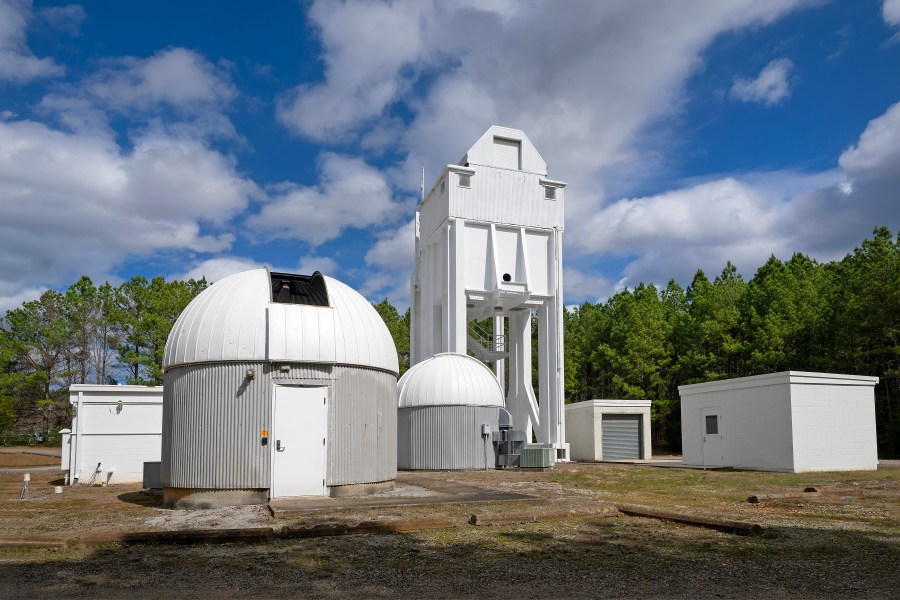
    The Automated Lunar and Meteor Observatory, or the ALaMO, at NASA’s Marshall Space Flight Center features two observatory domes, a 15-meter (50-foot) tower with a roll-off roof, and an operations center with laboratory space, enabling coordinated and repeatable observations.

    For two decades, NASA’s Automated Lunar and Meteor Observatory has helped scientists track meteors, observe impacts on the Moon, and better understand the space environment future explorers will face. For a fraction of a second, a tiny rock traveling through space can strike the lunar surface or streak across the sky producing a brief burst […]

    Read Full Post

    Most Notable 2026 Astronomical Events: A Year of Watching the Skies

    This year will be busy for avid skywatchers, with some incredible opportunities to view meteor showers, planets, and the Moon in the night sky. In 2026, we will also mark the 20th anniversary of NASA Marshall Space Flight Center’s Observatory. Originally established as an engine test site in 1958, it was converted to a solar […]

    Read Full Post

    Bright Moonlight Could Interfere with View of Perseids’ Peak

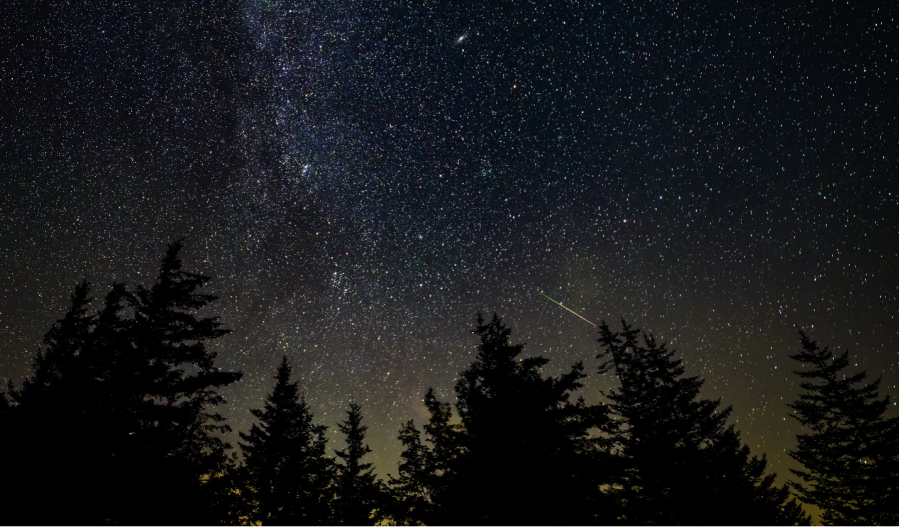
    A thin streak of green and pink light amid a night sky full of stars. The tops of trees can be seen along the bottom of the image.

    By Jessica Barnett The Perseids remain one of the best meteor showers each year, but stargazers will have to deal with another bright object in the sky obscuring their view as the shower reaches its max in 2025. A waning gibbous Moon will brighten the skies as it rises on the nights of Aug. 12 […]

    Read Full Post

    Aquariids May Be More Sprinkle Than Sparkle on July 30 Peak

    A wisp of light quickly appears and disappears centered within a moving target over a dark background

    Heads up, skywatchers! The Southern delta Aquariid meteor shower peaks the night of July 30 into the early morning hours of July 31. But before you grab your blanket and bug spray, let’s dial things in a bit. At NASA, we love a good meteor shower – we have cameras dedicated to watching them! But we also love […]

    Read Full Post

    Eta Aquariid Meteor Shower To Peak Night of May 5

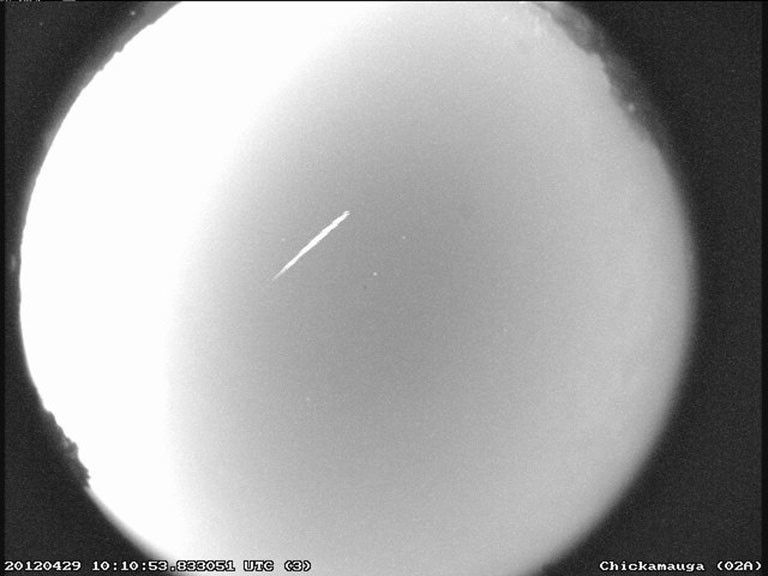
    A streak of white light is shown in a circle.

    By Wayne Smith Ahh, spring. Trees are budding, flowers are blooming. Birds are singing and baseball is back. As the old English proverb says, April showers bring May flowers. And skywatchers will soon have an additional reason to enjoy nature’s regeneration – the Eta Aquariid meteor shower, which will streak across the night sky following […]

    Read Full Post

    NASA: Tune in for the Lyrids Meteor Shower, Peaking April 21-22

    By Wayne Smith The Lyra constellation in the Northern sky is known as a memorial to music thanks to being named after the lyre, a musical instrument similar to a harp. The small constellation is also the namesake from where the annual Lyrids meteor shower radiates. The Lyrids are expected to peak on the night […]

    Read Full Post

    It’s an Asteroid, it’s a Comet, it’s the Geminids Meteor Shower!

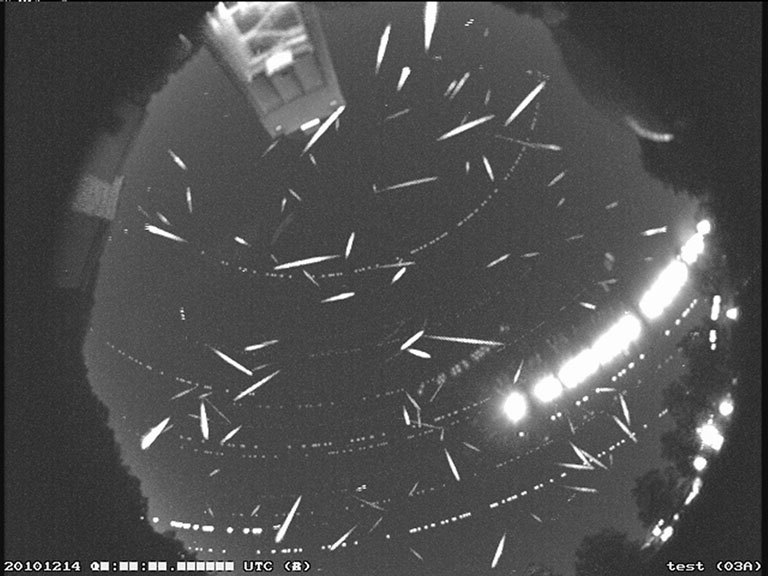
    An outdoor black and white camera shows a multitude of streaks of white light from more than 100 meteors in 2014.

    By Serena Whitfield The Geminids meteor shower is back for its annual December show of beautiful bright and fast meteors. The Geminids, which will peak on the night between Dec 13–14 in 2024, is considered to be one of the best and most reliable annual meteor showers. Where Did the Geminids Originate and What Makes …

    Read Full Post

Subscribe to this blog

Show Past Archives