










New Trio Gets Up to Speed With Station Life as Space Biology Continues
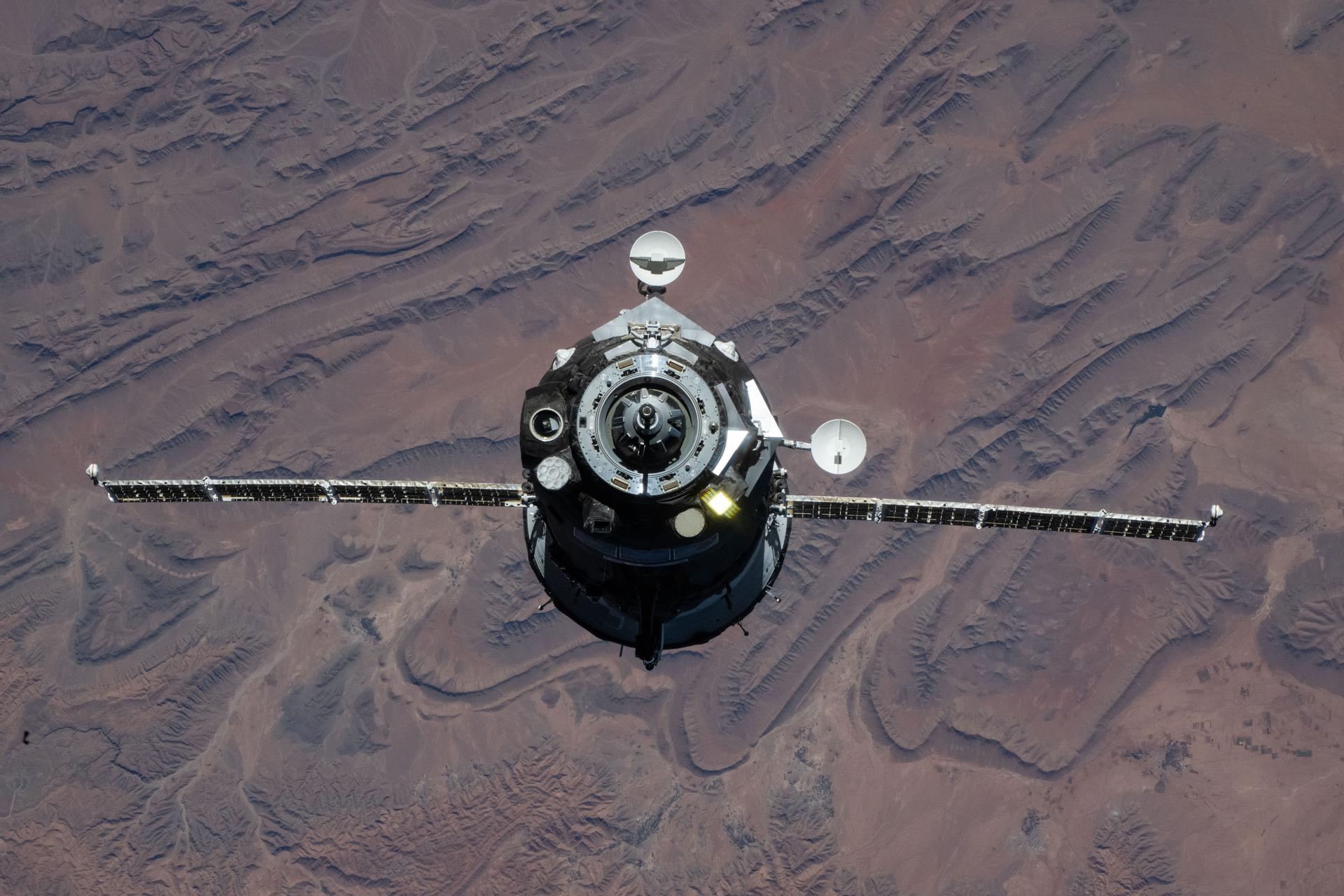
The International Space Station’s three newest crewmembers are getting used to living and working in microgravity. The rest of the Expedition 73 crew assisted the new trio while continuing an array of space biology research and orbital maintenance on Tuesday.
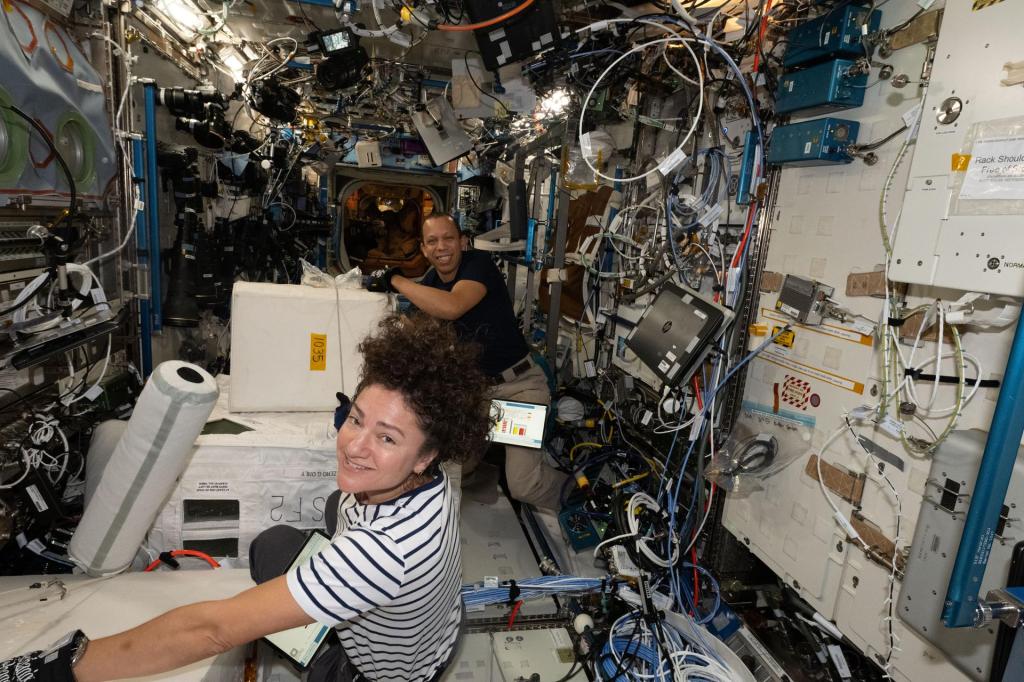
New Flight Engineer Chris Williams from NASA spent his shift on a variety of cargo and maintenance activities as he gets up to speed with life in weightlessness. The first-time space flyer joined veteran NASA astronaut Mike Fincke inside the Cygnus XL space freighter unpacking new science experiments and crew supplies and learning where to stow and how to organize the cargo throughout the station. He also joined NASA Flight Engineer Jonny Kim and inspected and cleaned the Enhanced European Exploration Exercise Device (E4D) located in the Columbus laboratory module. The E4D is being tested on the orbital outpost for its ability to provide bicycling, rowing, and resistance exercises to protect a crewmember’s muscles, bones, and heart health in microgravity.
Roscosmos Flight Engineers Sergey Kud-Sverchkov and Sergei Mikaev, who launched to space with Williams on Nov. 27 aboard the Soyuz MS-28 crew spacecraft, took turns wearing sensors and cuffs measuring how their microcirculatory system is adapting to low Earth orbit. The cosmonauts also collected their blood and saliva samples for processing, stowage, and analysis. Kud-Sverchkov, whose first spaceflight was on Oct. 14, 2021, also recorded his breathing rate and familiarized himself with station systems. Mikaev learned how to operate the advanced resistive exercise device (ARED), located in the Tranquility module, with assistance from veteran JAXA (Japan Aerospace Exploration Agency) astronaut Kimiya Yui.
Fincke also checked out hardware that analyzes oxygen and carbon dioxide in the station’s environment and compared it to readings from other analytical devices. Kim photographed CubeSats that were deployed into Earth orbit from the NanoRacks CubeSat deployer for space technology research. Yui photographed and inspected biomedical hardware including ultrasound gear that uses augmented reality software and a muscle measurement device.
NASA Flight Engineer Zena Cardman started her shift working out on the ARED and exercise cycle while wearing the Bio-Monitor outfit consisting of a sensor-packed vest and headband that tracked her aerobic and cardiovascular activity. Next, she processed and stowed scientific samples in a science freezer for the CIPHER human research study that tracks an astronaut’s health before, during, and after a space mission.
The next crew to return to Earth — Kim and Roscosmos cosmonauts Sergey Ryzhikov and Alexey Zubritsky — is due to undock from the Rassvet module inside the Soyuz MS-27 crew spacecraft on Dec. 8. The trio will parachute to a landing inside the Soyuz descent module in Kazakhstan about three-and-a-half hours later ending an eight-month-long space research mission. Kim spent about an hour on Tuesday packing his personal items for return inside the Soyuz while Ryzhikov and Zubritsky practiced Soyuz descent maneuvers ahead of their departure. The two cosmonauts also tested the lower body negative pressure suit that may help their bodies adjust quicker to Earth’s gravity.
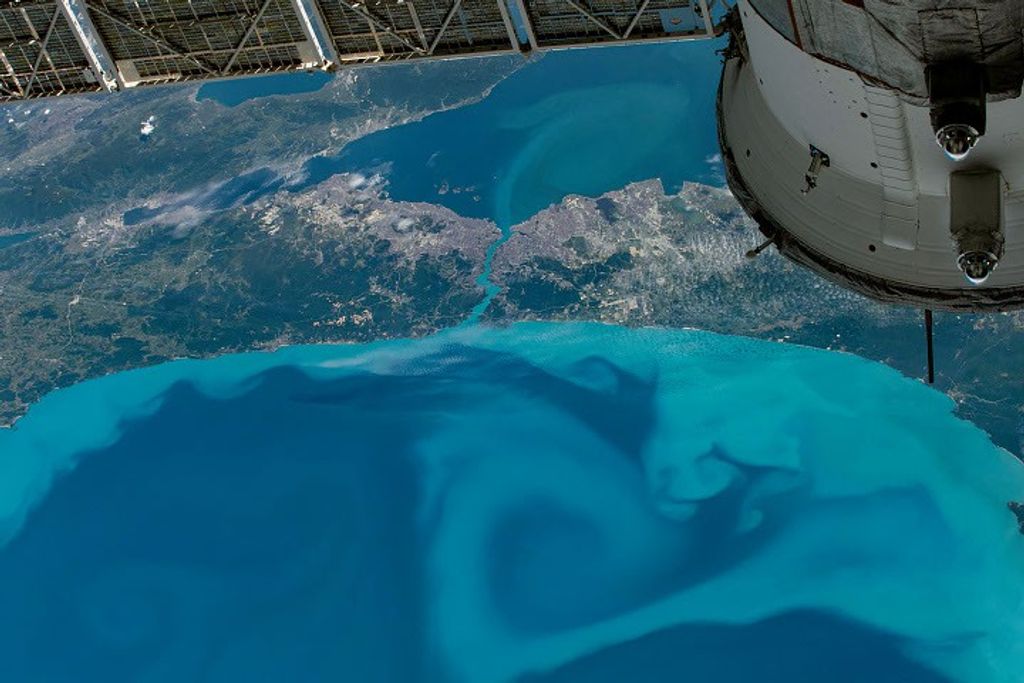
Roscosmos cosmonaut Oleg Platonov assisted his two crewmates with the lower body negative pressure suit operations. He also spent some time photographing other crew activities going on aboard the station before configuring a camera to automatically photograph Earth landmarks during the crew’s sleep period.
Learn more about station activities by following the space station blog, @space_station on X, as well as the ISS Facebook and ISS Instagram accounts.
Get the latest from NASA delivered every week. Subscribe here.
