



Suggested Searches

Blogs

  • CYGNSS a Team Effort

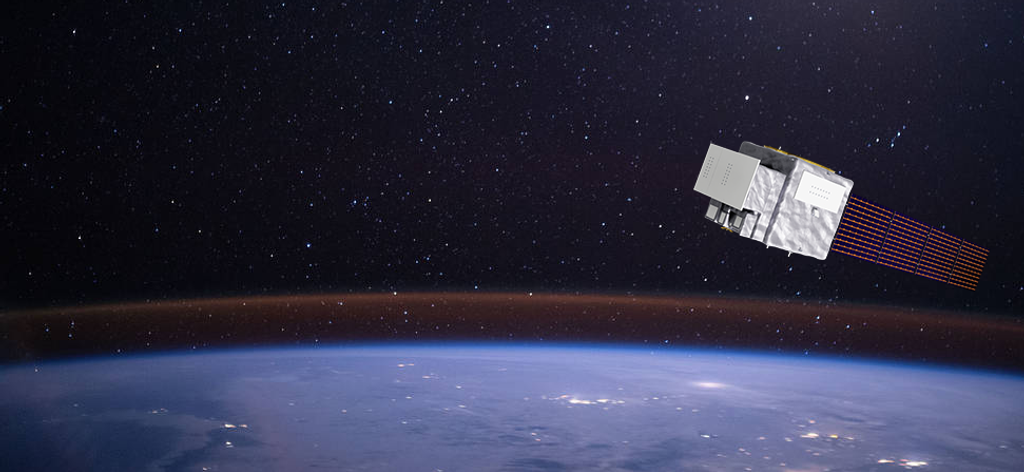
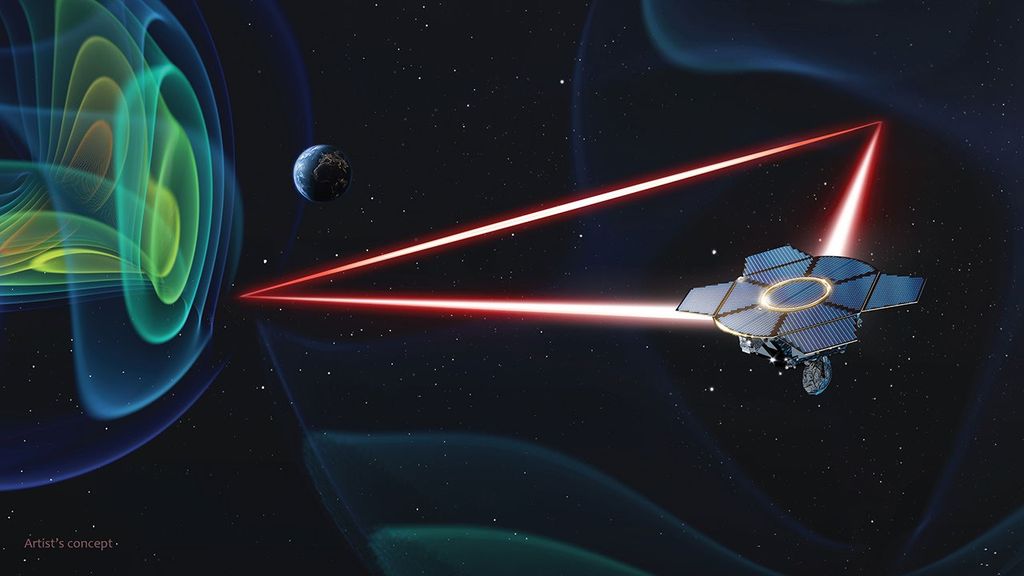
    Teams from a variety of organizations within NASA, academia and industry are responsible for bringing the Cyclone Global Navigation Satellite System mission to fruition. The Space Physics Research Laboratory at the University of Michigan College of Engineering in Ann Arbor leads overall mission execution in partnership with the Southwest Research Institute in San Antonio, Texas. …

  • Climb/Cruise Checklist

    The flight crew aboard the Stargazer is working through its climb/cruise checklist as it sets off toward the proper location and altitude to deploy the Pegasus XL rocket for launch at 8:35 a.m.

  • F-18 Chase Plane Takes Off

    The NASA F-18 chase plane has taken off from the Skid Strip at Cape Canaveral Air Force Station in Florida. It will be followed a few minutes from now by the Stargazer aircraft carrying the Pegasus XL rocket and, sealed inside the rocket’s payload fairing, the CYGNSS payload.

  • Chase Plane Moving to Runway

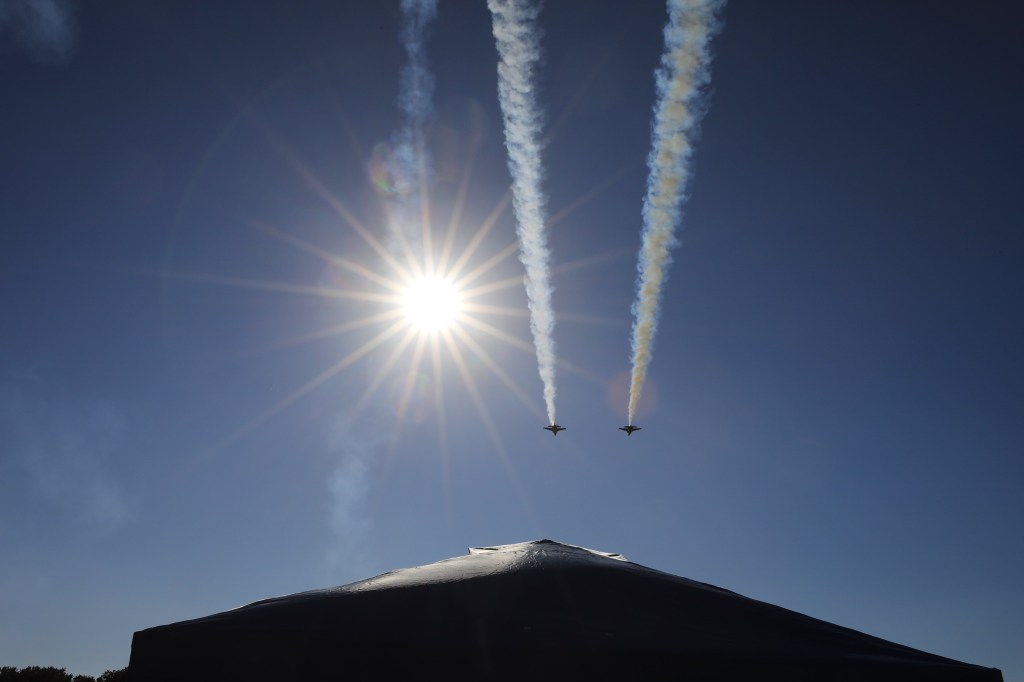
    The NASA F-18 clase plane that will provide visual contact and video of the L-1011 and Pegasus XL rocket once they’re airborne is taxiing into position for takeoff from the Skid Strip runway at Cape Canaveral Air Force Station in Florida.

  • Stargazer on the Move

    The Orbital ATK Stargazer L-1011 aircraft is taxiing to the end of the runway at the Skid Strip in preparation for takeoff. The F-18 chase plane should follow shortly.

  • Air-Launched Pegasus XL a Unique Launch System

    The three-stage, all-solid-fueled Orbital ATK Pegasus XL rocket is the only airborne, commercially developed launch vehicle. At 55 feet long, if stood on its end it would be about half the height of the Statue of Liberty. Its 39,000-foot deployment altitude is 10,000 feet higher than Mount Everest, the highest point on Earth – and …