















Suggested Searches

Blogs

  • Pegasus XL Second and Third Stages Do Their Jobs

    Following first stage separation, the second stage motor ignited 1 minute and 34 seconds after launch, burning for 1 minute, 14 seconds before shutting down and separating. At 7 minutes, 18 seconds after launch, the third stage engine ignited and will burn for 1 minute and 9 seconds.

  • And Drop! NASA’s ICON is on Its Way

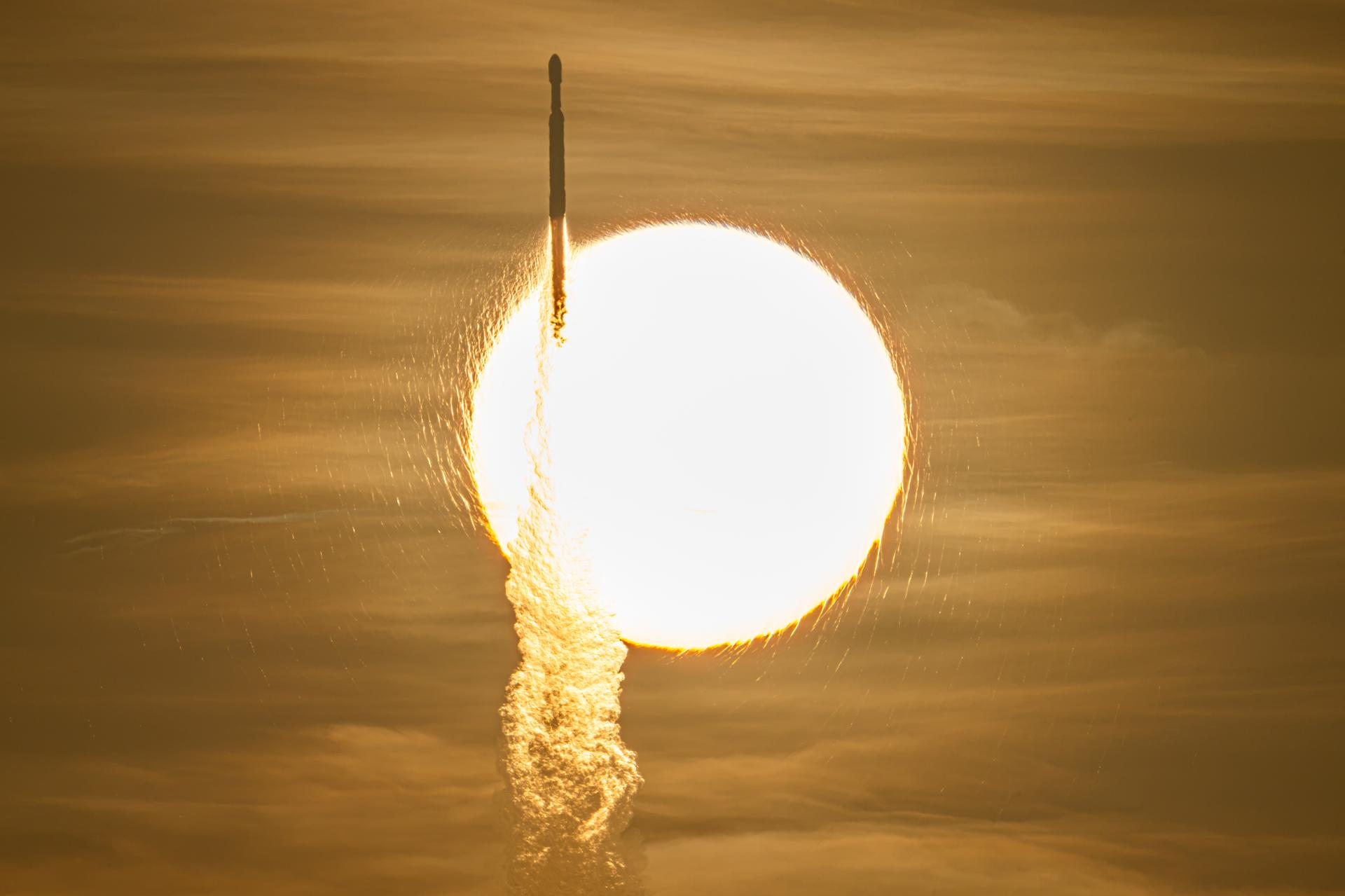
    We have ignition! Northrop Grumman’s Pegasus XL rocket is delivering ICON, NASA’s Ionospheric Connection Explorer satellite, on its journey to the boundary between Earth and space where terrestrial weather from below meets space weather from above. After reaching 39,000 feet, the rocket was dropped from the underside of the Northrop Grumman L-1011 Stargazer aircraft about …

  • Stargazer Gearing up for Second Drop Attempt

    Northrop Grumman’s L-1011 aircraft, Stargazer, is making its way back to the drop box – a 40-mile long area that the company’s Pegasus XL rocket can be dropped in. Secured in the rocket’s payload fairing in NASA’s Ionospheric Connection Explorer (ICON) – a satellite developed to study the Earth’s ionosphere, where terrestrial weather from below meets …

  • First Launch Opportunity Waved off Due to Aircraft Communication Issues

    The first launch opportunity of a Pegasus XL rocket, carrying NASA’s Ionospheric Connection Explorer (ICON), was skipped due to communication issues between the ground team at Cape Canaveral Air Force Station in Florida and Northrop Grumman’s L-1011 aircraft, Stargazer. The launch team is re-evaluating; the launch window remains open until 10:55 p.m. EDT.

  • Stargazer Enters the Drop Box

    Northrop Grumman’s Stargazer aircraft, carrying the company’s Pegasus XL rocket with NASA’s Ionospheric Connection Explorer (ICON), has entered the drop box – a 40-mile long area that the rocket can be dropped in. At this point, Stargazer has reached the required altitude of 39,000 feet. In just a few moments, the rocket will drop from …

  • ICON Launch Countdown Continues

    Follow along on NASA TV and the agency’s website for the live launch broadcast, happening now. Before NASA’s Pegasus XL rocket can carry the agency’s ICON satellite to low-Earth orbit, Northrop Grumman’s L-1011 Stargazer aircraft has to reach an altitude of 39,000 feet, which requires about an hour of flight time. Once there, Pegasus will …

  • Stargazer Aircraft Now Airborne

    Northrop Grumman’s Stargazer aircraft is airborne after taking off from the Skid Strip runway at Cape Canaveral Air Force Station. Stargazer is carrying the company’s Pegasus XL rocket – a small expendable rocket that is the only operational air-launched rocket in the world. Pegasus is attached beneath the aircraft and will be carried to an …

  • Stargazer Preparing for Takeoff

    Stargazer’s engines have powered up on the Skid Strip runway at Cape Canaveral Air Force Station in Florida. Takeoff is scheduled for 8:33 p.m. EDT. Stick with us here on the blog for live updates.

  • Stargazer Aircraft Carrying Pegasus XL Rocket Positioned for Takeoff

    A Northrop Grumman L-1011 Stargazer aircraft is positioned for takeoff from the Skid Strip runway at Cape Canaveral Air Force Station. Takeoff is scheduled for 8:33 EDT tonight. Attached to the aircraft is a Pegasus XL rocket, carrying NASA’s Ionospheric Connection Explorer, or ICON, satellite. Weather officials are predicting an 80% chance of favorable weather …

  • ISS Daily Summary Report – 10/10/2019

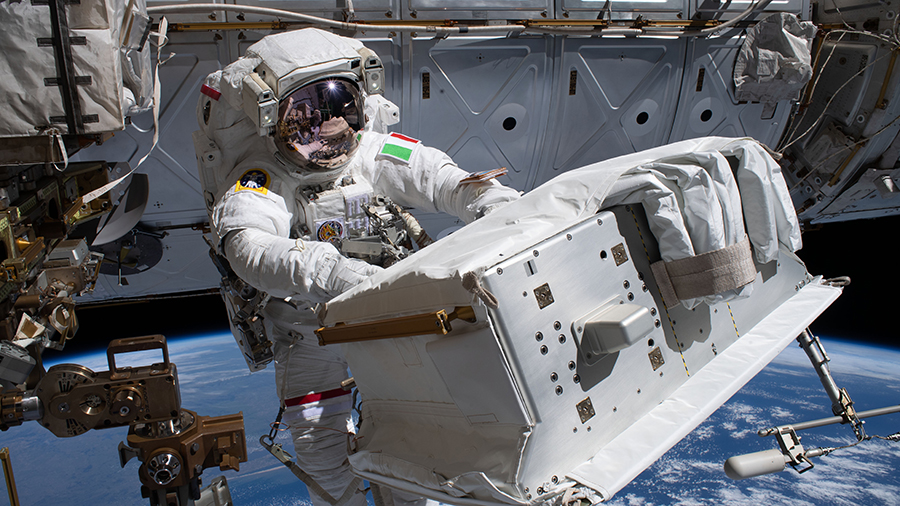
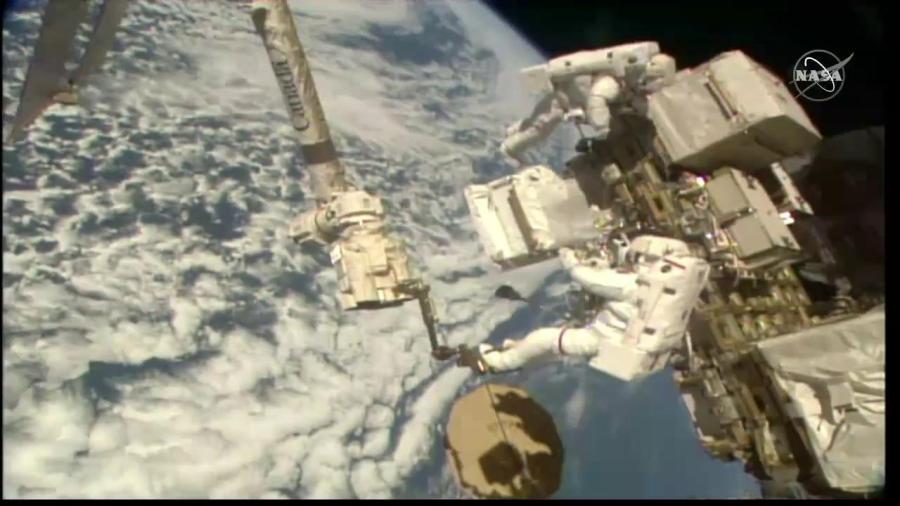
    P6 Battery Extravehicular Activity (EVA) #2 (US EVA#57) Preparations: Today, the ISS crew completed multiple road-to activities in preparation for the P6 Battery EVA that is planned for Friday, October 11.  The P6 Battery EVA#2 will focus on upgrading the Solar Array Channel 2B with a third and final Li-Ion battery.  Today’s preparations included the …