















Rodent Research-19 (RR-19): The crew Installed four Rodent Habitats into the Express racks 1 and 2A. This study uses rodent models on the ISS to investigate the potential benefits of targeting the myostatin (MSTN) and activin signaling pathways to prevent skeletal muscle and bone loss during spaceflight and on the recovery of muscle and bone …
Crew Unpacks New Science from U.S. and Russian Cargo Ships
Two new cargo spaceships are open for business at the International Space Station as a variety of new space research begins this week. The Expedition 61 crew has begun unpacking several tons new supplies from the U.S. and Russian space freighters. Russia’s Progress 74 cargo craft automatically docked to the station’s Pirs docking compartment at …
Russian Space Freighter Docks Automatically to Station
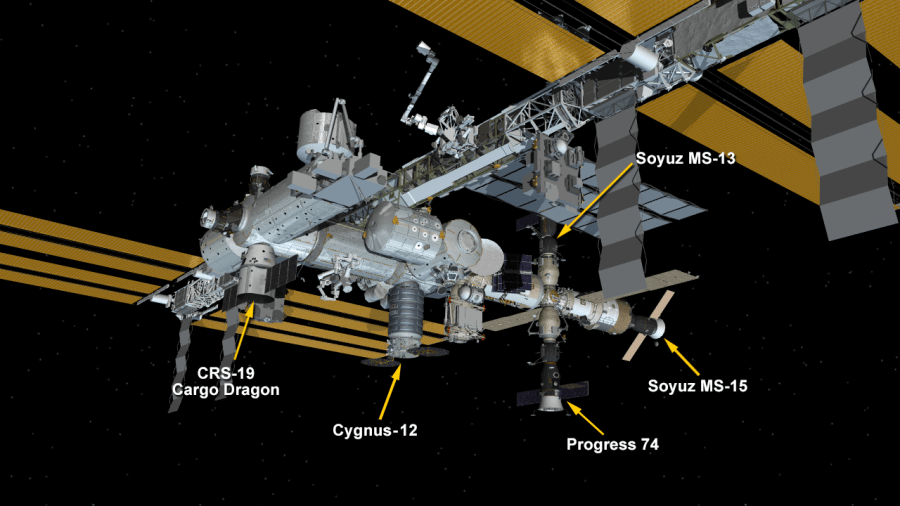
Traveling approximately 260 miles over the Yellow Sea east of Shanghai, the automated Russian Progress 74 cargo resupply spacecraft docked at 5:35 a.m. EST to the Pirs docking compartment on the Russian segment of the International Space Station. It is the second resupply spacecraft to arrive for the six crew members aboard the space station …
Russian Cargo Craft Arriving at Station Live on NASA TV
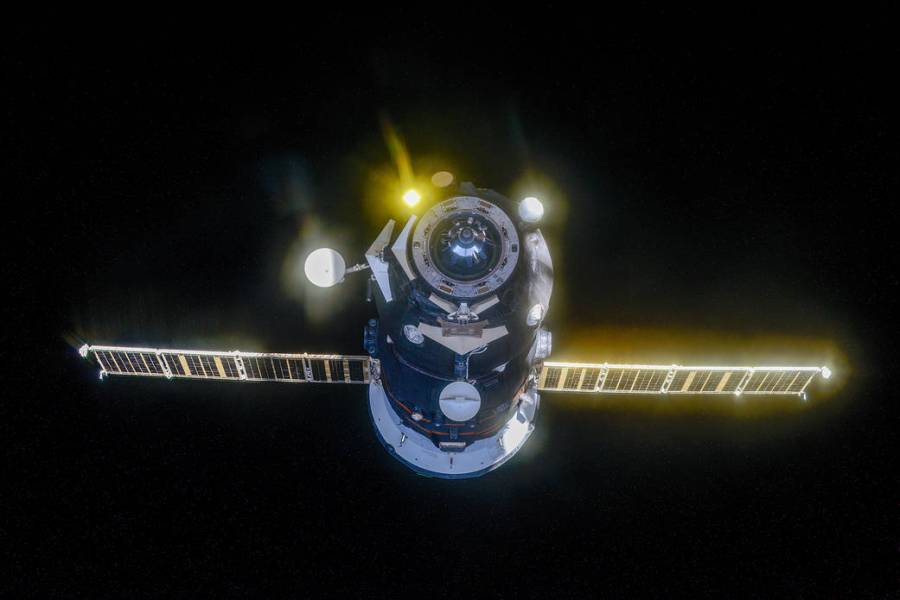
NASA Television and the agency’s website are now live broadcasting the expected arrival of a Russian Progress cargo spacecraft set to dock to the Pirs compartment on the International Space Station’s Russian segment at 5:38 a.m. The Progress 74 spacecraft is carrying almost three tons of food, fuel and supplies for the Expedition 61 crew aboard the …
ISS Daily Summary Report – 12/08/2019
Rodent Research-19 (RR-19): On Saturday, the crew performed the Life Science Glovebox setup in preparation for rodent research operations. The Rodent Research -19 investigation examines the Preclinical Evaluation of a Broad Spectrum Myostatin Inhibitor to Prevent Muscle and Bone Loss Due to Disuse in rodent models. Specifically, this study is gaining a better understanding of …
Dragon Attached to Station for Month-Long Stay
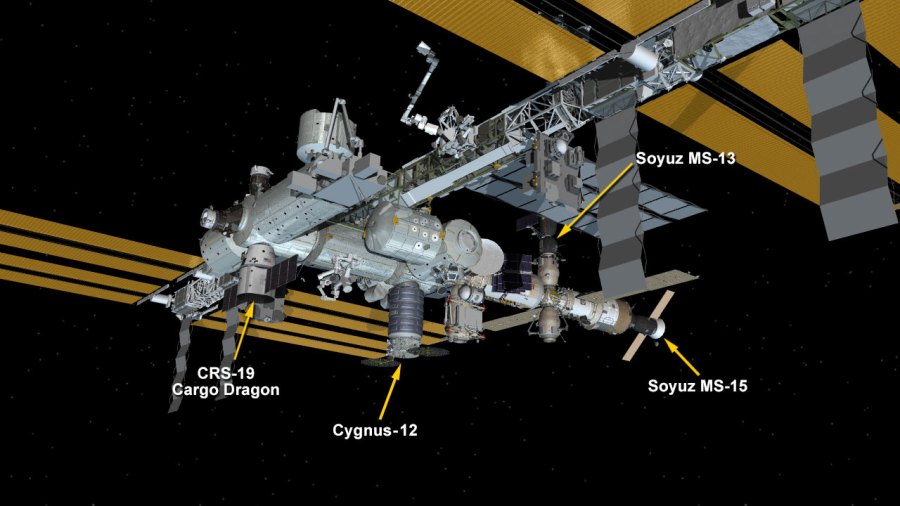
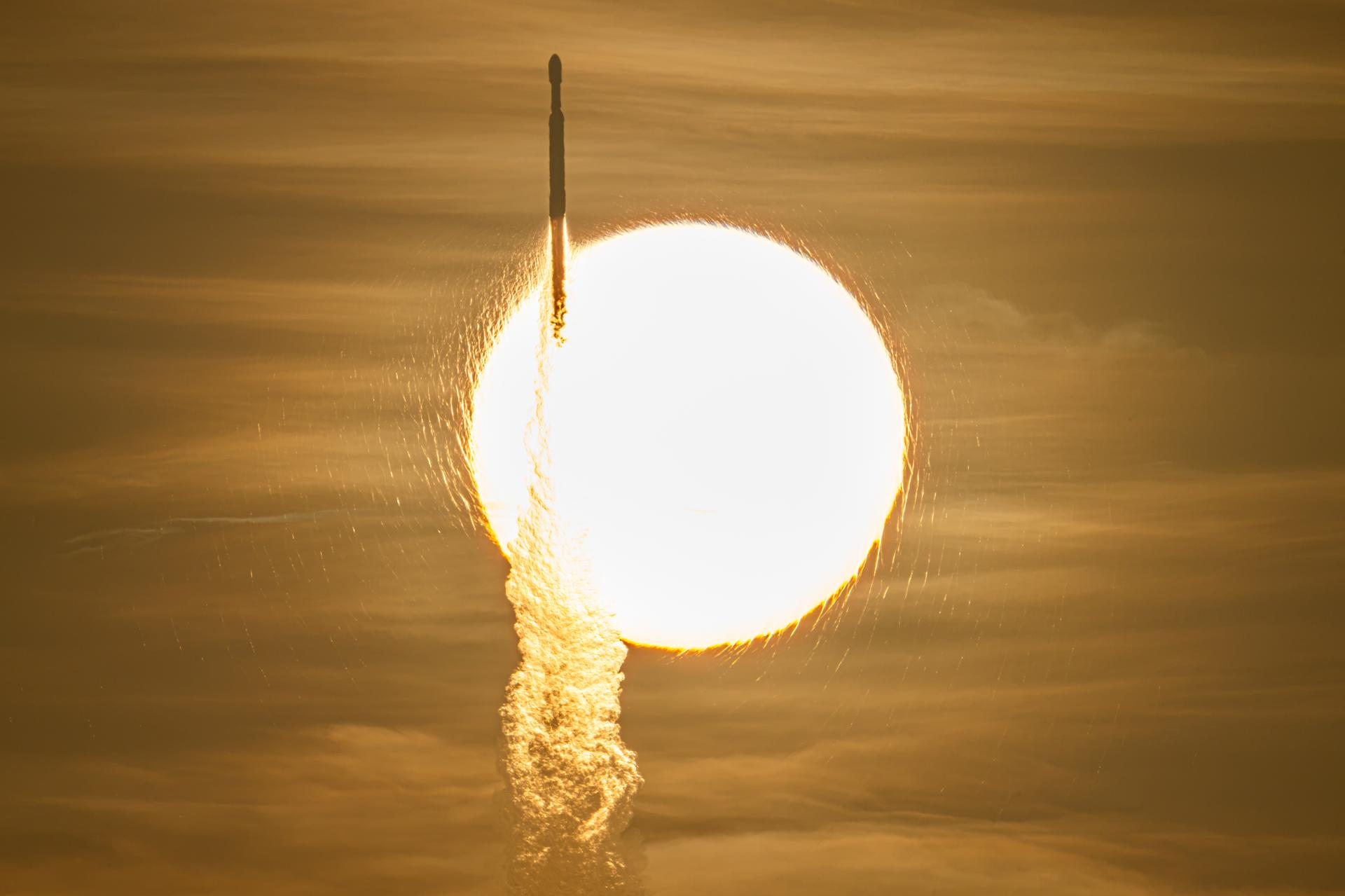
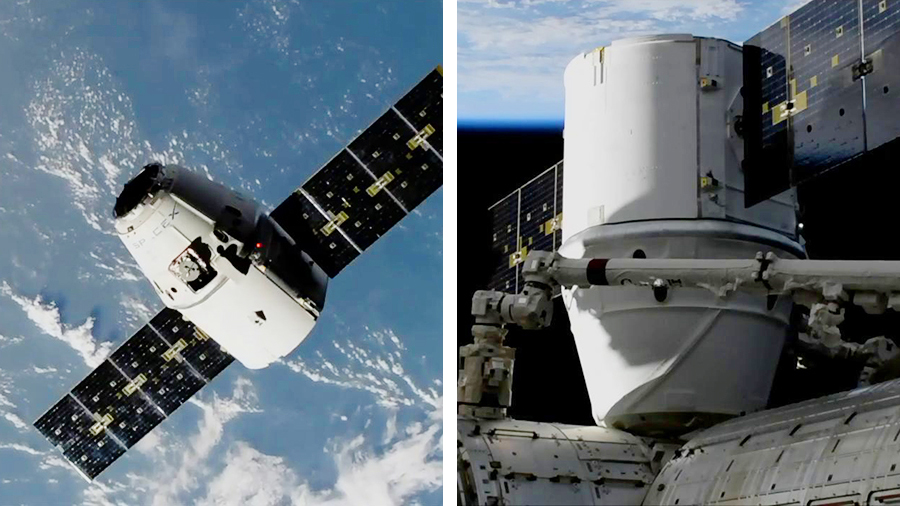
Three days after its launch from Florida, the SpaceX Dragon cargo spacecraft was installed on the Earth-facing side of the International Space Station’s Harmony module at 7:47 a.m. EST. The 19th contracted commercial resupply mission from SpaceX delivers more than 5,700 pounds of research, crew supplies and hardware to the orbiting laboratory. Here’s some of the science arriving at station: Keeping Bones and Muscles …
Astronauts Capture Dragon Filled With Brand New Science
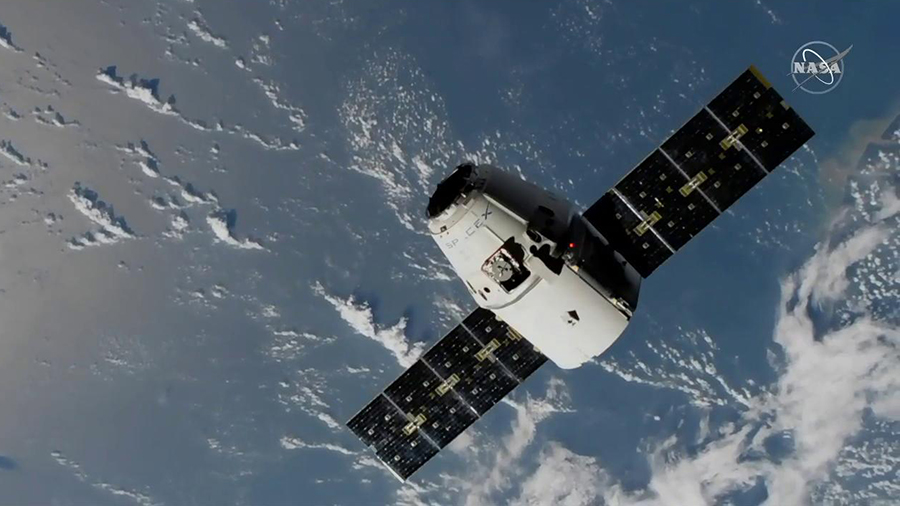
International Space Station was traveling more than 262 miles over the south Pacific Ocean, Expedition 61 Commander Luca Parmitano of ESA (European Space Agency) grappled Dragon at 5:05 a.m. EST using the space station’s robotic arm Canadarm2 with NASA astronaut Andrew Morgan acting as a backup. Ground controllers will now send commands to begin the robotic installation of the spacecraft on bottom of …
NASA TV Broadcasts Dragon’s Arrival at Station on Sunday
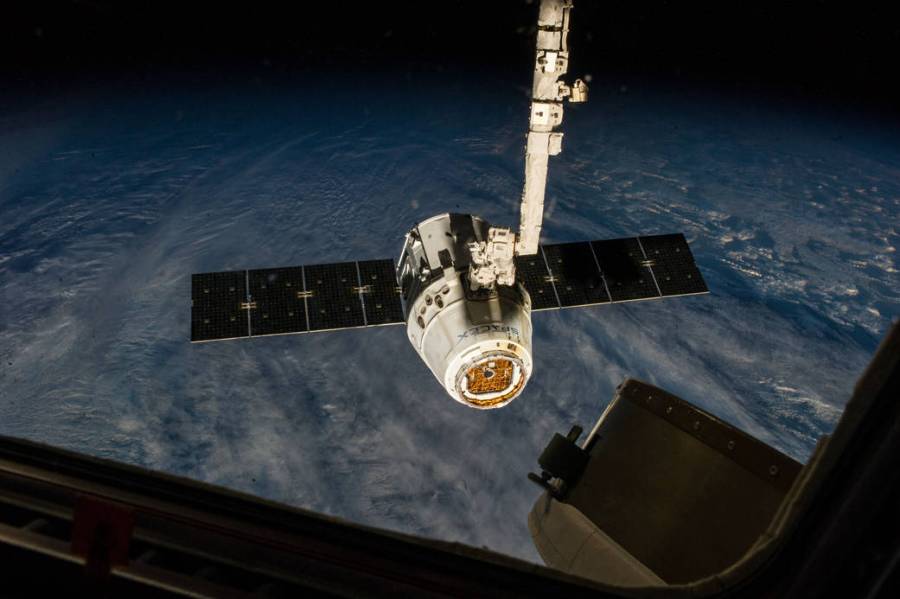
SpaceX Dragon is on track to arrive at the International Space Station tomorrow morning Dec 8, with an expected capture of the cargo spacecraft around 5:30 a.m. EST. NASA Television coverage will begin at 4 a.m. Watch live at http://www.nasa.gov/live. Expedition 61 Commander Luca Parmitano of ESA (European Space Agency) will grapple Dragon with NASA astronaut Andrew Morgan acting …
ISS Daily Summary Report – 12/06/2019
Bio-Monitor: The crew donned the Bio-Monitor Hardware for 50 min in order to verify communication telemetry. Although the ISS is equipped with health and life sciences research tools, the existing instrumentation for continuous and simultaneous recording of several physiological parameters is lacking. To tackle this issue, the Bio-Monitor Commissioning activity tests the Bio-Monitor facility; a …
A Second Look at Susquehanna Sediment
A recent report synthesizes what scientists have learned about the ecological effects of high sediment flows from the Susquehanna River on the Chesapeake Bay.