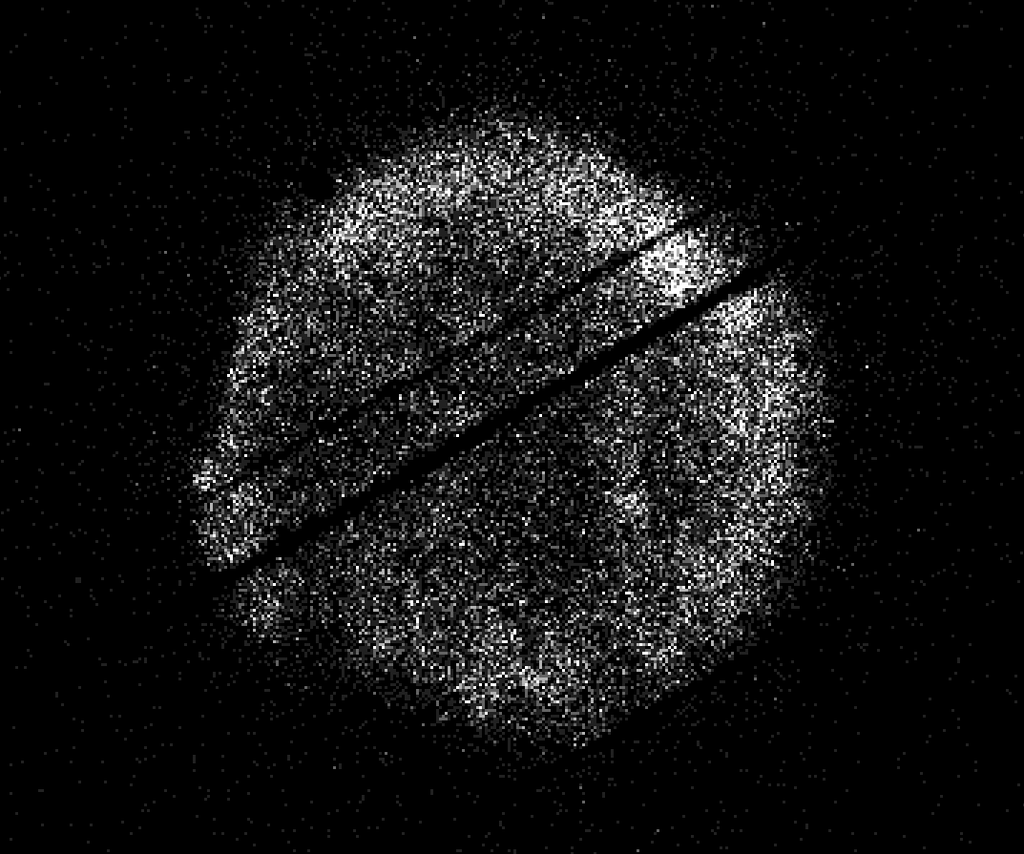











Payloads Airborne Particulate Monitor (APM): The crew installed the APM hardware in Node 2. Air quality in crewed spacecraft is important for keeping astronauts healthy and comfortable. Although requirements exist for maximum allowable concentrations of particulate matter, currently no measurement capability verifies whether these requirements are met. The Airborne Particulate Monitor (APM) demonstrates an instrument …
Vein, Eye Scans on Station as Next Crew Nears Launch

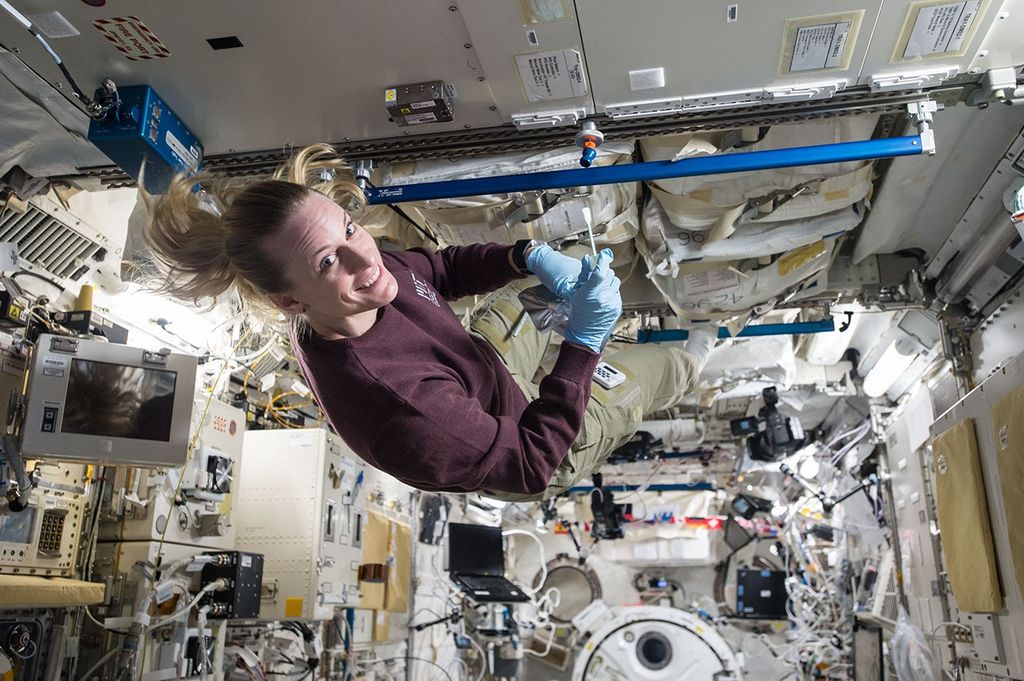
The Expedition 64 crew continued researching how microgravity affects biology aboard the International Space Station today. The orbital residents also conducted vein and eye checks and prepared for three new crew members due in early April. NASA Flight Engineer Shannon Walker joined Russian cosmonauts Sergey Ryzhikov and Sergey Kud-Sverchkov for vein and eye scans on …
NASA Begins Major Assembly of Rocket Stage for First Crewed Artemis Mission

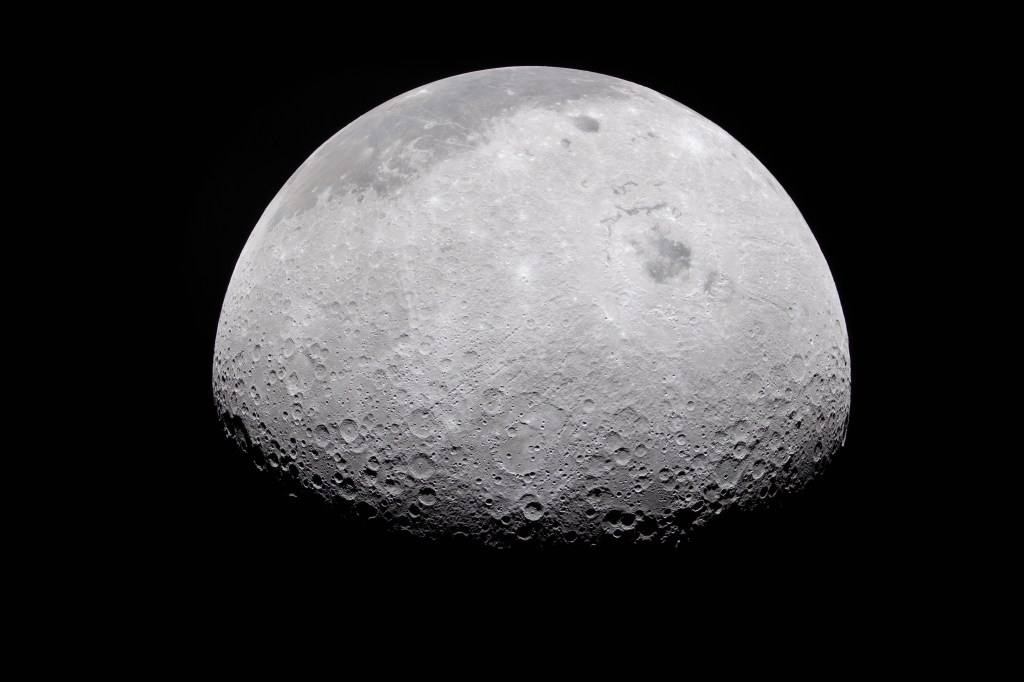
The NASA team is moving parts of the Space Launch System rocket to begin assembly of the forward, or upper part, of the rocket’s core stage for the Artemis II Moon mission. On March 19, the intertank was moved to the vertical assembly area at NASA’s Michoud Assembly Facility in New Orleans where the core stage is manufactured. …
ISS Daily Summary Report – 3/24/2021
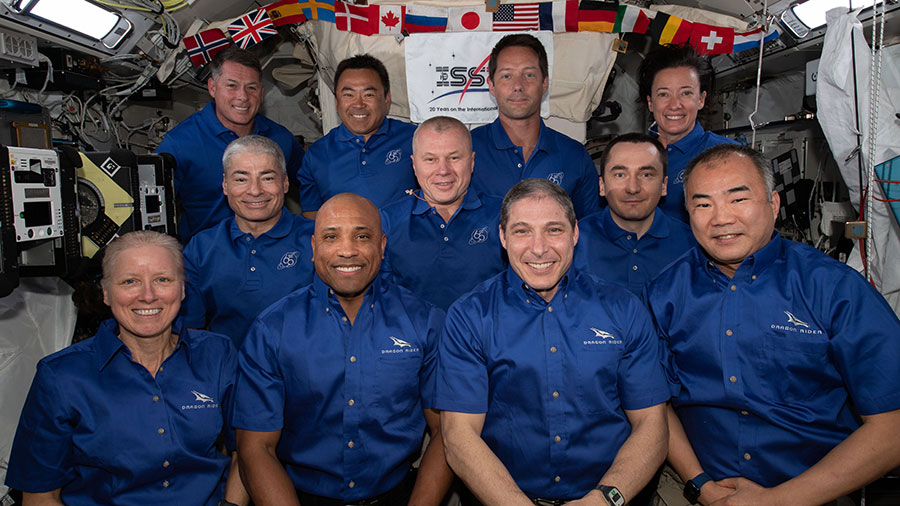
Editor’s note: Updated on March 26 with more information on the Crew-1 Dragon status. Update: Early Wednesday morning, several alarms were triggered aboard the International Space Station and the SpaceX Crew Dragon spacecraft. The crew stepped into emergency procedures in cooperation with flight controllers on the ground and determined that the alarms were false and …
Human Research on Station Informing Health in Space and on Earth

Human research is key aboard the International Space Station as NASA and its international partners learn to keep crews healthy during long-term exploration missions. The station hosts a variety of advanced space science hardware enabling these unique experiments and more in the weightless environment of the orbiting lab. Today aboard the orbiting lab, Expedition 64 …
ISS Daily Summary Report – 3/23/2021
Payloads Materials Science Research Rack-1 (MSRR-1): The crew installed the protective cover, closed the MSRR left faceplate and stowed the MSRR/MSL hardware. The MSRR-1 is used for basic materials research in the microgravity environment of the ISS. MSRR-1 can accommodate and support diverse Experiment Modules (EMs). Many material types, such as metals, alloys, polymers, semiconductors, …
Science Speeds Up on Station, Next Crew Trains for Launch

The residents living aboard the International Space Station resumed their advanced space research activities today following a well-deserved break on Monday. The Expedition 64 septet conducted vision tests, explored genetic expression, and set up a cinematic virtual reality camera inside the orbital lab. NASA astronauts Michael Hopkins, Victor Glover and Shannon Walker joined JAXA (Japan …
Crew Relaxes Following Three Weeks of Spacewalks, Relocation

The seven-member Expedition 64 crew is taking a well-deserved break today following a Soyuz crew ship relocation and three spacewalks in just three weeks. NASA Flight Engineer Kate Rubins and Roscosmos Flight Engineer Sergey Kud-Sverchkov hitched a ride on Friday inside the Soyuz MS-17 crew ship piloted by Commander Sergey Ryzhikov. The trio backed out …
Does COVID-19 Have Seasons? An Update with Ben Zaitchik
A new report explores whether seasonal weather conditions play a role in influencing the spread of the virus that causes COVID-19.
March Equinox Brings 2 Seasons: Spring, Autumn

The March equinox – also called the vernal equinox – is the beginning of the spring season in the Northern Hemisphere and autumn season in the Southern Hemisphere. It arrives on March 20, 2021, at 09:37 UTC (Coordinated Universal Time) or 4:37 a.m. CDT (Central Daylight Time). During this equinox, the Sun will shine directly …