





Suggested Searches

Blogs

  • NASA’s New X-59 Test Pilot Gets Behind Controls for Ground Test
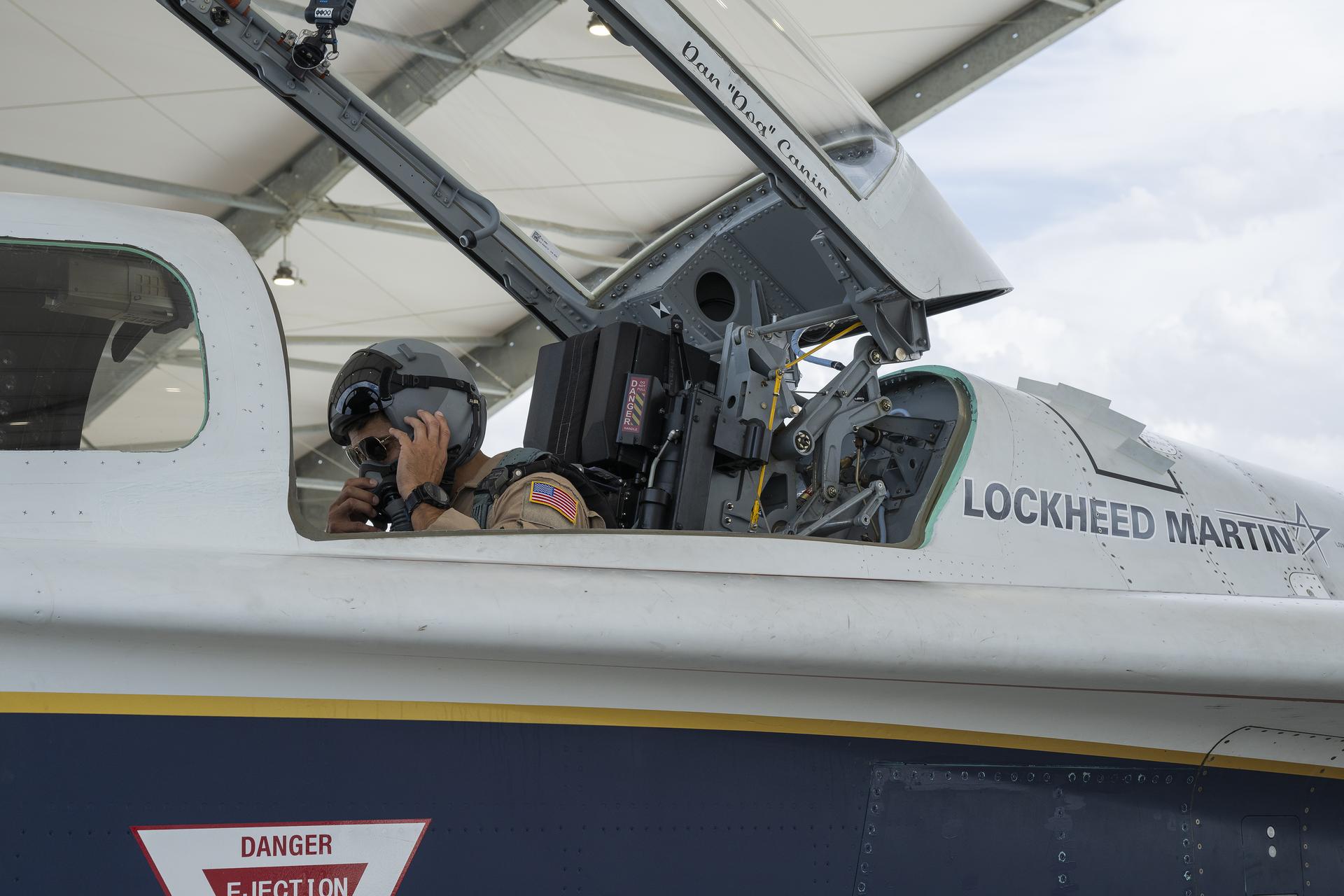
    A man seated inside an aircraft cockpit adjusts a helmet, with the open canopy above him.

    This summer, NASA test pilot Mike Lippert powered up the X‑59 cockpit for the first time, running the aircraft’s engines on the ground during a key step in his months of preparation and training to fly the experimental aircraft.  “Getting into the cockpit of the X‑59 felt very comfortable,” said Lippert, the newest X-59 test pilot for NASA’s Quesst mission. “The whole team has done a tremendous job of making sure […]

  • Bioprinting, Space Manufacturing Top Research Schedule Aboard Station

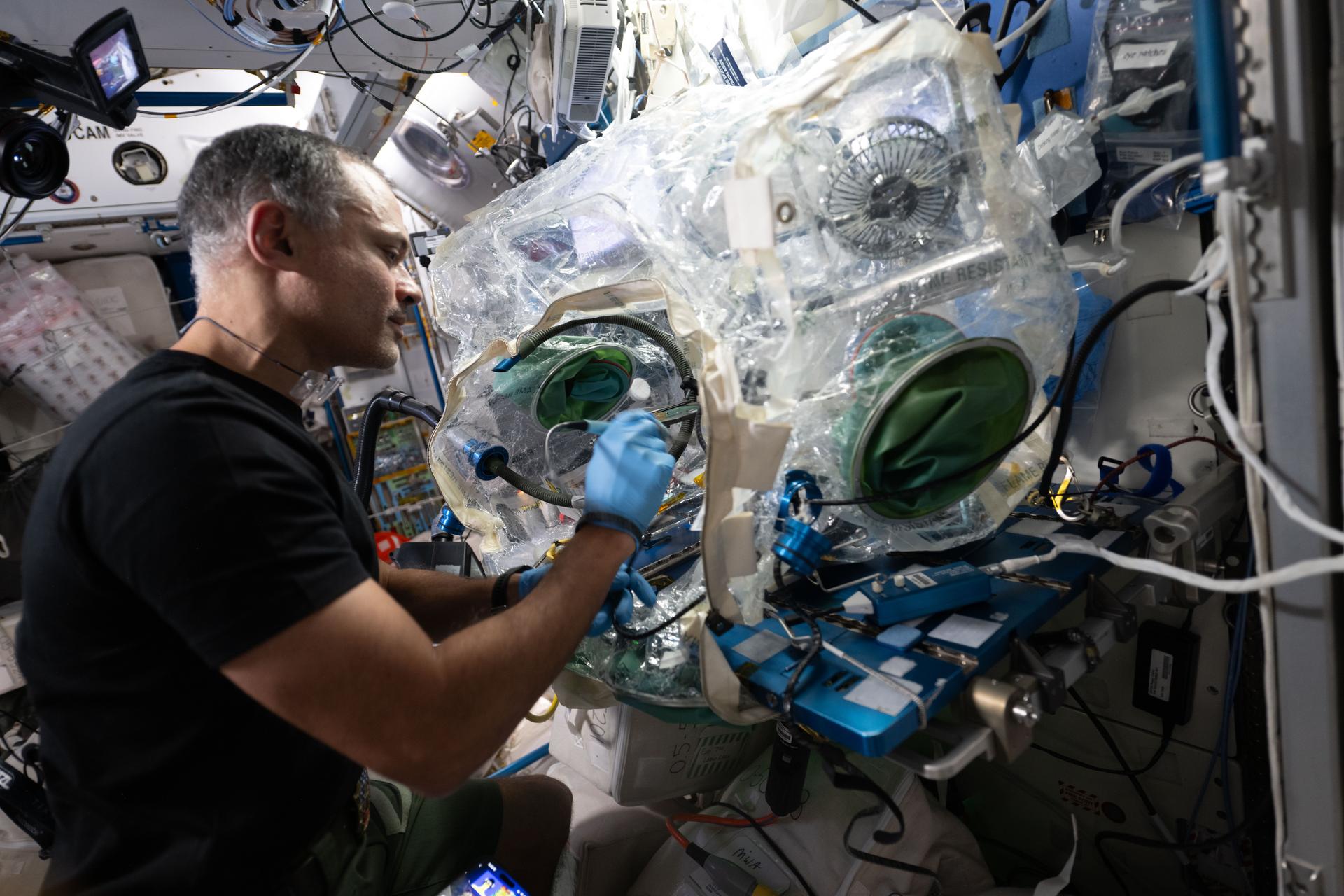
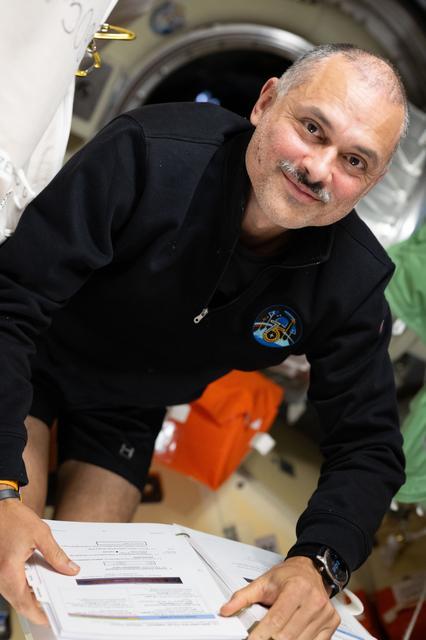
    NASA astronaut and Expedition 75 flight engineer Anil Menon uses a lead-free soldering technique to solder components on a circuit board and demonstrate the manufacturing and repair of electronics in microgravity. Menon conducted safe research operations inside a container system attached to the Harmony module's maintenance work area to protect the International Space Station's atmosphere. The MIYOKA experiment will return the space-soldered samples to Earth for analysis and compared them to identical ground-soldered samples. Results may lead to reduced reliance on costly resupply missions.

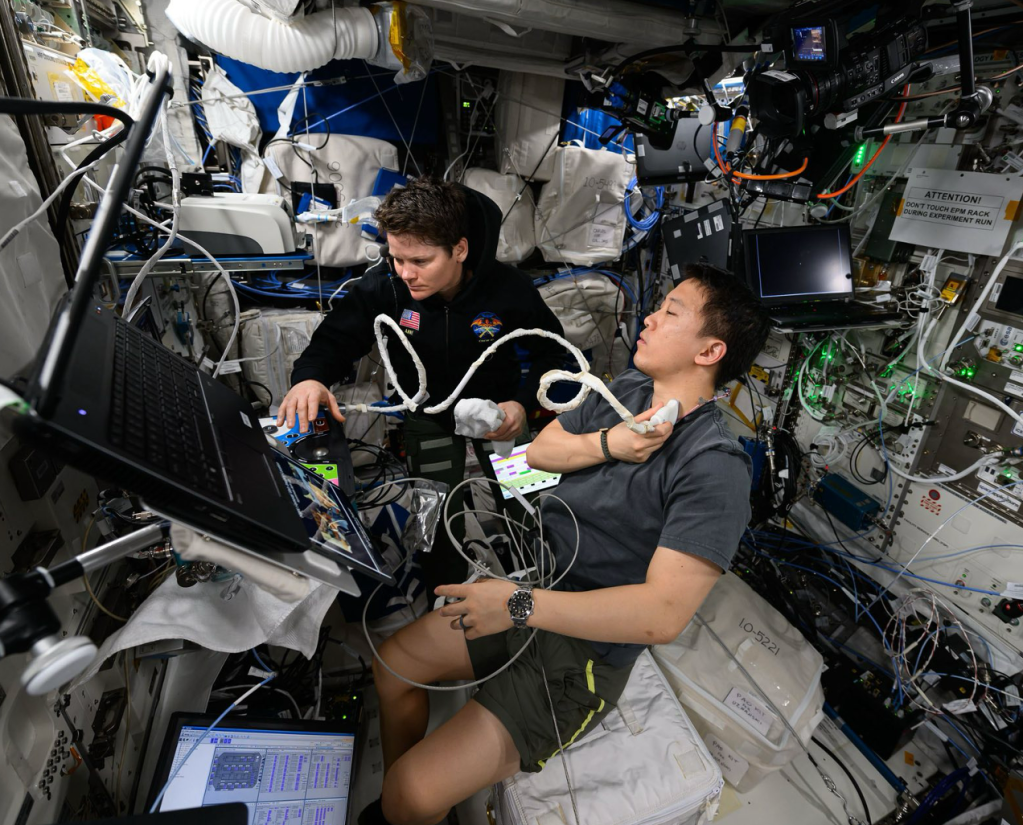
    Cartilage bioprinting and lead-free soldering topped the advanced microgravity research schedule aboard the International Space Station on Tuesday. The Expedition 75 crew members also explored blood pressure in weightlessness, serviced spacesuit components, and inspected lab hardware aboard the orbital outpost.

  • NASA Activates Roman’s Primary Instrument, Checks Out Coronagraph

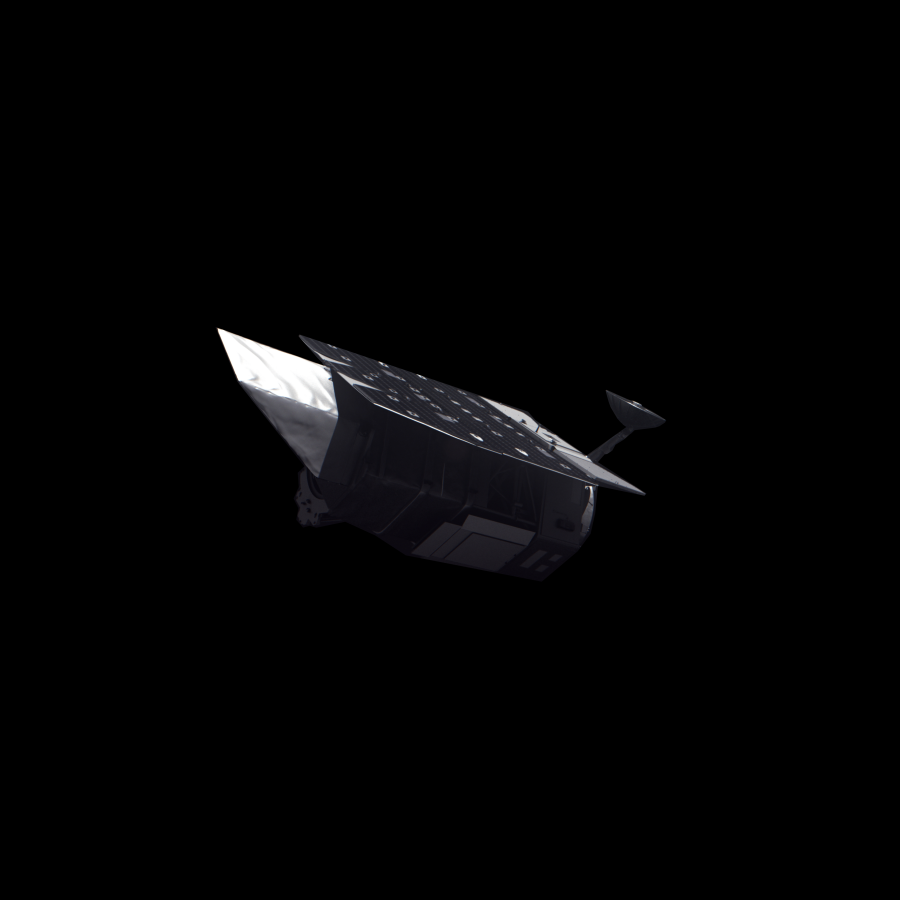
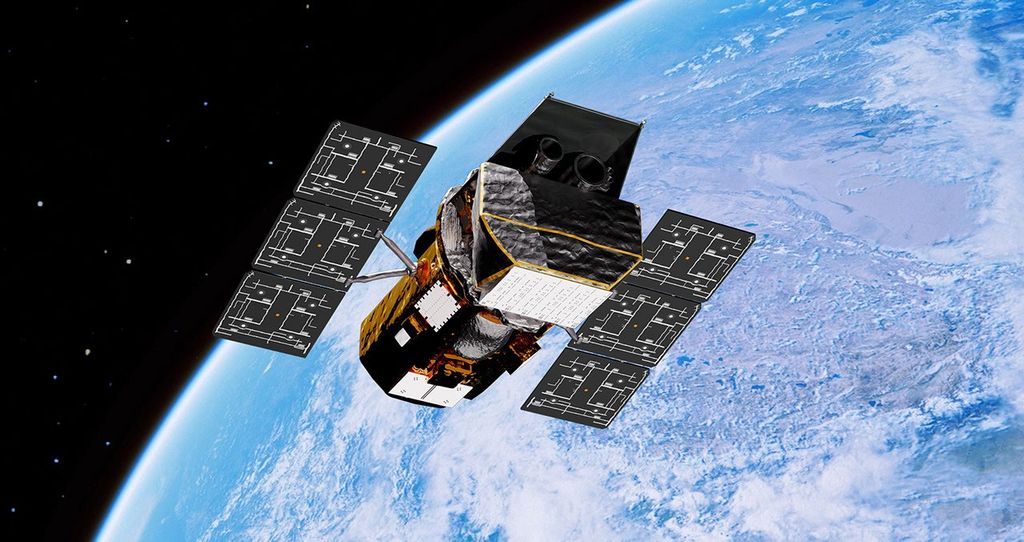
    NASA’s Nancy Grace Roman Space Telescope team has successfully activated the Wide Field Instrument, a 300-megapixel infrared camera that will allow scientists to explore wide swaths of the cosmos very quickly without sacrificing exquisite detail. Roman’s planet imager — the Coronagraph Instrument — also stretched its digital, electronic, and mechanical “limbs” as part of an […]

  • Fuel Savings Double Potential Lifetime for NASA’s Roman Mission

    The results are in: NASA’s Nancy Grace Roman Space Telescope’s very accurate first mid-course correction, along with other fuel savings, are expected to more than double the mission’s potential operational lifetime. “As a result of exquisite planning by our orbital dynamics team, brilliant execution by the operations team, and a precise launch from SpaceX, Roman […]

  • Fourth Balloon of NASA Scientific Balloon Campaign Launches

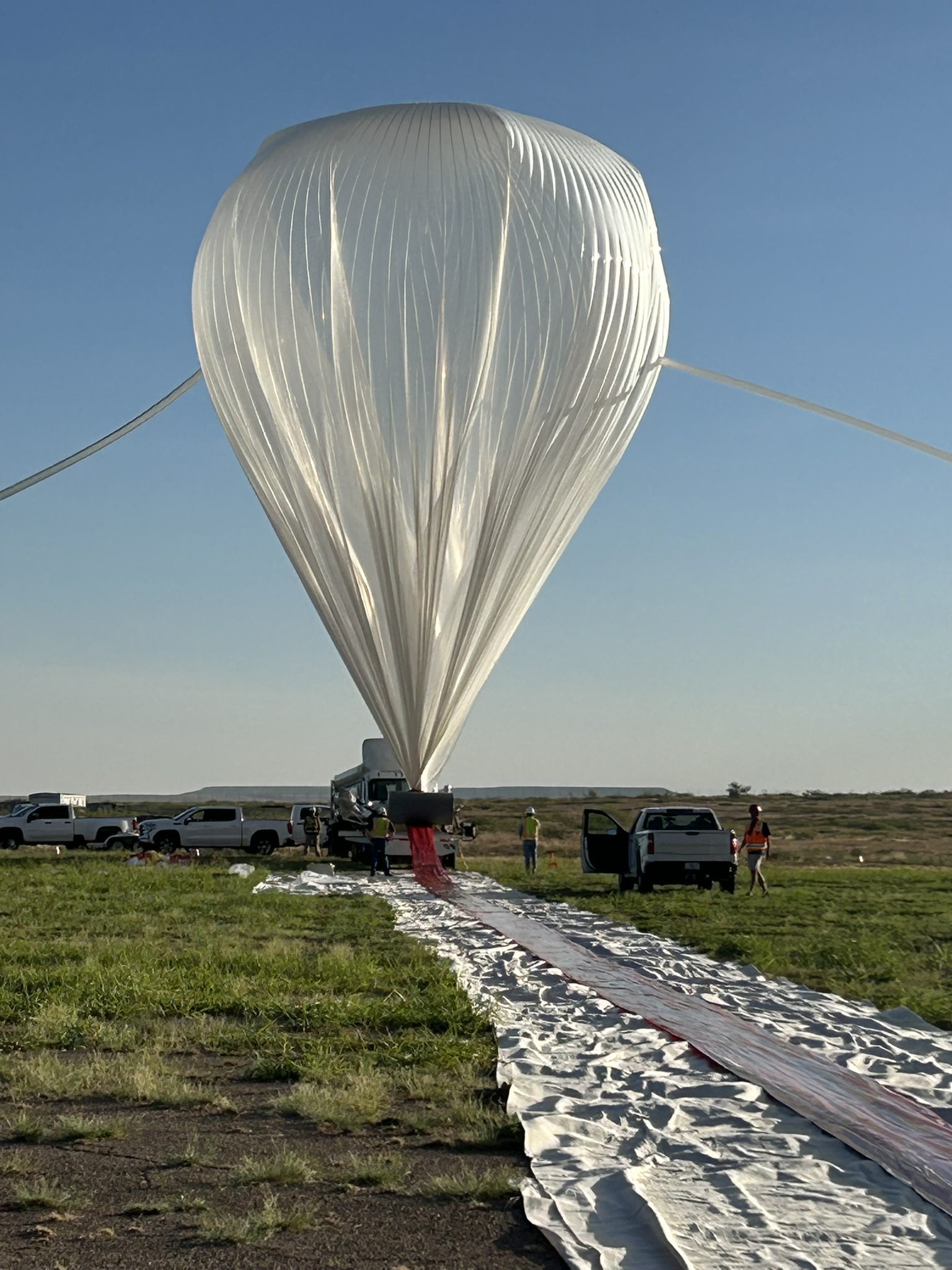
    The BOOP! mission was launched on a scientific balloon from NASA's launch facility in Fort Sumner, New Mexico, at 8:03 a.m. MDT (10:03 a.m. EDT) on Sept. 13, 2026. This is the second year for NASA’s Balloon Program Office’s Balloon Optimization Opportunity Payload, or BOOP!, which allows multiple technology instruments to be tested during flight for future missions.  The mission carried experiments to test compact tools for future planetary exploration, map high-energy space radiation, and evaluate a newly developed flight camera system.

    The balloon and payload reached a float altitude of around 123,000 feet, and flew for a total of 4 hours, 29 minutes. 

    A scientific balloon partially inflated before flight. The balloon is clear plastic in the shape of an upside down teardrop. The rest of the ballon trails behind it on the ground.
    The BOOP! scientific balloon mission is prepared for flight Sept. 13, 2026.
    NASA/Todd Lankford
  • Crew Works Exercise Research and Lab Maintenance on Light Duty Day

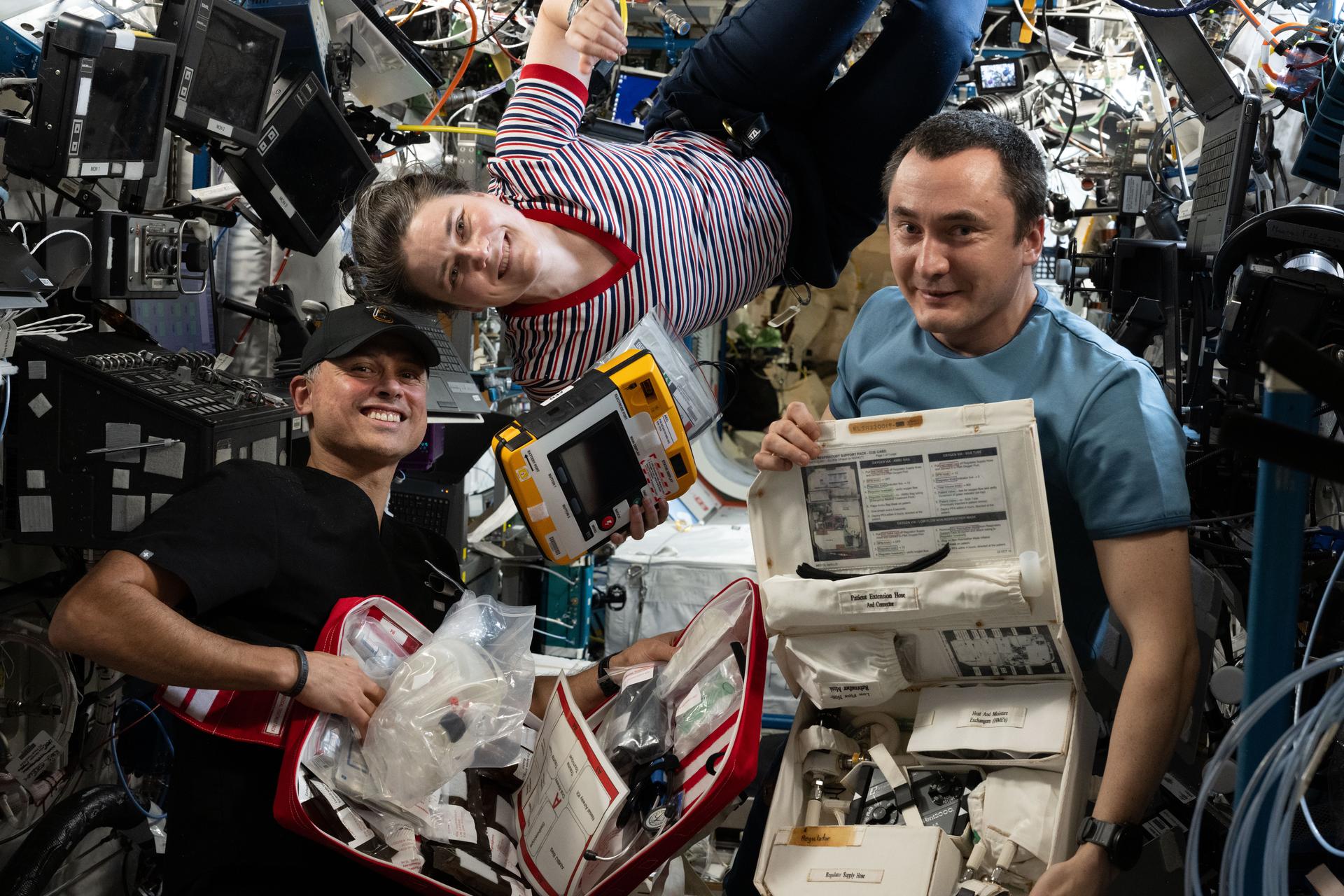
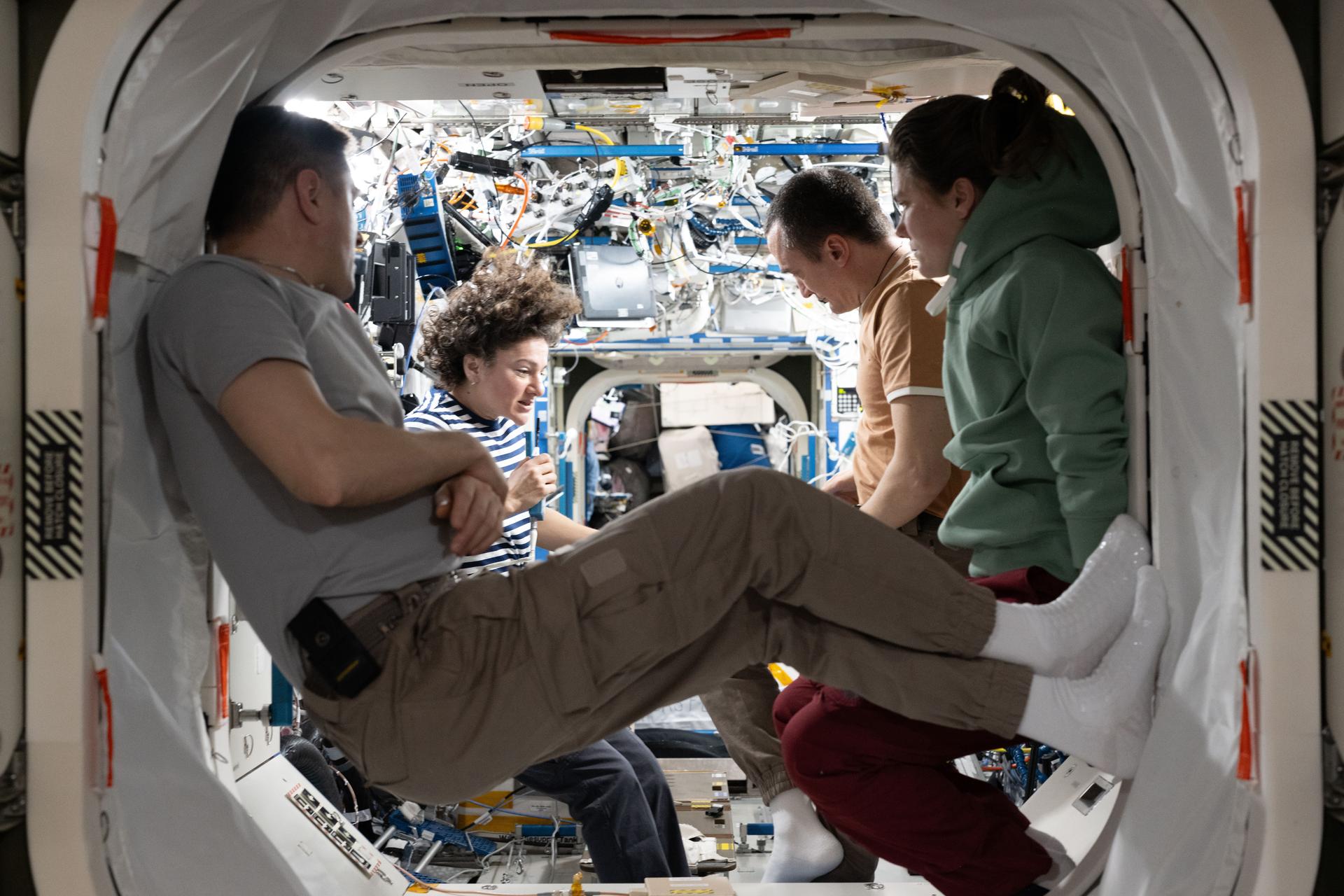
    Four Expedition 75 crew members gather together and review procedures for emergency scenarios such as a pressure leak, a chemical leak, or a fire aboard the International Space Station. From left are, flight engineer Andrey Fedyaev of Roscosmos, station commander Jessica Meir of NASA, and Roscosmos flight engineers Pyotr Dubrov and Anna Kikina.

    The Expedition 75 crew had a light duty day on Friday studying microgravity’s effect on exercise and transferring cargo aboard the International Space Station. Earth observations, hardware inventory, and life support maintenance rounded out the schedule for the orbital septet at the end of the week.

  • After Latest Swing Past Sun, NASA’s Parker Solar Probe Checks in

    NASA’s Parker Solar Probe completed its 29th close approach to the Sun on Sept. 4, again matching its record speed and distance from the solar surface. This time, the spacecraft trained its camera on structures and activity near the Sun’s north pole. The spacecraft transmitted a beacon tone indicating that its systems were operating normally […]