












Suggested Searches

Blogs

  • In the pit

    Here is how we “commute’” to the lab each morning. Dr. Noah Molotch (U. Colorado), Dr. Dan Berisford (JPL) Jen Petrzelka (U. Colorado), and Ty Atkins spent all day today (and the previous 2 days) making snowpit measurements using both traditional and new high-tech methods.  In this photo, you can see how deep the snowpit […]

  • Radiometer is perfectly perched

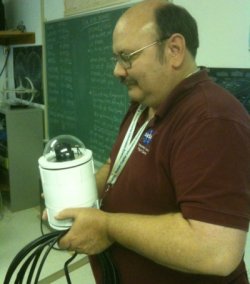
    A big milestone today: after the DC snowstorm, the cross-country shipping, the snowcat trip up the mountain, and the days of wiring, we finally got radiometer data today. Dr. Mike Durand and Ty Atkins (U. Colorado) worked really hard to set up a stand built by Goddard engineers to hold the radiometer at just the […]

  • Bunking on the mountain

    We finished the radiometer wiring today. The data logger we installed to record measurements isn’t working 100%, so we switched to a backup method. We worked so late, we had to stay the night on top of the mountain. The lab has bunks. It got quite cold outside at night, about -14C (7F), but not […]

  • Arrival

    I departed DC for Steamboat, still not knowing when things will arrive. While switching flights in Denver, I receive the shipping info: it’s supposed to arrive today!

  • Delayed by snow?

    We’re scheduled to start the field campaign next week, but Goddard has been closed since the previous Friday because of back-to-back snowstorms in Washington, DC. The last week before shipping out on a campaign is always hectic, but we were supposed to have shipped the equipment out days ago. We have lost a week to […]

  • Hello to Snow

    Knowing how widespread and how deep mountain snow packs are is important for more than just making ski forecasts. One-sixth of the world’s population relies on melted snow for their freshwater, which means good estimates of snow are critical for making realistic predictions of a region’s water supply. But measuring snow, especially the amount of […]

  • LCROSS Hits Its Mark!

    Onlookers participate in LCROSS pre-impact activities at NASA’s AmesResearch Center. Credit: NASA The crowd at NASA Ames was poised and ready for impact as the LCROSS camera started sending back stunning images of the moon’s south pole. At impact, a flash or large plume wasn’t visible with the LCROSS camera, but even though we didn’t …

  • Impact from the Lunar Reconnaissance Orbiter's Line of Sight

    Scientist and engineers are adjusting LRO’s orbit to have it fly its closest approach to the Cabeus target site just 90 seconds after the Centaur impacts the lunar surface.  Artist Concept of the Lunar Reconnaissance Orbiter with Apollo missionimagery in the background. Credit: NASA The Lunar Reconnaissance Orbiter, better known as LRO, was a sister …

  • A New Look at an Old Neighbor

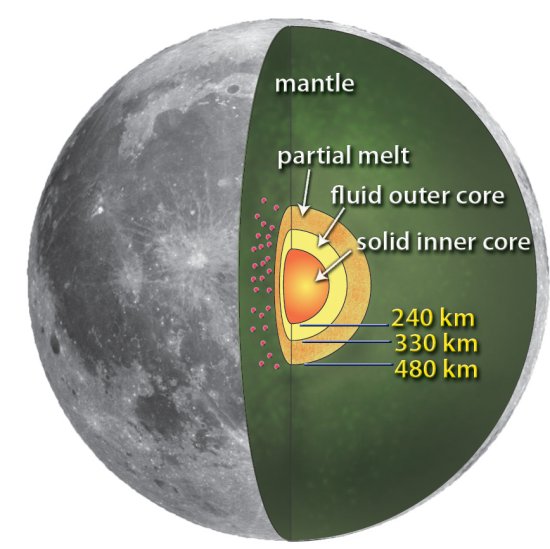
    We have yet to uncover the full wealth of scientific information the moon holds. It at the cornerstone of understanding the birth and evolution of Earth and other planets, therefore we need to explore it. The moon looks very unchanging and calm in the night sky and is rarely thought of as an active planetary …