
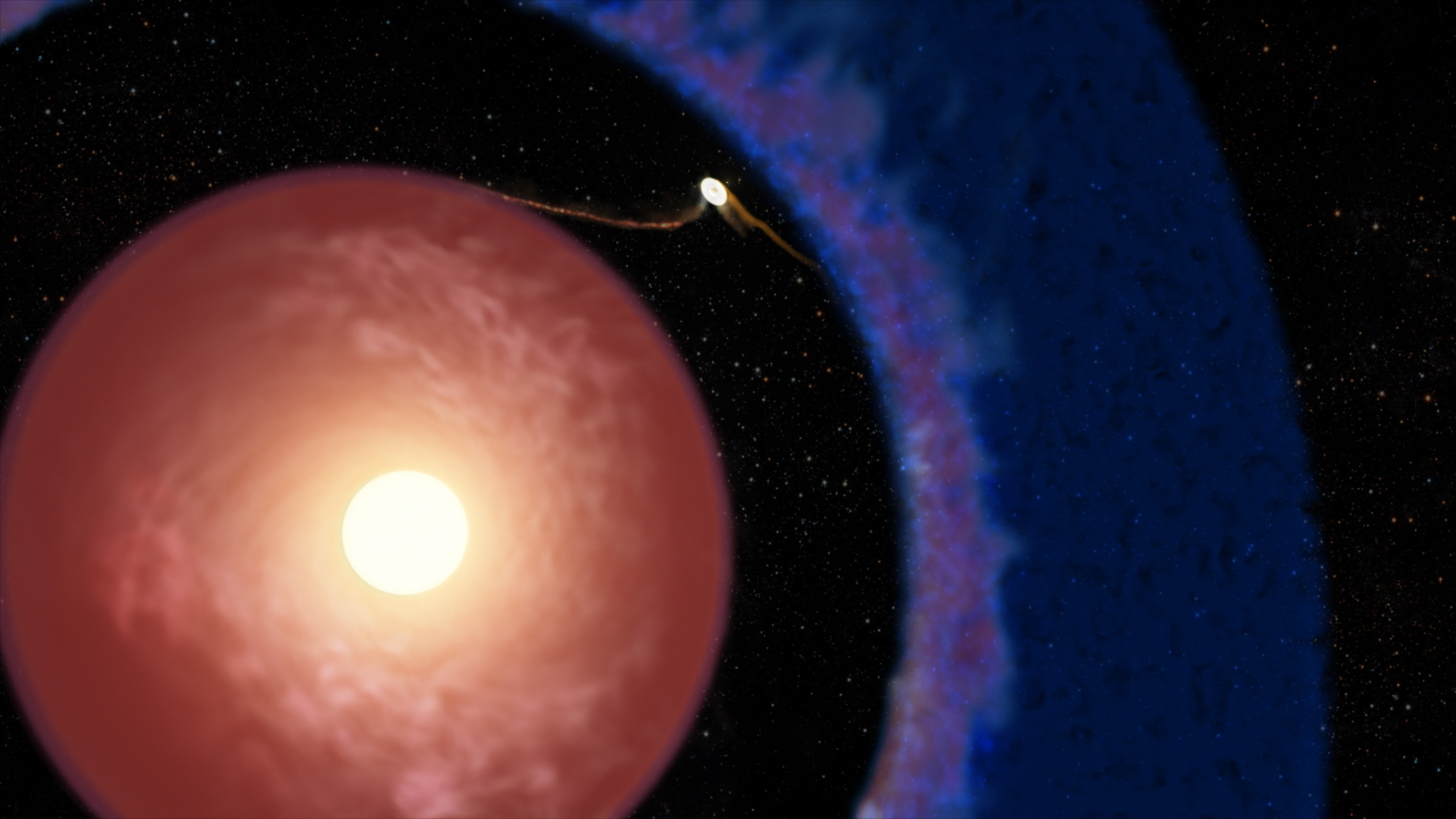









Maunder’s Return This sounds like a straight-to-DVD sci-fi title. But the National Solar Observatory announcement last week that the Sun could be entering a grand minimum should probably be filed with cable TV’s “What Would Happen If…” documentaries. The last time the Sun went quiet for a long stretch – dubbed the Maunder Minimum — […]
Why does the Earth Observatory show some floods and not others?
Earth Observatory publishes many images of floods. The 2010 monsoon floods in Pakistan and 2011 floods in the Mississippi and Missouri basins have received a lot of coverage. But we don’t publish photo-like images of every flood, and many readers wonder why. The severe floods affecting China this month are a perfect example. So far, […]
The Impact of Puyehue-Cordón Caulle
Every once in a while we get satellite imagery that shows things that are hard to imagine, like floating rocks. It’s helpful to have a different persepctive, like this series of photographs collected by The Atlantic. Fantastic.
Arctic Melt Raises Sea Levels and Reinforces Global Warming
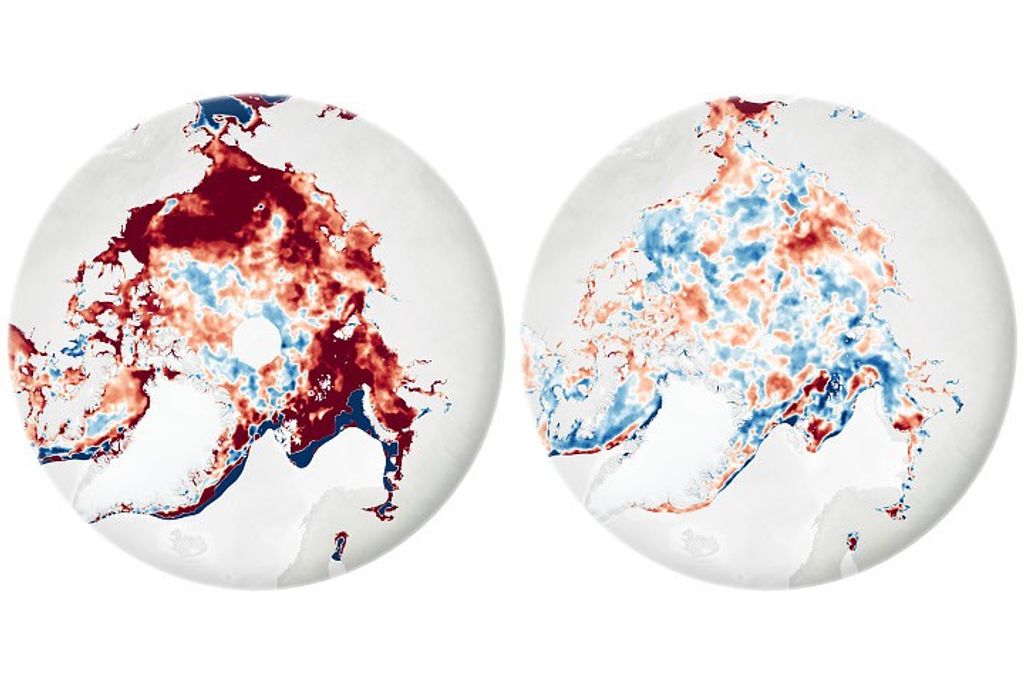
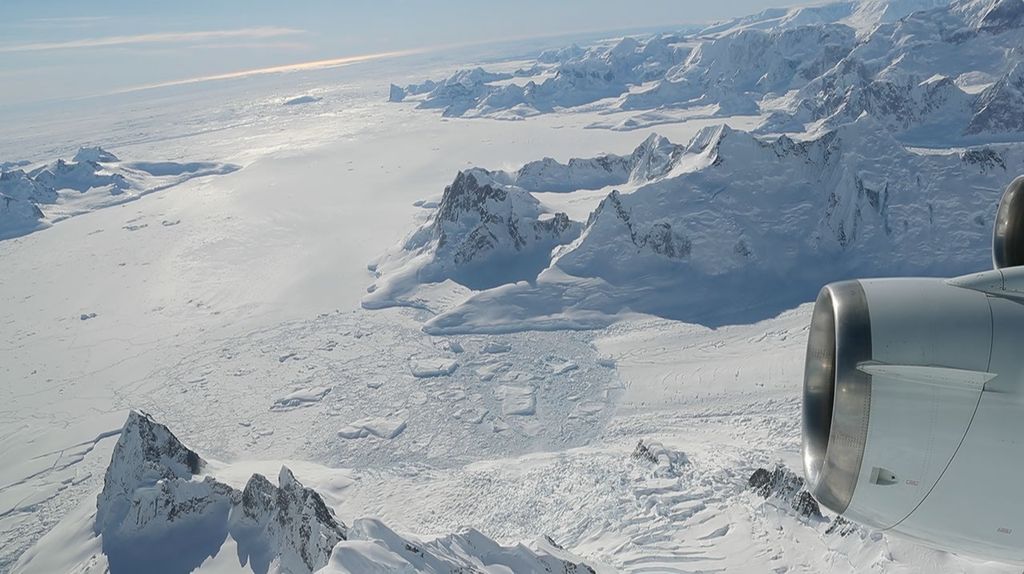
If you want to see global warming’s signature, look to the Arctic. Up north, the air is warming and the ice is melting. As all of that reflective ice goes away, the Arctic Ocean is soaking up more sunlight, further enhancing warming. Melting Arctic ice is also contributing significantly to sea level rise. For two […]
International Space Station Shines Brightly in Night Skies
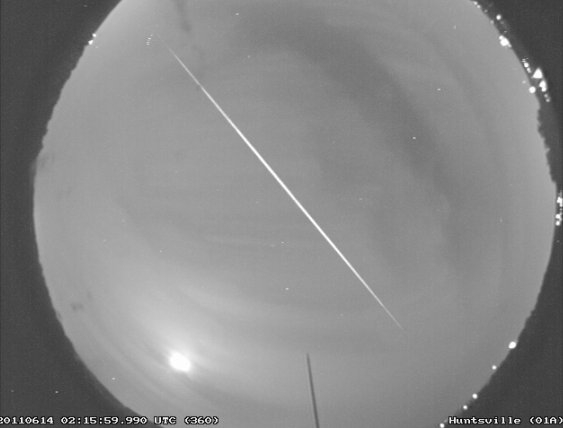
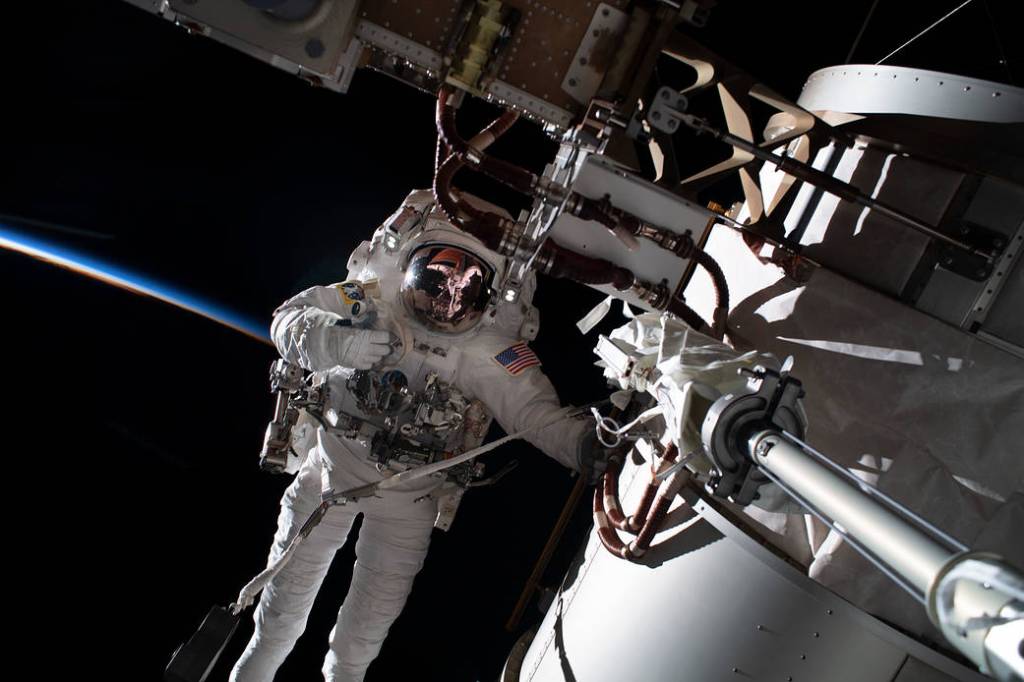
Not even clouds could obscure the International Space Station as it passed directly over Huntsville, Ala. on the evening of June 13 at 9:15 p.m. CDT. Shining as bright as the planet Venus, the space station took nearly four minutes to traverse the sky before disappearing in the murk to the Northeast. Its passage was …
Earth at the Movies
Science writers and producers from across NASA recently sponsored an Earth Day video contest for the public. The theme was “The Home Frontier,” and the idea was to create videos that expressed what NASA Earth science means to you. Many people don’t realize that one of our agency’s most important missions is to study the […]
Earth Buzz – The News Roundup
On Tornadoes and Climate The Joplin twister, which a GOES satellite observed on May 23, has promoted many people to wonder if climate change has fueled the recent spree of storms. The answer: possibly La Nina (Reuters), no (Agence France-Presse), and not likely (Climate Central). Should We Use Levees to Build in Floodplains? The swollen Mississippi raises […]
Why Earth Matters
Welcome to Earth Matters, the news and notes blog of Earth Observatory. And welcome to an ongoing conversation about our amazing planet. Earth Matters will be composed by the science writers, data visualizers, and web developers of Earth Observatory and of NASA’s Earth Science News Team. We are former journalists and scientists, communications majors and […]
Building in a Flood Plain, and a Map of the Flood of 1927
In response to Map of the Ancient Mississippi a few of you left comments to the effect of “no one should live in floodplains.” It’s an appealing notion, but I think it’s unrealistic. Anne Jefferson of Highly Allochthonous published an epic post yesterday outlining the benefits and risks of building in a flood plain, and […]
Qualitative vs. Sequential Color Scales
Sticking to the flood theme, here’s a recent map from the U.S. Army Corps of Engineers showing the predicted travel time for water in the Morganza Floodway. It’s a reasonably good map, with one big flaw: the colors are more appropriate for categorical data (such as a geological map of different rock types) rather than […]