

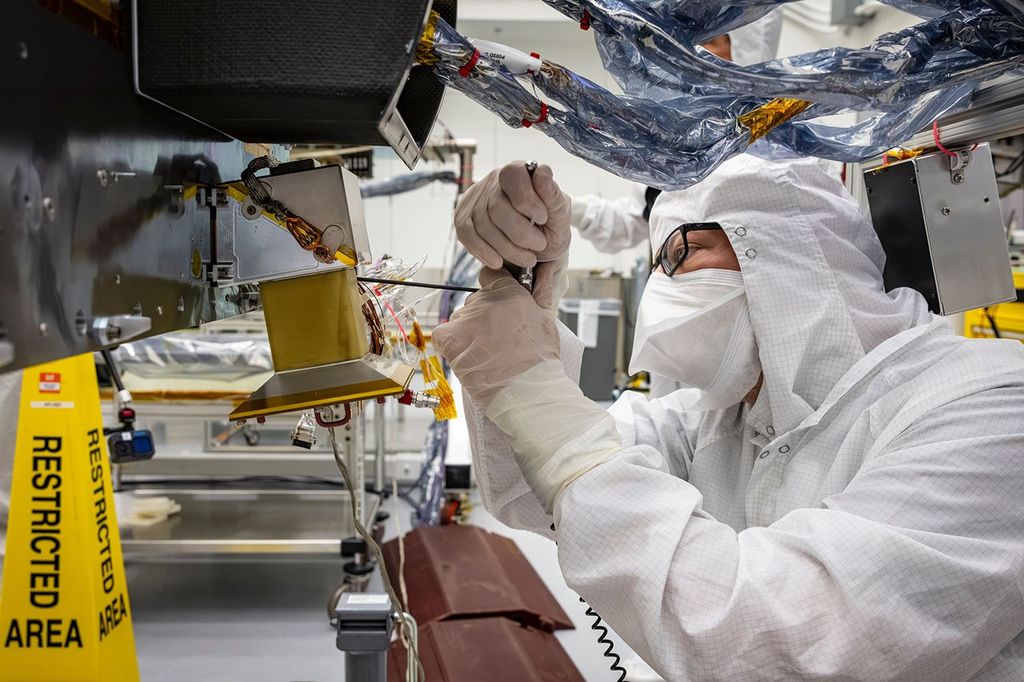
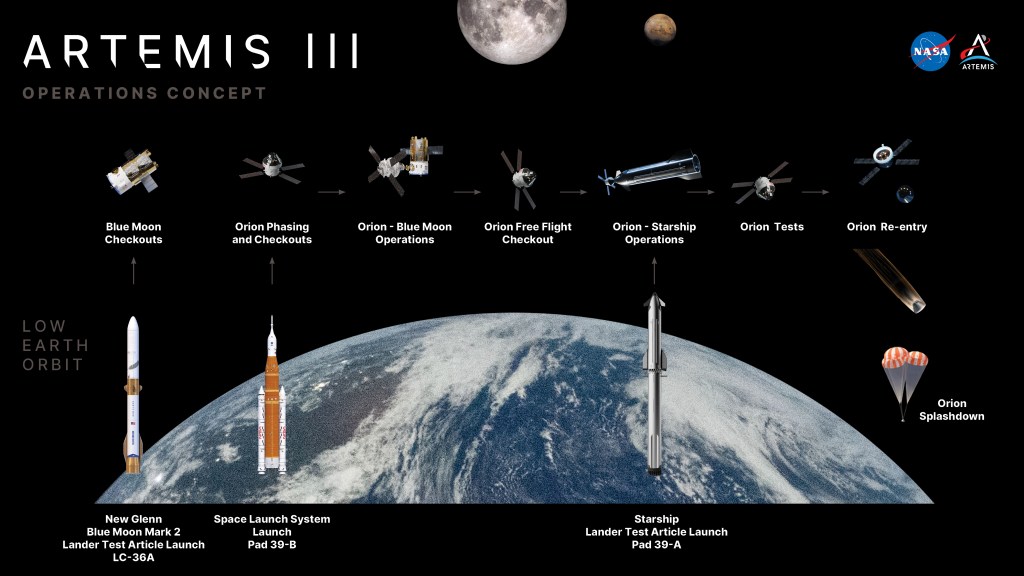

















Hello from NASA’s Kennedy Space Center in Florida where the MAVEN spacecraft is undergoing careful preparations at the hands of engineers and technicians ahead of its launch to study the upper atmosphere and history of Mars. Adjacent to Kennedy, at Cape Canaveral Air Force Station, teams are readying a United Launch Alliance Atlas V rocket …
ISS Daily Summary Report – 10/29/13
Ice Crystal-2 Troubleshooting: Flight Engineer (FE)-6 Nyberg measured the resistance of the Temperature Control Cable and Ice Cell 2 in the Solution Crystallization Observation Facility (SCOF) with a multimeter to check the conduction state prior to the reconfiguration of signal cables tomorrow. Ice Crystal-2 operations are planned to begin the week of November 18th. JAXA’s …
Halloween Fun with Meteor Cameras
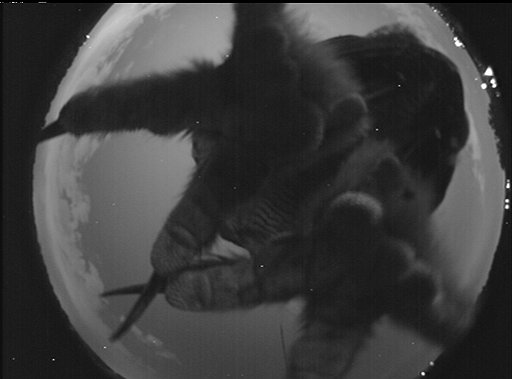
We never know what we are going to see when we check the NASA Marshall meteor cameras each morning. Over time, we’ve acquired quite a collection of startling and fascinating images captured by various cameras. In the spirit of Halloween fun, we’ve put together a collection that reminds us of All Hallow’s Eve. We’ve found …
Comet Ison Roars Through Leo
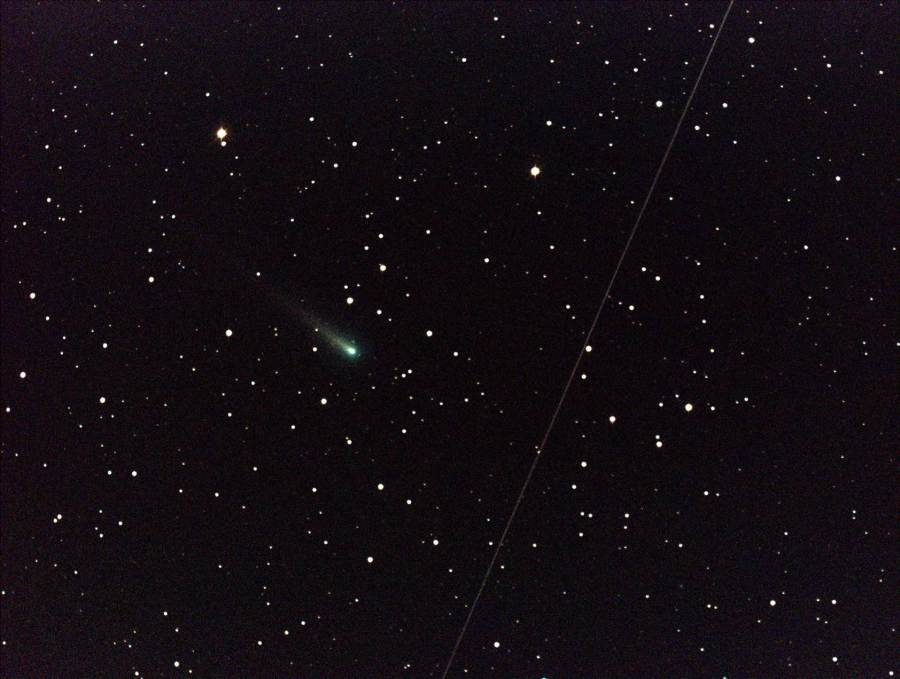
In the early morning of October 25, 5:45 a.m. CDT, a scientist at NASA’s Marshall Space Flight Center, using a 14” inch telescope captured this image of Comet C/2012 S1 (ISON), which is brightening as it approaches the Sun. The comet shines with a faint green color just to the left of center; the diagonal …
ISS Daily Summary Report – 10/28/13
Automated Transfer Vehicle (ATV)-4 Undocking: ATV-4 successfully undocked from the Service Module at 03:54 am CDT this morning. The ISS crew monitored and took photographs of the undocking. ATV-4 delivered more than 2489 kg of cargo to the ISS when it arrived on June 15th and will be disposing of more than 2160 kg. ATV-4’s …
October Puzzler
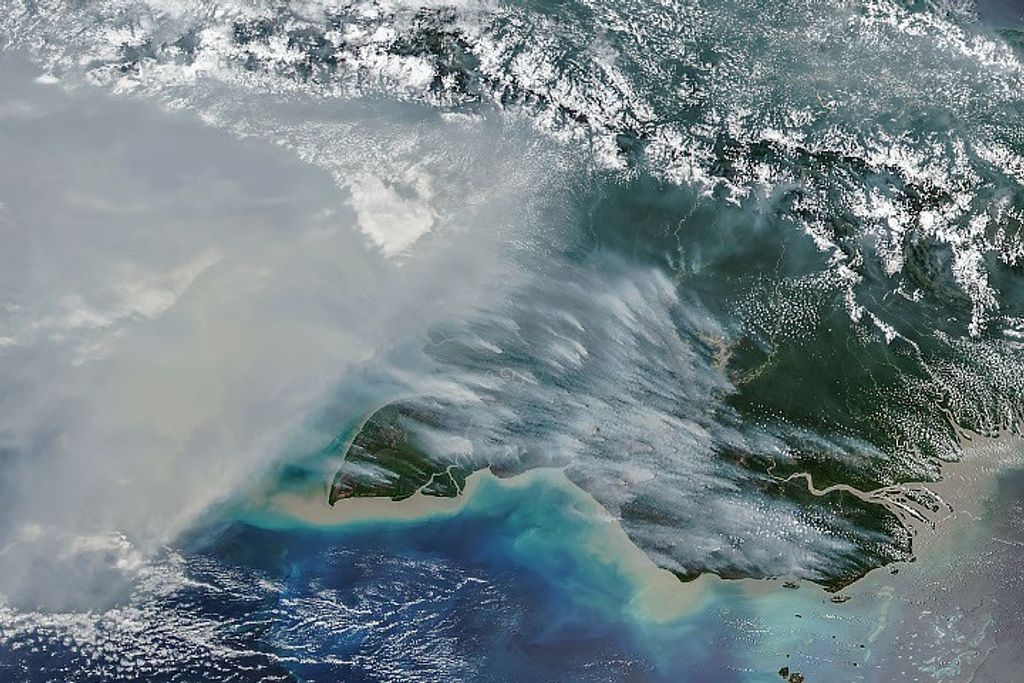
– Each month, Earth Observatory offers up a puzzling satellite image here on Earth Matters. The October 2013 puzzler is above. Your challenge is to use the comments section to tell us what part of the world we are looking at, when the image was acquired, and why the scene is interesting. How to answer. […]
ISS Daily Summary Report – 10/25/13
Ocular Health (OH) Eye and Cardiac Ultrasounds: Today Flight Engineer (FE)-5 Parmitano performed ocular and cardiac ultrasound scans as part of FE-3 Hopkins’ Flight Day 30 Ocular Health session. In-flight data collection was assisted by remote guidance from ground experts to ensure proper positioning and data collection. Ocular ultrasound is used to identify changes in …
ISS Daily Summary Report – 10/24/13
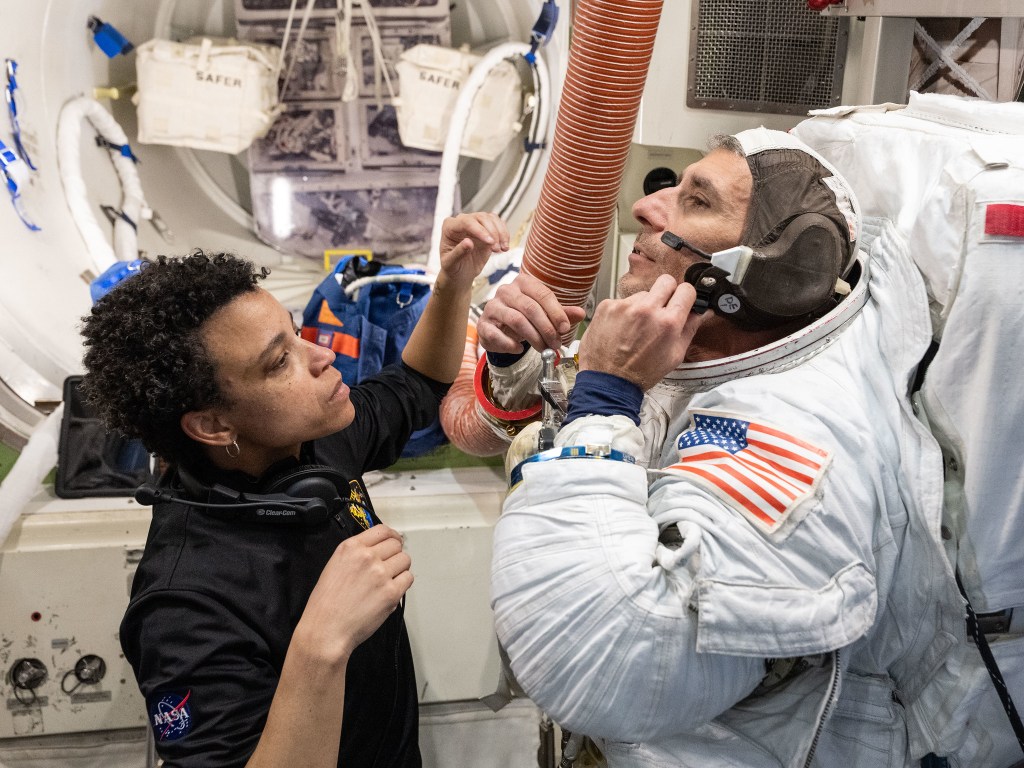
Extravehicular Mobility Unit (EMU) Troubleshooting: Flight Engineer (FE)-3 Hopkins and FE-6 Nyberg removed and replaced the EMU 3011 Fan Pump Separator (FPS) Assembly. The R&R is part of an ongoing troubleshooting effort stemming from an issue experienced with the suit during USOS EVA #23, when water leaked into Parmitano’s helmet. The new pump which was …
Best of the Archives: Mud Trails from Fishing Trawlers
Fourteen years ago, the Enhanced Thematic Mapper Plus on Landsat 7 acquired these images of mud trails off the coast of Louisiana. They were caused by bottom trawling in the Gulf of Mexico, a fishing technique that involves dragging large nets across the sea floor. Bottom trawling is an efficient way to scoop up shrimp […]
ISS Daily Summary Report – 10/23/13
Vascular Blood Collection Operations: Flight Engineer (FE)-6 Nyberg performed a blood sample collection by self-phlebotomy. The blood sample was then spun in the Refrigerated Centrifuge followed by inserting the sample into the Minus Eighty Degree Celsius Laboratory Freezer for ISS (MELFI). This is Nyberg’s final blood draw, completing her in-flight Vascular sessions. This Canadian Space …