









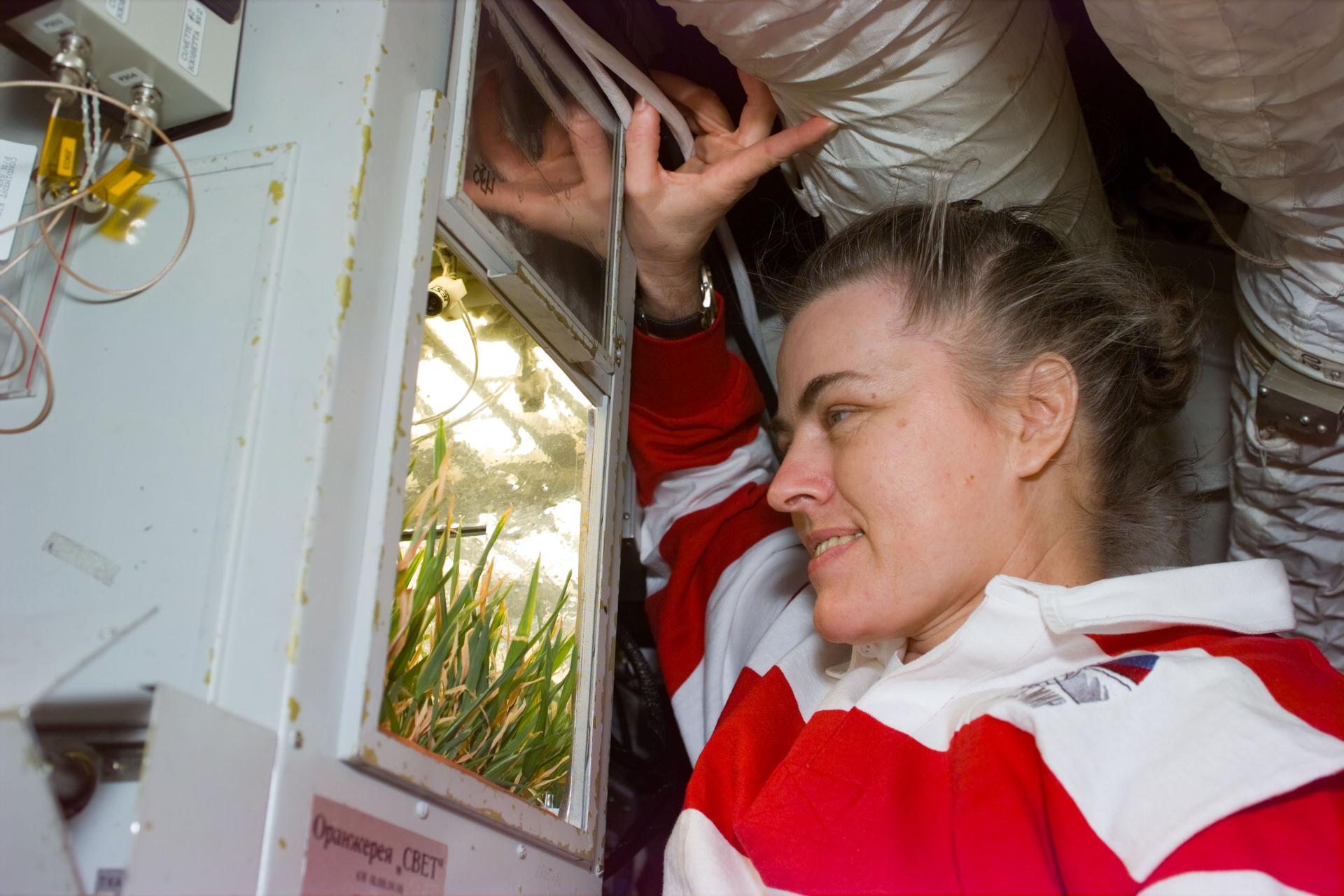



Robonaut Operations: Flight Engineer (FE)-3 Cassidy deployed and attached the Robonaut Taskboard and Robonaut in the U.S. Lab for ground commanded operations. Today the ground performed a checkout of the operating software which involved Robonaut performing large and small arm and finger motions while the ground monitored the generated forces. The purpose of Robonaut is …
Tools & Techniques (Subtleties of Color, Part 5 of 6)
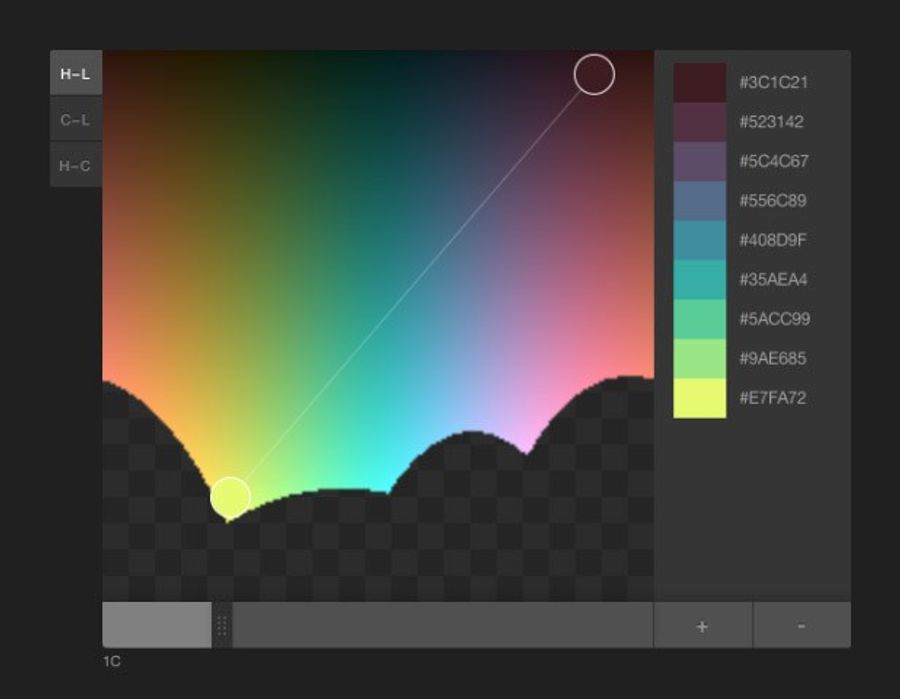
The Nuts and Bolts of Designing a Color Palette Knowing what makes a good palette for visualization, how to find and apply good examples, or create one from scratch? In my mind the best place to start is Color Brewer. Cynthia Brewer’s tool is popular for a reason: it explains the theory behind palette design, […]
ISS Daily Summary Report – 08/27/13
Extravehicular Mobility Unit (EMU) Troubleshooting: Flight Engineer (FE)-3 Cassidy performed a checkout of the Water Separator Screen on EMU serial number 3011. The checkout was terminated early once expected water was observed leaking from behind the helmet pad. During US Extravehicular Activity (EVA) 23, an excessive amount of water accumulated in the back of the …
ISS Daily Summary Report – 08/26/13
Mobile Servicing System (MSS) Status and Operations: Saturday, Robotics Ground Controllers powered up the MSS and used the Special Purpose Dexterous Manipulator (SPDM) on the Space Station Remote Manipulator System (SSRMS) to remove the Utility Transfer Assembly (UTA) from the H-II Transfer Vehicle (HTV) 4 Exposed Pallet (EP) and to install it on the SPDM …
August Puzzler Answer
A special congratulations to Cyndy Hunting for being our first reader to work out that the August puzzler showed Garden and Hog islands in northern Lake Michigan. After 19 puzzlers, this was the first time the correct answer came in as a comment on our Facebook page. Just a few hours after Cyndy nailed the […]
ISS Daily Summary Report – 08/23/13
Post Russia Extravehicular Activity (EVA) 35 Status: Following yesterdays 5 hour and 58 minute EVA, the ISS Crew went to sleep an hour later than usual. Today the entire crew woke up an hour late and the Russian crew had a half-duty day for the Russian crewmembers while the USOS crew works a shortened day. …
ISS Daily Summary Report – 08/22/13
Russian Extravehicular Activity (EVA) #35: Today’s EVA was performed by Flight Engineer (FE)-4 Yurchikhin and FE-2 Misurkin with a duration of 5 hours 59 min. The crew successfully completed the following tasks: Retrieved External Onboard Laser Communications Terminal (BTLS) from SM plane IV Universal Work Platform [УРM-Д] Installed protective covers on BTLS Installation of EVA …
ISS Daily Summary Report – 08/21/13
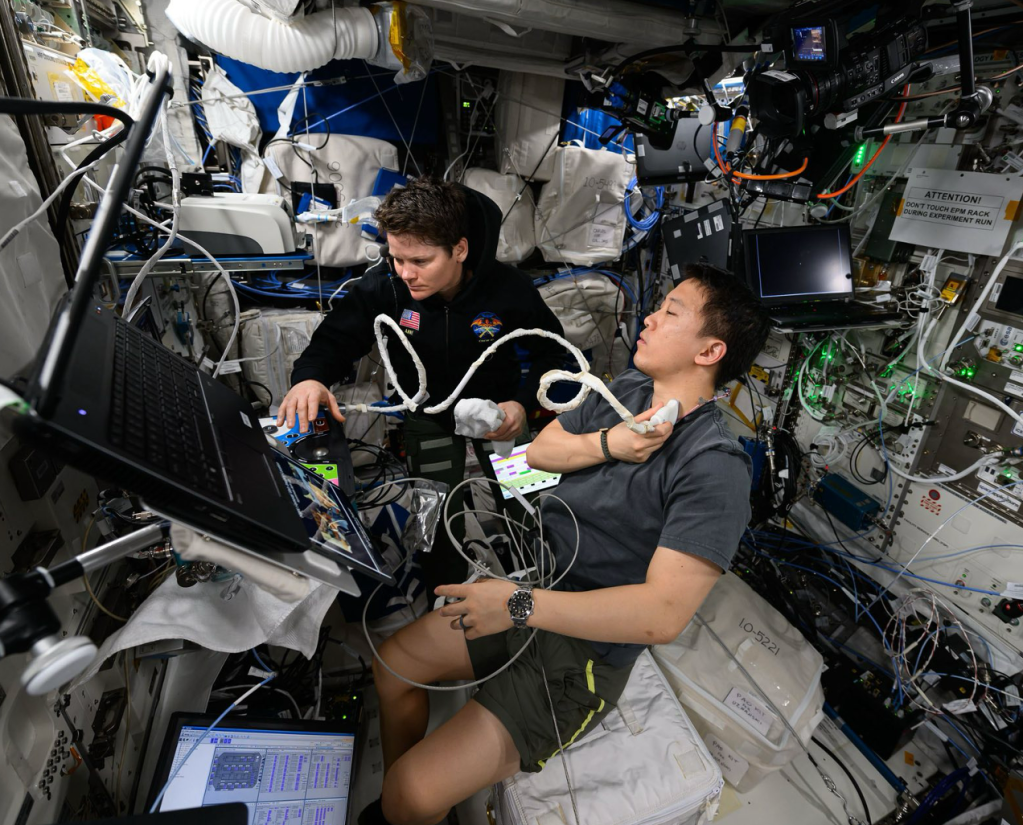
New Status: Spinal Ultrasound Operations: Flight Engineer (FE)-5 Parmitano, with FE-3 Cassidy’s assistance, performed his second of three Spinal Ultrasound Scan sessions for his stay onboard the ISS. This investigation aims to characterize microgravity-associated spinal alterations during and after spaceflight using in-flight ultrasound. Results from this research will provide data to enhance crew health for …
ISS Daily Summary Report – 08/20/13
New Status: Spinal Ultrasound Operations: Flight Engineer (FE)-3 Cassidy performed his final of three Spinal Ultrasound Scan sessions for his stay onboard the ISS. This investigation aims to characterize microgravity-associated spinal alterations during and after spaceflight using in-flight ultrasound. Results from this research will provide data to enhance crew health for long duration space missions. …
August Puzzler
Each month, Earth Observatory offers up a puzzling satellite image here on Earth Matters. The nineteenth puzzler is above. Your challenge is to use the comments section to tell us what part of the world we are looking at, when the image was acquired, and why the scene is interesting. How to answer. Your answer […]