The SpaceX Falcon Heavy carrying NASA’s Nancy Grace Roman Space Telescope has completed a rapid series of ascent milestones.
NASA’s Roman Space Telescope: Falcon Heavy Upper Stage Takes Over







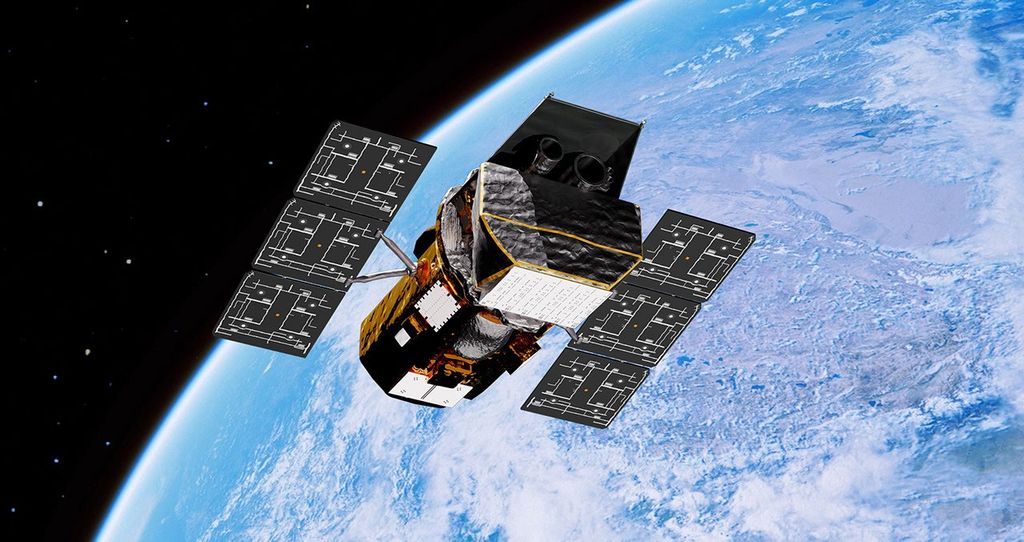





The SpaceX Falcon Heavy carrying NASA’s Nancy Grace Roman Space Telescope has completed a rapid series of ascent milestones.

The two side boosters on the SpaceX Falcon Heavy carrying NASA’s Nancy Grace Roman Space Telescope have separated from the center core.

The SpaceX Falcon Heavy carrying NASA’s Nancy Grace Roman Space Telescope passed Max Q, the point of maximum aerodynamic pressure during ascent. Max Q occurs when the combination of the rocket’s speed and surrounding air pressure places the greatest mechanical stress on the rocket.

NASA’s Nancy Grace Roman Space Telescope lifted off at 7:26 a.m. EDT aboard a SpaceX Falcon Heavy from Launch Complex 39A at NASA’s Kennedy Space Center in Florida.
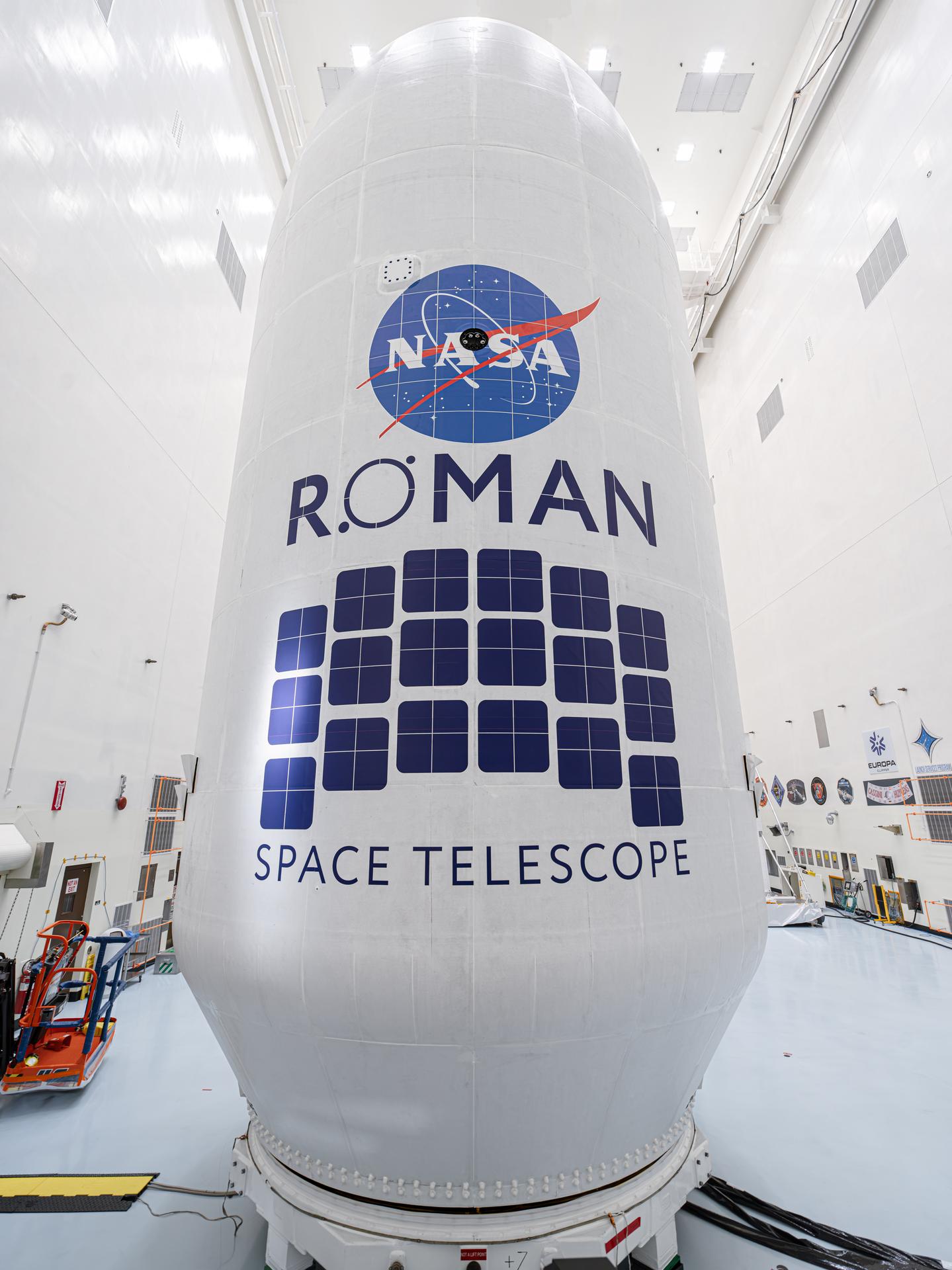
NASA Launch Manager Dr. Denton Gibson has given NASA’s Nancy Grace Roman Space Telescope mission a “go” to proceed toward launch.
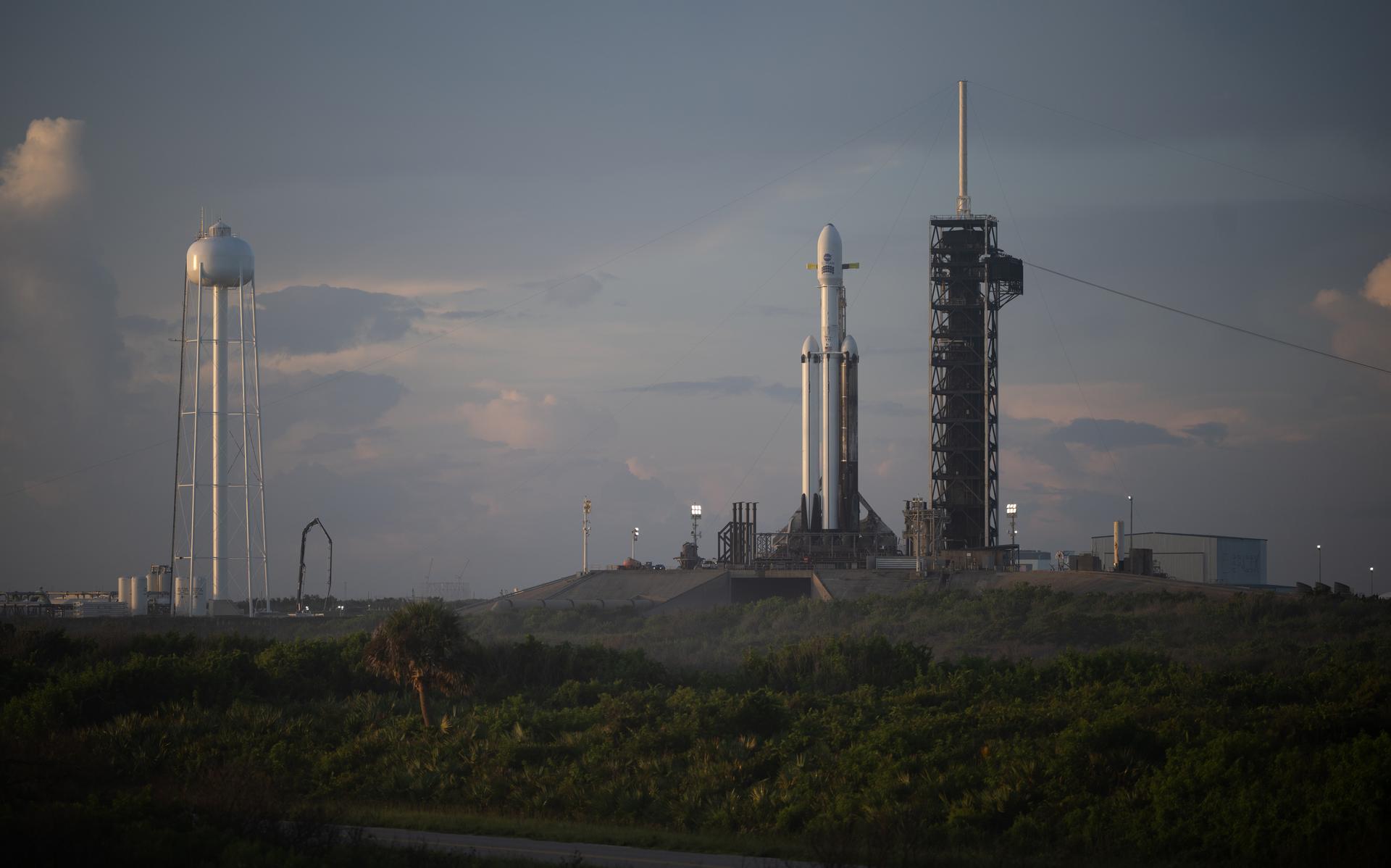
SpaceX confirms Falcon Heavy has begun engine chill, flowing a small amount of supercold propellant through its engines to condition them for ignition.
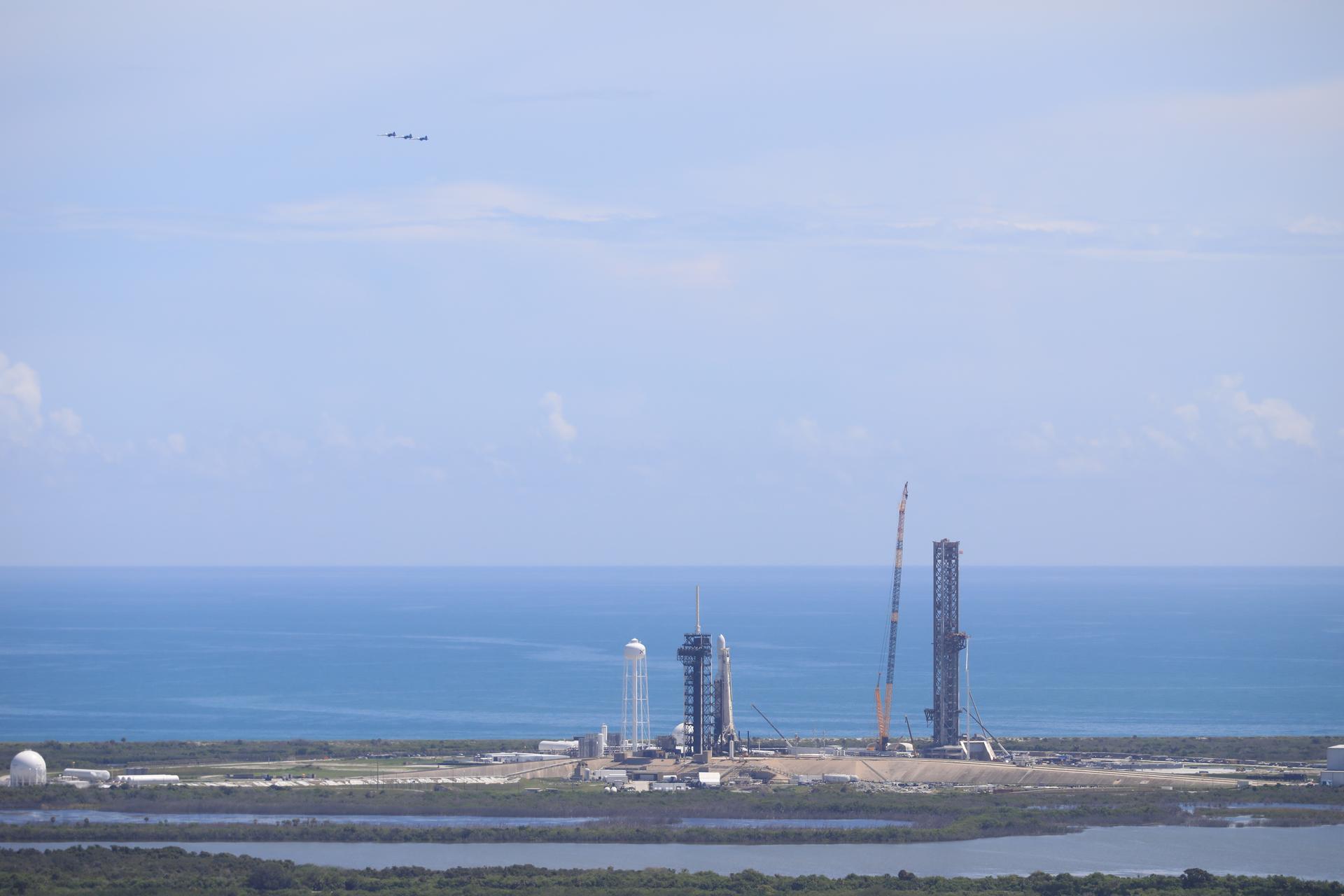
SpaceX confirms that liquid oxygen, or LOX, loading is now underway for Falcon Heavy’s second stage. All the major propulsion elements of the rocket carrying NASA’s Nancy Grace Roman Space Telescope spacecraft are now in propellant-loading operations at NASA’s Kennedy Space Center in Florida.
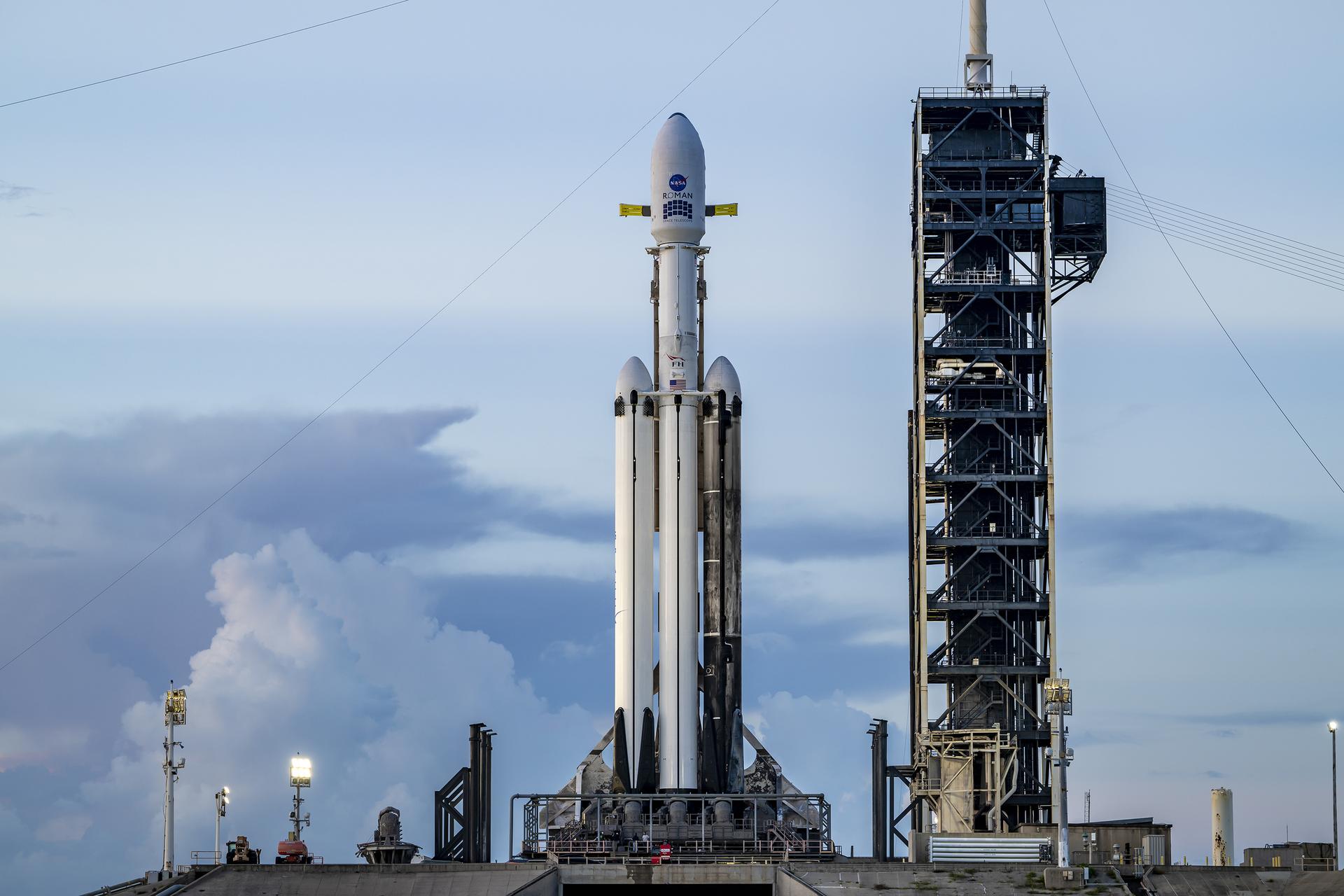
SpaceX has confirmed that second stage fueling is now underway for the Falcon Heavy rocket, carrying NASA’s Nancy Grace Roman Space Telescope spacecraft from NASA’s Kennedy Space Center in Florida.
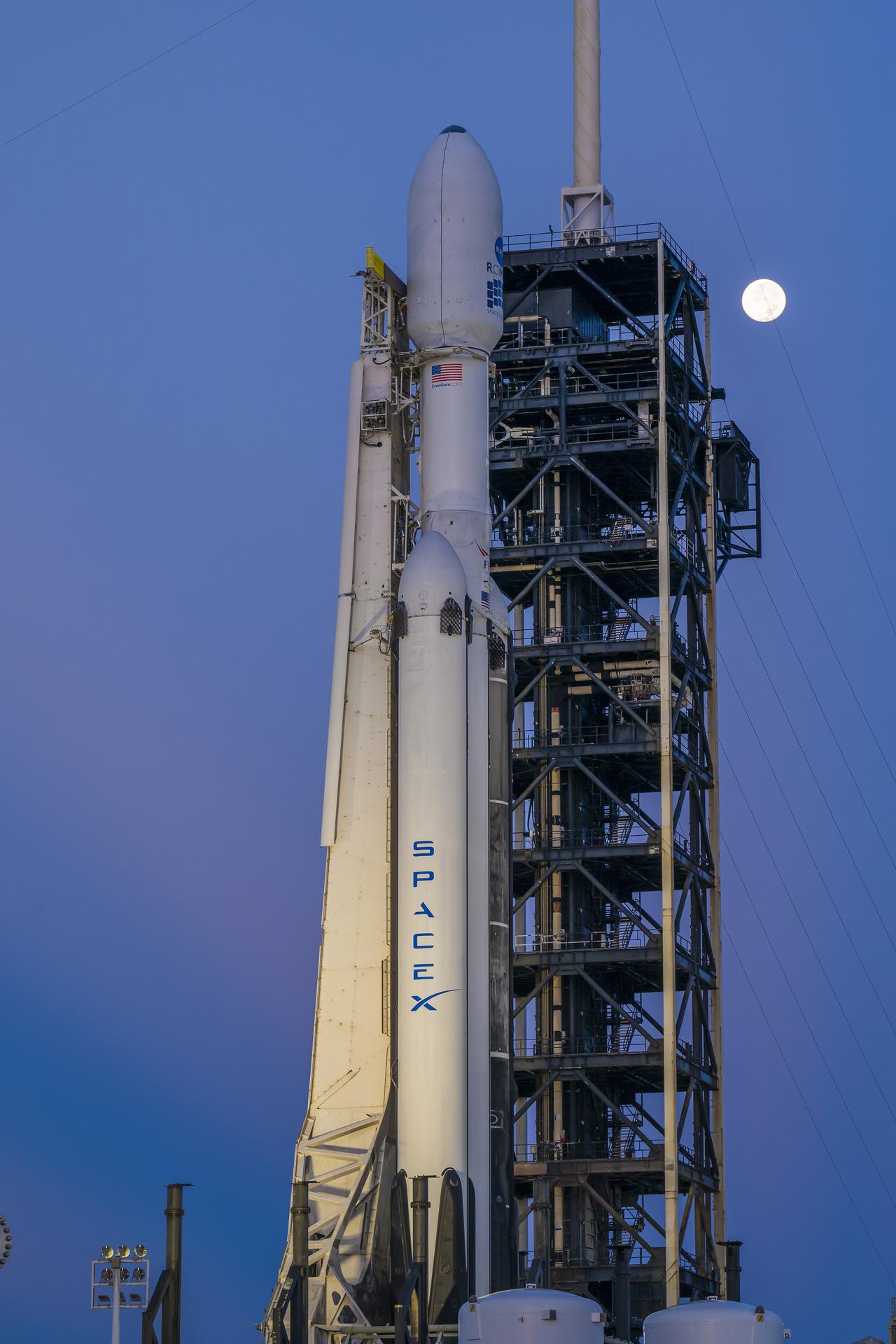
SpaceX confirms that liquid oxygen, or LOX, is now being loaded into Falcon Heavy’s three first-stage cores at NASA’s Kennedy Space Center in Florida.
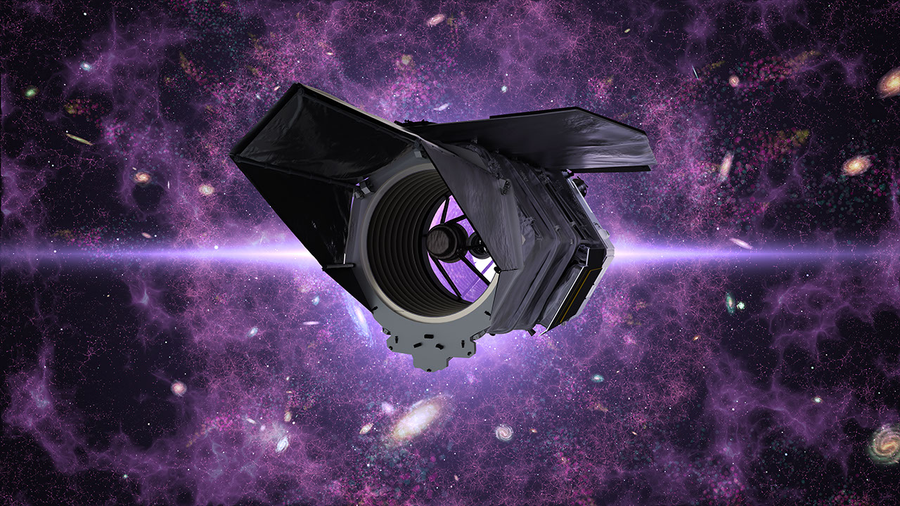
After receiving a “go” from the NASA team, the SpaceX launch director verified Falcon Heavy is ready to begin propellant-loading operations at Launch Complex 39A at NASA’s Kennedy Space Center in Florida.