











SeaSTAR
SeaSTAR (Sea-going Sky-Scanning Sun-tracking Atmospheric Research Radiometer) is a ship-based instrument for aerosol characterization over the ocean. SeaSTAR aims to provide multi-spectral aerosol optical depth (AOD) and aerosol optical properties using a custom-built robotic sun/sky photometer.
TYPE
Radiometry and Atmospheric Remote Sensing
DUration
Active [CONFIRM DATES]
PRINCIPAL INVESTIGATOR
Stephen Broccardo
Overview
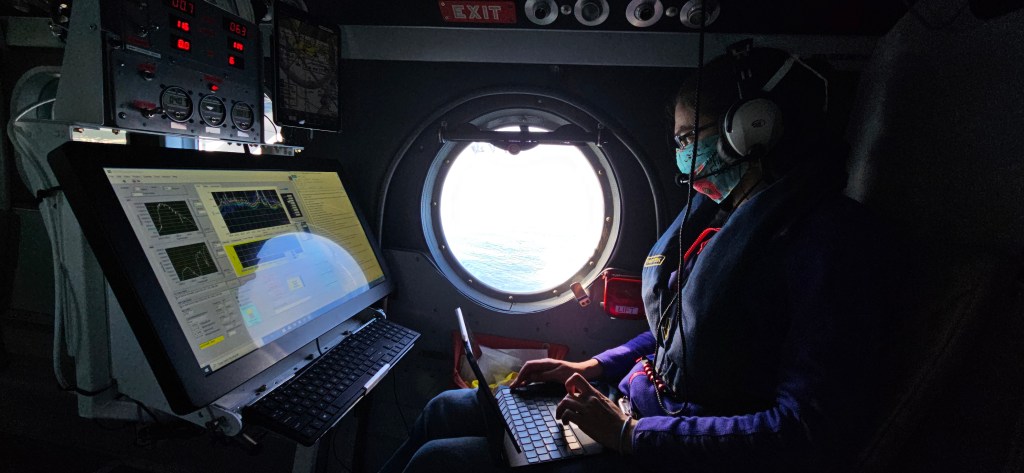
SeaSTAR, which stands for Sea-going Sky-Scanning Sun-tracking Atmospheric Research Radiometer, is a robotic ship-mounted instrument designed to measure aerosol optical depth and aerosol optical properties across multiple wavelengths. The instrument will collect high-resolution atmospheric measurements at sea to support validation of observations from the PACE satellite.
What is SeaSTAR?
SeaSTAR aims to provide precise measurements of atmospheric aerosols using a custom-built robotic sun/sky photometer designed to operate from moving research vessels. The instrument measures sunlight and polarized sky radiance across multiple wavelengths to retrieve aerosol optical depth and other aerosol properties. These ship-based observations will be used to validate atmospheric measurements collected by NASA’s PACE satellite.
SeaSTAR Science Objectives
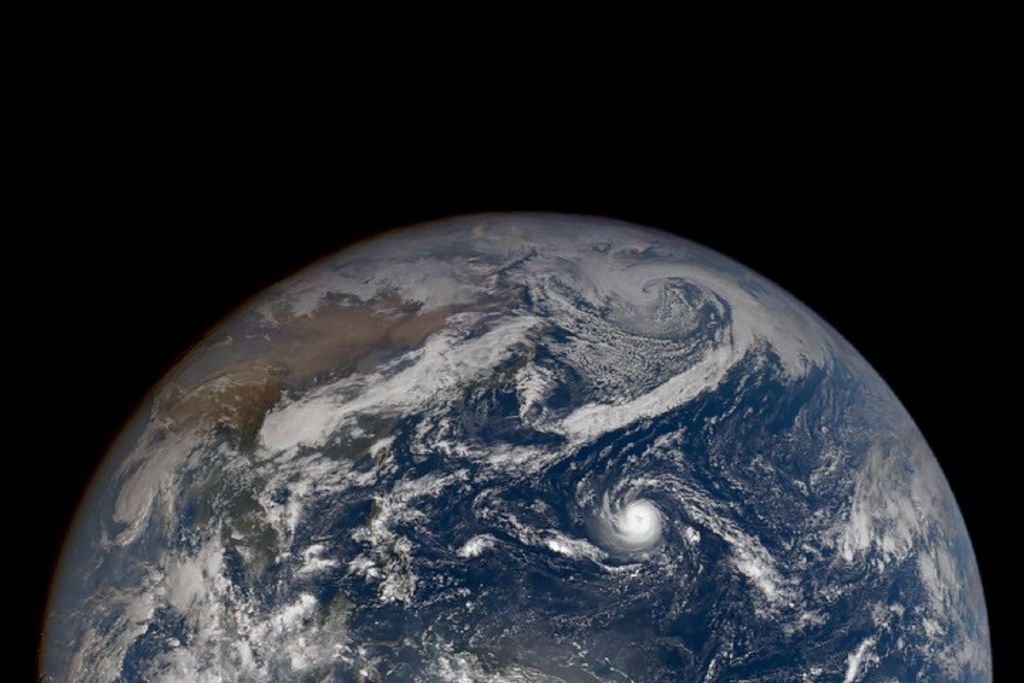
Aerosols in the atmosphere strongly influence the signals satellites receive when observing the ocean. Because the ocean surface is relatively dark, most of the light detected by space-based sensors actually comes from the atmosphere rather than the ocean itself. Accurately quantifying aerosols is therefore essential for separating atmospheric signals from ocean signals in satellite observations. SeaSTAR addresses this challenge by measuring direct solar radiation and polarized skylight using a high-precision photometer and polarimeter on the ocean surface. These measurements provide detailed information about aerosol optical depth and aerosol properties across a wide spectral range, enabling researchers to test and improve the algorithms used to interpret satellite data.
Together, these areas of research will answer:
- How accurately can satellite instruments retrieve aerosol optical depth and aerosol properties over the ocean compared with high-resolution ship-based observations?
- How do aerosol properties and concentrations vary over open ocean environments during satellite validation campaigns?
- How can improved aerosol measurements enhance atmospheric correction algorithms used for ocean-color observations from space?
What can SeaSTAR teach us about how satellites see the ocean?
Because most of the light satellites detect over the ocean comes from the atmosphere, measuring aerosols from ships helps scientists confirm that satellite data are interpreted correctly. This improves our ability to monitor marine ecosystems and atmospheric conditions from space.