





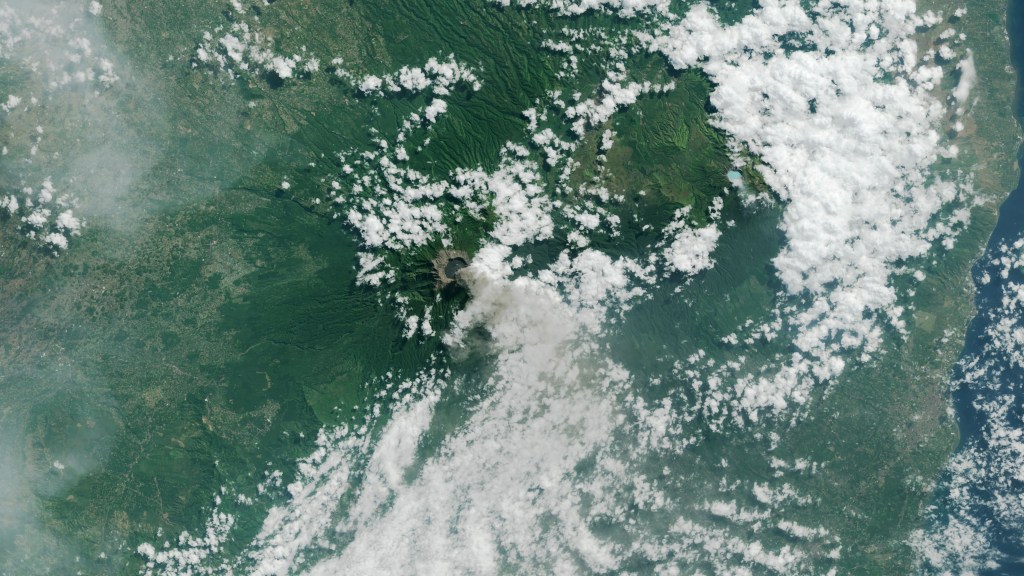

RUMMBLE
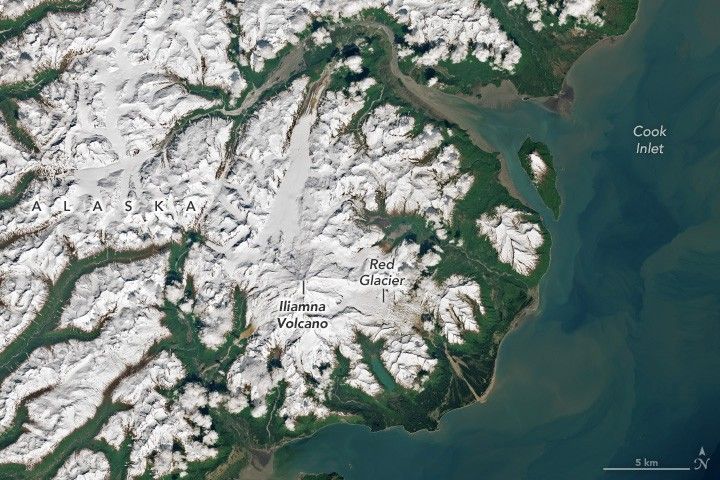
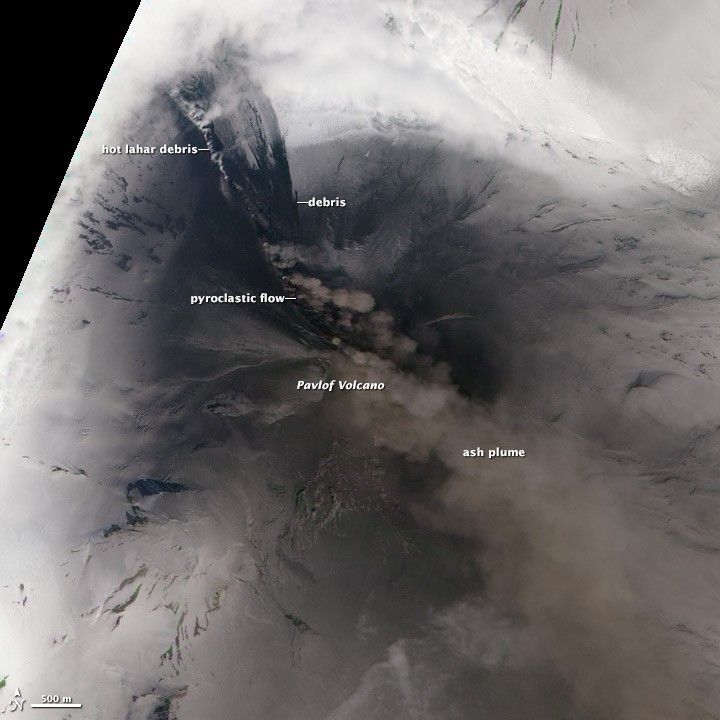
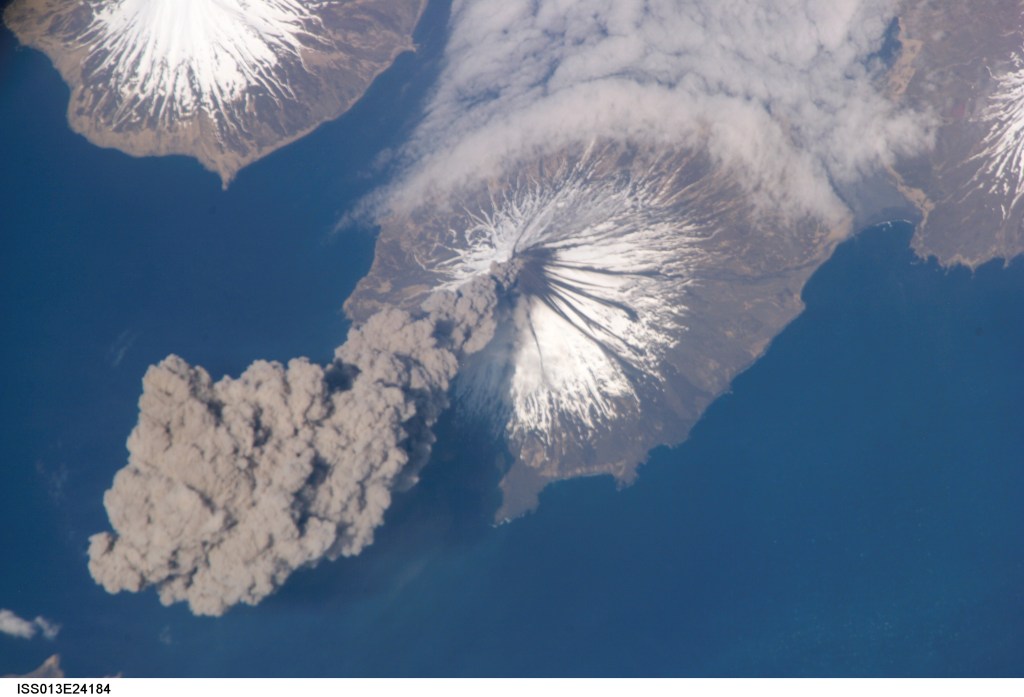
RUMMBLE (Remote-sensing Underground Magma Movement Before Large Eruptions) is an interdisciplinary team bringing together atmospheric remote sensing and modeling, geophysical modeling, and field observations of volcanoes, focusing on eruptive and pre-eruptive volcanic activity in Alaska, Hawaii, Costa Rica and the continental U.S.
TYPE
Remote Sensing
DUration
Project Duration [?]
PRINCIPAL INVESTIGATOR
Stephen Broccardo
Overview
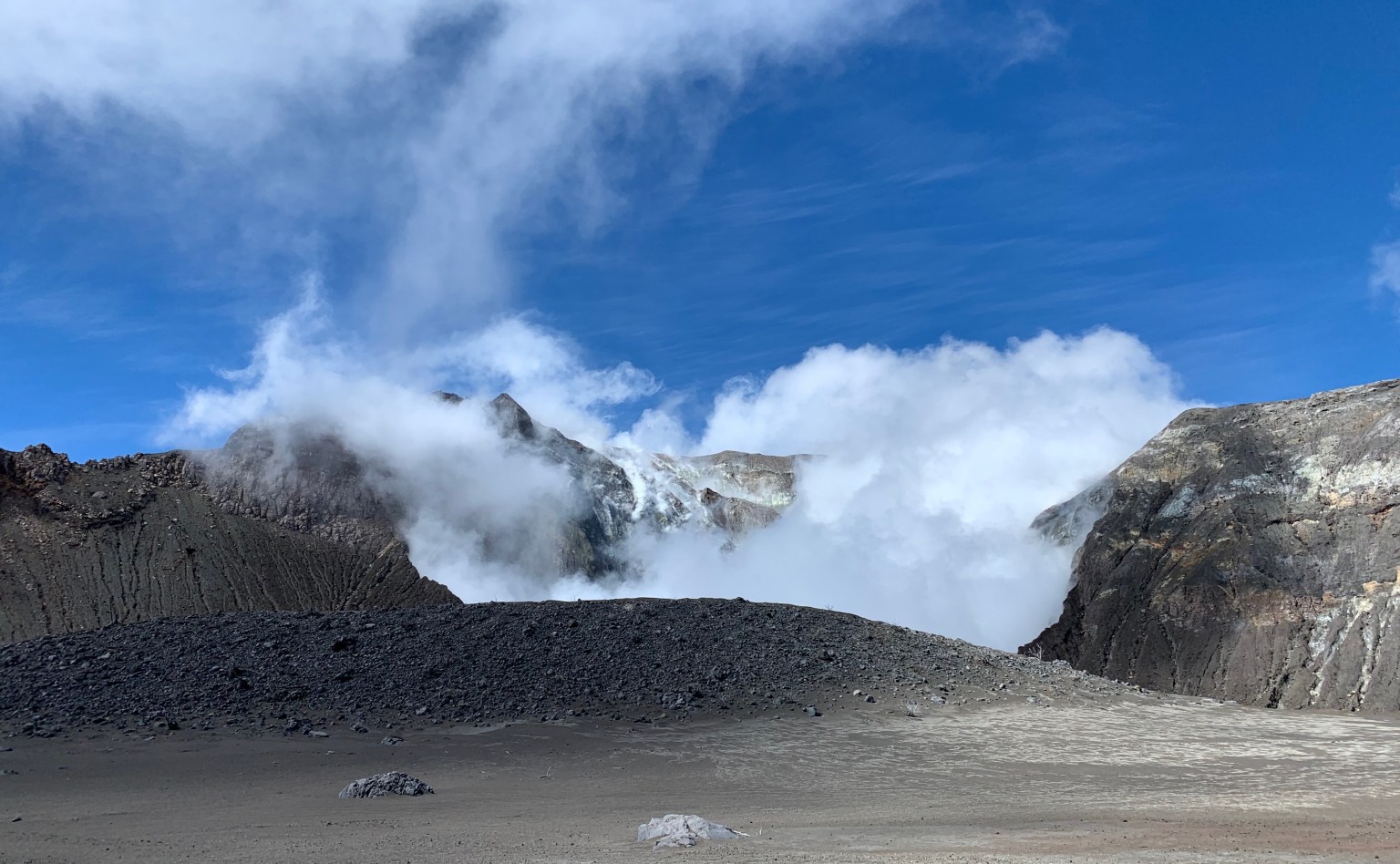
RUMMBLE, which stands for Remote-sensing Underground Magma Movement Before Large Eruptions, investigates how magma movement beneath volcanoes can be detected using space-based observations. The project focuses on measuring volcanic gas emissions and improving remote-sensing techniques to identify early warning signs of eruptions.
What is RUMMBLE?
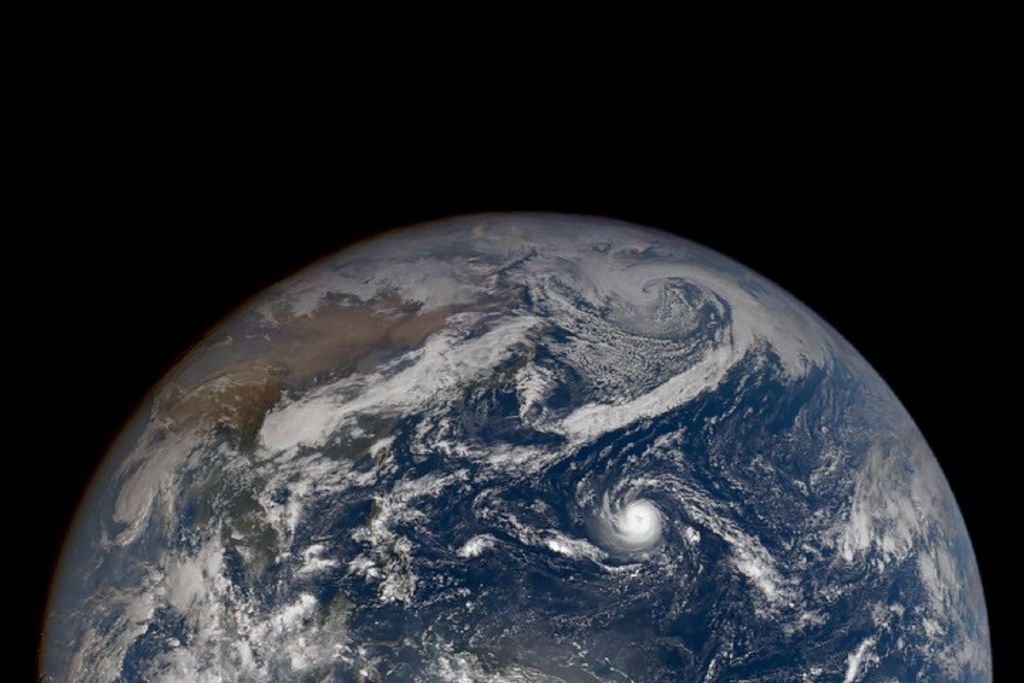
The goal of RUMMBLE is to improve the detection of underground magma movement by observing changes in volcanic gas emissions from space. As magma rises toward the surface, it releases gases such as carbon dioxide and sulfur dioxide, which can serve as early indicators of volcanic unrest. Because many volcanoes worldwide lack continuous ground-based monitoring, satellite observations provide an important opportunity to track these signals globally. RUMMBLE focuses on developing improved methods for measuring and interpreting volcanic gas fluxes from space.
RUMMBLE Science Objectives
One of the earliest indicators of an impending volcanic eruption is a change in the total degassing flux and the composition of gases emitted from a volcano. As magma rises through the crust, dissolved gases escape and are released at the surface, producing measurable changes in atmospheric gas concentrations. Since most volcanoes around the world remain unmonitored by ground instruments, satellite observations provide a valuable tool for detecting these signals remotely. However, accurately measuring volcanic gas fluxes from space is challenging because atmospheric aerosol particles can interfere with observations. Depending on their composition, quantity, and position in the atmospheric column, aerosols can scatter or absorb light and introduce biases in satellite measurements, either increasing or decreasing the observed trace-gas concentrations. A central scientific objective of RUMMBLE is to better understand and model these atmospheric effects so that satellite observations can more reliably detect changes in volcanic gas emissions associated with magma movement beneath volcanoes.
Together, these areas of research will answer:
- How can satellite observations detect changes in volcanic gas flux that indicate underground magma movement?
- How do atmospheric aerosols influence satellite measurements of volcanic gases, and how can these biases be corrected?
- How can improved gas-flux measurements help identify early warning signs of volcanic eruptions?
What can RUMMBLE teach us about volcanic gas emissions before eruptions?
By combining satellite observations, atmospheric modeling, and field measurements, the project helps scientists better identify early warning signs of volcanic activity by linking changes in gas emissions to processes occurring beneath volcanoes.