
















The SCaN Networks
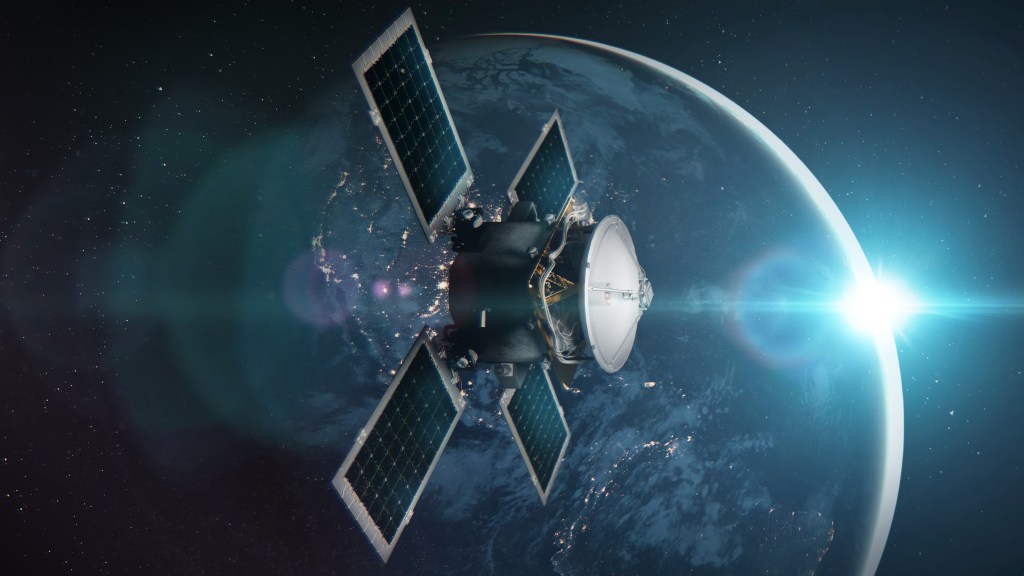
NASA’s space communications and navigation capabilities rest on two complementary networks that have evolved over seven decades to enable exploration from Earth orbit to the edge of interstellar space. Together, these networks form an integrated architecture that ensures continuous connectivity for missions from the International Space Station 250 miles above Earth to Voyager at the edge of the solar system.
History of the Networks
Some pieces of the SCaN (Space Communications and Navigation) Program are older than NASA itself. The Deep Space Network, managed by NASA’s Jet Propulsion Laboratory with antenna complexes in California, Spain, and Australia, tracks missions at the Moon and beyond. The Near Space Network, made up of global ground stations and satellite relay systems, supports spacecraft in low Earth and lunar orbits. These networks work together, handing off responsibilities across missions to keep spacecraft connected to Earth.
Location
Global
First network antenna
1957
active missions
100+
first NASA missioN
Explorer 1
A Visual History



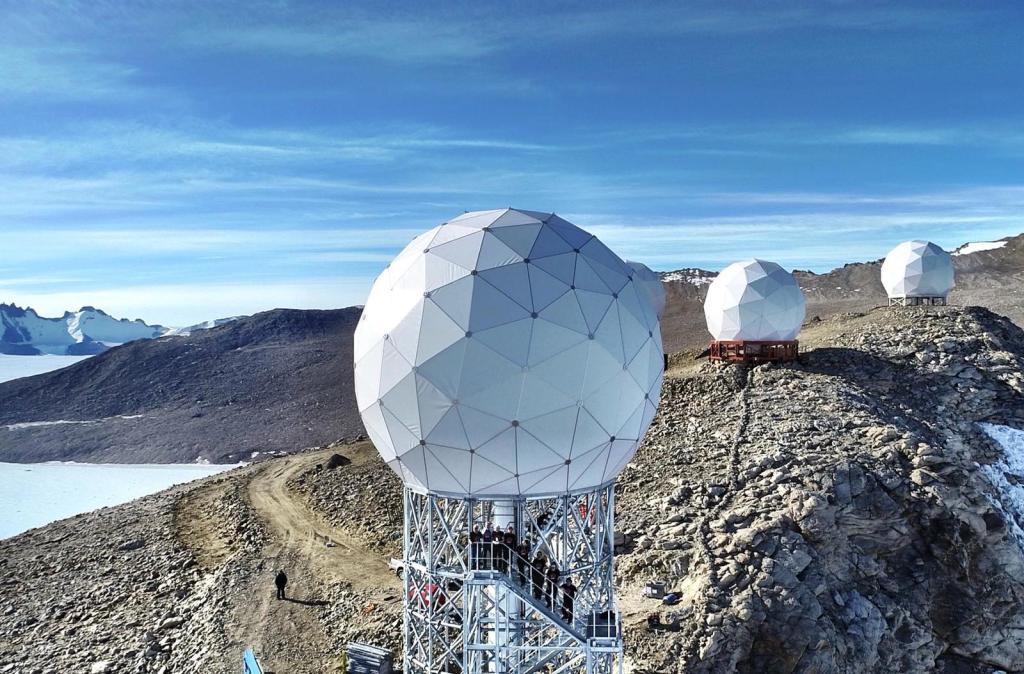
NASA’s Twin Networks
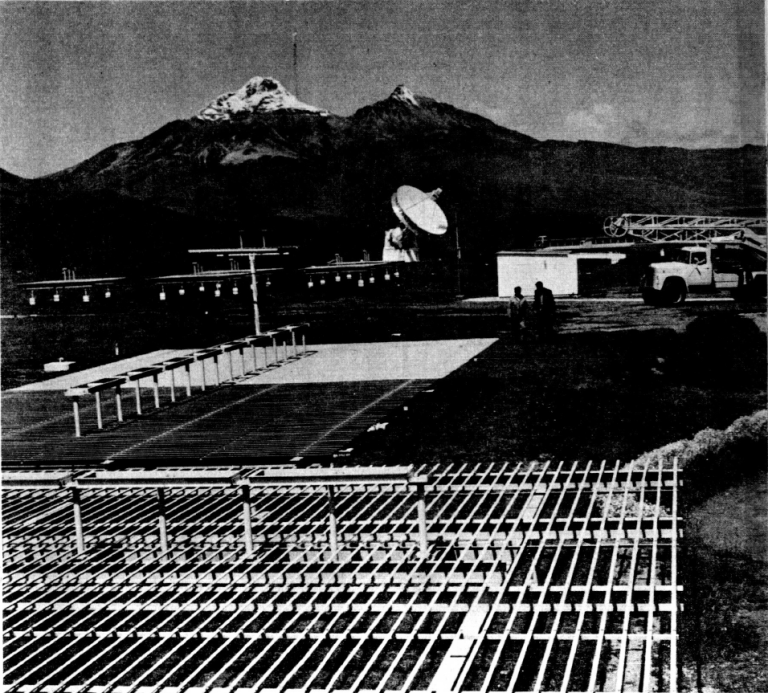
Pre-NASA Origins: Tracking the First Artificial Satellites
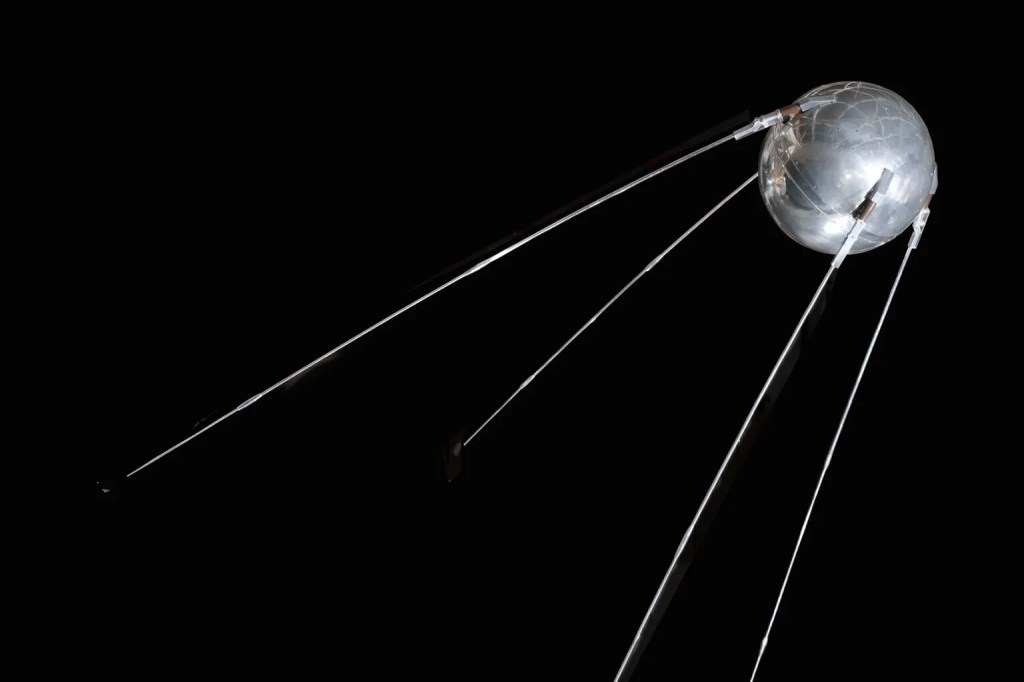
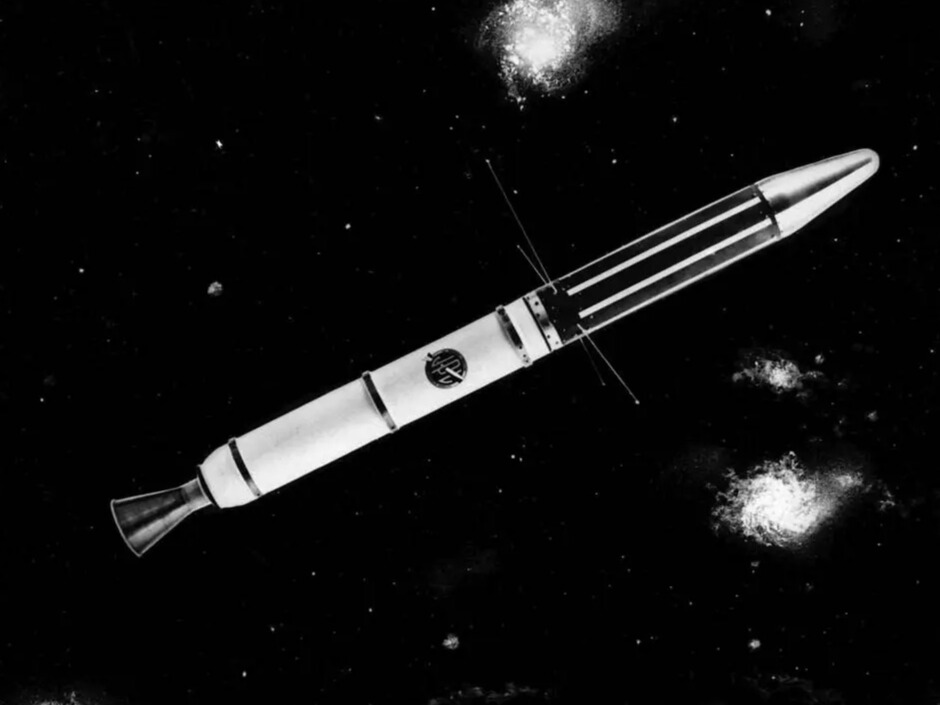
Even before NASA existed, America was building satellite tracking capabilities. The Minitrack Network, developed by the Naval Research Laboratory, began with a ground station in Blossom Point, Maryland and grew into ten ground stations stretching from Santiago, Chile to Grand Turk in the Turks and Caicos Islands. In 1957, the network tracked the Soviet Union’s Sputnik, the world’s first artificial satellite. The ground stations could only “see” Sputnik for a limited part of its orbit, and data moved at only 30 bits per second — about the speed of an early electromechanical typewriter called a teletype machine. When Explorer 1 launched on January 31, 1958, the Jet Propulsion Laboratory’s portable tracking stations in Nigeria, Singapore, and California received signals eight months before NASA was officially established.
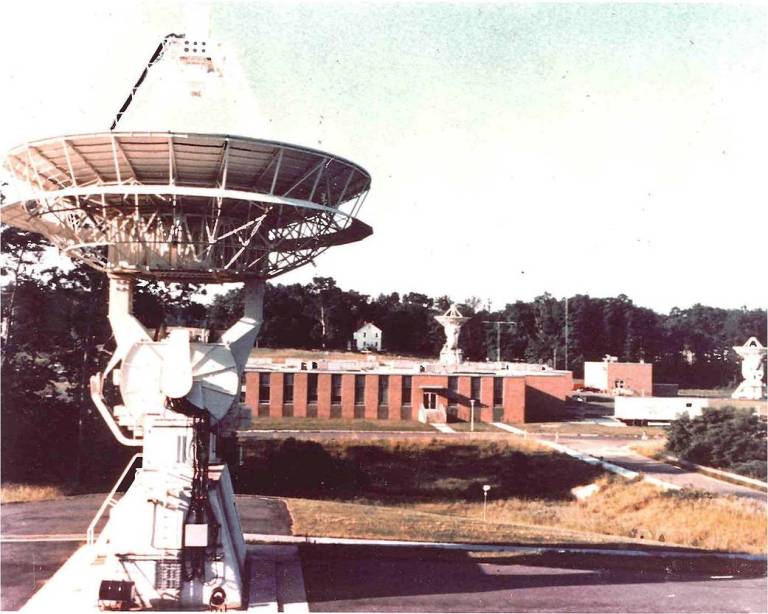
Starting Small and Closing Gaps
Space communications systems have come a long way. NASA absorbed the Minitrack Network when it was officially established in 1958, and with it the principles that would guide NASA’s communications for decades: global distribution of ground stations to maximize space coverage, redundancy for reliability, and international partnerships for worldwide reach. The Satellite Tracking and Data Acquisition Network (STADAN) replaced Minitrack in the early 1960s to support science and weather satellites, beginning with the construction of 26-meter dish antennas in Fairbanks, Alaska in May 1962.
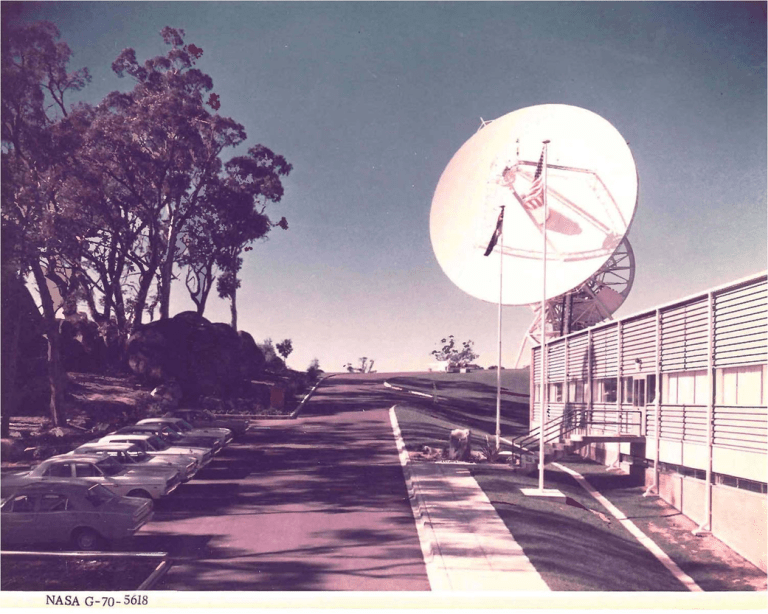
Building the Deep Space Network
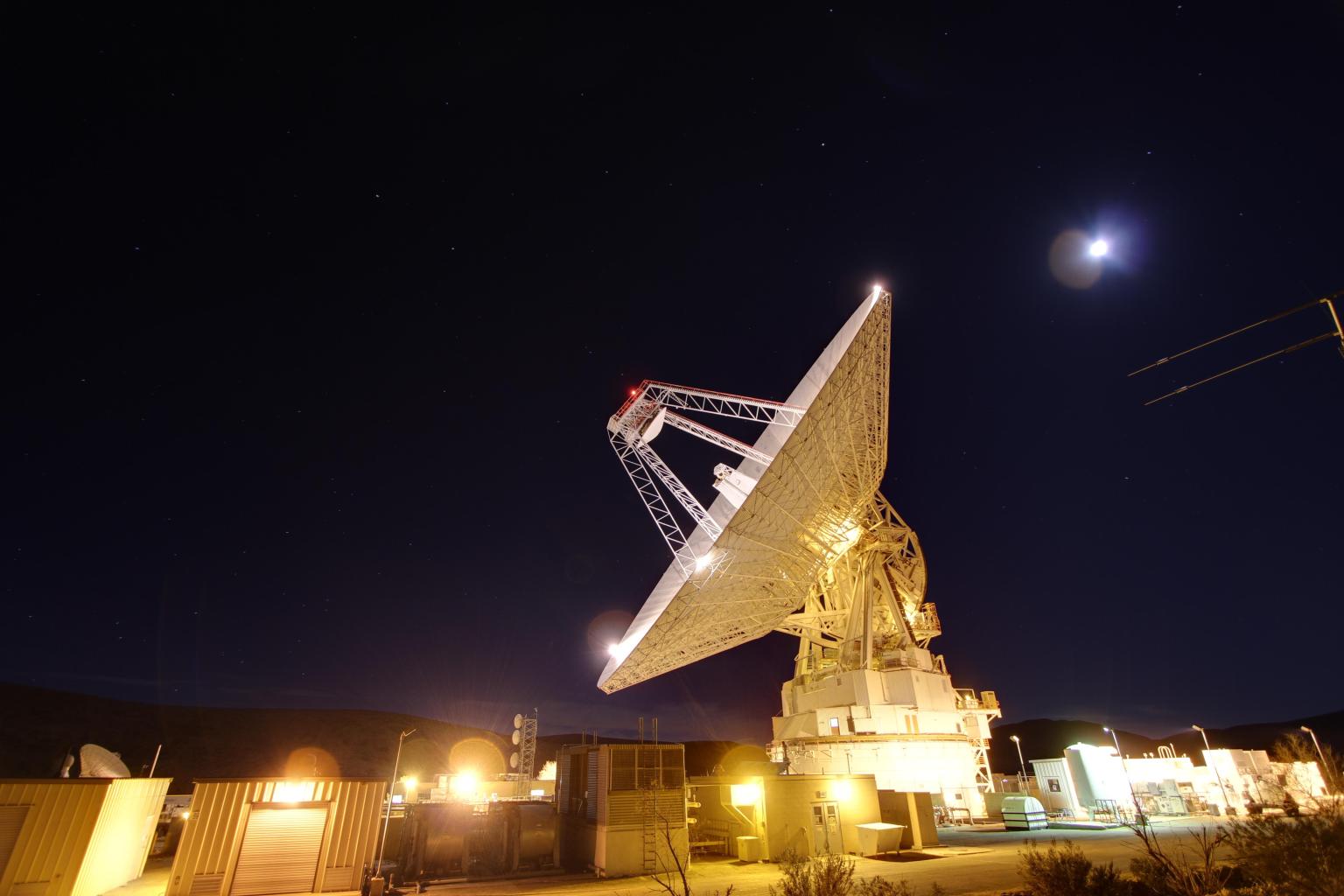
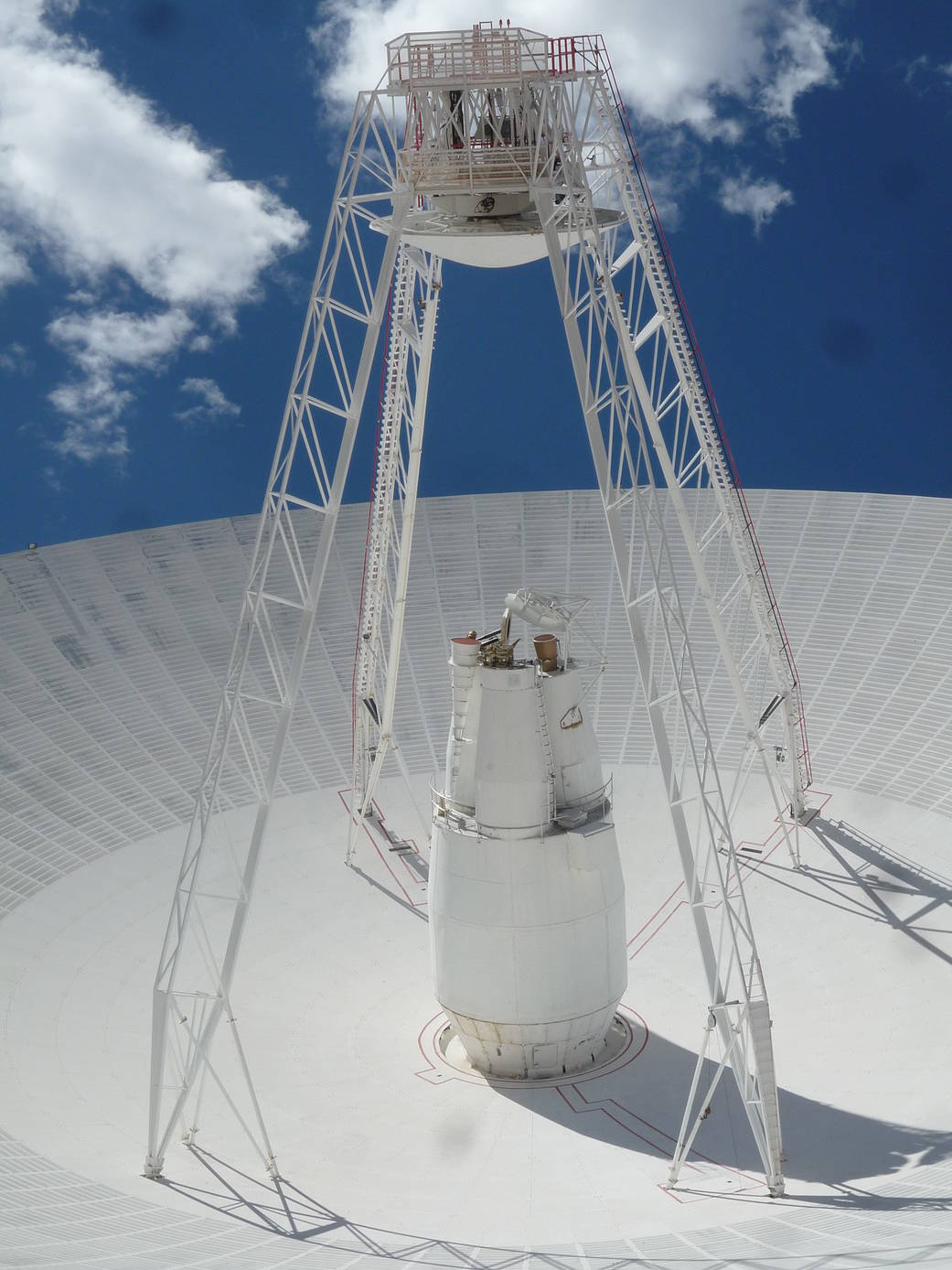
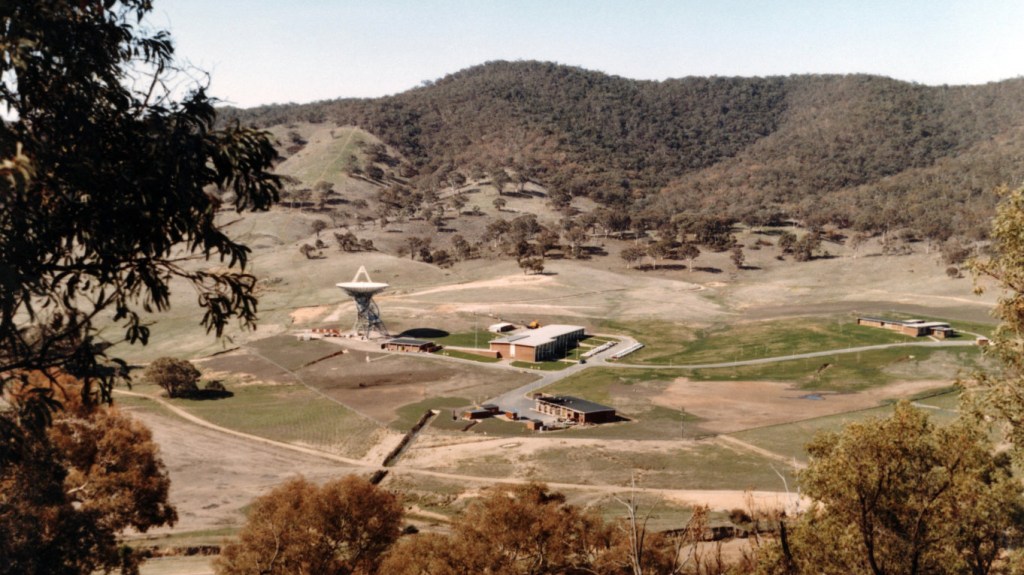
Three Manned Space Flight Network stations handled communications during NASA’s Moon missions: the Goldstone station in California’s Mojave Desert, the Fresnedillas station near Madrid, and Honeysuckle Creek near Canberra, Australia. The Deep Space Network was established when the ground stations were connected to the Jet Propulsion Laboratory’s Space Flight Operations Facility in 1963, creating one unified system dedicated to tracking spacecraft beyond Earth’s orbit. All three main sites, built between 1958 and 1965, have made historic contributions to space exploration. Goldstone station’s DSS-14, the 70-meter “Mars Antenna,” has the world’s only planetary radar system, and the station has supported missions from Mariner to the Perseverance Mars rover. The Manned Space Flight Network station at Fresnedillas de la Oliva, near Madrid, Spain, received Neil Armstrong’s words: “Houston, Tranquility Base here. The Eagle has landed,” and its DSS-56 was the first antenna that could handle all of the Deep Space Network’s frequencies. Canberra’s station handles about 42% of all deep space mission data, and its DSS-43 is the only antenna on Earth that can send commands to Voyager 2. After the Fresnedillas station closed in 1985, its antenna was relocated to the nearby Robledo de Chavela Complex, which today serves as NASA’s Madrid Deep Space Communications Complex.
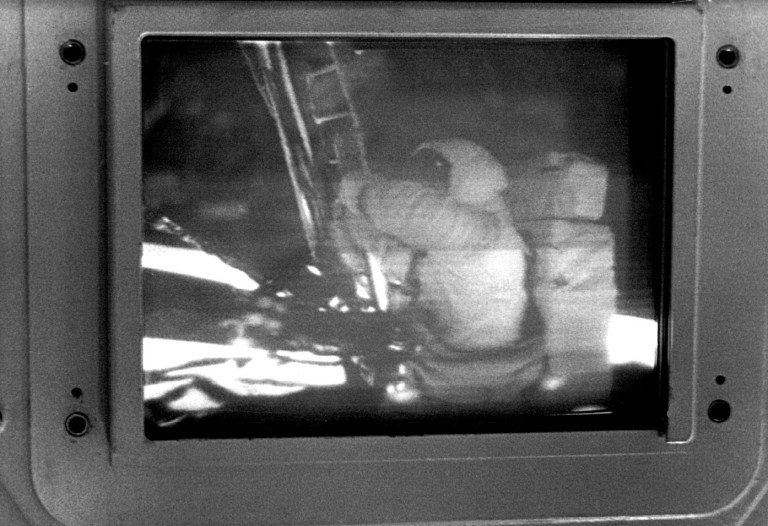
Apollo 11: Watching History Through NASA’s Networks
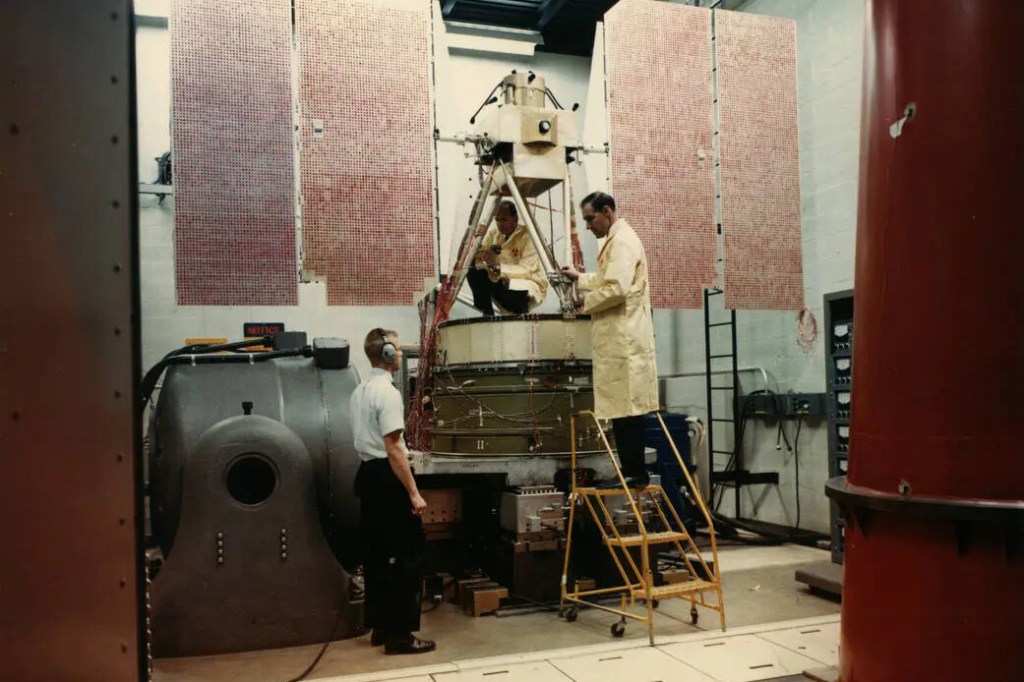
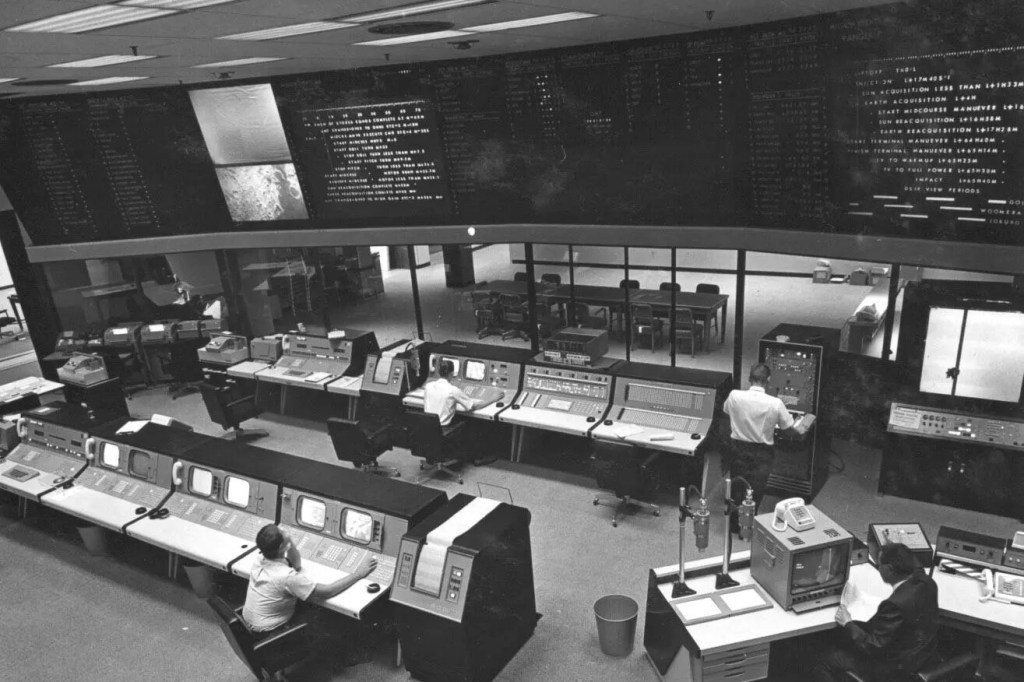
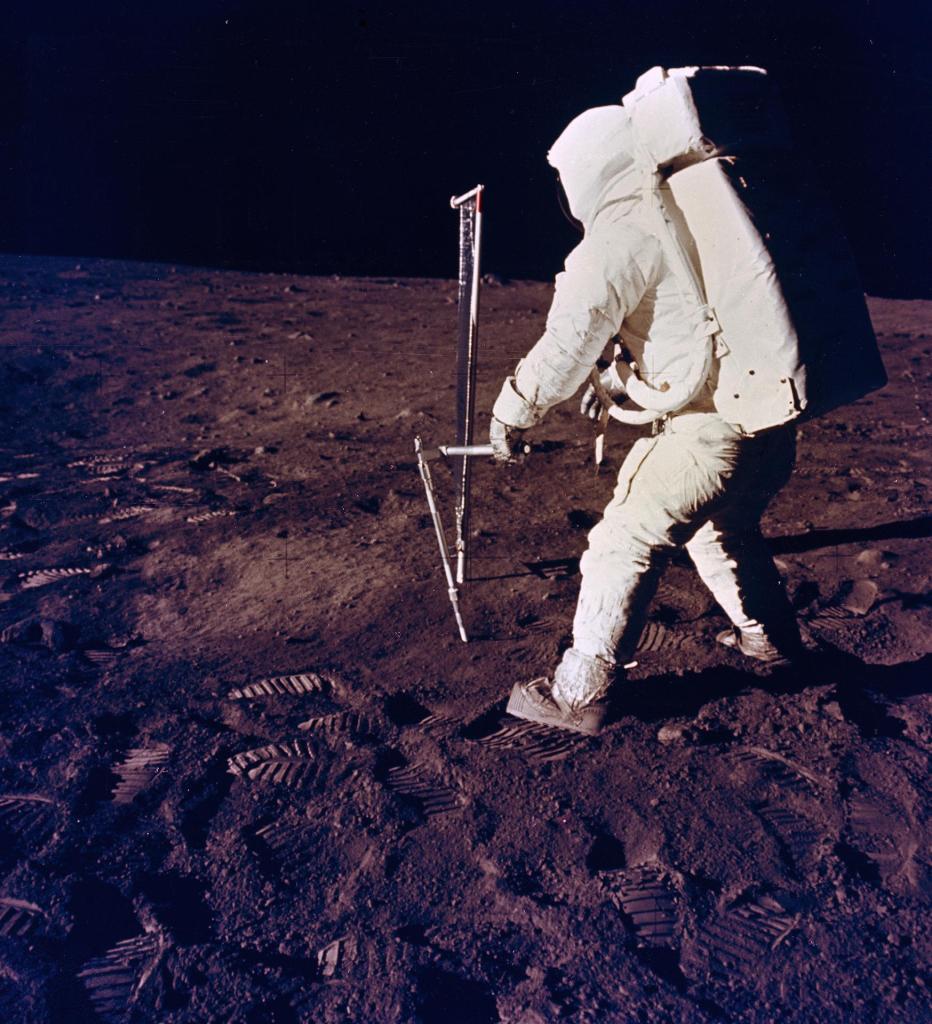
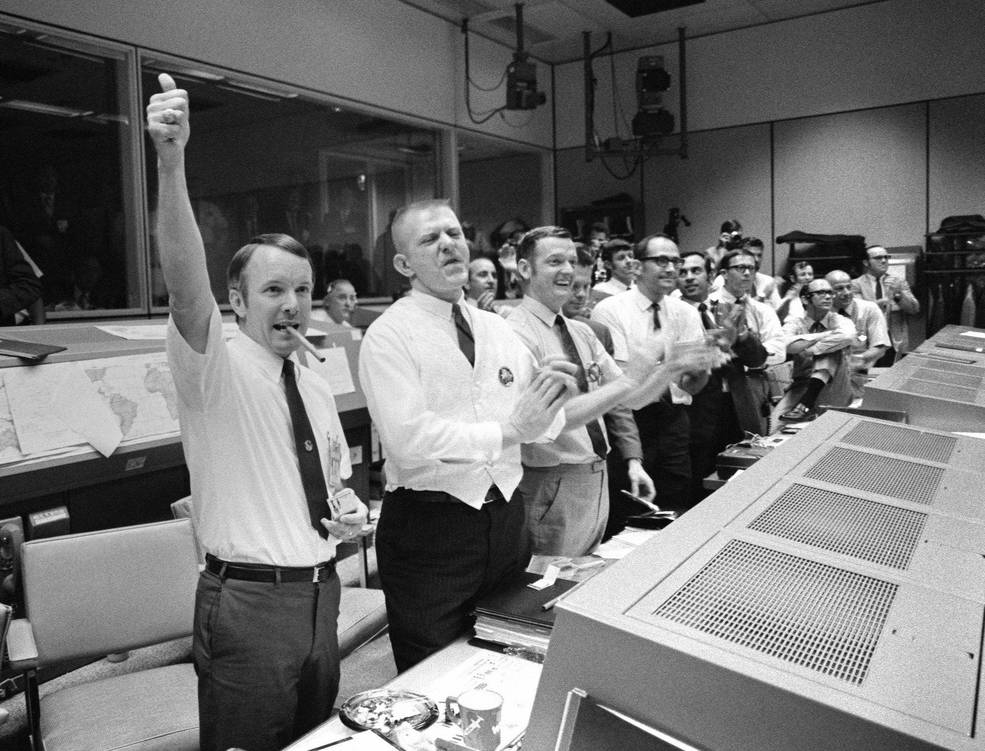
Human spaceflight required unprecedented communications capabilities. For near Earth missions, the Mercury Space Flight Network, completed in July 1961, included 18 ground stations and two naval ships to maintain contact with astronauts orbiting at 17,500 miles per hour. These resources were expanded into the Manned Space Flight Network during Gemini and Apollo to 29 ground stations and five tracking ships. The Unified S-Band system, first flown on Apollo 4 in 1967, combined tracking, ranging, telemetry, voice, command, and television into a single integrated system achieving ranging precision within 15 meters from 250,000 miles away. The innovation allowed controllers at the Manned Space Flight Network and Deep Space Network sites to simultaneously track both the Command Module orbiting the Moon and the Lunar Module on the surface. Both were essential to bringing astronauts Neil Armstrong, Buzz Aldrin, and Michael Collins home safely following their historic journey to the Moon.
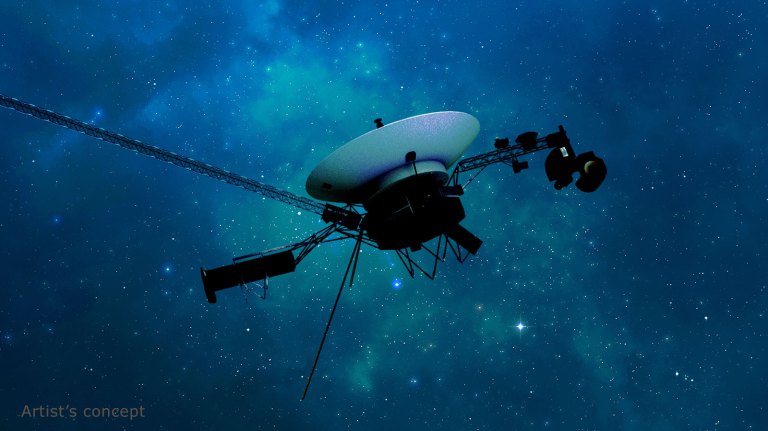
Reaching the Ends of the Solar System
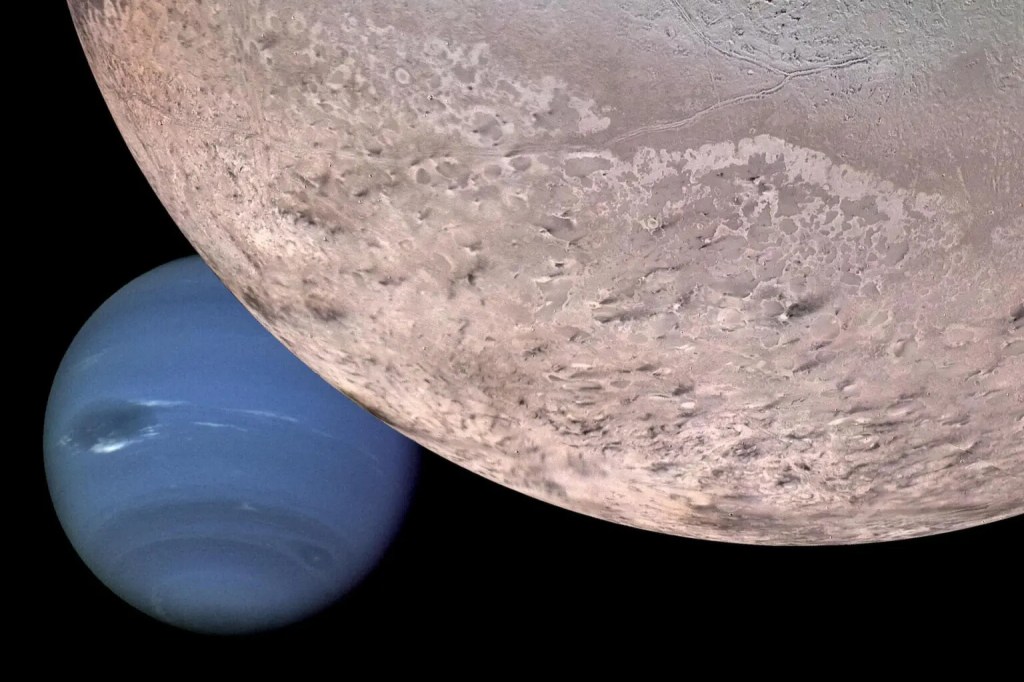
The three Deep Space Network antenna complexes are positioned 120 degrees apart around the globe to ensure spacecraft never lose contact with Earth as the planet rotates. Each complex now houses multiple antennas, including massive 70-meter dishes that can detect signals from billions of miles away. All three started with 64-meter dishes that were expanded to 70-meters in the 1980s to continue connecting with Voyager 2 as it flew past Neptune. The dish antennas weigh nearly 3,000 tons, float on thin films of oil like giant air hockey pucks, and are surface-accurate to within one centimeter across an area about two-thirds the size of a football field.
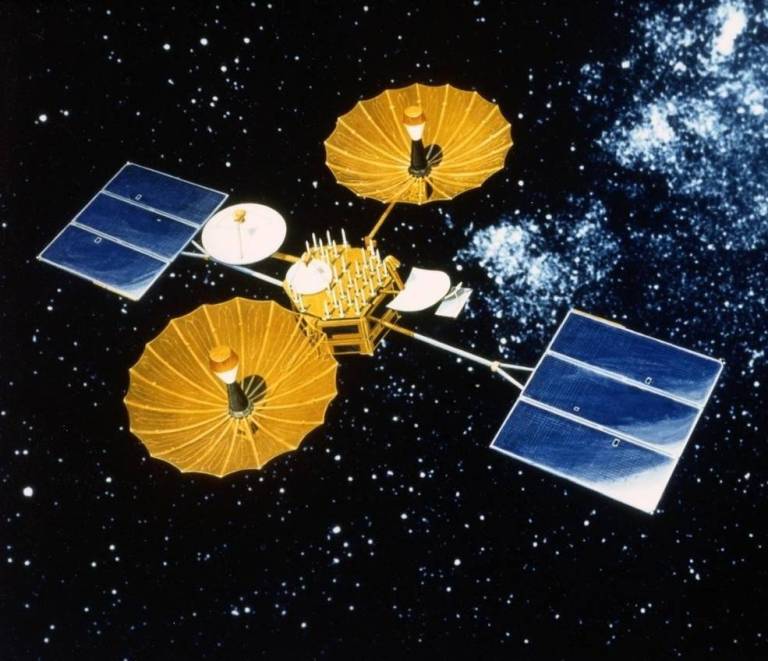
The Space Relay Revolution
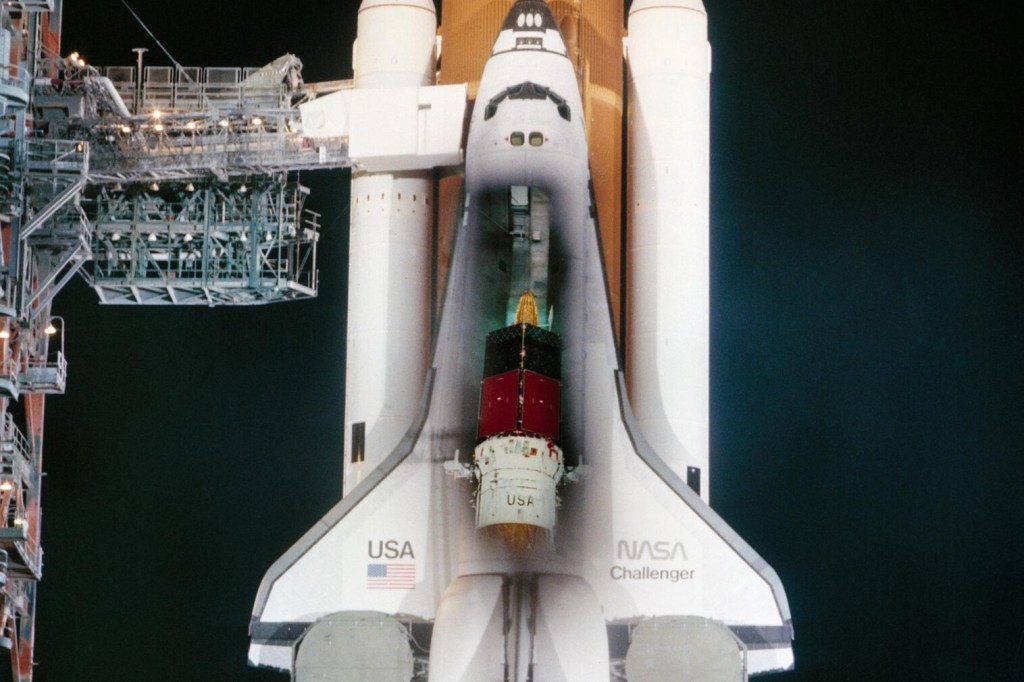
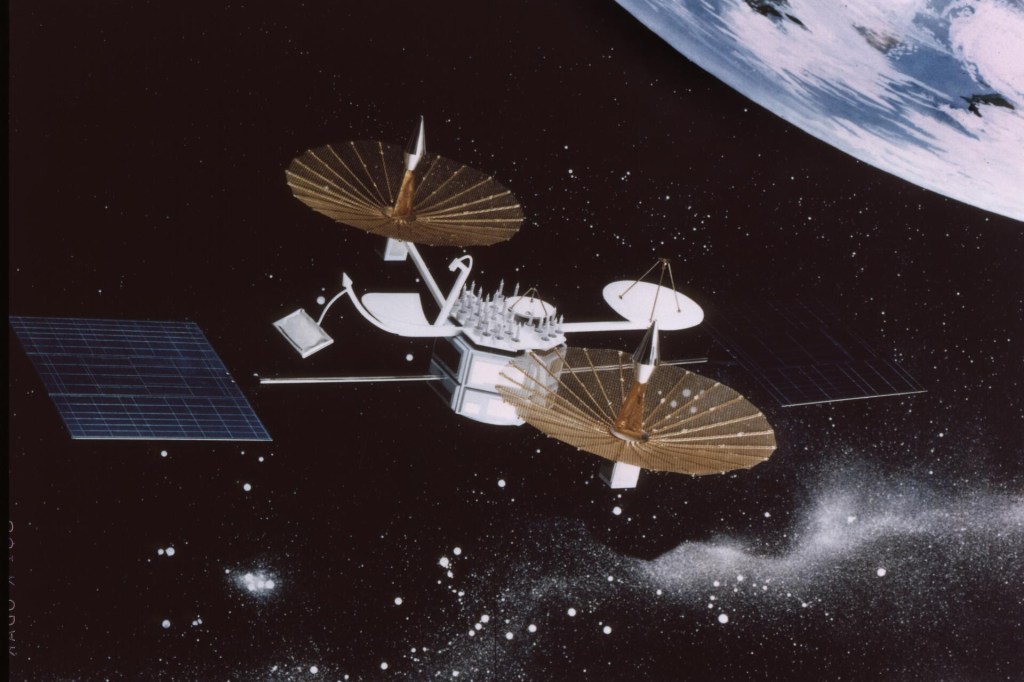
By the 1970s, the limits of ground stations were becoming more noticeable. Ground stations could only see spacecraft in low Earth orbit about 15% of the time. As NASA and its partners across the world looked toward building a permanent space station, they needed much better coverage to keep Space Shuttle Program crews safe. NASA created the Tracking and Data Relay Satellite (TDRS) system to solve this problem: a series of satellites in geostationary orbit capable of seeing most of Earth at once. These first satellites would relay signals between spacecraft and a ground station at White Sands, New Mexico, boosting coverage from 15% to over 85%. The first satellite, TDRS-1, launched on Space Shuttle Challenger on April 4, 1983. Following a booster incident during Challenger’s first flight that left the TDRS-1 stranded 8,600 miles below the correct orbit, engineers at NASA’s Goddard Space Flight Center used the satellite’s six small thrusters to move the stranded satellite higher in the air over the course of months. That single satellite provided more communications coverage for a Space Shuttle mission than the entire ground network had provided for all previous flights combined. The TDRS-1 kept NASA connected to its near Earth missions for 26 years — 16 years longer than planned.
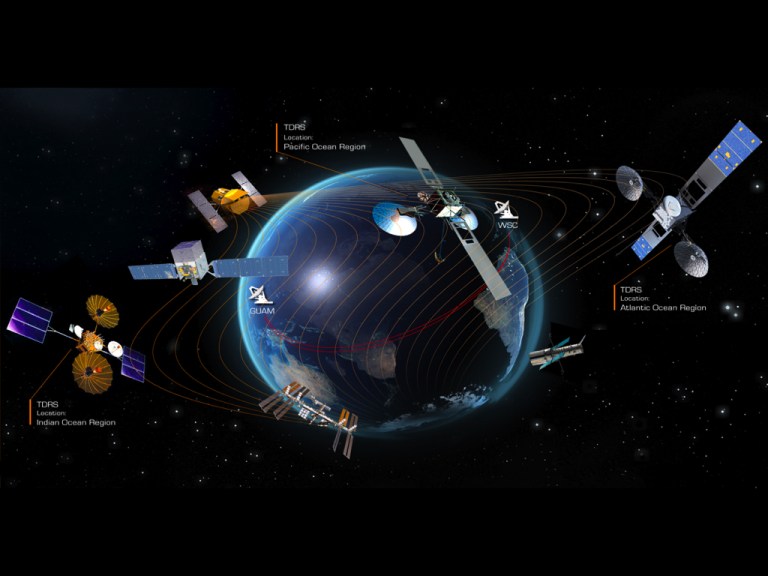
The Near Space Network Grows
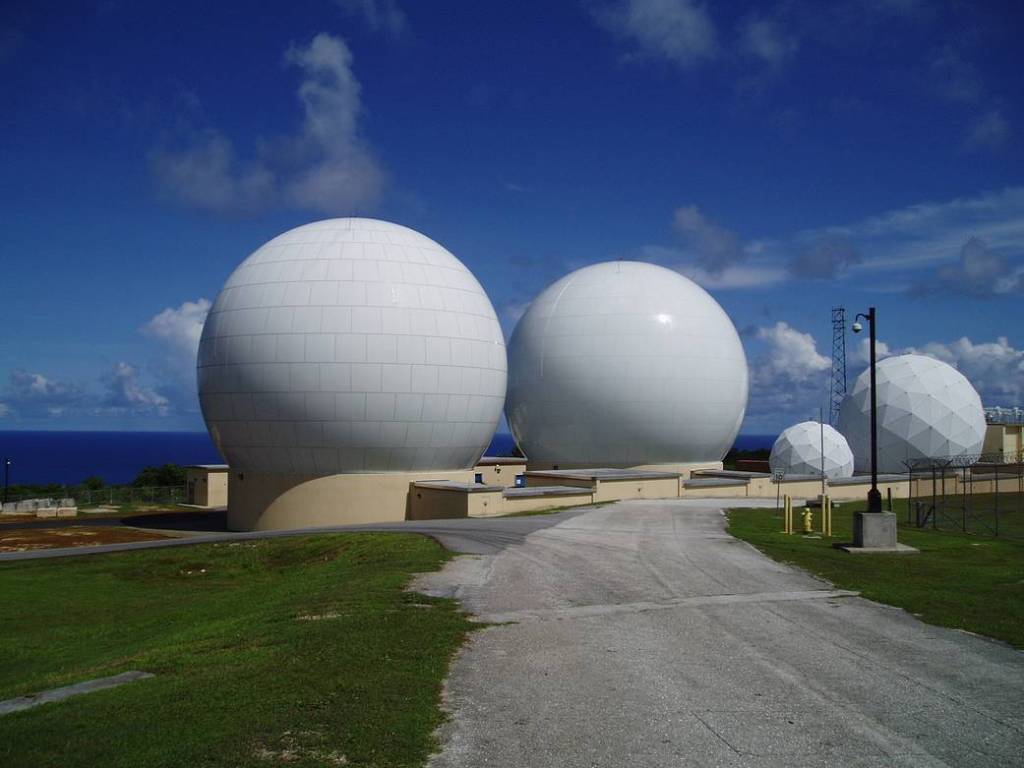
The Near Space Network is the most recent name for the NASA system that communicates with spacecraft within 1.25 million miles from Earth (about five times the distance to the Moon). This includes the International Space Station, the Hubble Space Telescope, Earth-observing satellites, and rockets during launch. The heart of today’s Near Space Network is TDRS. Since the 1980s, three generations of TDRS satellites have launched, adding a new Ka-band radio capability capable of receiving more data, improved signal quality, and better error recovery. The last TDRS satellite, TDRS-13, was launched in 2017. Today, seven TDRS satellites continue operations, connecting to ground stations at White Sands Complex in New Mexico and the Guam Remote Ground Terminal, bringing near-Earth coverage to over 99%.

Communicating with Lasers and Beyond
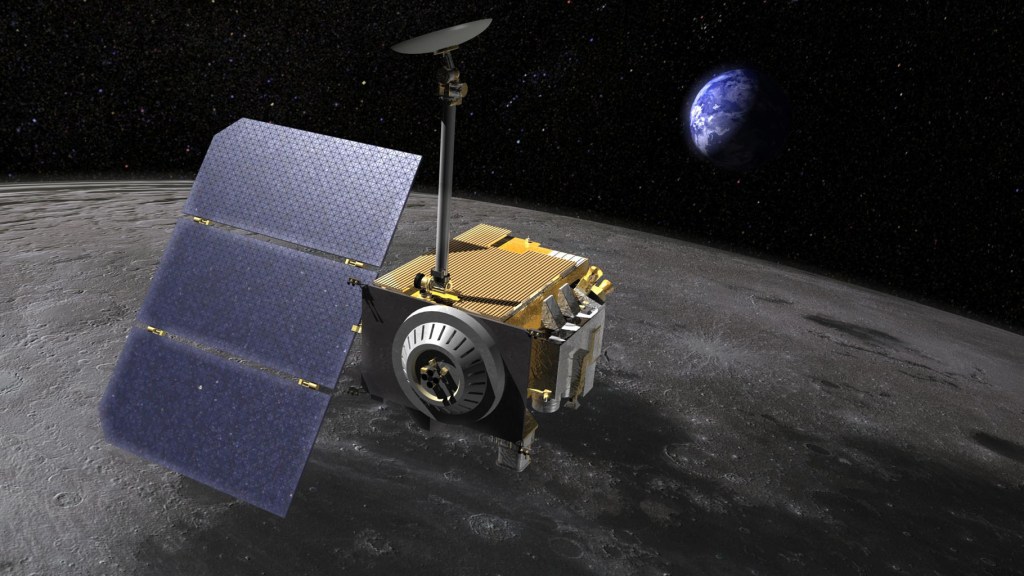
As demand for space communications access grows, NASA is looking to lasers as a potential answer. Optical, or laser, communications — using infrared instead of radio waves — has the power to send data 10 to 100 times faster than radio signals using the same amount of power. Laser communications testing began in January 2013, when NASA beamed an image of the Mona Lisa to the Lunar Reconnaissance Orbit roughly 242,000 miles away. Since then, several laser communications demonstrations have proven the viability of using lasers to support the Near Space Network. In 2023, a laser communications test on the Psyche took the technology farther than ever. The results were amazing: Psyche streamed high-definition video at 267 megabits per second from 19 million miles away, and maintained 6.25 Mbps from 240 million miles away in 2024. As NASA to looks to providing internet-like capabilities at the Moon and beyond, laser communications will play an increasing role in space communications and navigation support.

What’s Next: Private Partnerships and Looking to Mars
In November 2024, NASA announced that TDRS would stop accepting new missions and prepare for retirement in the 2030s. In December of that same year, NASA awarded contracts for new, private relay satellites to provide Near Space Network services through 2034 — with more opportunities to come. As demand for deep space communications grows, the Deep Space Network has begun to explore opportunities to work with commercial partners on new, enhanced ground stations. NASA will continue running the network for missions too far away for commercial services and foster the growth of communications and navigation technology in the private sector. The shift to commercial communications reflects NASA’s strategic vision: focus agency resources on capabilities that don’t exist yet commercially while partnering with industry to support the evolution of the invisible thread that connects Earth to the cosmos.
SCaN
Quick Facts
The Value of Network Support
NASA’s networks have a long history and widespread applications across society. Explore our quick facts to learn about the unexpected and wide-reaching impact SCaN has on the history and future of space travel.
Quick Facts
The Near Space Network operates more than 40 government and commercially owned antennas across six continents, from Arctic facilities in Norway and Alaska, to equatorial stations in Singapore and Chile, to Antarctic stations at Troll and McMurdo. This pole-to-pole coverage ensures nearly uninterrupted contact with spacecraft regardless of their orbital position.
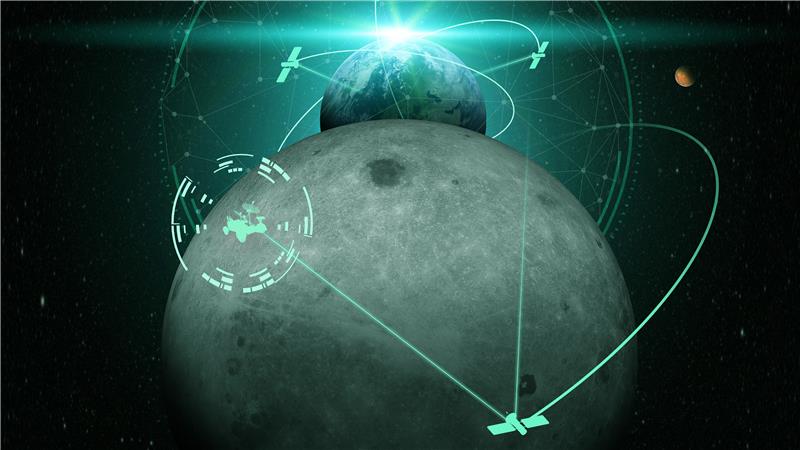
The Deep Space Network’s 70-meter antennas can detect signals from Voyager 1, the most distant human-made object in space at more than 15 billion miles away. In November 2026, Voyager 1 will become the first human-made spacecraft to be one light-day away from Earth.
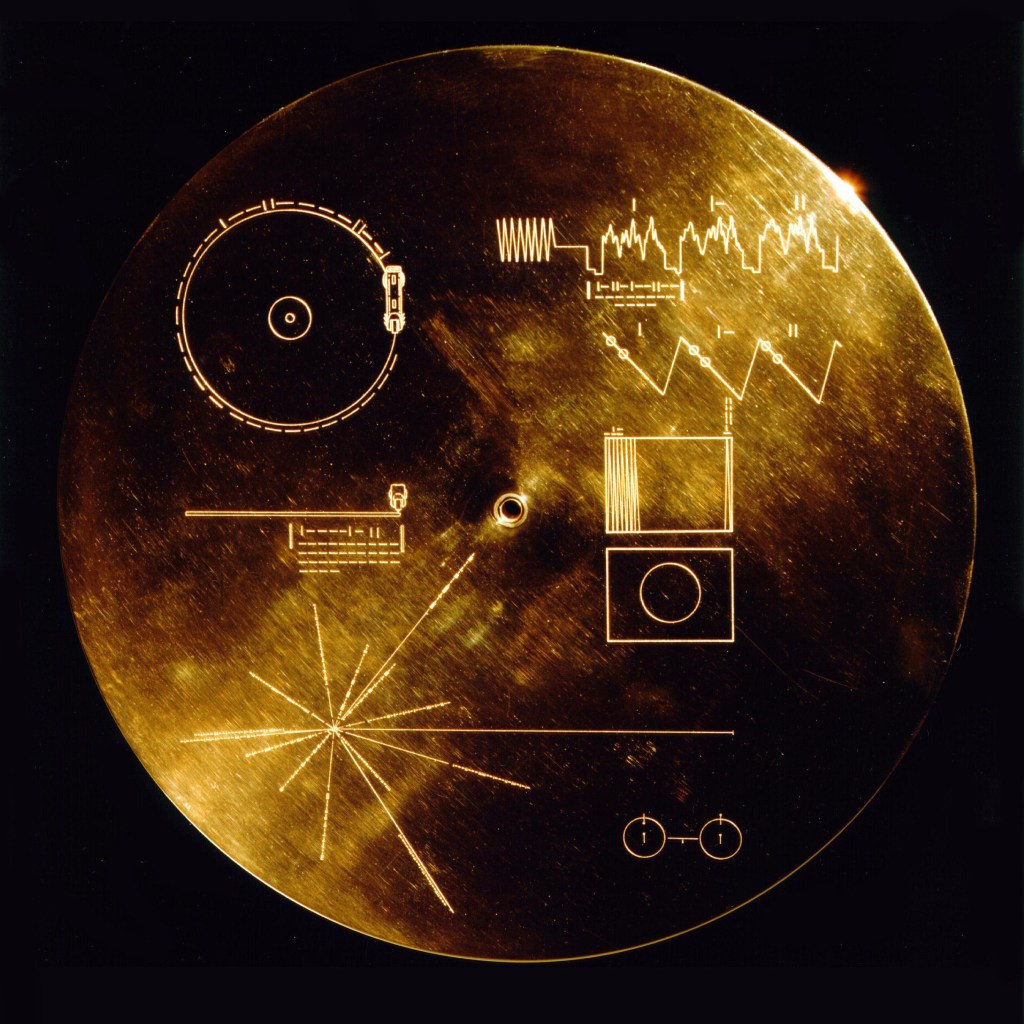
The TDRS satellites can transmit voice and data at very high rates. In optical conditions, a TDRS can transfer the equivalent of a 20-volume encyclopedia in only one second.

The Deep Space Network implemented antenna arraying for Voyager’s encounters with Uranus and Neptune, combining signals from multiple antennas across continents to effectively create one giant antenna receiver.

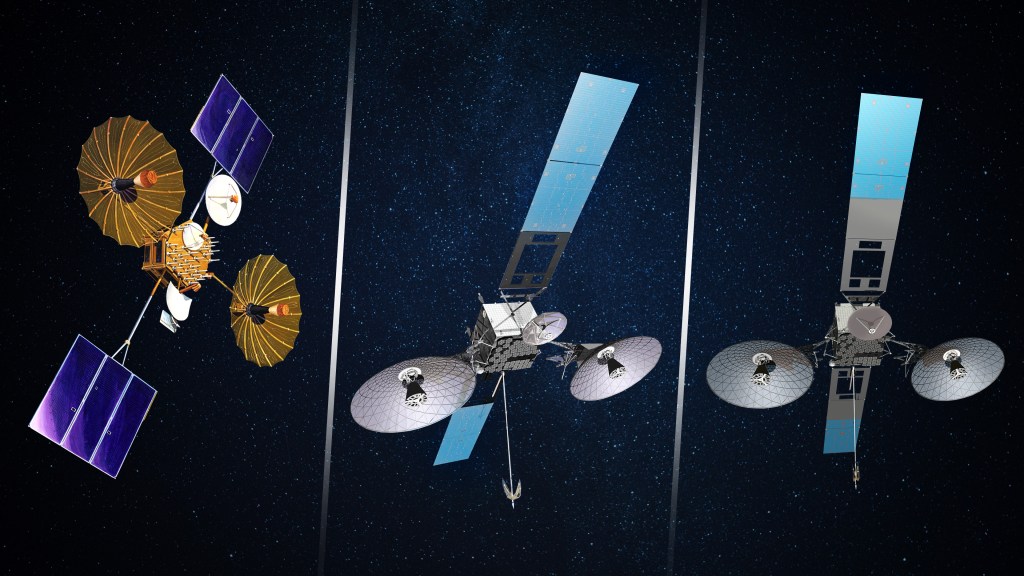
The umbrella-like parabolic antennas on first generation TDRS are covered in 203 square feet of gold-plated mesh and measure over 16 feet in diameter, yet the entire system —including all deployment mechanisms—weigh only 53.5 pounds. This light weight was essential to meeting Space Shuttle payload constraints.
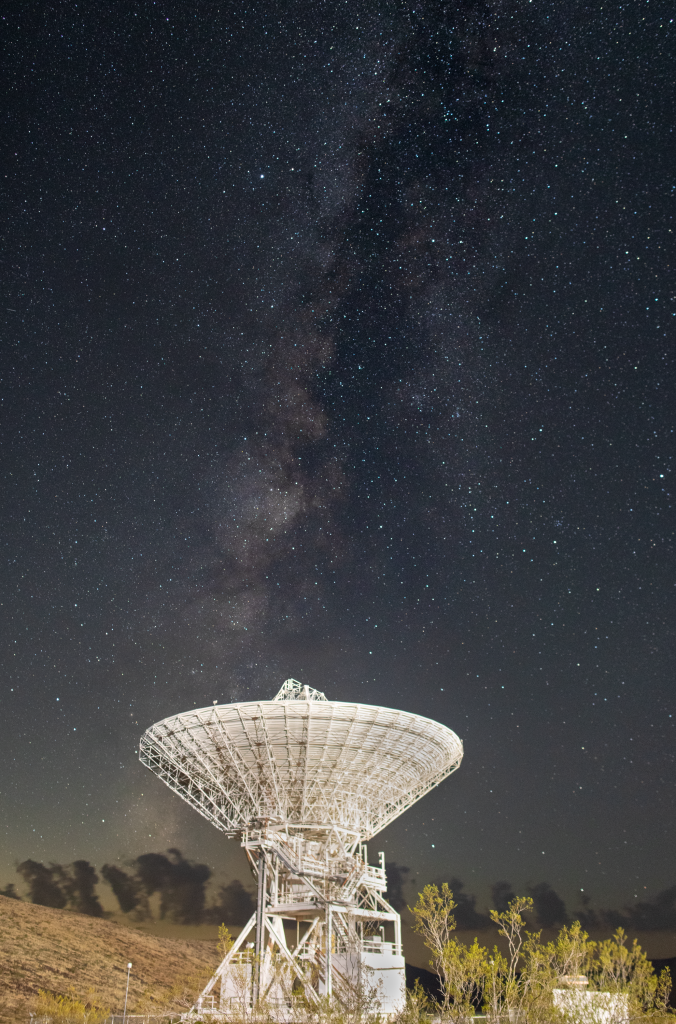
The Deep Space Network’s planetary radar system in Goldstone, California fires a 500-kilowatt signal into space, or the equivalent of 5,000 light bulbs at once. This power allows NASA to bounce radar off asteroids and comets millions of miles away from Earth to determine their trajectories and assess potential threats, making it humanity’s primary tool for planetary defense radar observations.

Every antenna hour using SCaN networks is precious, with dozens of active missions competing for communications windows. NASA is adding new antennas in partnership with industry to address critical capacity needs for the Deep Space Network.
Coverage handover between the Near Space Network and Deep Space Network occurs at approximately 22,000 miles above Earth.
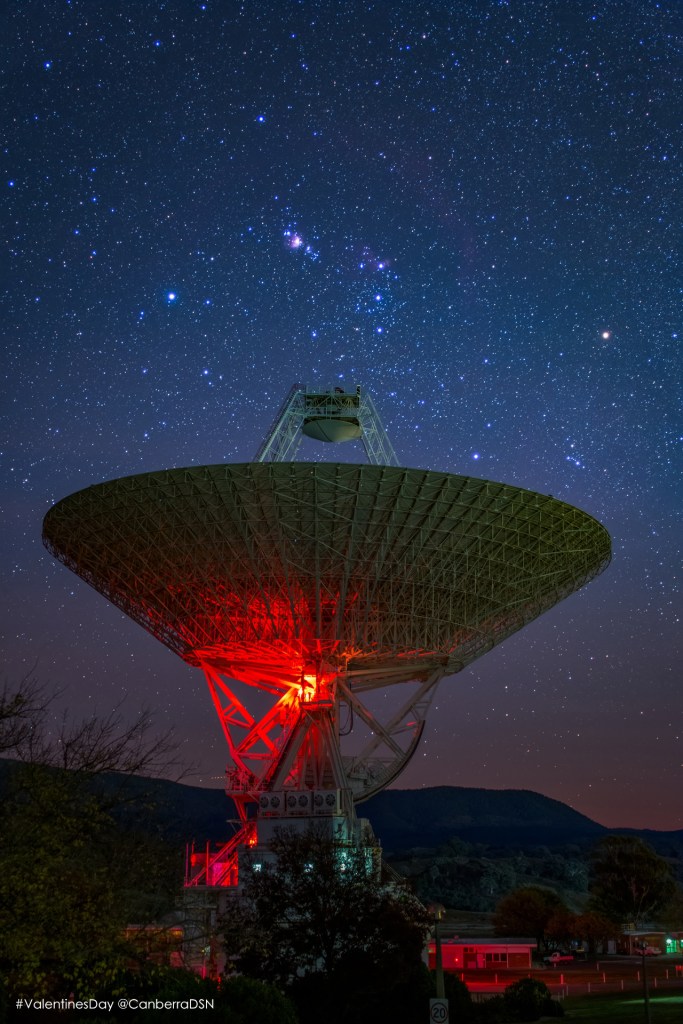
Canberra, Australia’s DSS-43 is the largest steerable antenna in the Southern Hemisphere and operates the most powerful S-band transmitter in the entire Deep Space Network. At 400 kilowatts, it is 20 times more powerful than the standard transmitters at other stations and can reach spacecraft in interstellar space.
The SCaN Program is always exploring new ways to evolve communications technology. Optical or laser communications can transmit data at 10 to 100 times higher rates than radio frequency systems of the past —all while using smaller, lighter equipment.

Modernizing for the Future
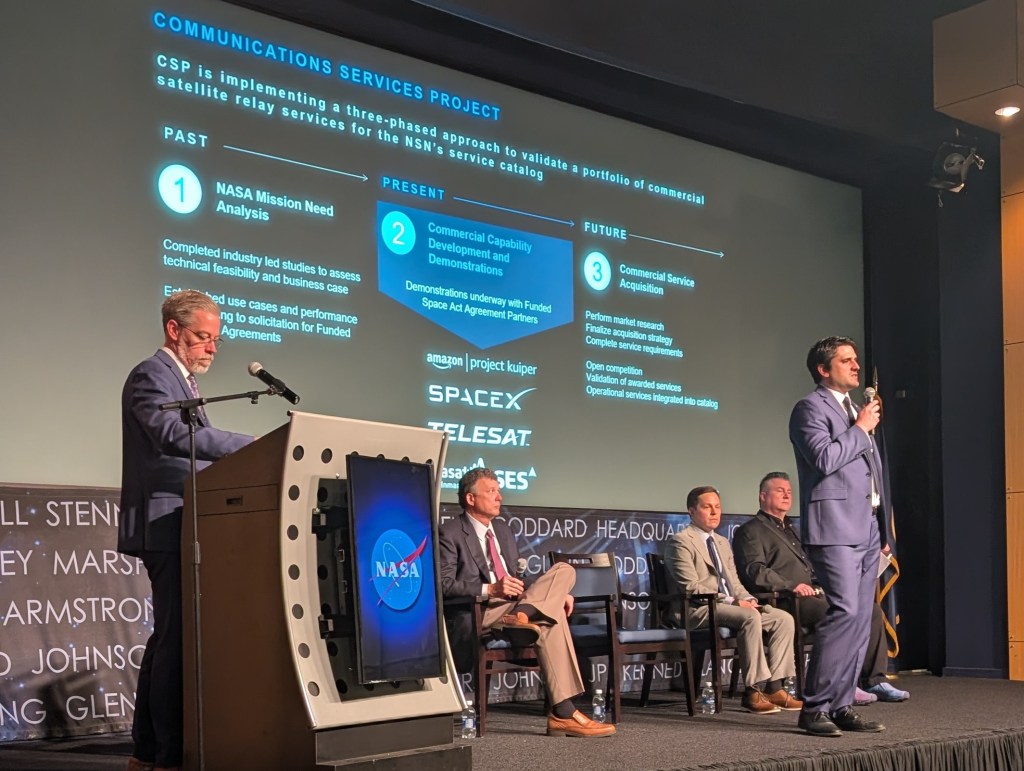
On May 2, 2025, NASA’s SCaN Program hosted the TDRS and Communications Services Project Townhall. Industry members, other government agencies, and mission teams came together for a hybrid event detailing the agency’s plan for retiring its legacy space relay fleet and embracing commercial companies.
The townhall covered the agency’s satellite relay commercialization strategy, provided status updates on key milestones in space communications, and outlined the retirement of NASA’s TDRS fleet.
Commercial Space Communications
NASA’s SCaN Program is committed to a seamless transition from government-owned communications assets to commercial alternatives. Initiatives like the Communications Services Project and the Commercialization, Innovation, and Synergies office are ensuring the shift to commercial space communications continues to reflect the agency’s commitment to excellence.
Learn More