


















Testing NASA-Developed Heat Shield Made by U.S. Company
FLIGHT SUMMARY
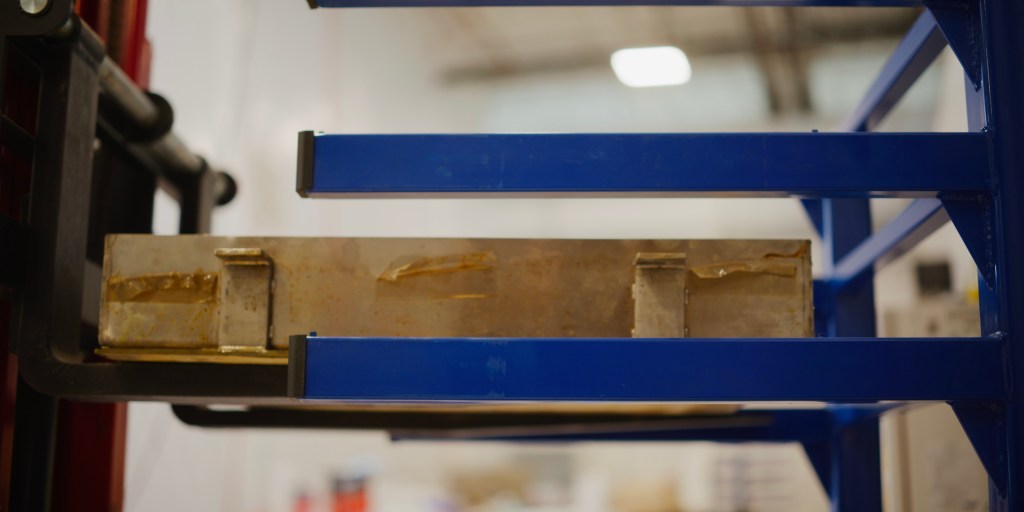
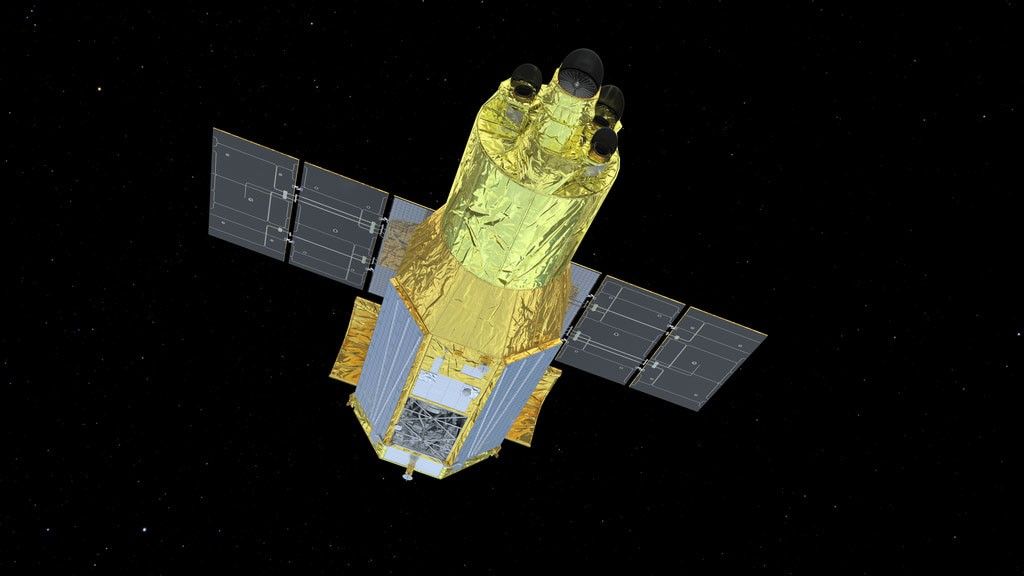
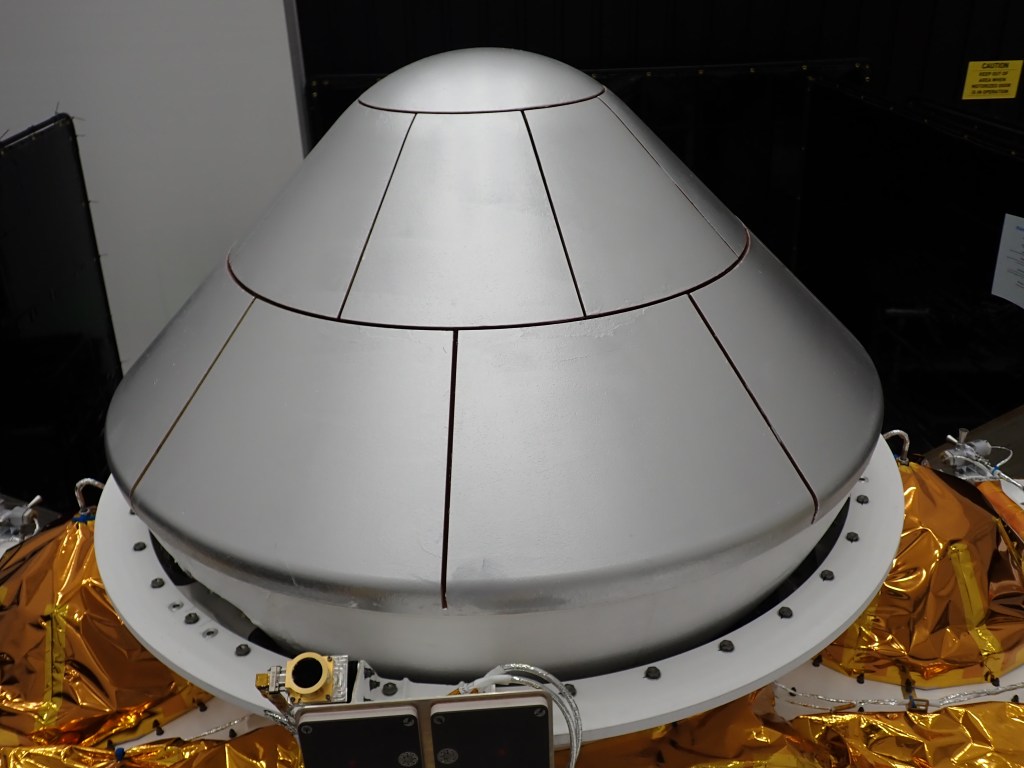
With support from a Tipping Point award managed by NASA’s Flight Opportunities program, U.S. company Varda Space Industries manufactured a heat shield based on NASA technology to protect its spacecraft capsules and the payloads inside.
In returning to Earth, Varda’s capsules must blaze through temperatures up to 7,000 degrees Fahrenheit while traversing our atmosphere on the journey home. Protecting the capsules from this intense heat is a shield made from C-PICA (Conformal Phenolic Impregnated Carbon Ablator), a powerful yet lightweight protective material originally developed at NASA’s Ames Research Center in California’s Silicon Valley. Varda licensed C-PICA from NASA, and the agency’s Flight Opportunities program provided support for the company to develop its in-house manufacturing process and flight test the material they produced.
The first capsule to demonstrate Earth re-entry of Varda-produced C-PICA was W-5, which launched on Nov. 28, 2025, and returned on Jan. 29, 2026. W-6 launched on March 30, 2026, and returned on May 18, 2026. These capsules contained payloads with the goal of leveraging microgravity to conduct science and technology experiments for industry and government agencies. For example, researchers at Varda have found that manufacturing in the near-absence of gravity offers unique opportunities for the development of novel pharmaceutical products, potentially benefitting human health.
The knowledge transfer of C-PICA’s production process and flight testing support exemplifies how NASA is fostering the successful growth of America’s orbital economy.
VEHICLE PLATFORM
Satellite and reentry vehicle
Technology category
Thermal Management Systems
Re-entry Dates
Jan. 29, 2026
May 18, 2026
Principal Investigator
Varda Space Industries
About the Flight Test
Evaluating Varda’s C-PICA Performance
These flights test the effectiveness of the protection provided by C-PICA manufactured by Varda. The W-5 capsule’s heat shield was made entirely of Varda-produced C-PICA, while W-6’s heat shield included two C-PICA tiles made at NASA Ames using an alternative production technique. Those two tiles included instrumentation that collected in-flight thermal and performance data.
Preparing for the Flight Test
As Varda developed its manufacturing process, the NASA team provided guidance about how the C-PICA must be prepared to withstand its re-entry to Earth. On Varda’s W-2 flight in early 2025, the Flight Opportunities program supported instrumentation of the material, adding sensors to NASA-produced C-PICA. The data from these sensors provided context and guideposts to help maximize Varda’s potential success in manufacturing effective C-PICA heat shield material. On the W-4 mission, which began in June 2025 and ended in May 2026, the heat shield included Varda-manufactured C-PICA tiles for the first time, providing the company with experience and insights related to integrating its own tiles into capsule heat shields.

About NASA’s C-PICA Material
NASA’s Heat Shield Systems Development
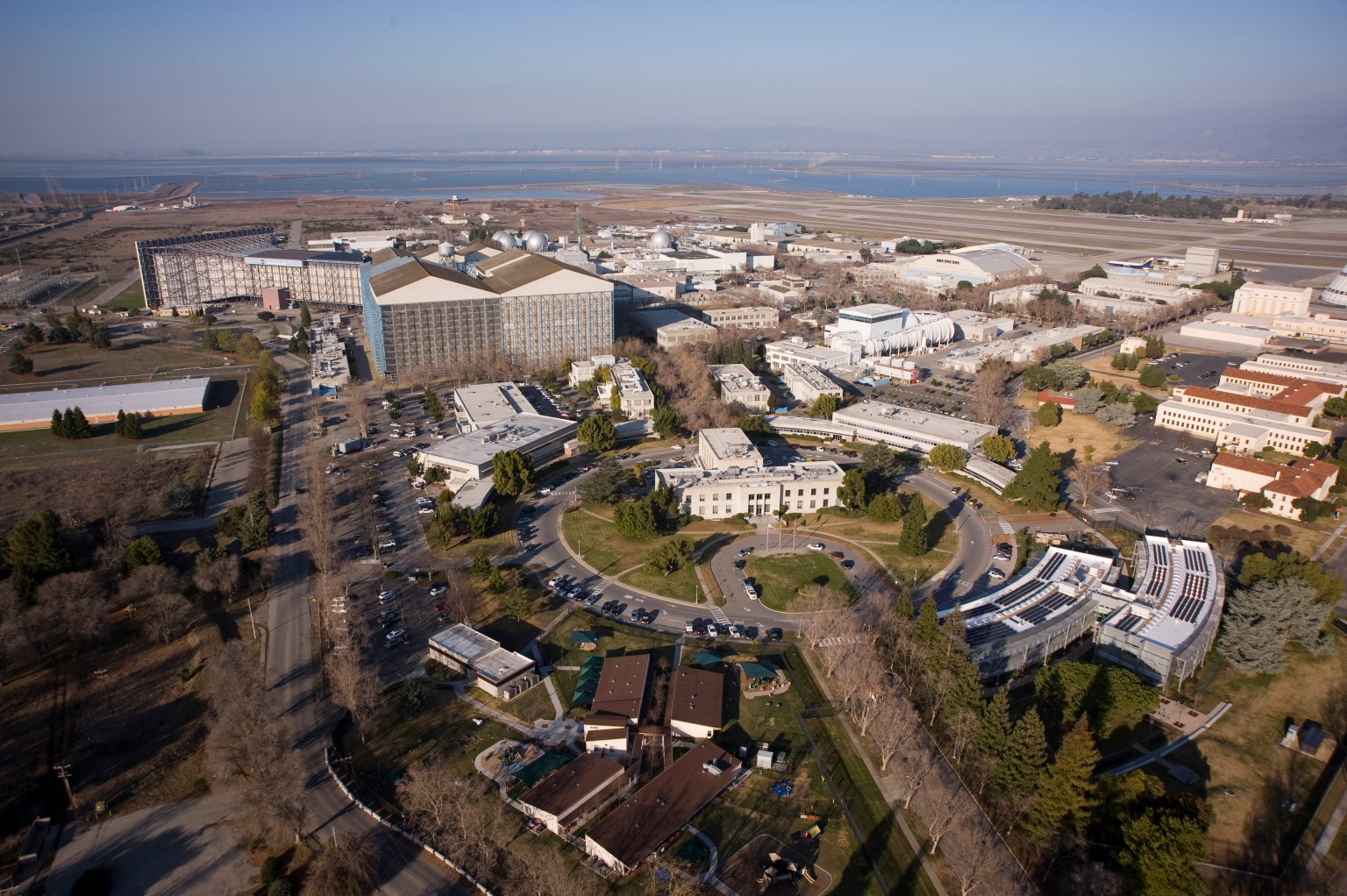
Phenolic Impregnated Carbon Ablator (PICA) is a lightweight, rigid material with a proven track record of shielding spacecraft from extreme heat while re-entering Earth’s atmosphere. Created at NASA’s Ames Research Center, PICA research begun in the 1980s enabled the Stardust and OSIRIS-REx sample return missions. The Mars Science Laboratory and Mars 2020 missions also used rigid PICA.
NASA developed conformal PICA to provide a stronger, cheaper, and more thermally efficient material.
Increasing Availability of Commercially Produced Thermal Protection System Materials
Varda Space Industries is the first company to license NASA’s C-PICA for commercial purposes. Having licensed the technology and produced it commercially for the first time, Varda may scale up production of C-PICA to a level that allows it to supply the material to NASA — a win-win for NASA and for the U.S. commercial space industry.
The C-PICA technology is available for license from NASA to other businesses, and the agency is working with several other commercial space companies interested in the material.

The Tipping Point Award
Impactful and Efficient Public-Private Partnerships
In 2023, NASA selected Varda to receive a Tipping Point Award from its Space Technology Mission Directorate. The award supported Varda’s effort to begin commercial production of C-PICA, recognizing that Varda’s research may bring meaningful benefit for human health and that pioneering commercial production of C-PICA could help establish a new norm in which private companies routinely return spacecraft to Earth. In this way, NASA’s technical support advances both commercial heat shield production and scientific endeavors, such as pharmaceutical research and production in microgravity.
About Tipping Point Awards
With its Tipping Point Awards, NASA seeks industry-developed space technologies that can foster the development of commercial space capabilities and benefit future NASA missions. A technology is considered at a tipping point if an investment in a demonstration will significantly mature the technology, increase the likelihood of infusion into a commercial space application, and bring the technology to market for both government and commercial applications. The awards, which require a financial match from the company, reflect NASA’s approach to building high-impact public-private partnerships to support the U.S. commercial space industry and benefit future NASA missions. These collaborations maximize impact while saving the agency, and American taxpayers, money.

Contact Flight Opportunities with inquiries.
Photo credits for upper banner video and images: Varda Space Industries
Related Content
NASA Heat Shield Technology Enables Space Industry Growth

2023 NASA Tipping Point Selections

NASA Helps Emerging Space Companies ‘Take the Heat’