
















Venous Haemostasis
Description
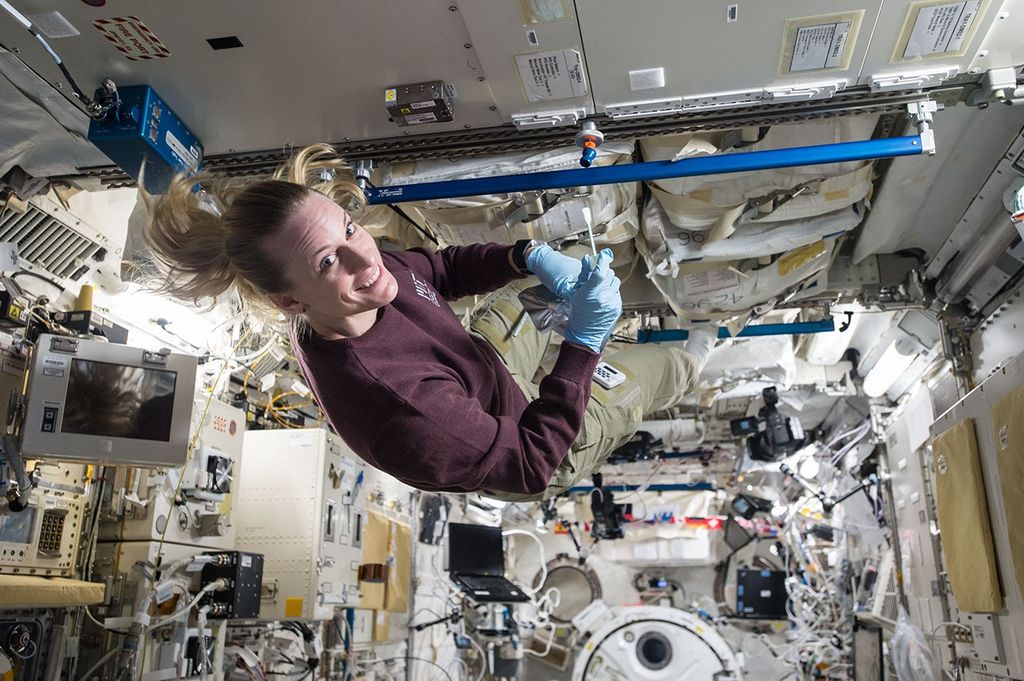
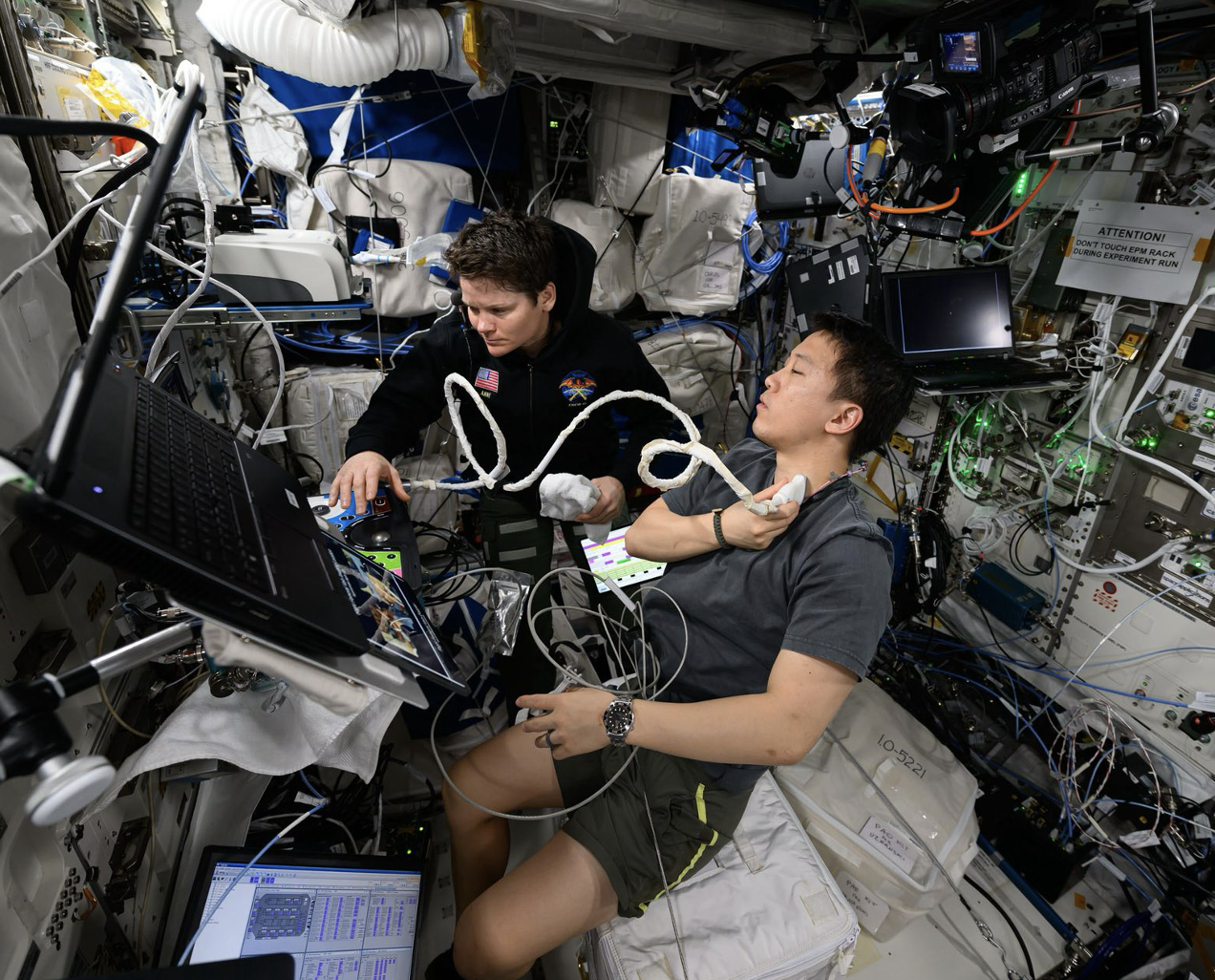
This joint study with the European Space Agency aims to examine physical differences in astronauts that may contribute to changes in venous blood flow, which may increase the risk of developing blood clots during spaceflight. In microgravity, blood and other bodily fluids move toward the head, potentially altering circulation and increasing the risk of health complications such as blood clots. However, scientists do not yet fully understand why these blood flow issues occur in only some astronauts.
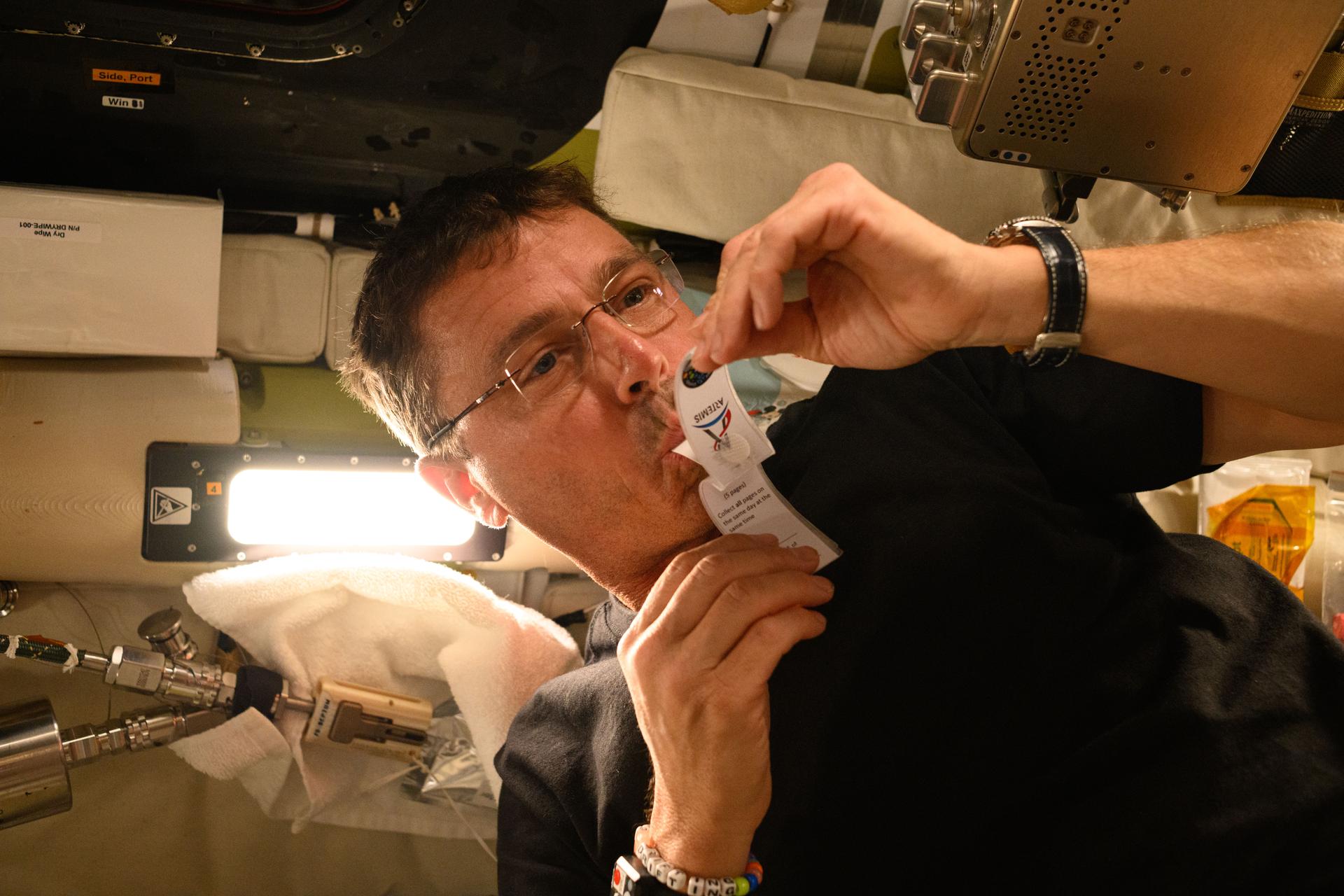
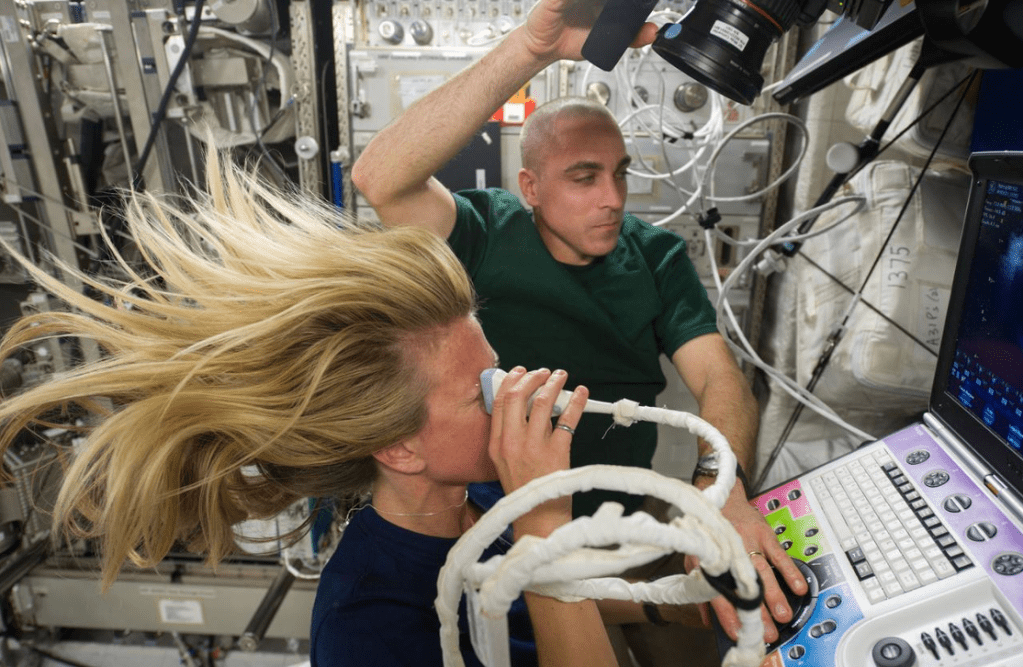
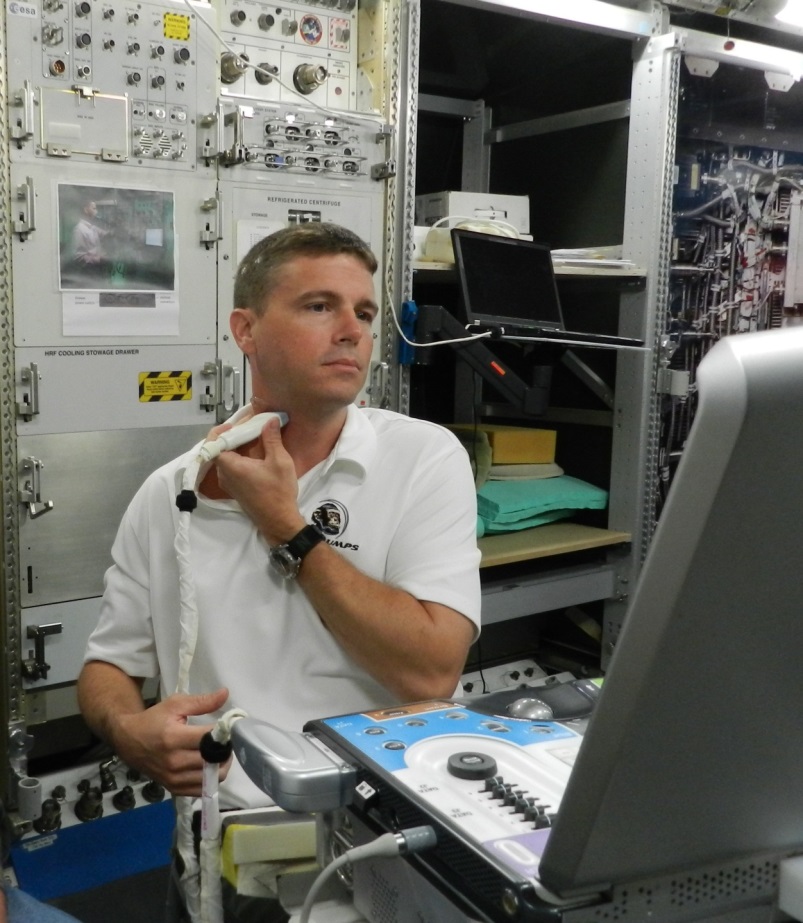
Preflight and postflight MRIs will enable researchers to search for blood clots and assess variations in vein structure that could influence how blood flows in the veins in space. Jugular vein ultrasounds, blood draws, and blood pressure checks completed before and during flight will also allow them to characterize changes in crew members’ blood flow and blood composition throughout the mission.
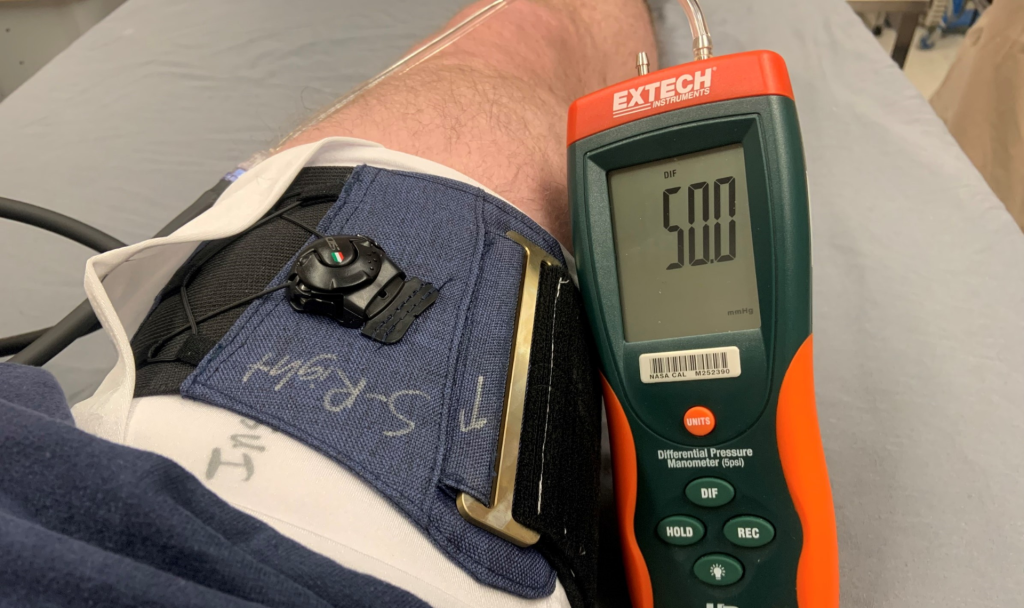
Researchers will also examine whether thigh cuffs used in other ISS studies are an effective mitigator of spaceflight-induced flow abnormalities.
Impact
Data from this work may help scientists identify astronauts who are at a greater risk of developing blood flow issues in space, informing medical decisions to keep crew members healthy on long-duration missions.
Type of study: Flight
Formal project title: Venous Haemostasis
Top Risks Addressed

View Risk Approach Plans