









Research Opportunity: Help Uncover How Venous Blood Clots Form in Space
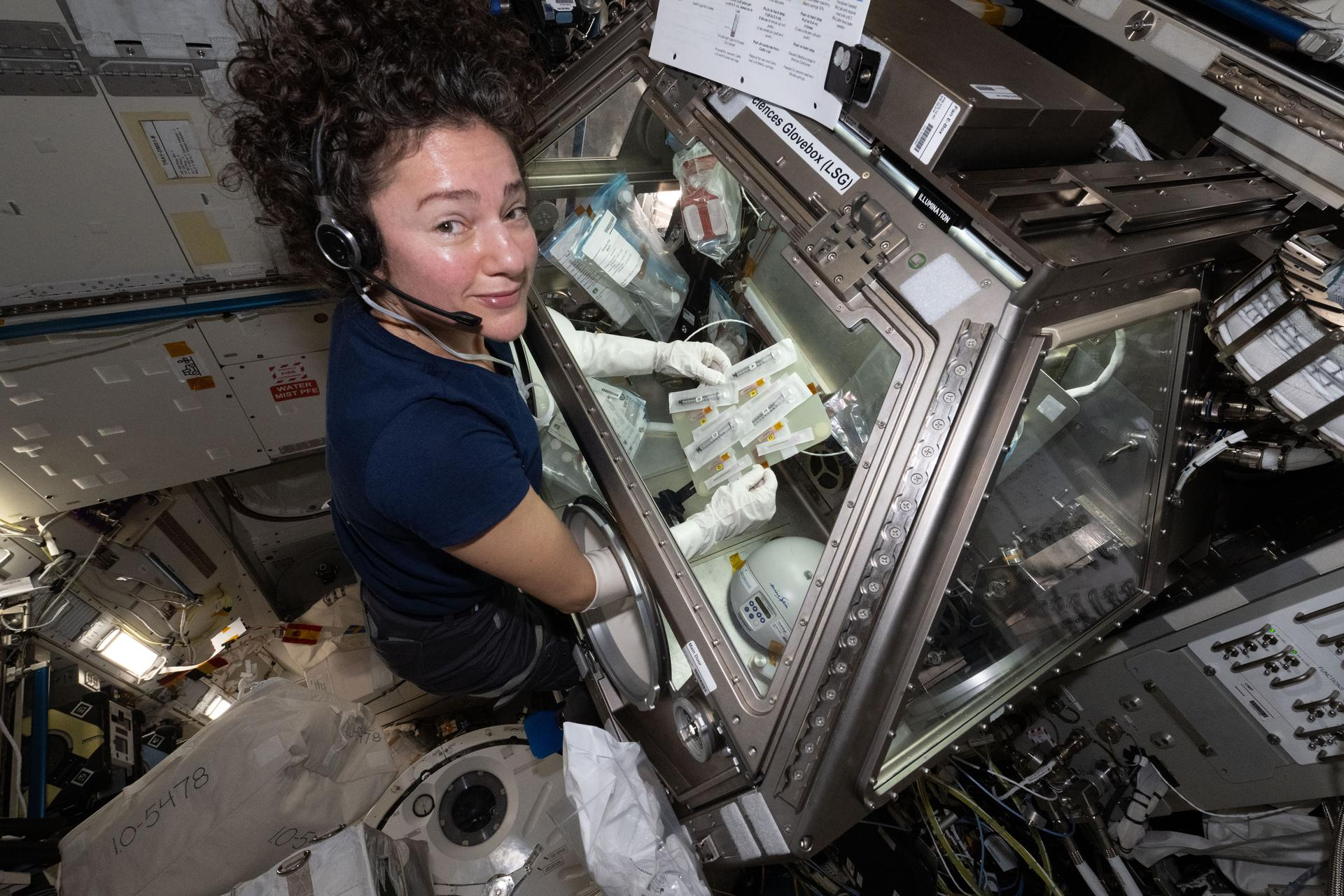
The NASA-funded Translational Research Institute for Space Health (TRISH) is accepting proposals to address venous thromboembolism (VTE), a critical risk to human health during spaceflight.
VTE is the formation of blood clots in veins that could lead to serious medical complications. The underlying mechanisms of VTE in space are not fully understood and effective safeguards against the condition in the spaceflight environment remain limited. An untreated thrombus could lead to a pulmonary embolism, a serious condition in which a blood clot travels to the lungs and blocks blood flow.
TRISH is seeking innovative approaches to advance our understanding of VTE pathophysiology in the context of spaceflight-associated hemodynamic changes and to develop and validate ground-based analogs that replicate VTE conditions. These efforts will improve understanding of how VTE develops in microgravity. Selected projects will help close key knowledge gaps and support the development of practical solutions for future exploration missions.
If you have a research idea that addresses these objectives, follow the steps below to submit a proposal:
- Learn about TRISH and VTE.
- Read the solicitation.
- Watch the pre-proposal webinar recording to learn more about the funding opportunity. The recording is posted at the bottom of the solicitation.
- Submit a proposal through the TRISH Grant Research Integrated Dashboard (GRID). Proposals must be submitted for review by 11:59 p.m. ET on Aug. 18, 2026. Applicants submitting a proposal must register in the system for award management (SAM) database .
Who can submit a proposal? All categories of U.S. institutions and companies are eligible to submit proposals. Principal investigators may collaborate with universities, the private sector, and federal, state, and local government laboratories. Please visit the solicitation for full details.
Research Duration: Up to 15 months
Award: Proposals can request up to $500,000 in total costs (direct + indirect costs).
Resources: Learn about TRISH and VTE. Other background materials, including the webinar recording, can be found on the opportunity’s application portal.
Deadline: Submit proposals by 11:59 p.m. ET on Aug. 18, 2026.
Background on TRISH: TRISH is a virtual institute funded by NASA’s Human Research Program to help solve challenges of human deep space exploration. TRISH pursues and funds research to deliver scientific and technological solutions that advance space health and help humans thrive wherever they explore, in space or on Earth. Learn more about TRISH.
Questions? Follow the link here for a form and select “open solicitation” to submit questions.