



Marshall History
A brief history of Marshall Space Flight Center
Marshall Center Directors 1960–present
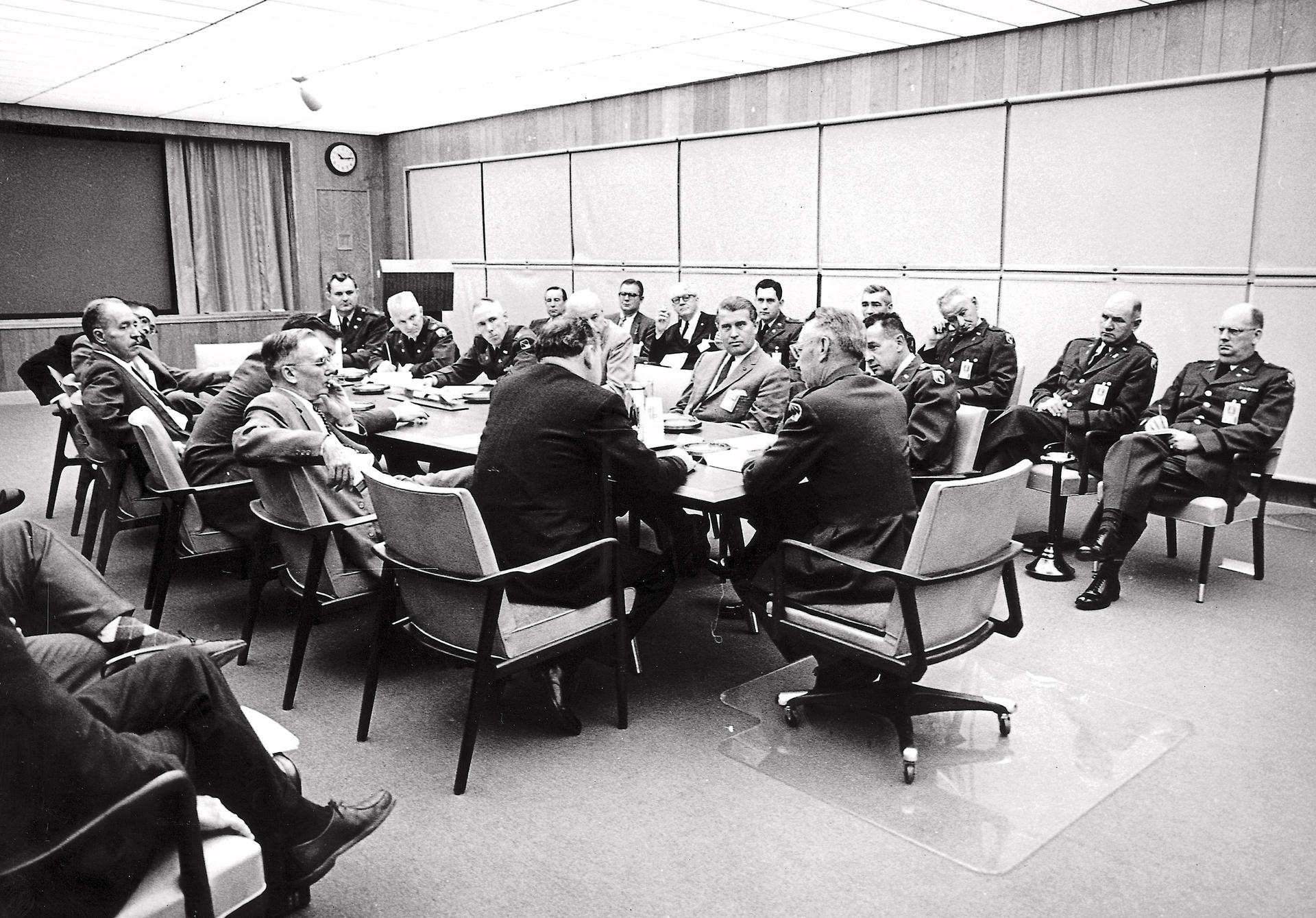
Dr. Wernher von Braun
July 1960–January 1970
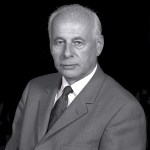
Dr. Eberhard Rees
March 1970–January 1973
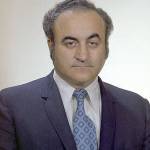
Dr. Rocco A. Petrone
January 1973–March 1974
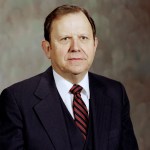
Dr. William R. Lucas
June 1974–July 1986
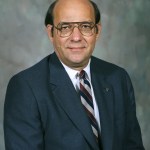
Dr. James R. Thompson
September 1986–July 1989
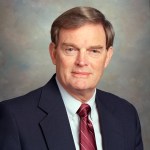
Thomas Jack Lee
July 1989–January 1994
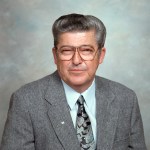
G.P. (Porter) Bridwell
January 1994–February 1996
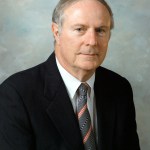
Dr. J. Wayne Littles
January 1996–January 1998
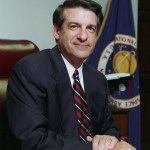
Art G. Stephenson
September 1998–May 2003
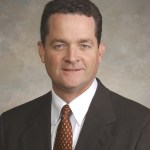
David A. King
June 2003–April 2009
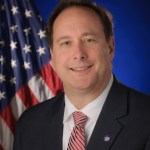
Robert M. Lightfoot, Jr.
August 2009–August 2012
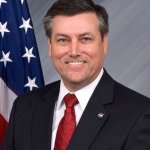
Patrick Scheuermann
September 2012–December 2015
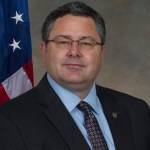
Todd May
February 2016–July 2018
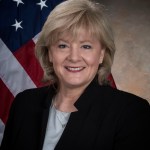
Jody Singer
September 2018–July 2023
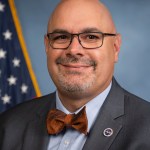
Joseph Pelfrey
July 2023–present
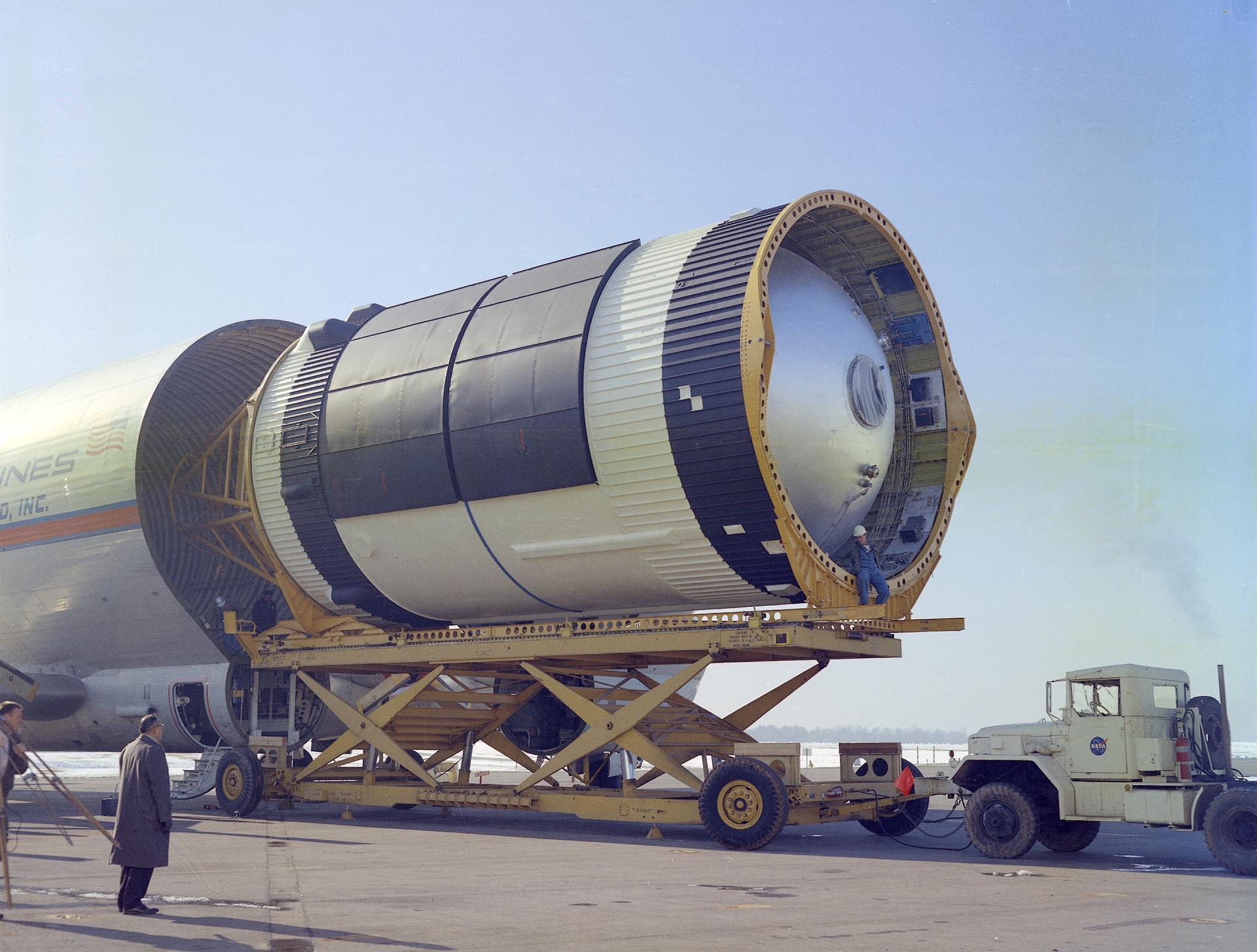
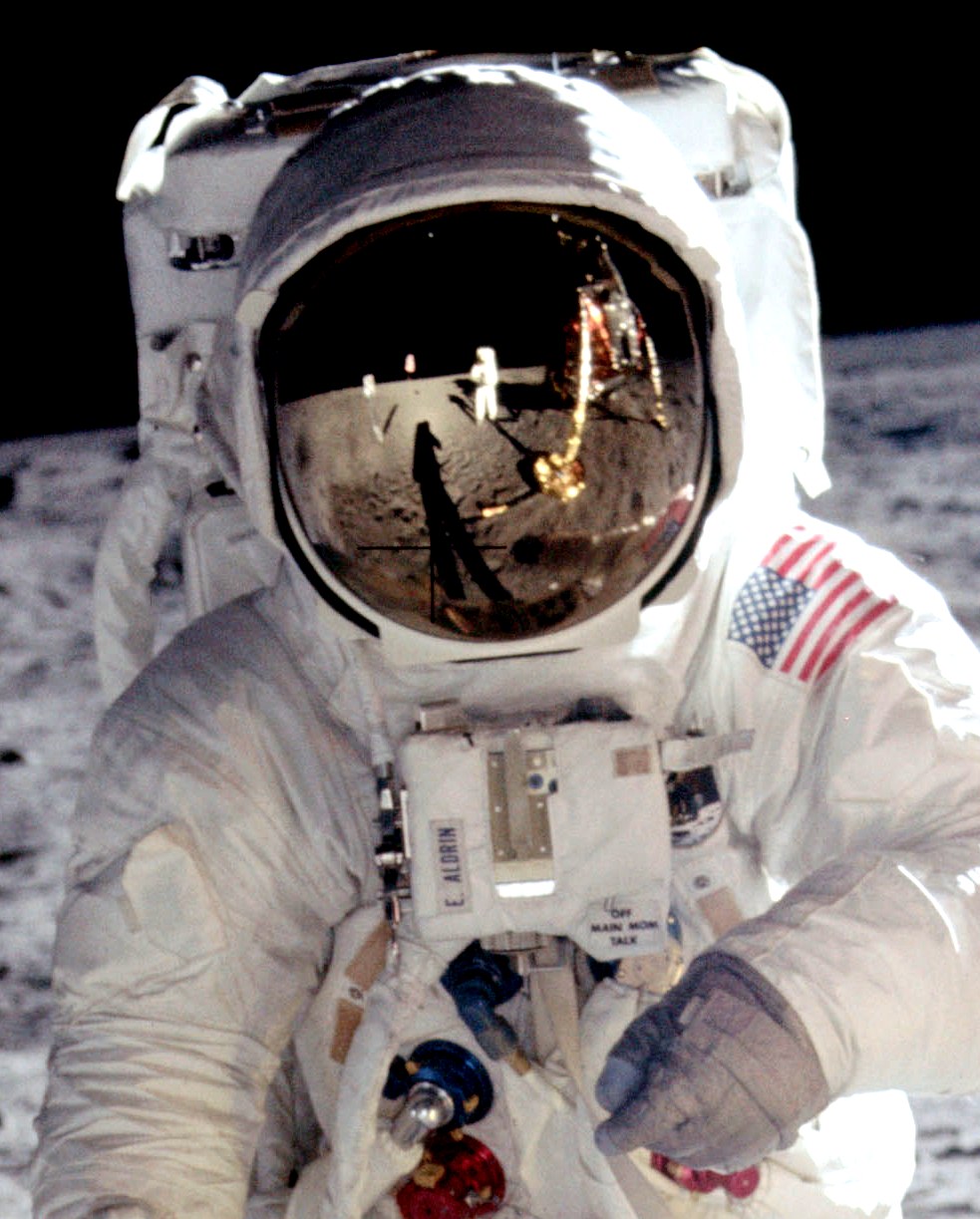
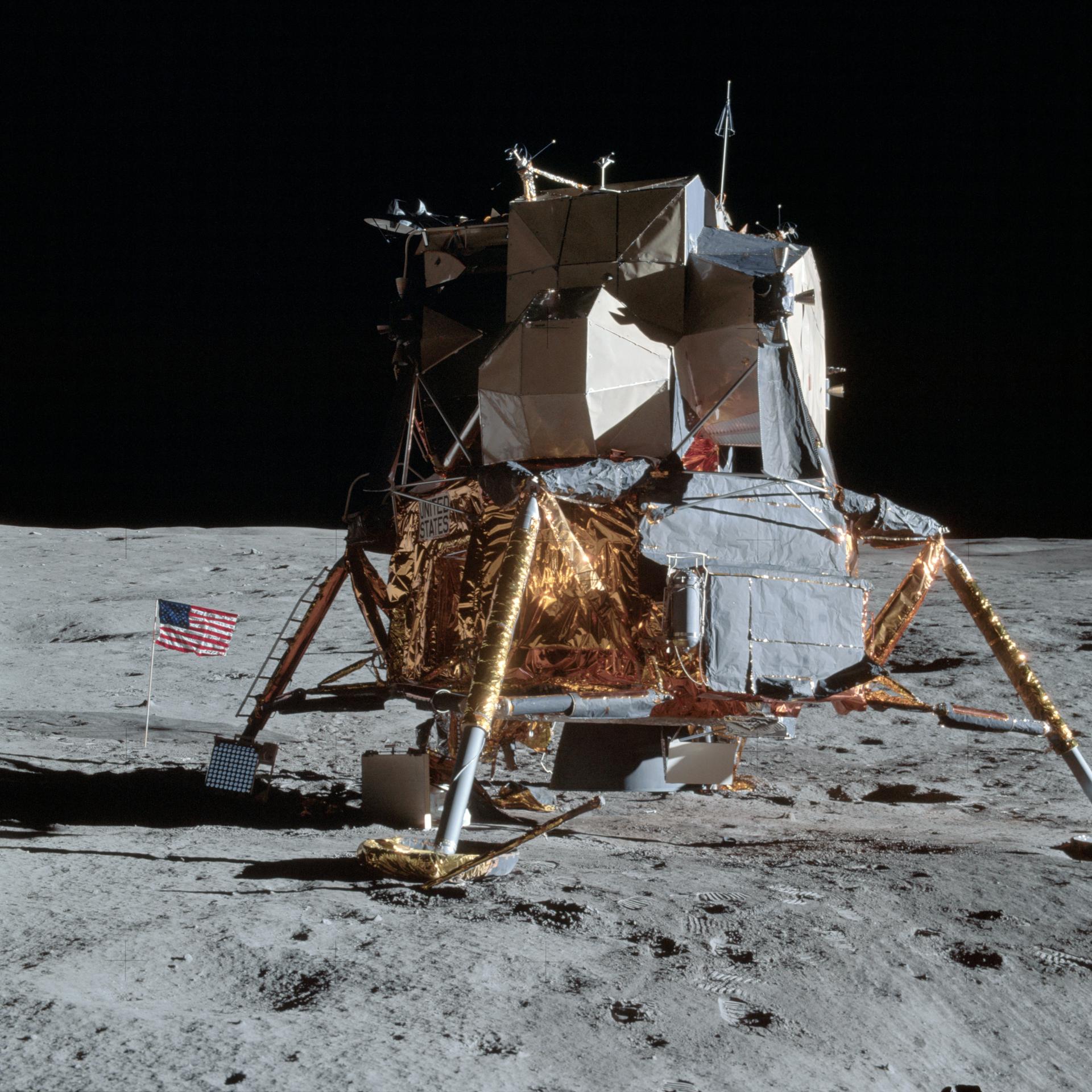
In 1961, when President John F. Kennedy envisioned an American on the moon by the end of the decade, NASA turned to Marshall Space Flight Center to create the incredibly powerful rocket needed to turn this presidential vision into reality. Since its beginning in 1960, Marshall has provided the agency with mission-critical design, development and integration of the launch and space systems required for space operations, exploration and scientific missions.
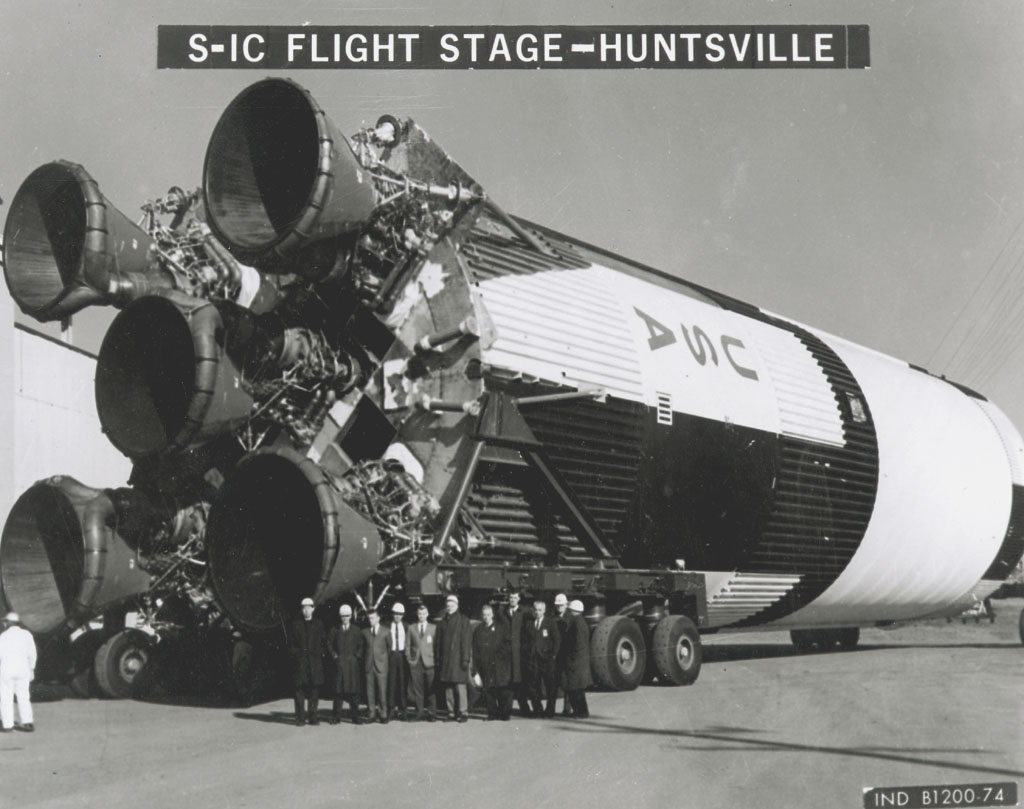
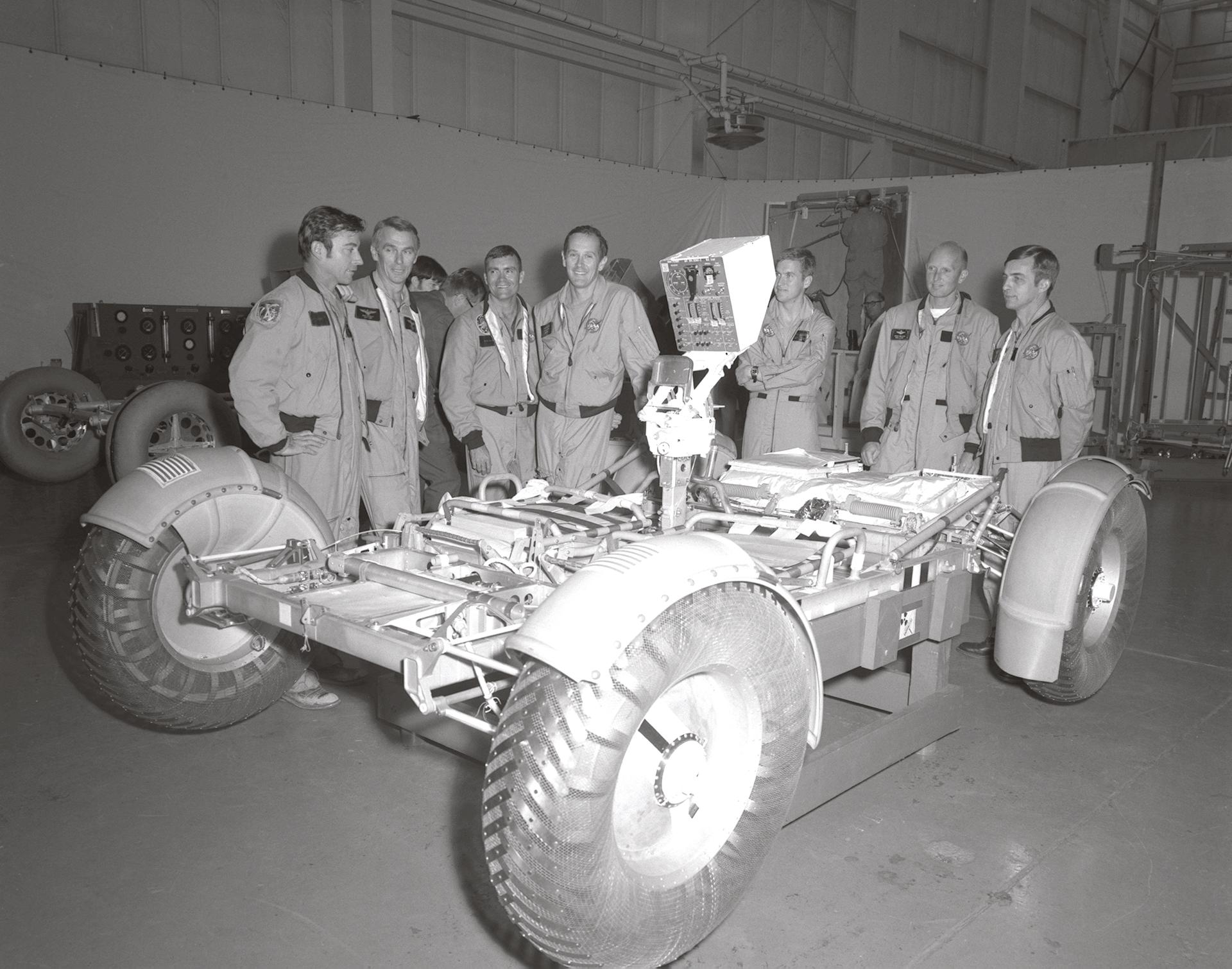
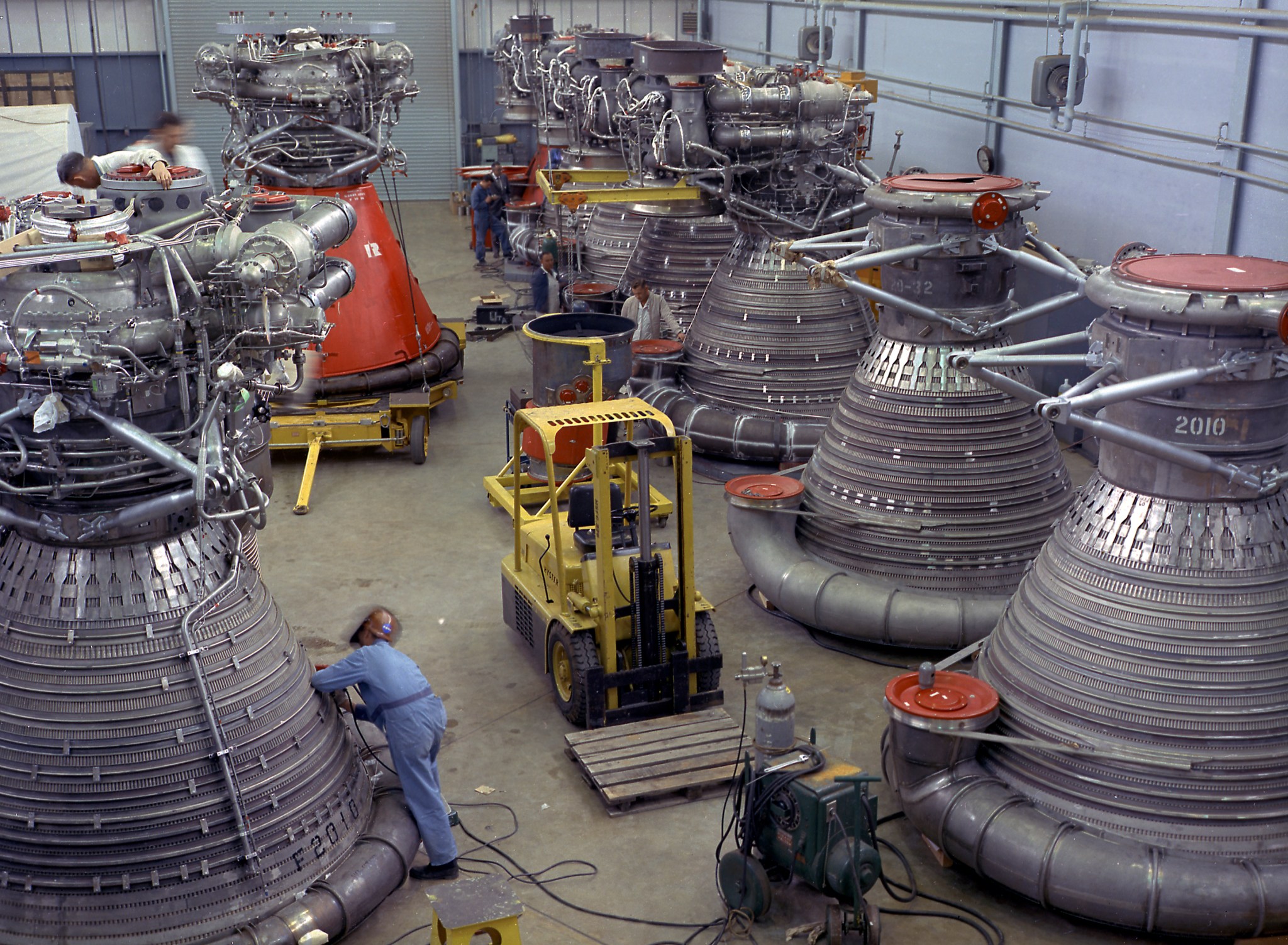
Marshall’s legacy in rocket engineering includes providing the Saturn rockets that powered Americans to the moon and the Lunar Roving Vehicle that aided exploration of the moon; managing the development of Skylab, America’s first space station; developing space shuttle propulsion systems and experiments, including Spacelab; building the Hubble Space Telescope and the Chandra X-ray Observatory; and building the International Space Station’s laboratory modules and experiment facilities and operating station science experiments. In addition to these major programs, Marshall has built many smaller science experiments and conducts science in a variety of disciplines. Marshall’s expertise in building large space systems and unique interdisciplinary approach to problem solving brings scientific and engineering expertise together, providing answers that improve life on Earth and provide a foundation for deep space exploration.
Marshall History
Watch archival film and video from some of the greatest develop enisn NASA Marshall Space Flight Center’s history.
Explore the PlaylistLearn More about the History of Marshall Space Flight Center
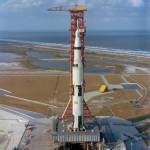
Marshall History Stories
Learn how it all began. Read about Marshall’s role in rocket history and space science. Find articles, pictures, and videos of events from Marshall’s past from the early years of rocket pioneer Dr. Wernher von Braun to the International Space Station.
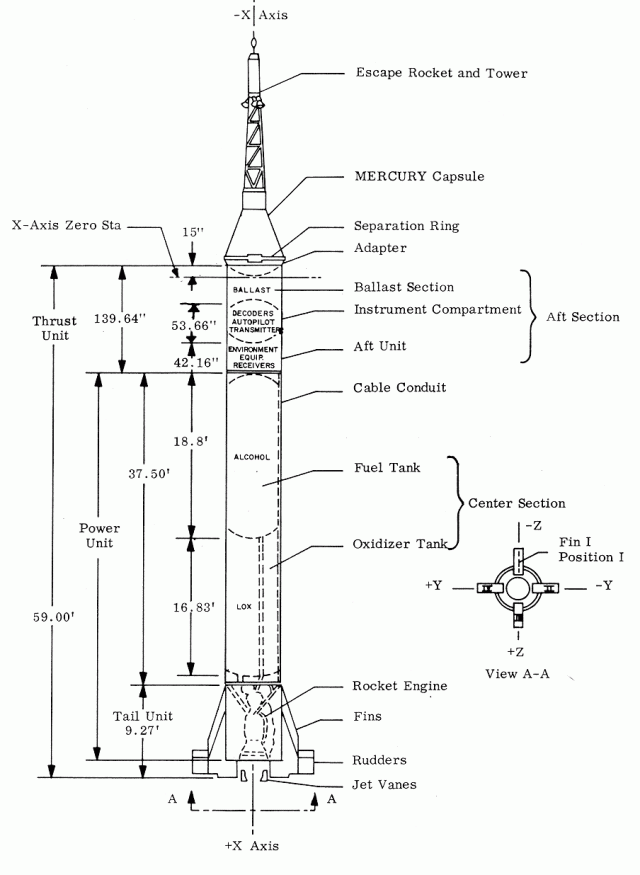
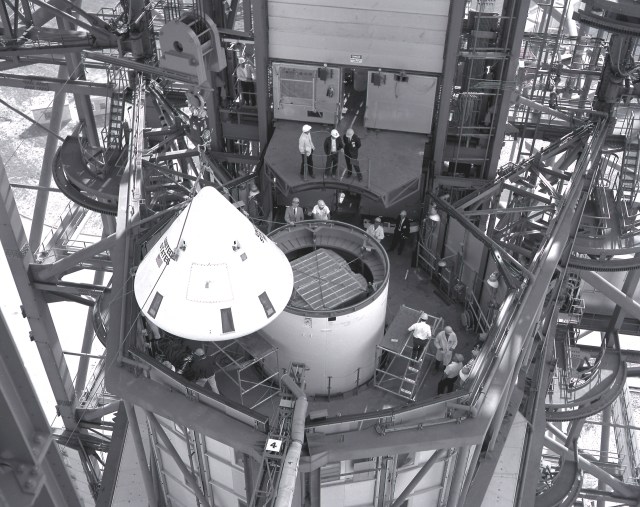
Mercury-Redstone Launch Vehicle
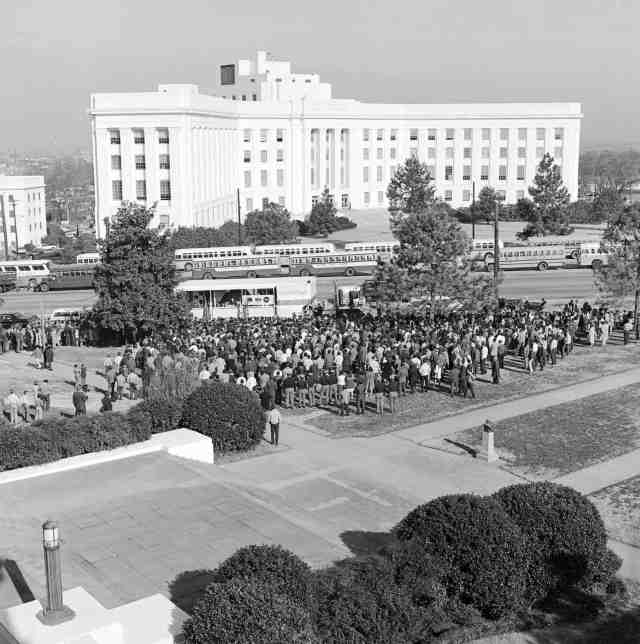
January 29, 1971: Apollo 11’s Columbia lands in Montgomery, Alabama
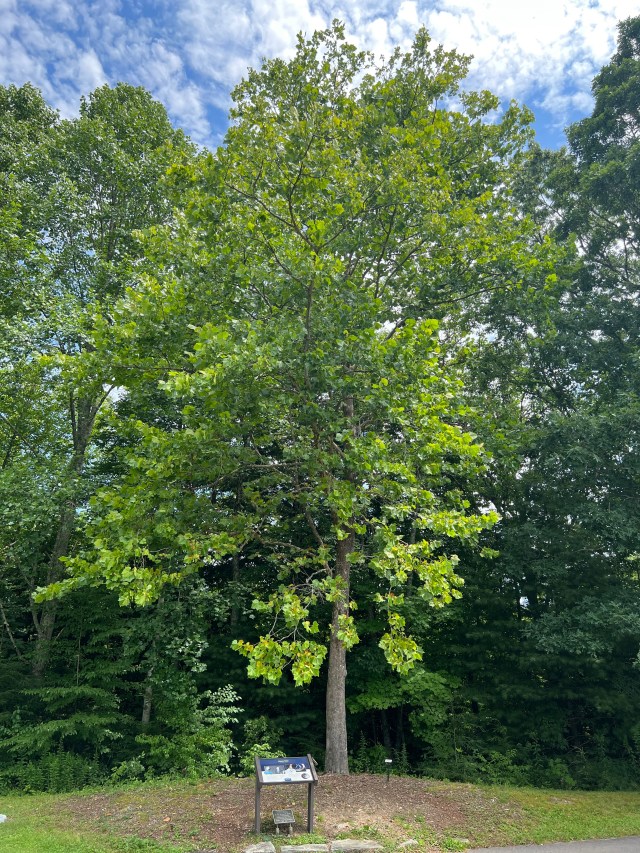
Moon Trees Stand as Living Testaments to First Voyages to Moon

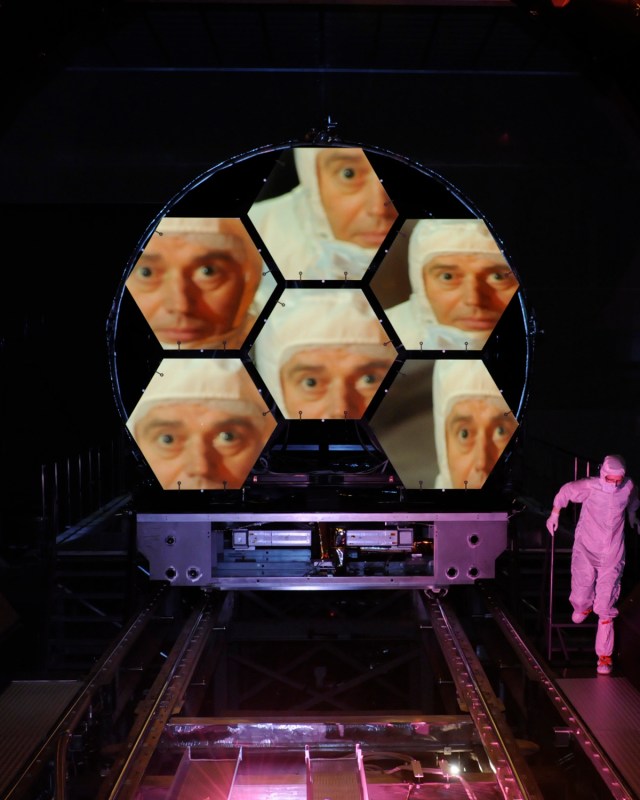
Marshall, Mirrors, and Mission History with NASA’s James Webb Space Telescope
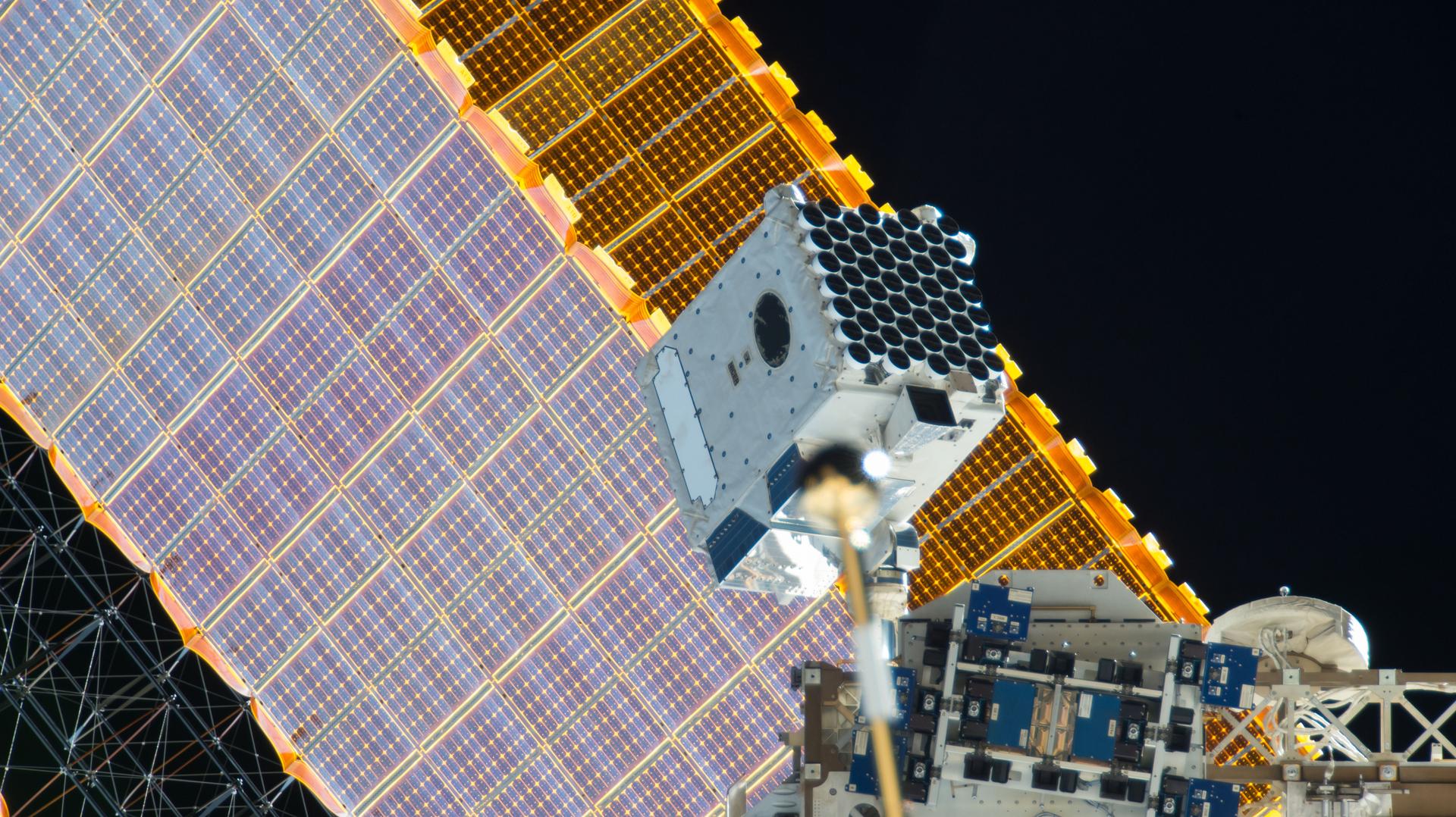
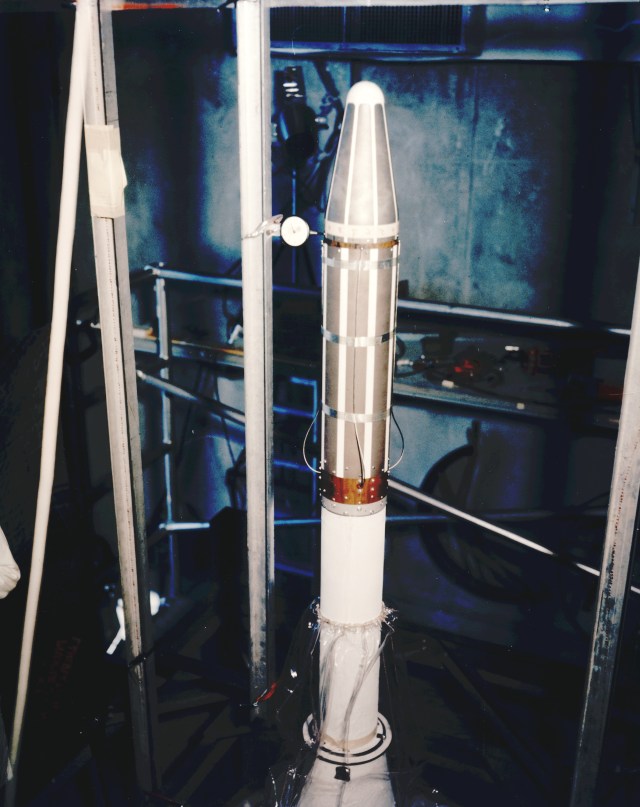
Pegasus Satellite
Story of Explorer 1
Black History Month at Marshall
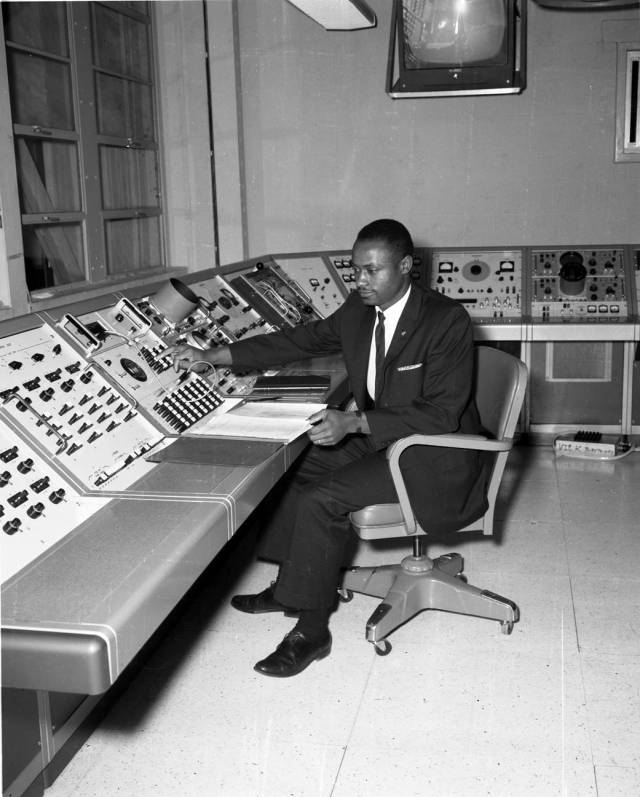
Earnest C. Smith
Over his career, Smith received the NASA Exceptional Service Medal in 1972 for significant personal contributions to the theoretical development, practical implementation and operational support of the navigation systems for the Lunar Roving Vehicle on the Apollo 16 mission, as well as several commendations and the astronauts’ Snoopy Award.
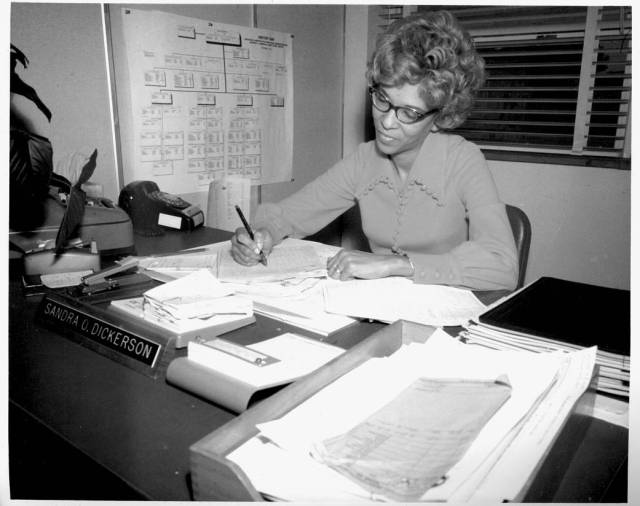
Sandra O’Neal Dickerson
During her career, Dickerson rose through the ranks holding various positions of increasing authority including Deputy Director of Employee and Organizational Development, where she retired after thirty-nine years of service.
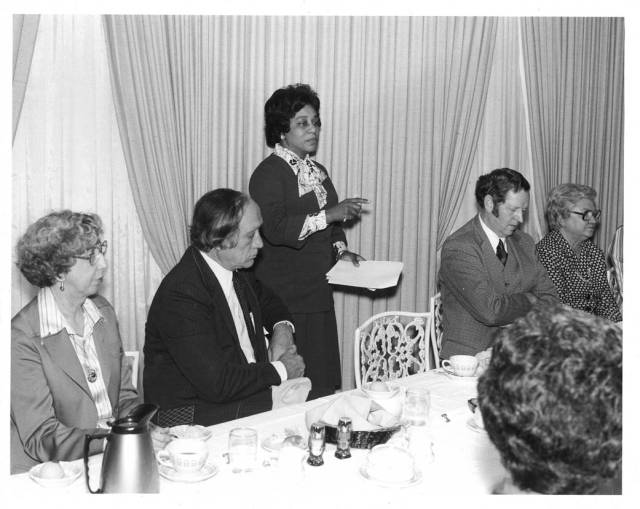
Oceola (Ocie) Hall
Oceola (Ocie) Hall graduated from Southern University in Baton Rouge, Louisiana and worked at NASA in June 1974 with an appointment as NASA’s Federal Women’s Program Coordinator.
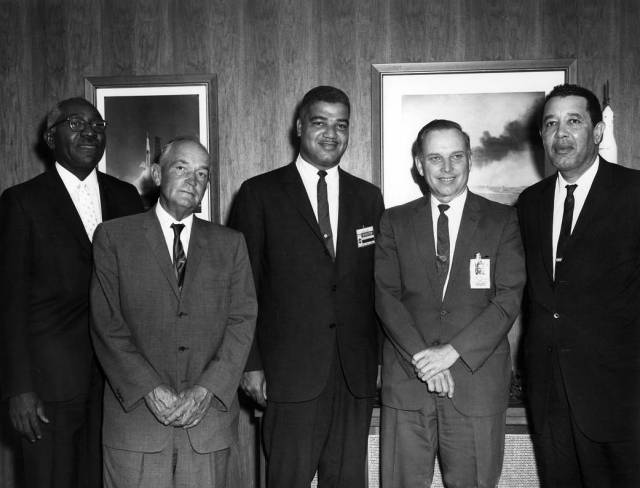
Whitney Young Jr.
In May 1966, civil rights leader and the director of the National Urban League, Whitney Young Jr., came to Huntsville and visited Marshall where center leadership discussed the expansion of new programs to advance equal employment at the center and contractors.
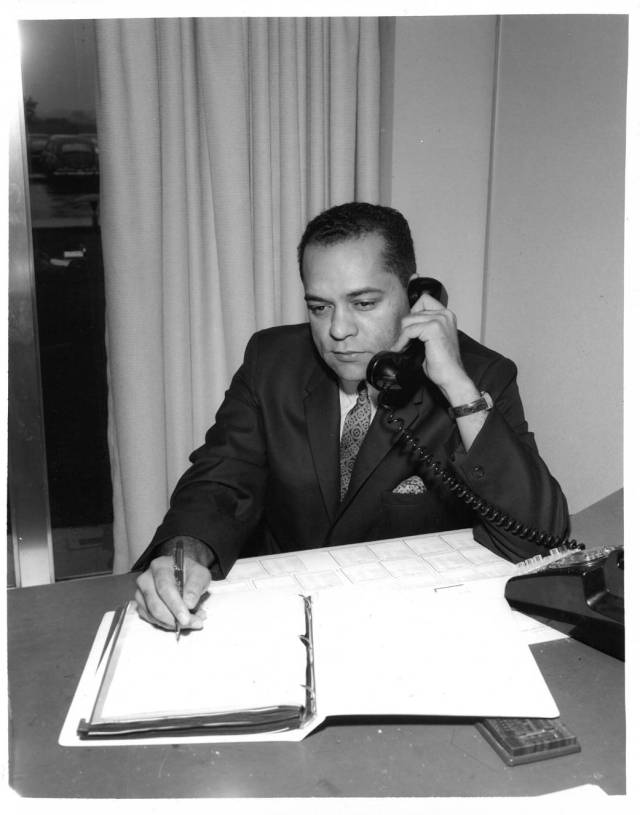
James C. Rice, Jr.
A native of Huntsville, Alabama, James C. (Jim) Rice, Jr. was the long-time director of the Equal Opportunity Office at NASA’s Marshall Space Flight Center in Huntsville, Alabama.
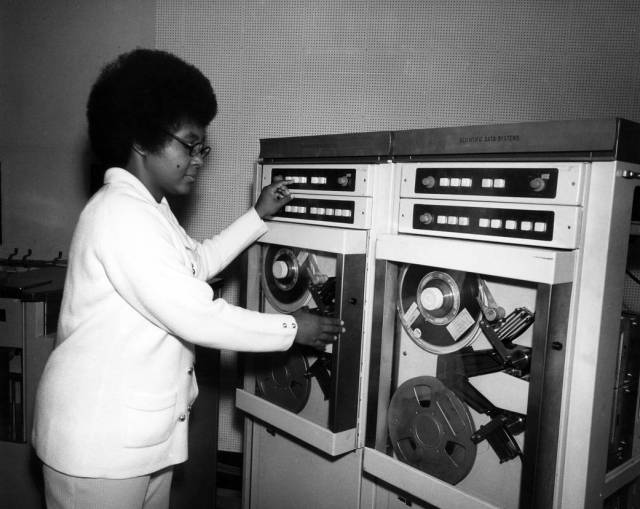
Jeanette A. Scissum
Jeanette Scissum joined NASA’s Marshall Space Flight Center in 1964 after earning bachelor's and master's degrees in mathematics from Alabama A&M University. Scissum published a NASA report in 1967, “Survey of Solar Cycle Prediction Models,” which put forward techniques for improved forecasting of the sunspot cycle.
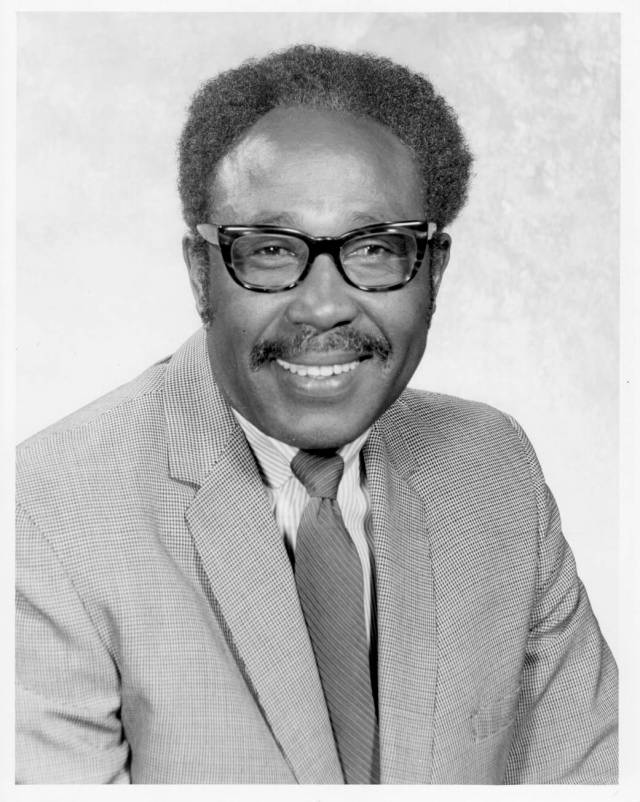
Dr. Robert Shurney
Throughout his career, Shurney received several awards including the Lunar Flight Award, the Apollo Achievement Award, and the Skylab Achievement Award. He also received the NASA Exceptional Service Medal for effective and dedicated coordination and conduct of the MSFC KC-135 Reduced Gravity Program in 1986.
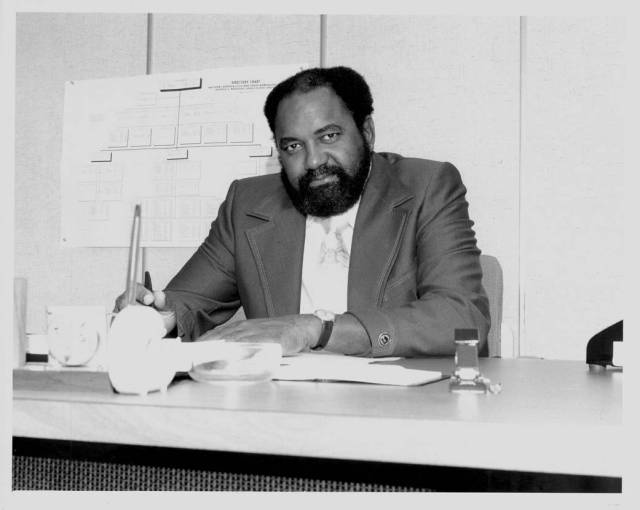
Clyde Foster
In June 1975, Marshall management named Clyde Foster to the position of director of the Equal Opportunity Office where he directed and administered a comprehensive program to assure equal opportunity in the conduct of all operations undertaken by the Center and its contractors.
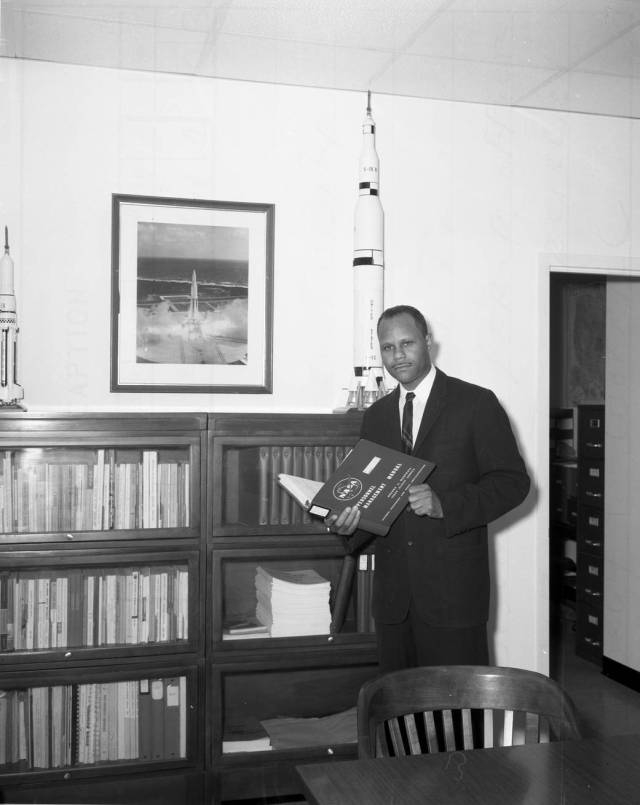
Charles T. Smoot
Charles Smoot was employed by NASA’s Marshall Space Flight Center where he began laying the foundation of a cooperative program targeting qualified African American students from universities across the nation.
Women Who Made History at Marshall
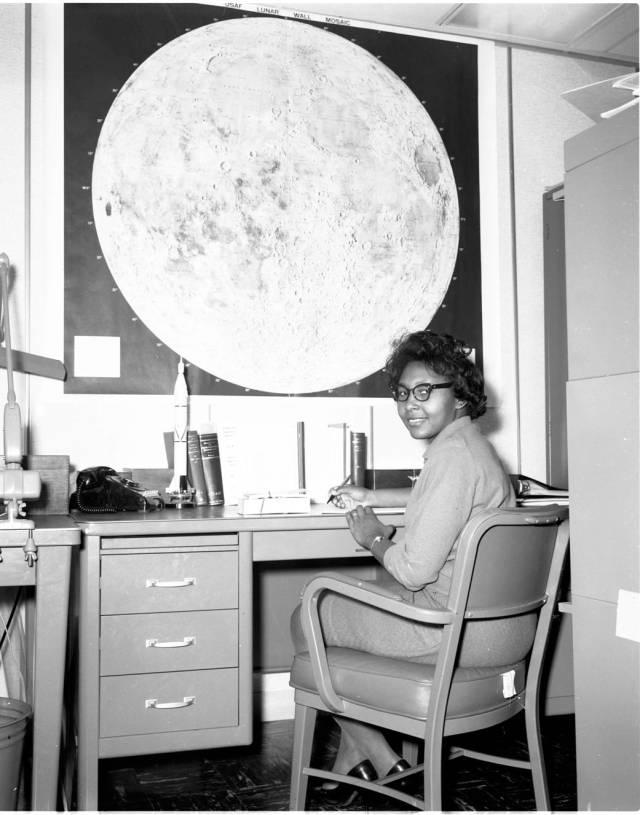
Jeanette A. Scissum
Jeanette Scissum joined Marshall Space Flight Center in 1964 after earning bachelor's and master's degrees in mathematics from Alabama A&M University. Scissum later worked at NASA Headquarters as a computer systems analyst responsible for analyzing and directing NASA management information and technical support systems.
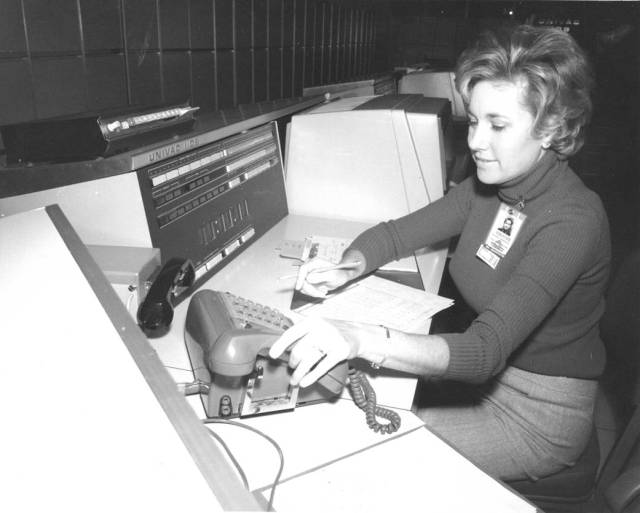
Billie Robertson
In 1952, Billie Robertson accepted a position with the Army and the Wernher von Braun rocket team and worked with guidance and control computer software. Over her career, she developed the manual for computer models related to launches during the Apollo, Skylab, and Apollo Soyuz Test Project (ASTP) programs.
Sandra O'Neal Dickerson
During her career, Dickerson rose through the ranks holding various positions of increasing authority including Deputy Director of Employee and Organizational Development, where she retired after thirty-nine years of service.
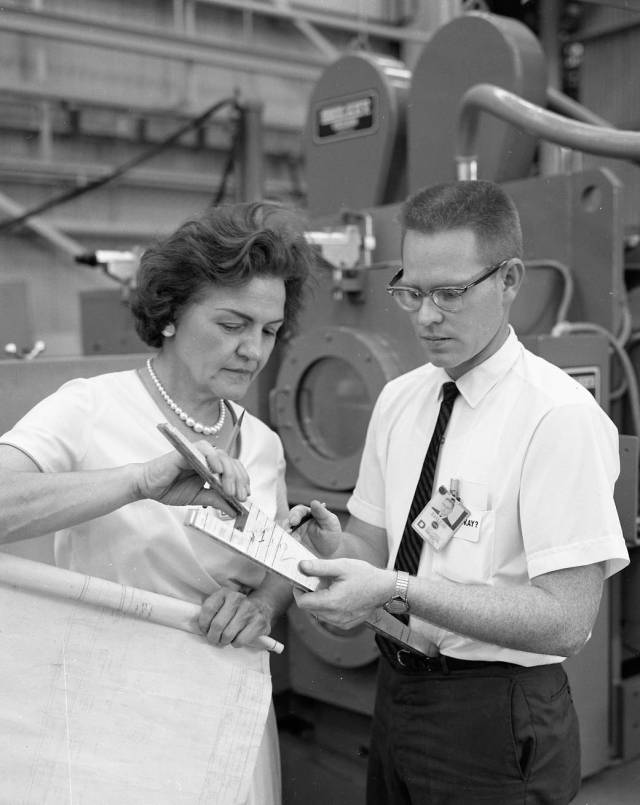
Margaret W. ‘Hap’ Brennecke
The first female welding engineer to work in the Materials and Processes Laboratory at Marshall, Margaret Brennecke was called upon to make critical decisions on the selection of lightweight high-strength metals and welding techniques for the Saturn rocket.
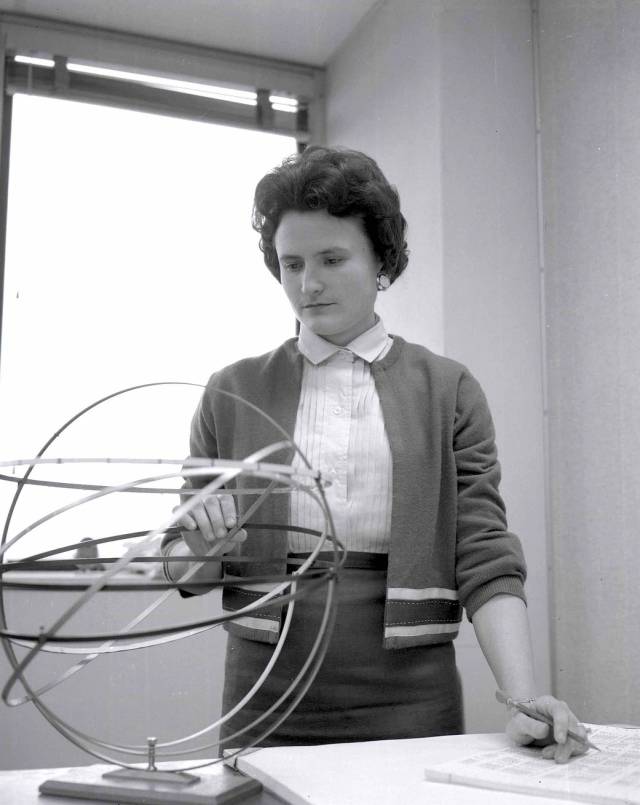
Ethel Heinecke Bauer
In February 1961, Ethel Heinecke became a mathematician at Marshall in the Aero-Astrodynamics Laboratory, and went on to plan lunar trajectories for the Apollo program.
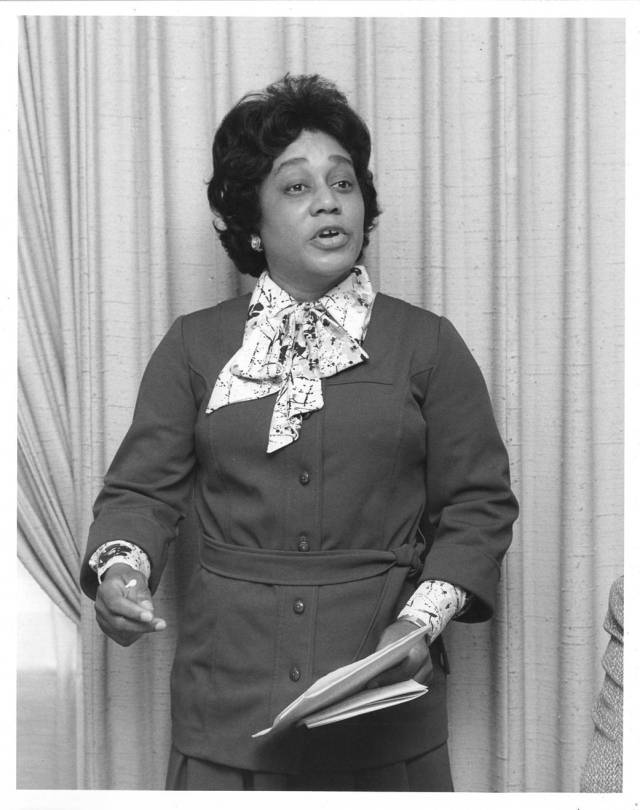
Oceola "Ocie" Hall
Hall came to NASA in June 1974 with an appointment as NASA’s Federal Women’s Program Coordinator, after serving as the Associate Director for Interagency Training, Equal Employment Opportunity Training Institute and Bureau of Training.
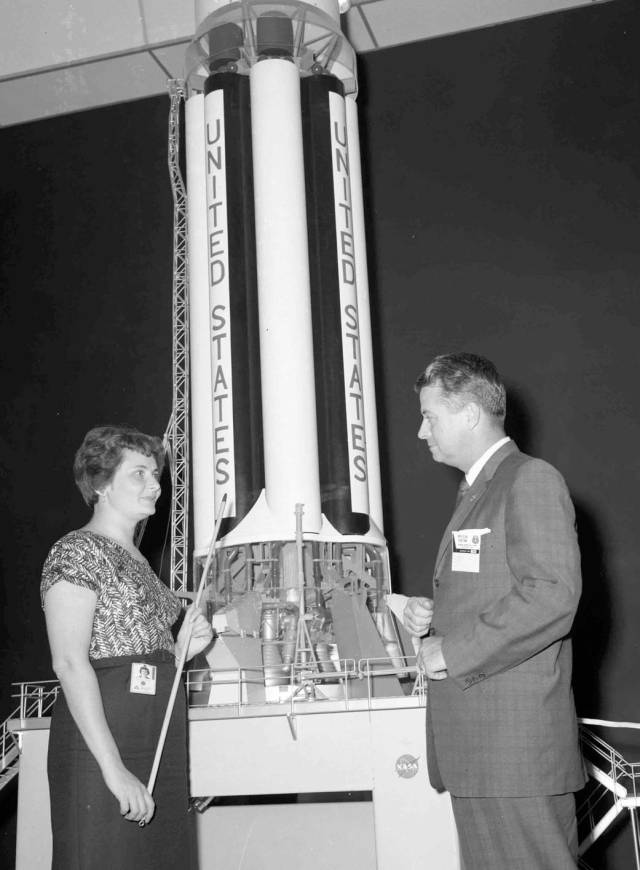
Evelyn Falkowski
Falkowski started work at Marshall in March 1962, accepting a position as a historian, and working primarily as curator at the Marshall Space Orientation Center.