






















Currently accepting applications for RockOn 2026!
Apply HERE
RockOn
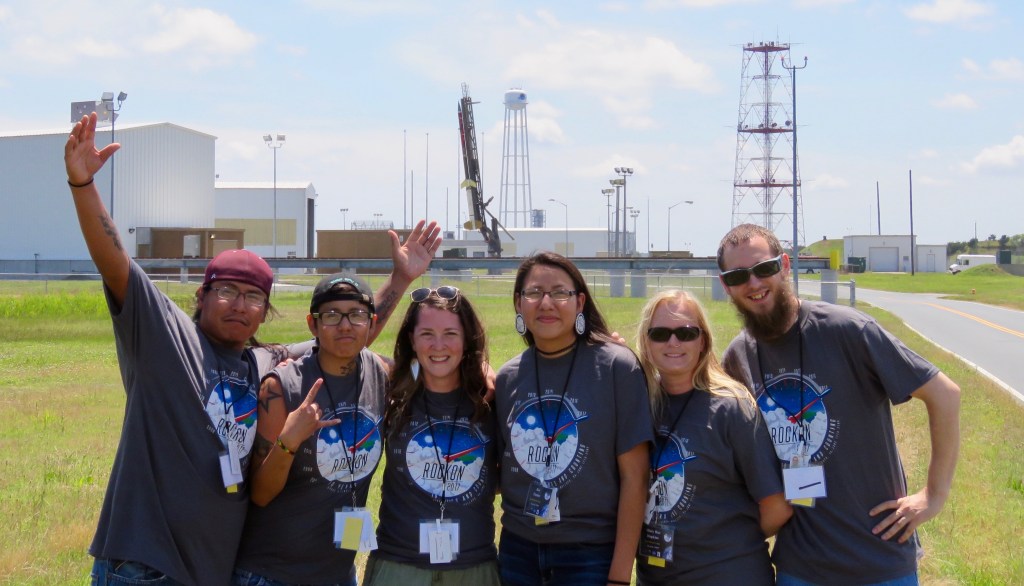
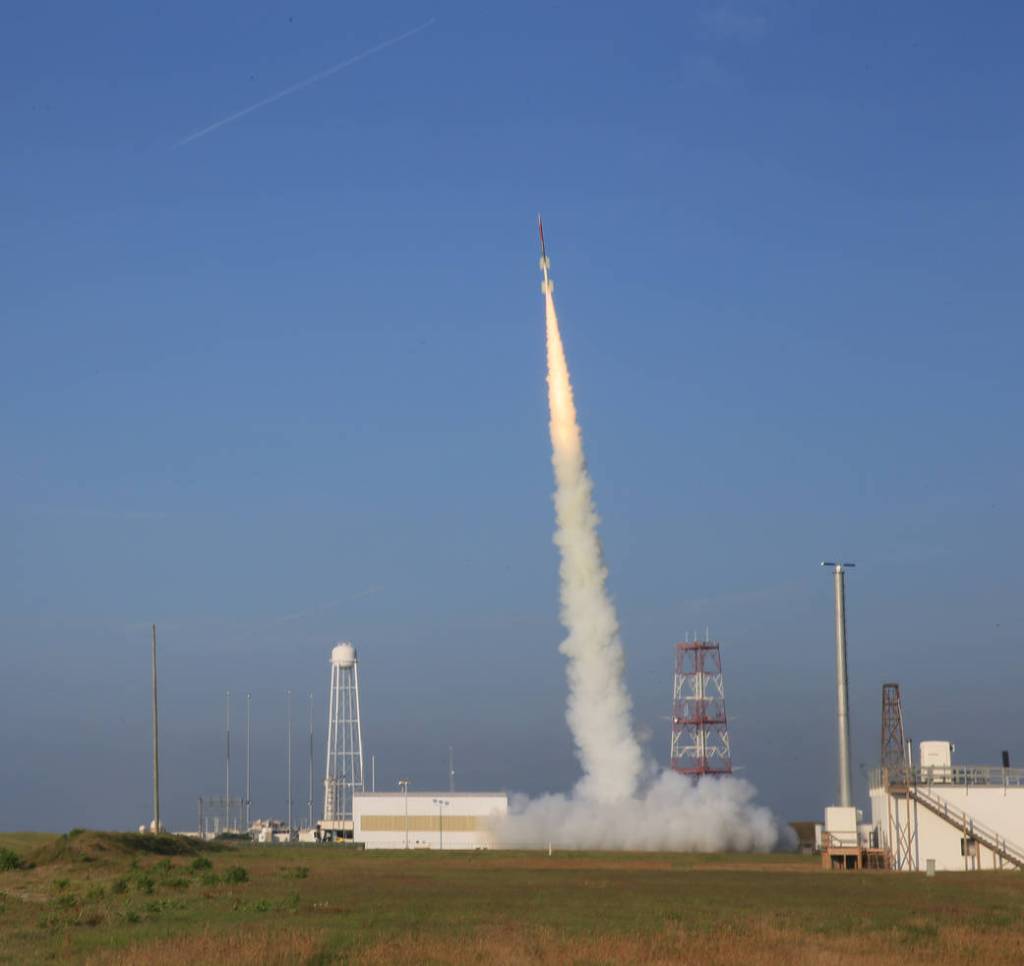
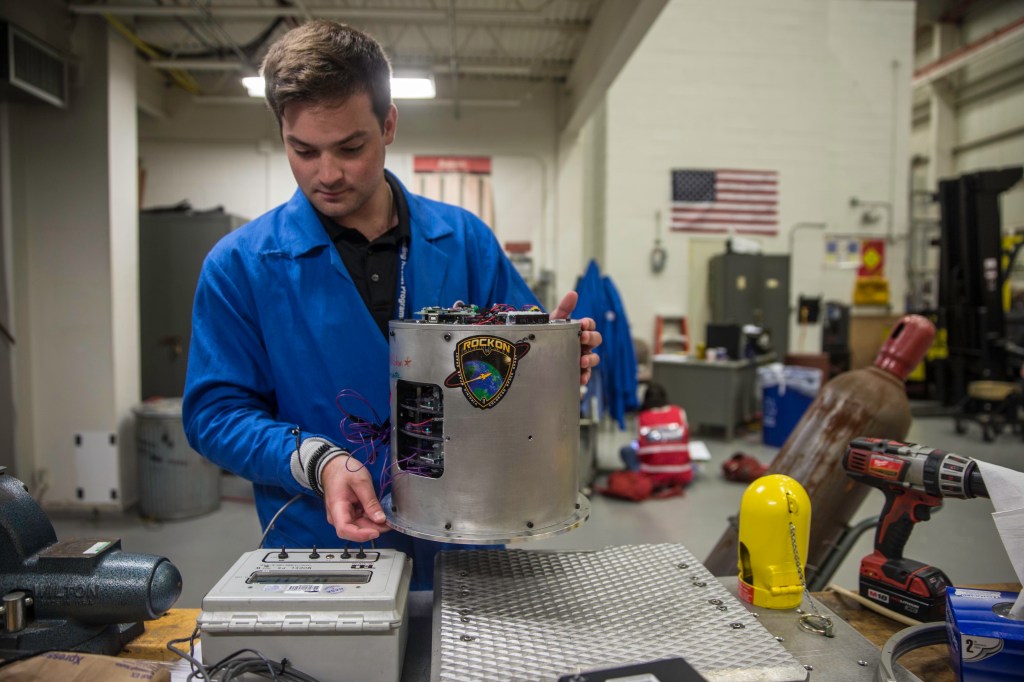
RockOn is a hands-on workshop teaching participants how to create a sounding rocket experiment from scratch over the course of 7 days and then launching it into space on the 8th day of the workshop. This is a team experience and takes place at Wallops Flight Facility and nearby off-site locations, on the Eastern Shore of Virginia.
The workshop is designed for college students and faculty. There are no prerequisites for participants. Anything needed to be successful at the workshop will be taught at the workshop. The workshop is currently planned to start on June 17th, 2026 and will conclude with launch on June 25th, 2026. These dates are subject to change until they are finalized in March 2026.
Team size is 3 people (2 students and 1 faculty member). Each team builds one RockOn experiment. All experiments will fly on the rocket and into space. You must sign-up as a community college or university team; no individual registrations will be accepted. Please note that RockOn will be limited to 21-28 teams. Teams will be able to apply up to the deadline, followed by a down select. Teams will be selected on how well they complete the application, rather than when they submit it within the application period.
————————————————-
Questions regarding program details can be directed to:
wff-rocksatprogram@mail.nasa.gov
RockOn 2019
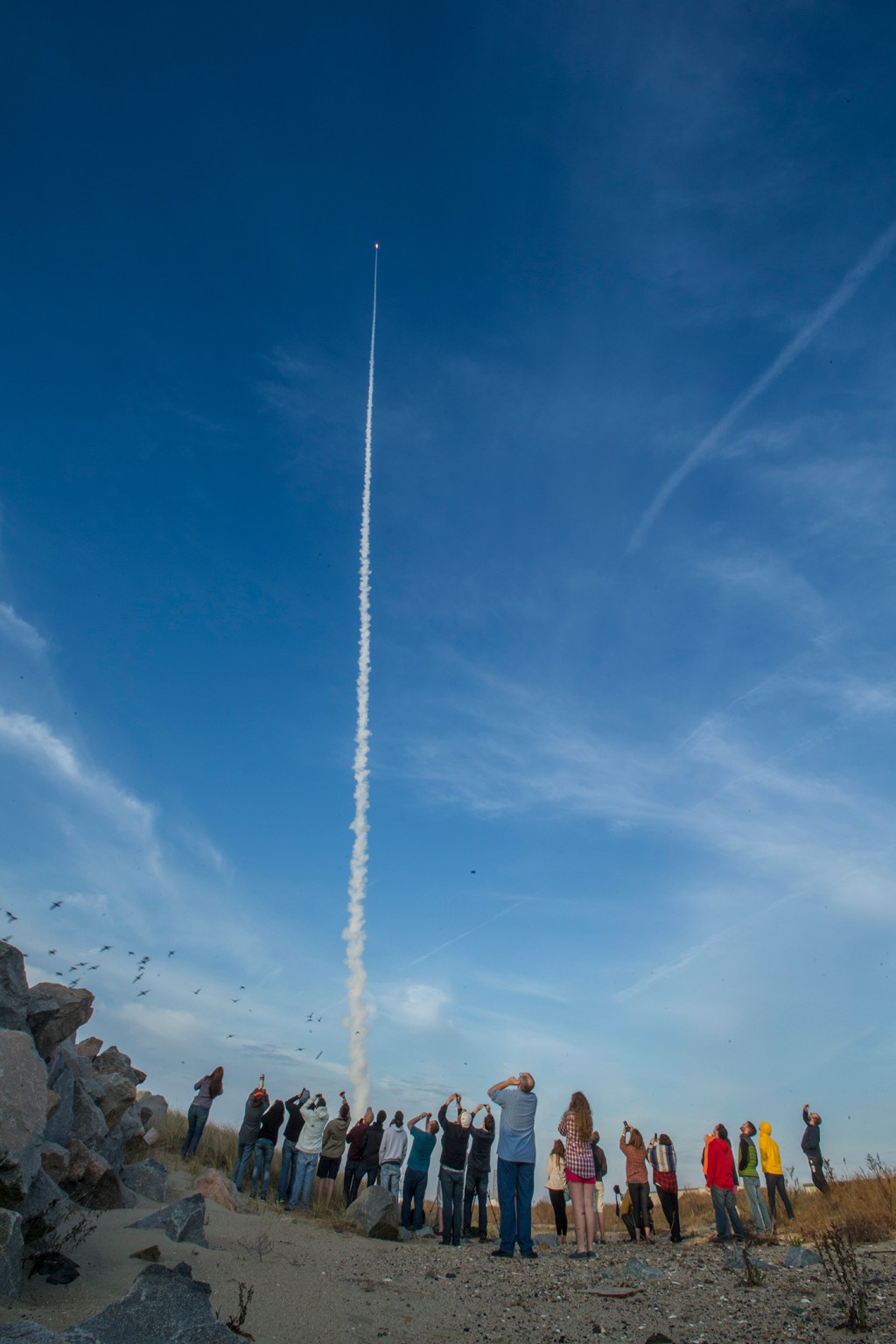
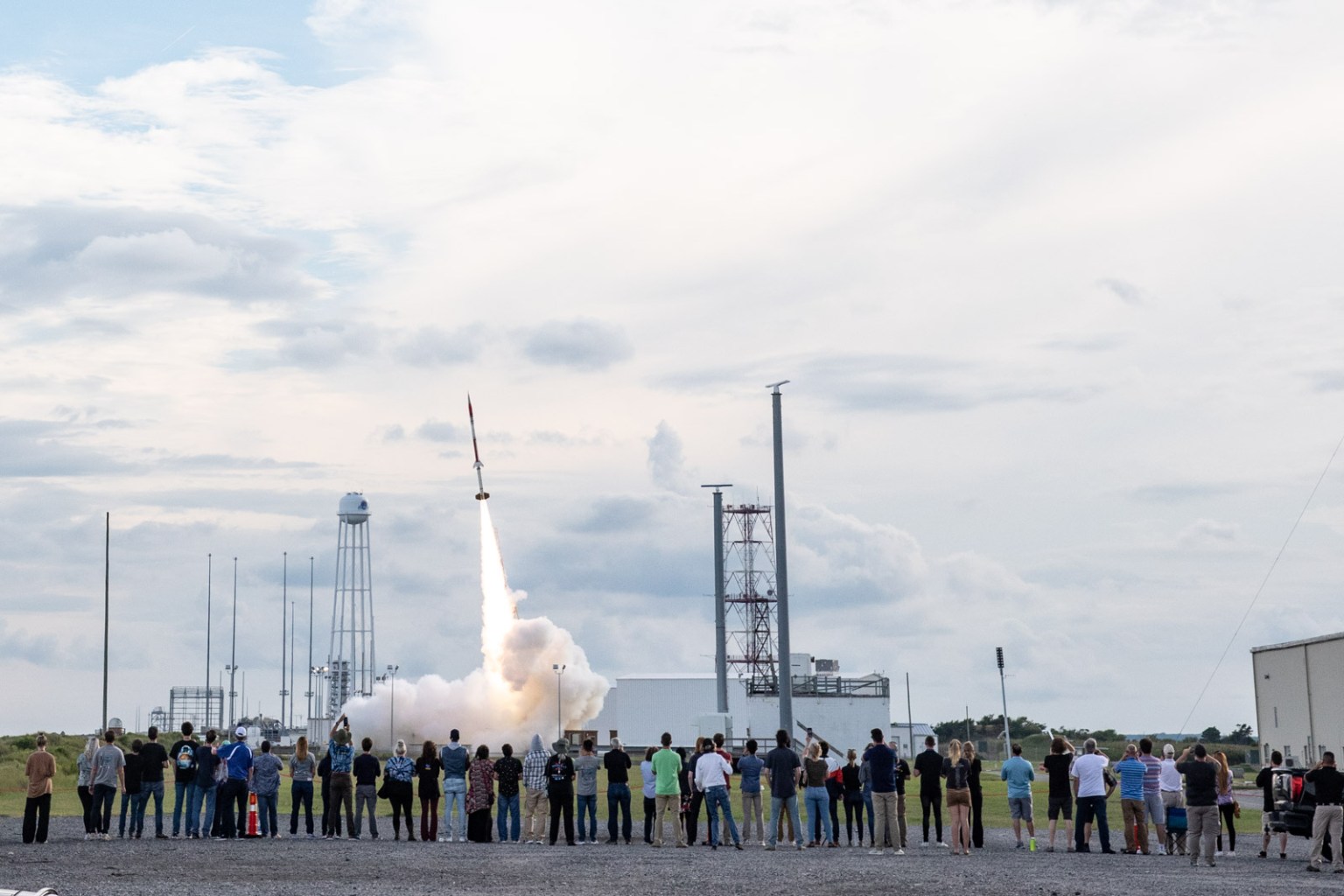
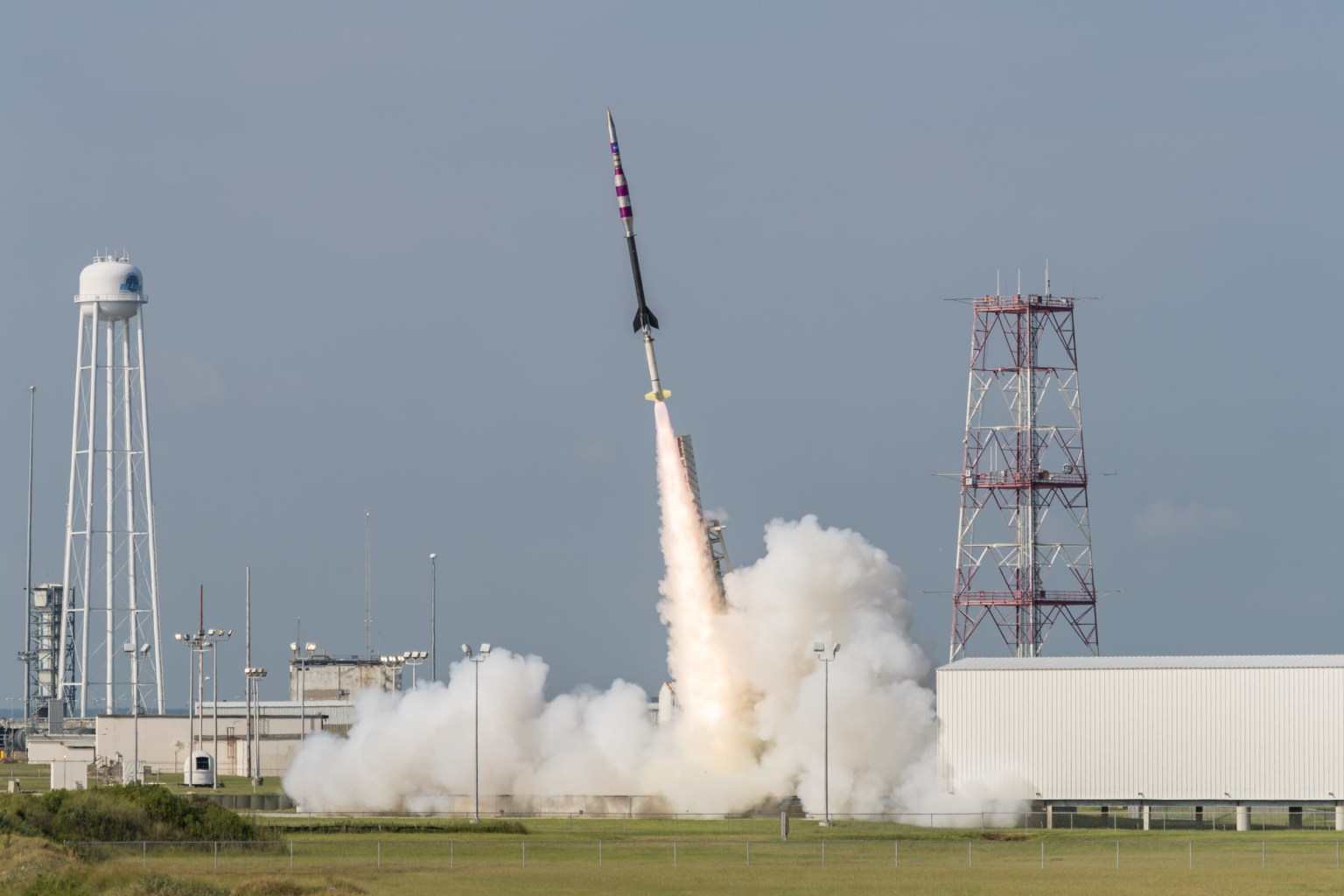
Students from across the United States witnessed the launching of their experiments aboard a NASA suborbital sounding rocket Thursday, June 20, 2019, from the Wallops Flight Facility in Virginia. The rocket will carry 28 experiments (measuring acceleration, humidity, pressure, temperature and radiation counts) from the RockOn! Program. Participants in RockOn! receive instruction on the basics required to develop a scientific payload for flight on a suborbital rocket. After learning the basics in RockOn!, students may then participate in RockSat-C, where during the school year they design and build a more complicated experiment.
Learn More