















Testing Power Conversion in Orbit
FLIGHT SUMMARY
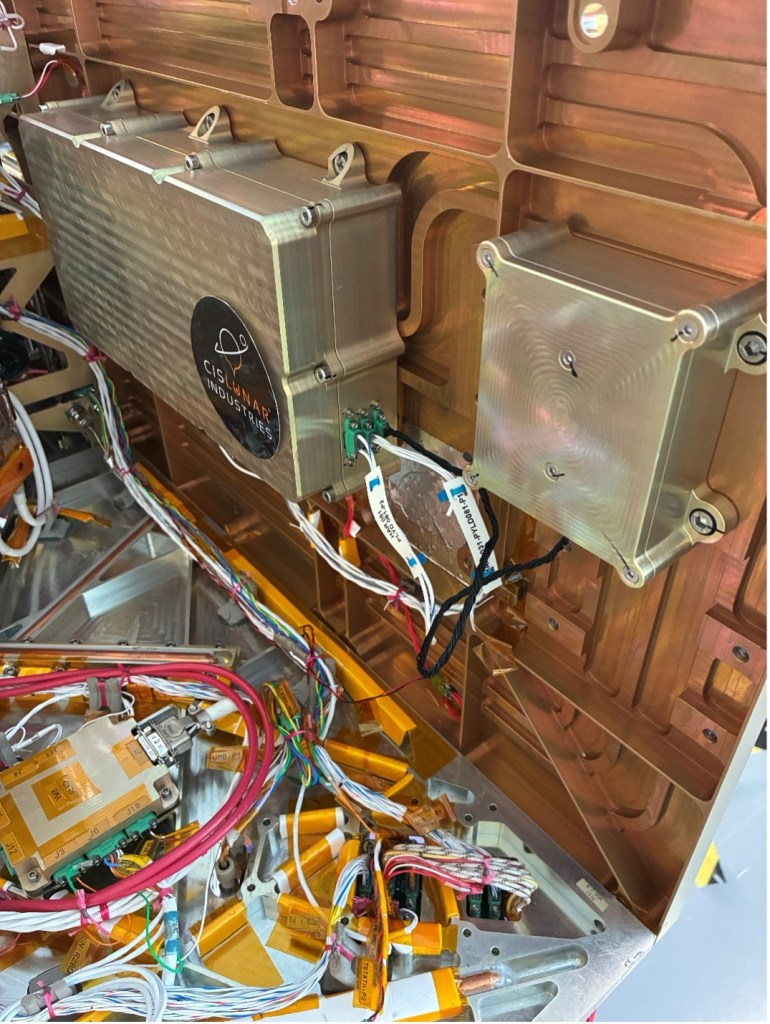
Nearly every spacecraft function — from propulsion to in-space servicing, assembly, and manufacturing (ISAM) — requires effective electric power generation and conversion. However, current power processing systems for operations exceeding 1 kilowatt (kW) are typically large, heavy, and custom-built. Therefore, NASA’s Flight Opportunities program is supporting the testing of smaller, lighter power processing hardware and software developed by CisLunar Industries of Loveland, Colorado. This demonstration in low Earth orbit — which marks the Flight Opportunities program’s first hosted orbital flight test — advances scalable power conversion designed to meet ISAM and other space industry needs.
Flight provider
Momentus Space
Flight test platform
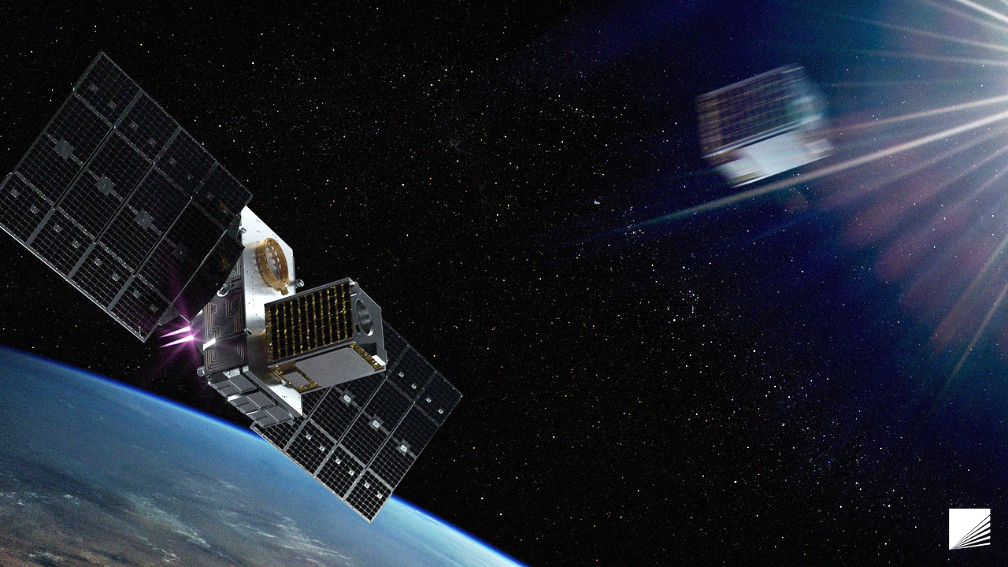
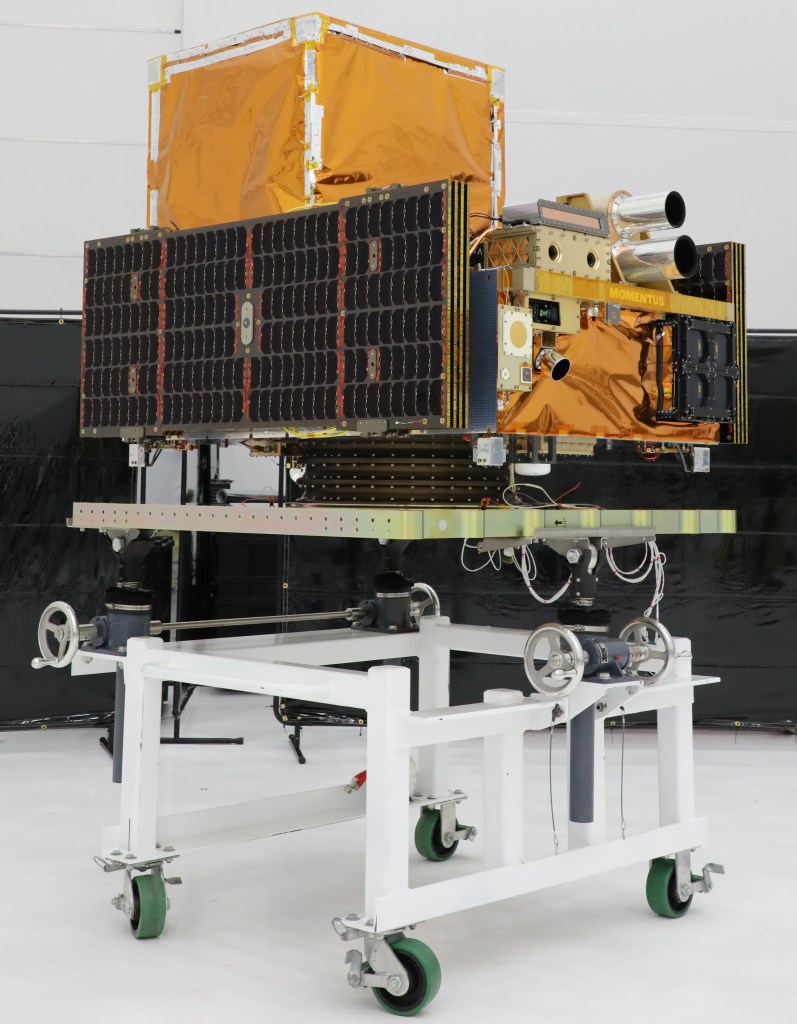
Vigoride Orbital Service Vehicle
launch window
March 30-31, 2026
flight testing begins
Late 2026
About the Flight Test
Conducted aboard Momentus Space’s Vigoride-7 mission, this hosted orbital flight test of CisLunar Industries’ Electric Power Intelligent Conversion (EPIC) technology will expose the system to sustained thermal cycling and cumulative radiation effects encountered during on-orbit operation. The demonstration focuses on validating flight-like control and communication hardware in a low Earth orbit environment. The test will evaluate system functionality by issuing commands from the ground and receiving telemetry through the Momentus mission operations center. A primary objective is to demonstrate in-flight software update capability, enabling validation of remote reconfiguration and firmware reliability in orbit.
More About the Payload
Improved Size, Weight, and Power (SWaP)
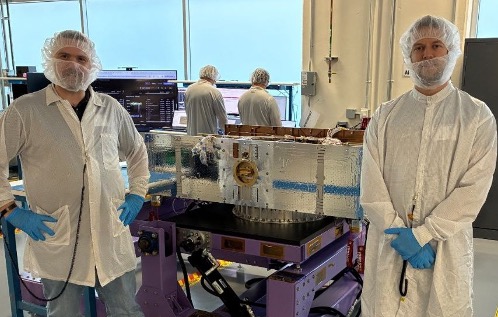
The CisLunar Industries EPIC technology is hardware and software designed to deliver scalable electric power conversion for a variety of spacecraft systems. This technology provides a significant SWaP improvement while achieving efficiencies similar to typical, large state-of-the-art commercial converters.
Each CisLunar Industries modular unit supports power transformation ranging from 1 kW to 100 kW with at least 95% efficiency. Using a modular, interoperable system that can be reconfigured or updated in-orbit, the system seeks to address the inefficiencies that often require larger batteries, solar arrays, and thermal systems.
If successful, this technology could enable scalable, standardized high-power conversion for ISAM activities in low Earth orbit, geostationary Earth orbit, and cislunar space as well as dynamic space operations, including electric, dual-mode, and other forms of electric propulsion.
Launch
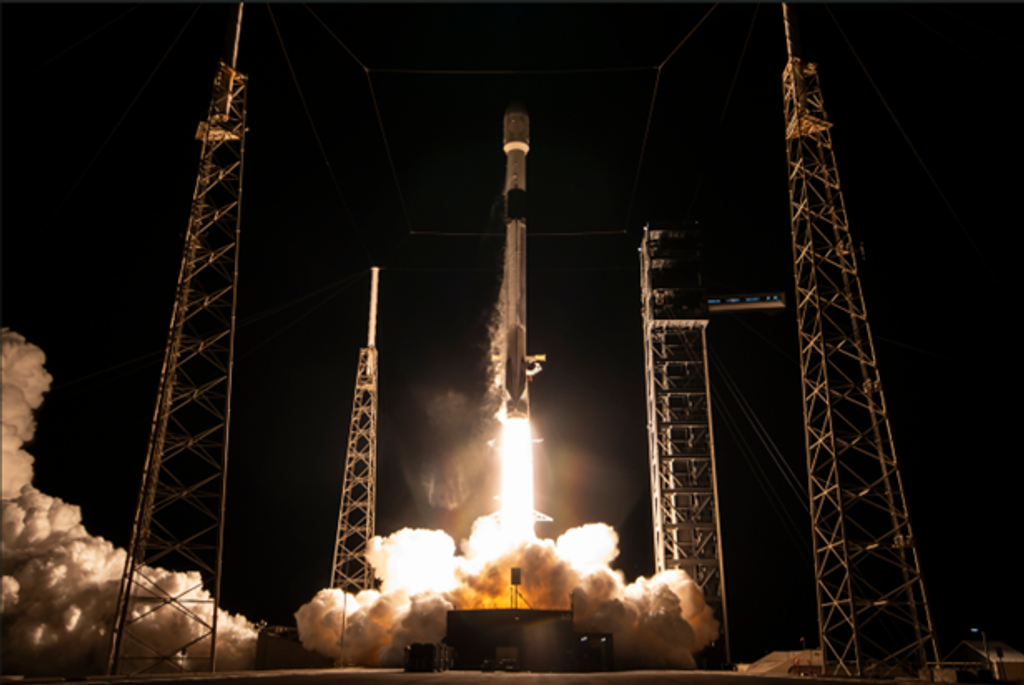
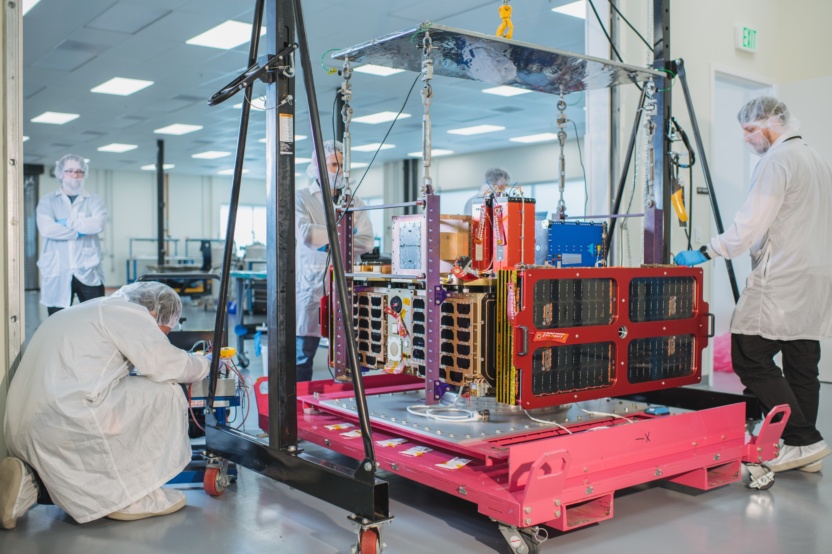
The Momentus Space Vigoride-7 orbital service vehicle will travel to low Earth orbit aboard the SpaceX Transporter-16 rideshare mission, launching from Vandenberg Space Force Base in California. SpaceX is targeting Monday, March 30, 2026, for launch with a backup opportunity on Tuesday, March 31.
Other payloads with Flight Opportunities heritage are also going to space on this rideshare mission:
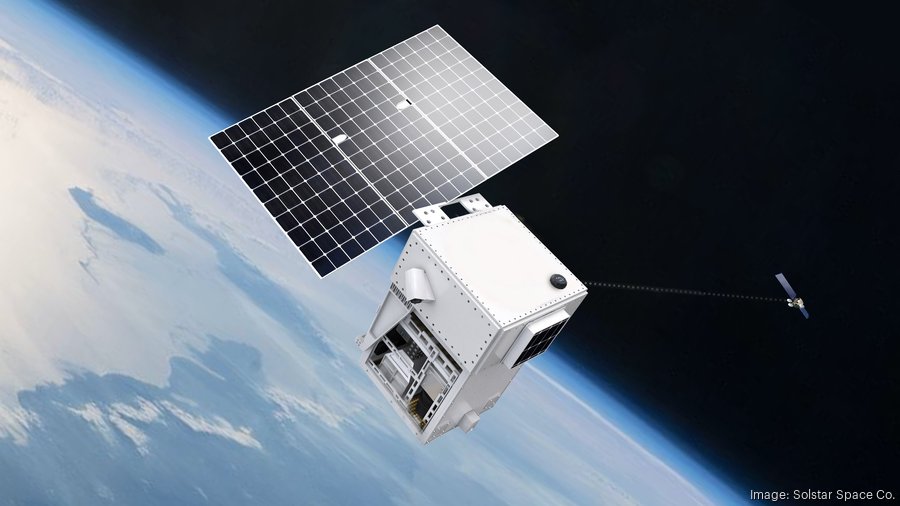
— Also on Vigoride-7 is a NASA CubeSat set to demonstrate in-space wifi service provided by Solstar Space Company, which Flight Opportunities tested on a variety of suborbital platforms between 2013 and 2018.
— The rideshare vehicle also has the W-6 capsule from Varda Space Industries, which uses a thermal protection material licensed from NASA and tested through the Flight Opportunities program.
Contact Flight Opportunities with inquiries.
Photo credits for upper banner images: Momentus Space
Related Content
In-Space Relay and Wifi Service