













Technology Demonstration Missions (TDM)
NASA’s Technology Demonstration Missions (TDM) bridges the gap between: need and means; scientific and engineering challenges and the technological innovations needed to overcome them; early proof-of-concept tests; and the final infusion of cost-effective, revolutionary new technologies into NASA, government and commercial space missions.
Latest News

Faces of Technology – Meet Jason Frieman
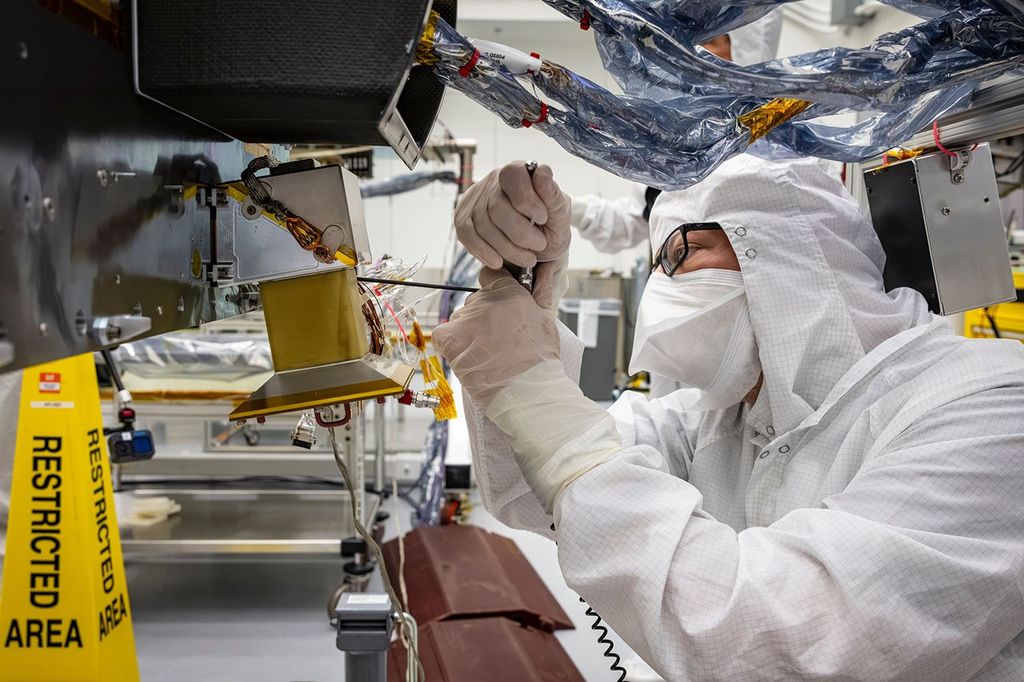
Meet Jason Frieman, a Research Electrical Engineer at NASA’s Glenn Research Center. Jason is one of the researchers bringing science fiction to life with the advanced electric propulsion engines they are designing for future spacecraft.
Learn about Electric PropulsionTDM Projects
Chosen technologies will be thoroughly ground- and flight-tested in relevant operating environments reducing risks to future flight missions, gaining operational heritage and continuing NASA’s long history as a technological leader. These newly proven technologies will enable future NASA missions to pursue bolder goals; make human missions safer and more rewarding; and enable new expansion of space industry in the government and commercial sectors.

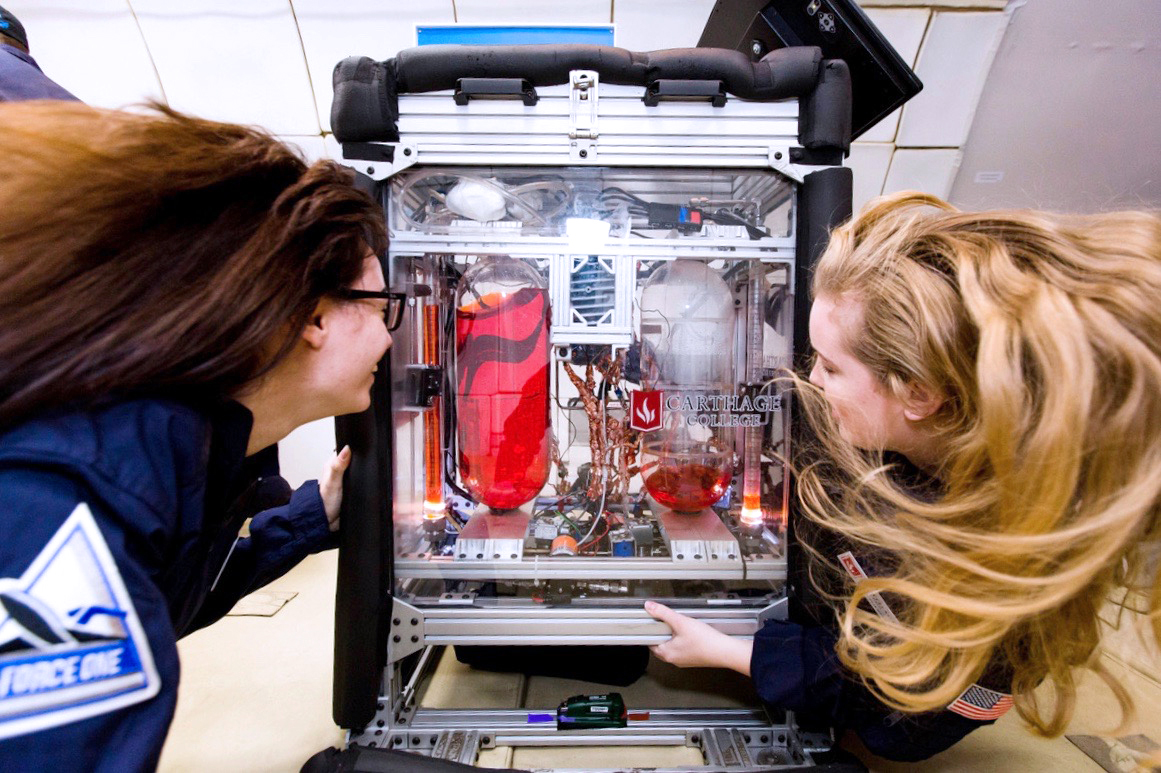
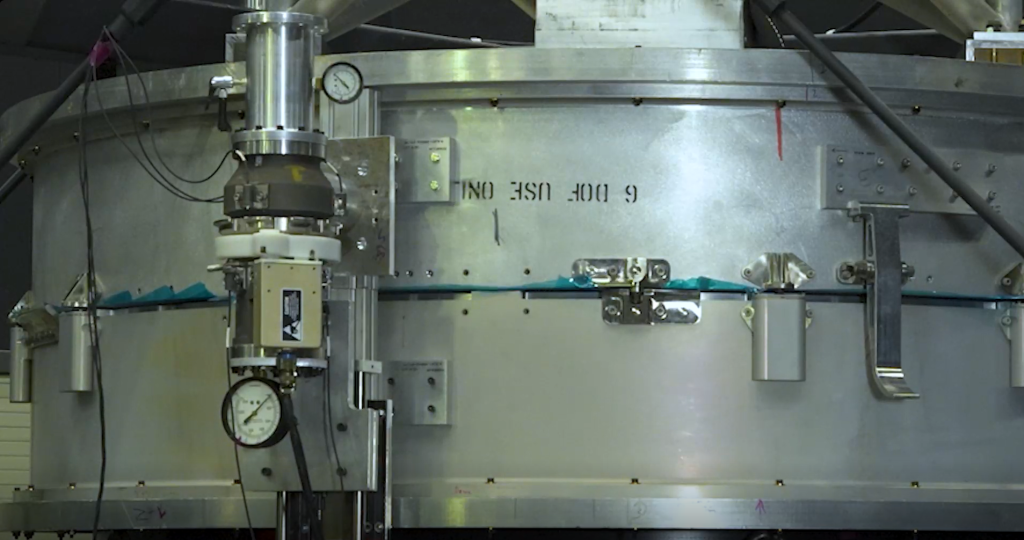
Cryogenic Fluid Management
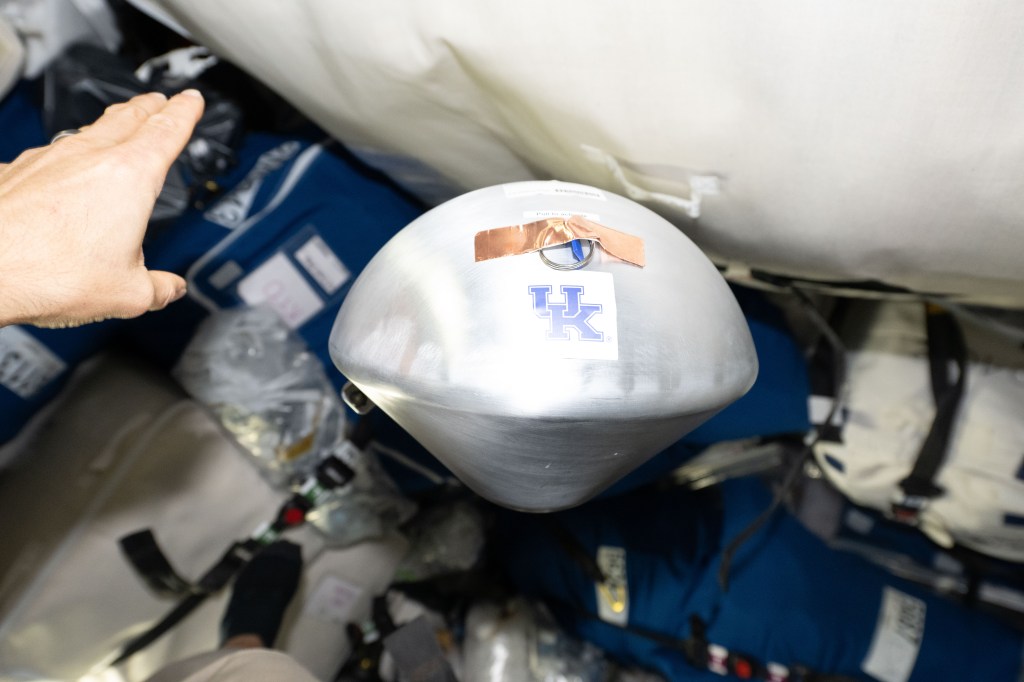
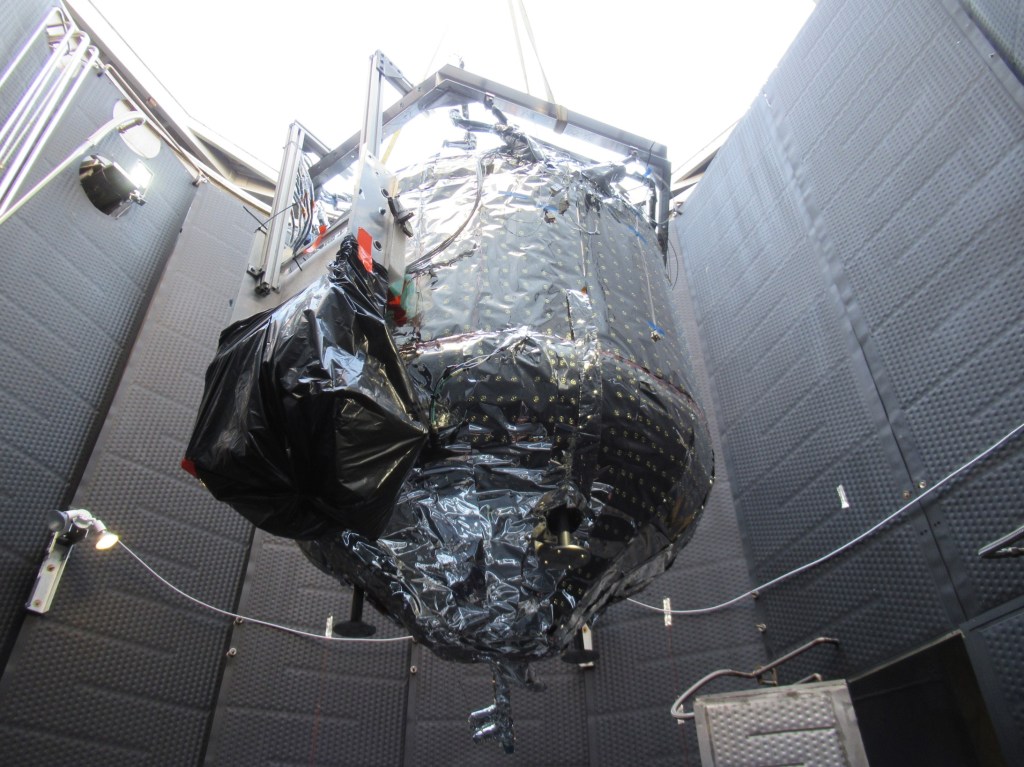
The Cryogenic Fluid Management Portfolio Project is chartered to lead and manage cryogenic fluid research and technology development across NASA.
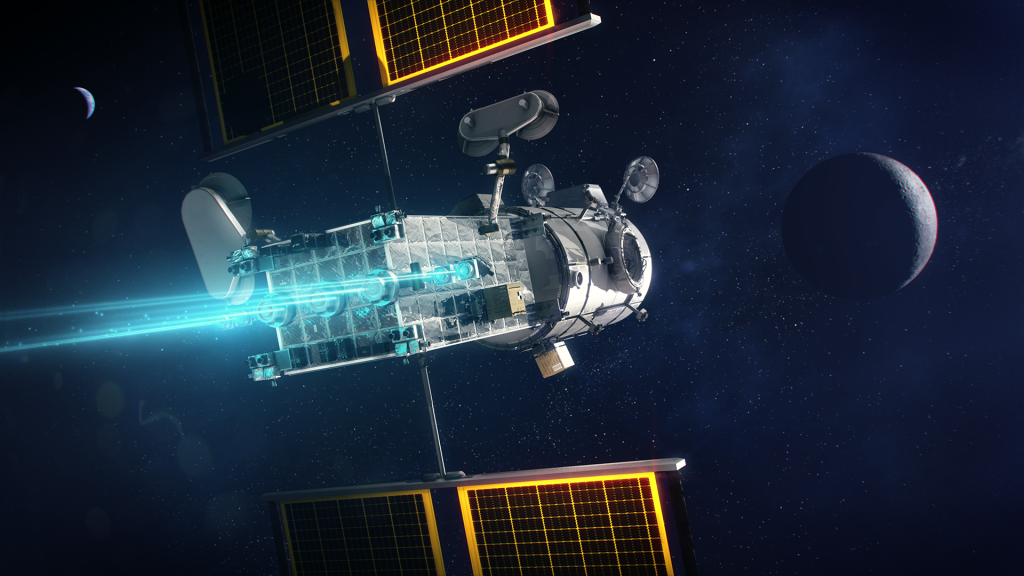
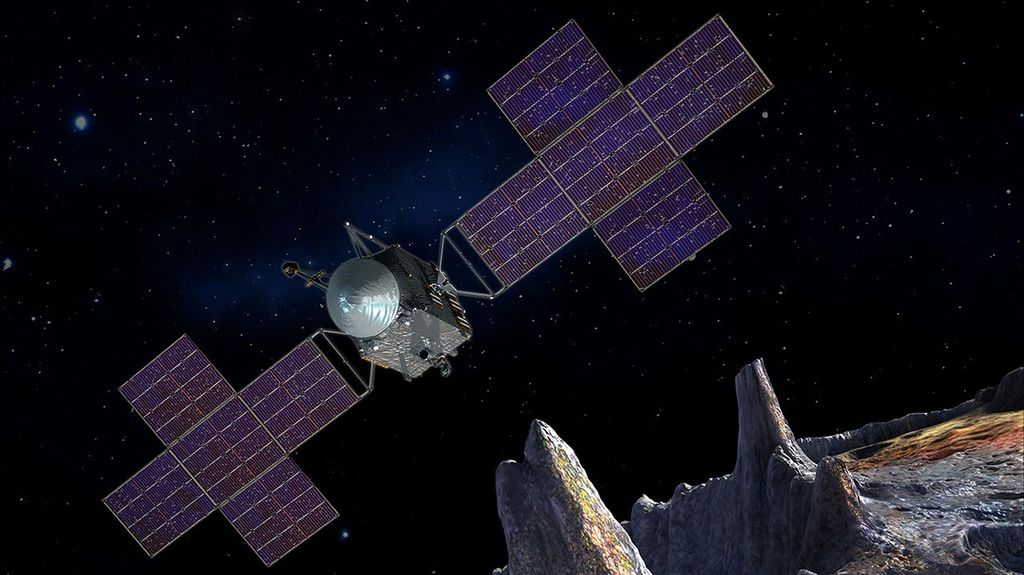
Solar Electric Propulsion
Solar Electric Propulsion (SEP) project will enable government and commercial customers to extend the length and capabilities of ambitious new exploration and science missions.
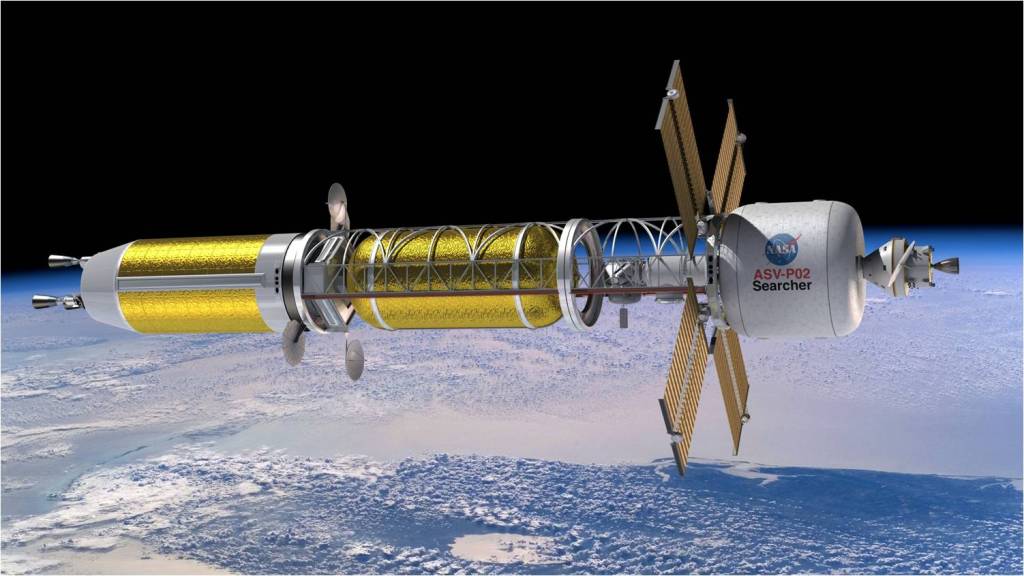
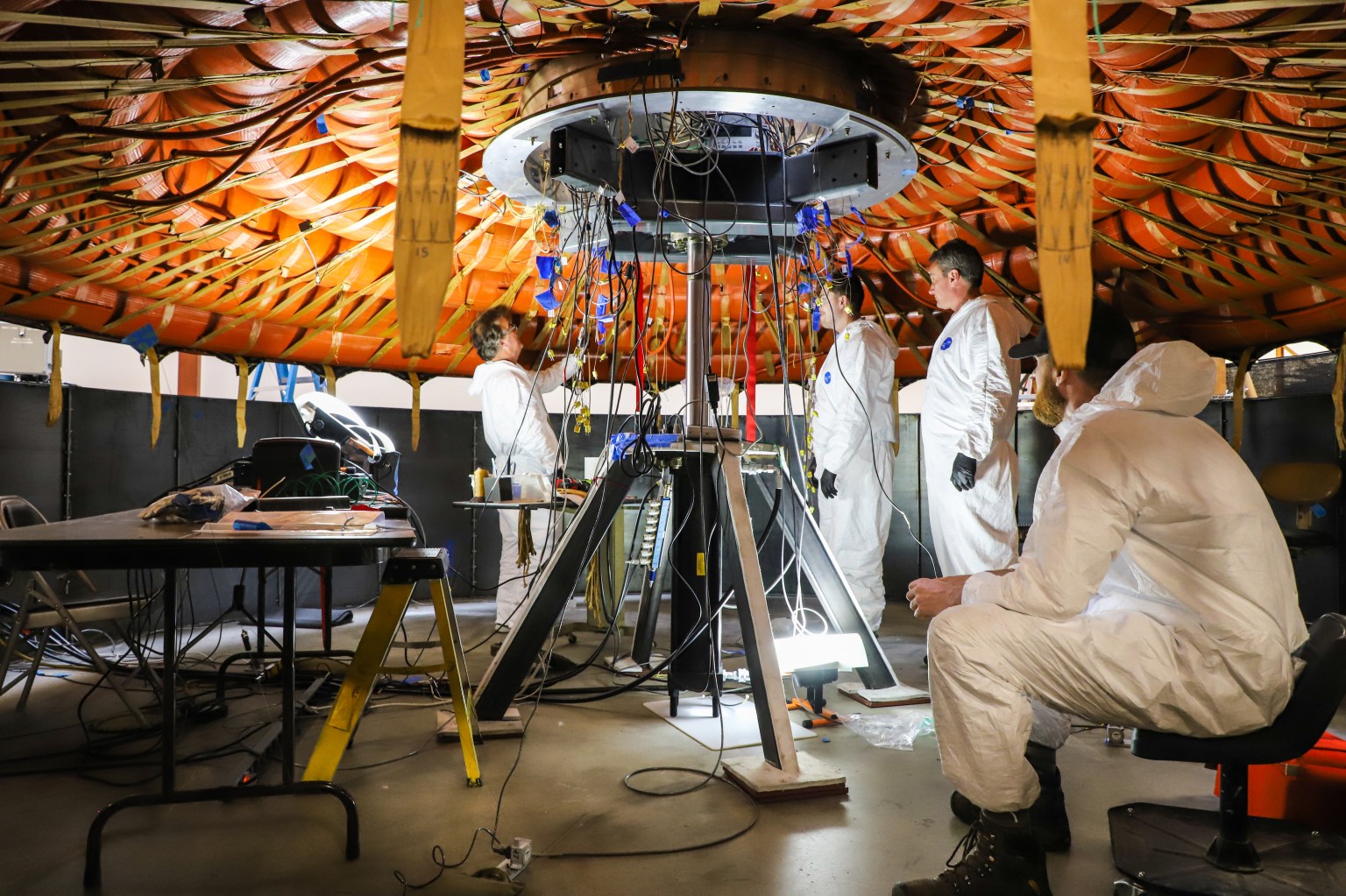
Space Nuclear Propulsion
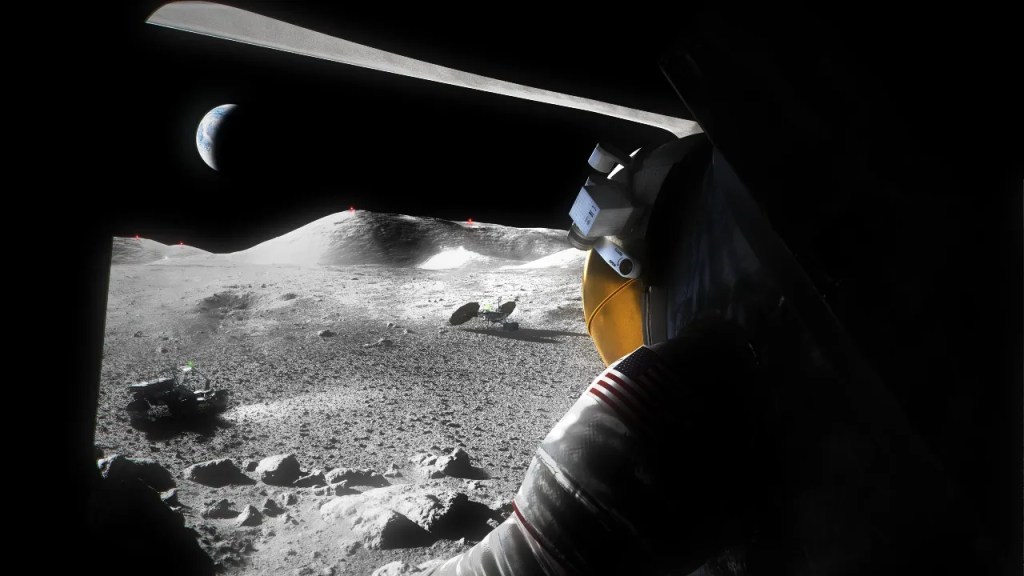
Space Nuclear Propulsion (SNP) is one technology that can provide high thrust and double the propellant efficiency of chemical rockets, making it a viable option for crewed missions to Mars.
Integrated Rotating Detonation Engine System
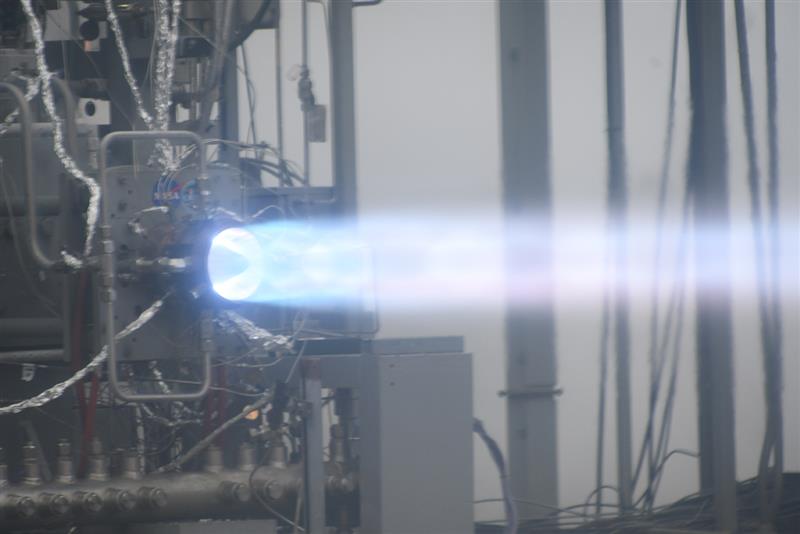
The Integrated Rotating Detonation Engine System (InRoDES) project is developing a new kind of rocket engine that uses rotating detonation waves to boost efficiency and reduce engine mass. This emerging propulsion technology could one day help power human landers and deep‑space missions more efficiently.
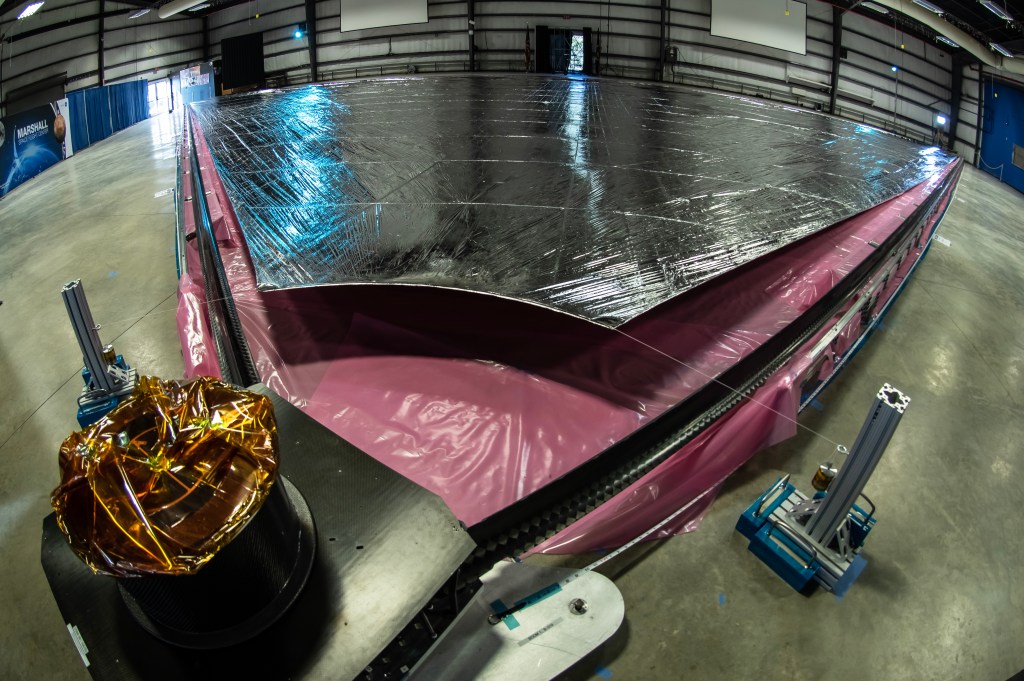
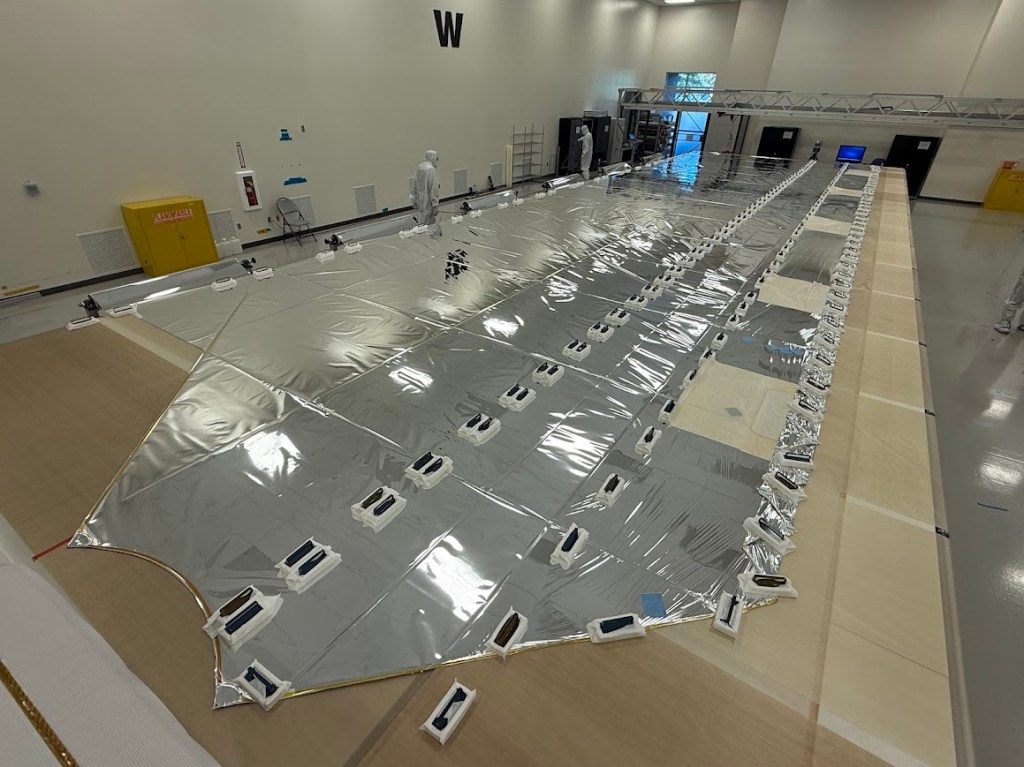
Space Storm Solar Sail Sentinel
Because solar sails use the power of the Sun, they can provide constant thrust to support missions that require unique vantage points. After separating from the launch vehicle, the spacecraft will travel toward a sail-enabled, non-Keplerian sub-L1 halo orbit.