








In-Space Servicing, Assembly, and Manufacturing (ISAM)
Infrastructure built for the space environment, not constrained by it
ISAM’s mission is maturing the technologies needed to upgrade spacecraft with state-of-the-art science instruments and components, refuel and repair spacecraft near earth or on journeys to the moon, mars, or deep space, and advance science and exploration space systems…
Servicing
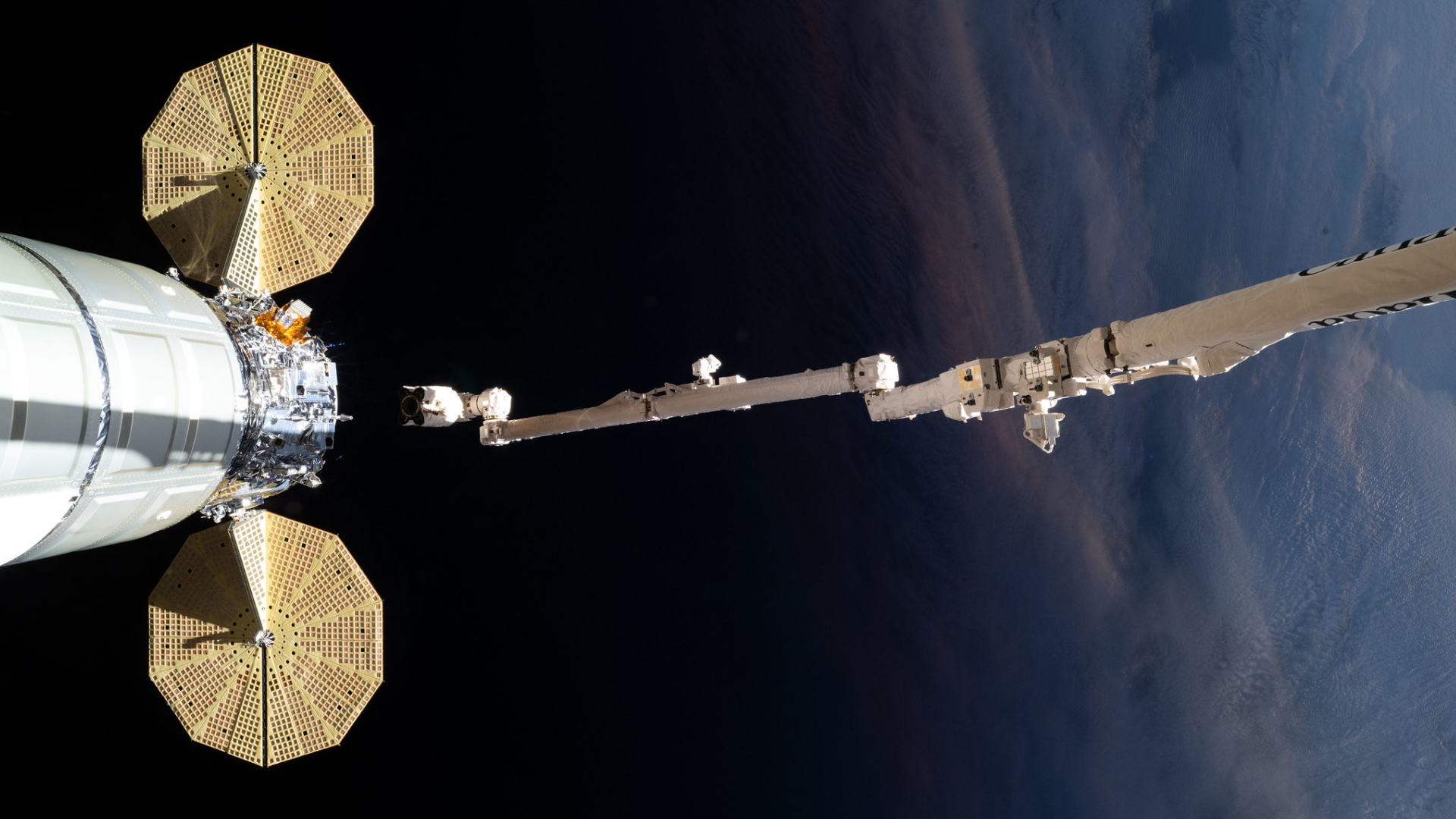
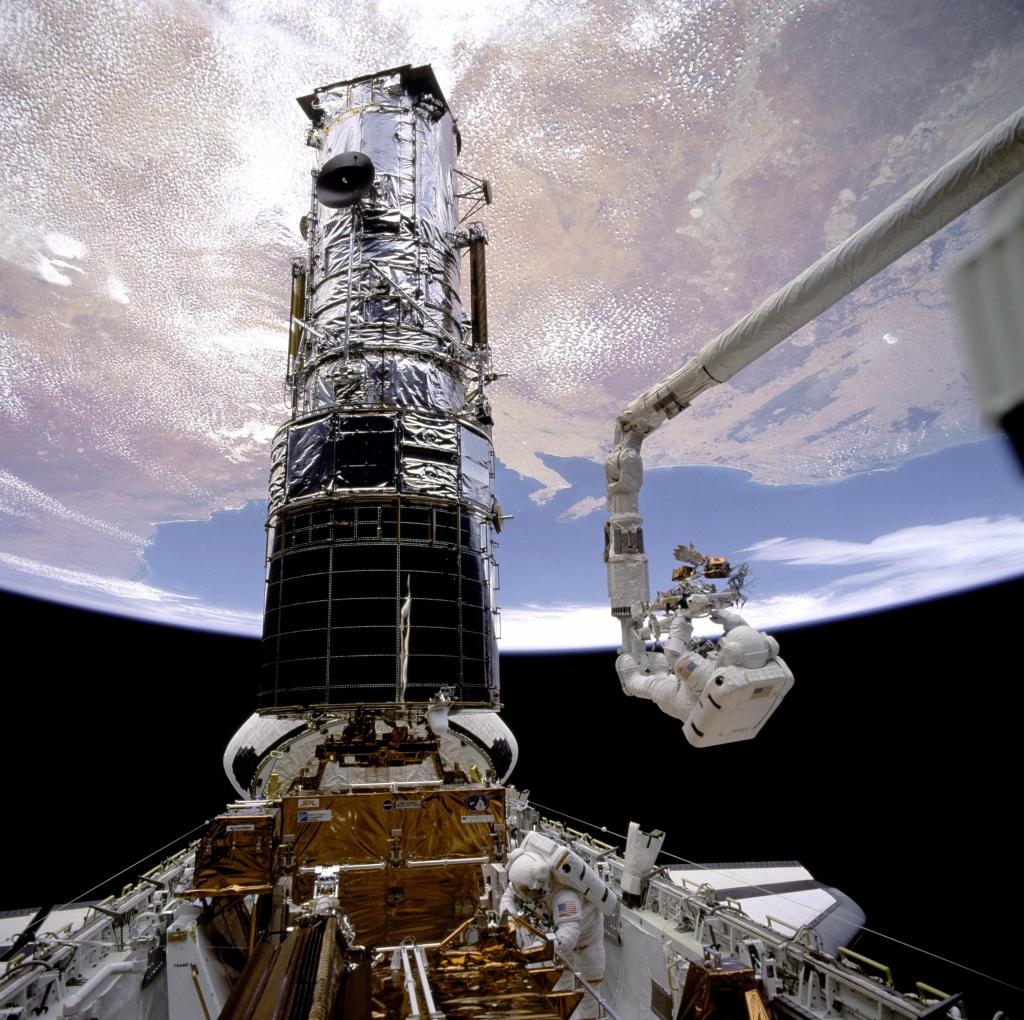
Satellite servicing goals are straightforward: to refuel, repair, or upgrade satellites after they are launched. Most satellites are expensive pieces of hardware that are still operational after their fuel runs out or their technology becomes obsolete. With a servicing craft, or fleet of servicers from a fuel depot – our in-space assets will have extended lifespans, upgraded hardware, the latest technologies, and the support of an in-space infrastructure.
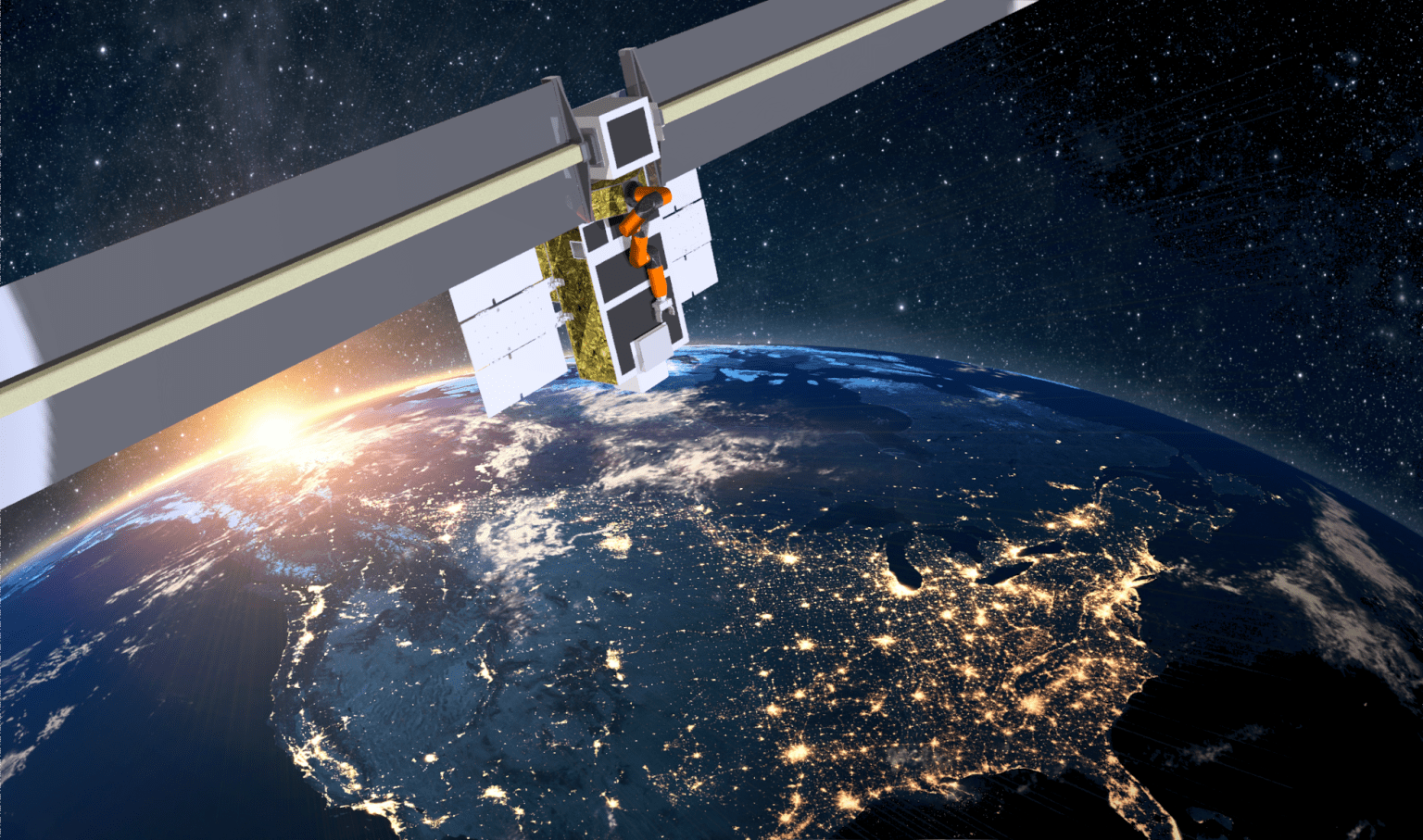
Additionally, servicing and in-space robotics enables orbital debris capture missions, construction of in-space structures like massive observatories, depots, and interplanetary spaceships.
These elements to be assembled in space for operations, tested, maintained, upgraded, and supplied over a long life.
Assembly
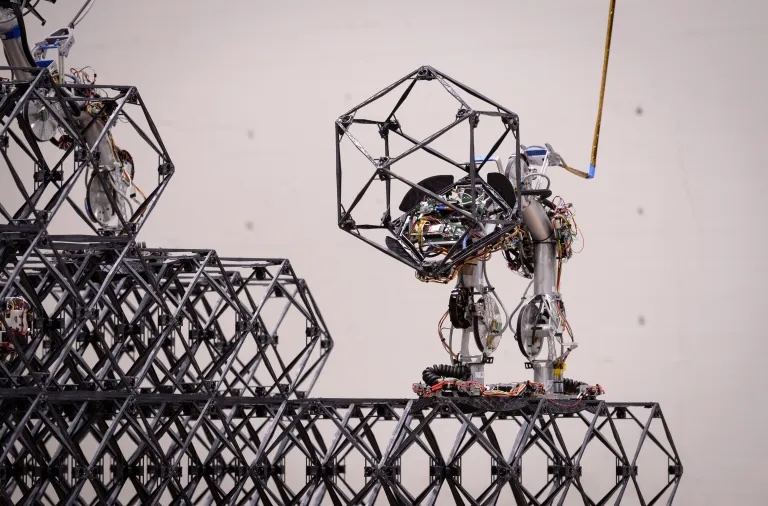
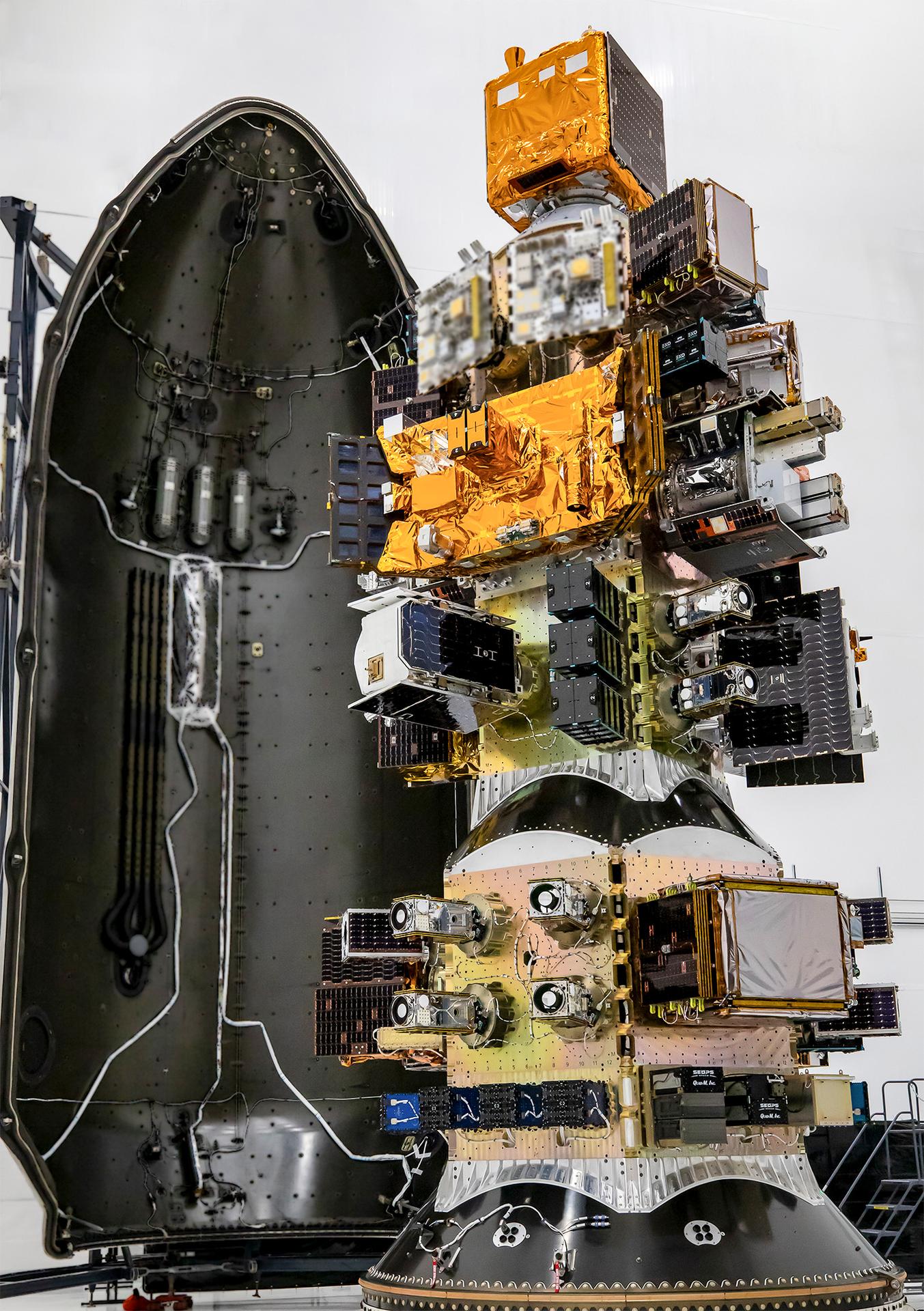
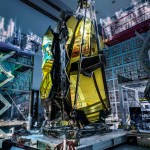
Assembly is the practice of gathering two or more parts together in space into a single, functional aggregate structure. A suite of assembly capabilities allows us to launch individual parts to space separately and bring them together, thereby overcoming the constraints of rocket fairing volume limitations.
The ability to launch individual components of a large structure and robotically assemble them in space brings seemingly impossible concepts within reach. This capability allows for assembly of habitats in-space far away from earth, on lunar or martian surfaces, and opens up the door for constructing large telescopes and other platforms.
Manufacturing
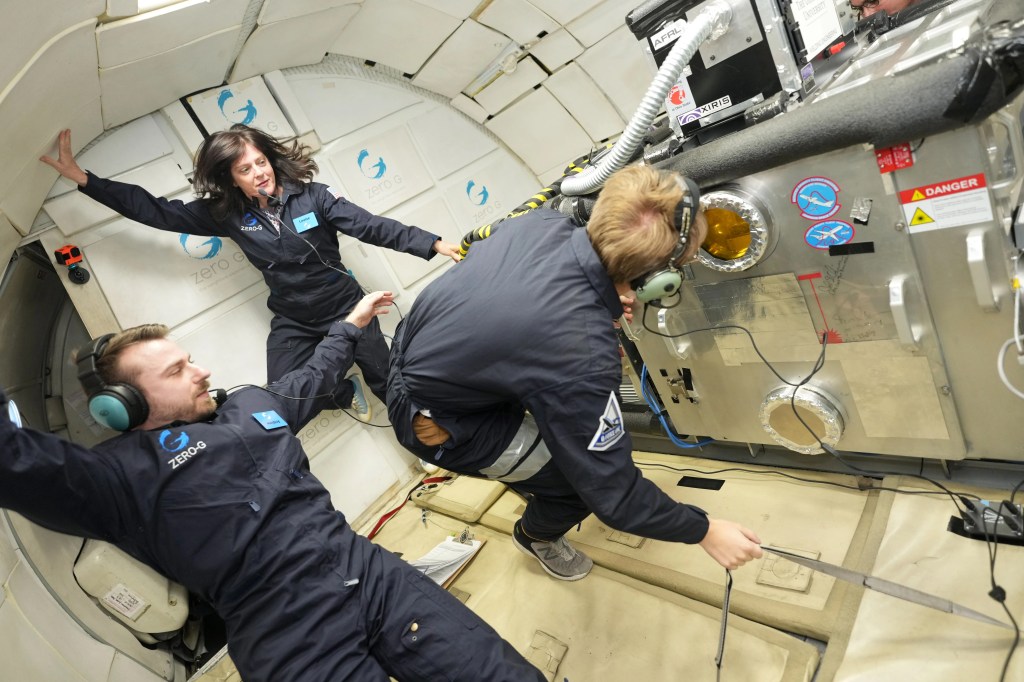
Manufacturing is the fabrication of components in space as the need arises. This capability allows for greater adaptability in dealing with unforeseen challenges and has the potential to eliminate the need to launch as many components (including contingency components) upfront. It also allows for the production of unprecedented monolithic structures, such as jointless thirty-meter truss beams. On-orbit coating applications and nano-manufacturing allows for surface coatings to be applied or renewed to recover optical and thermal properties.
ISAM Flight Projects
ISAM Research
Automated Reconfigurable Mission Adaptive Digital Assembly Systems (ARMADAS)
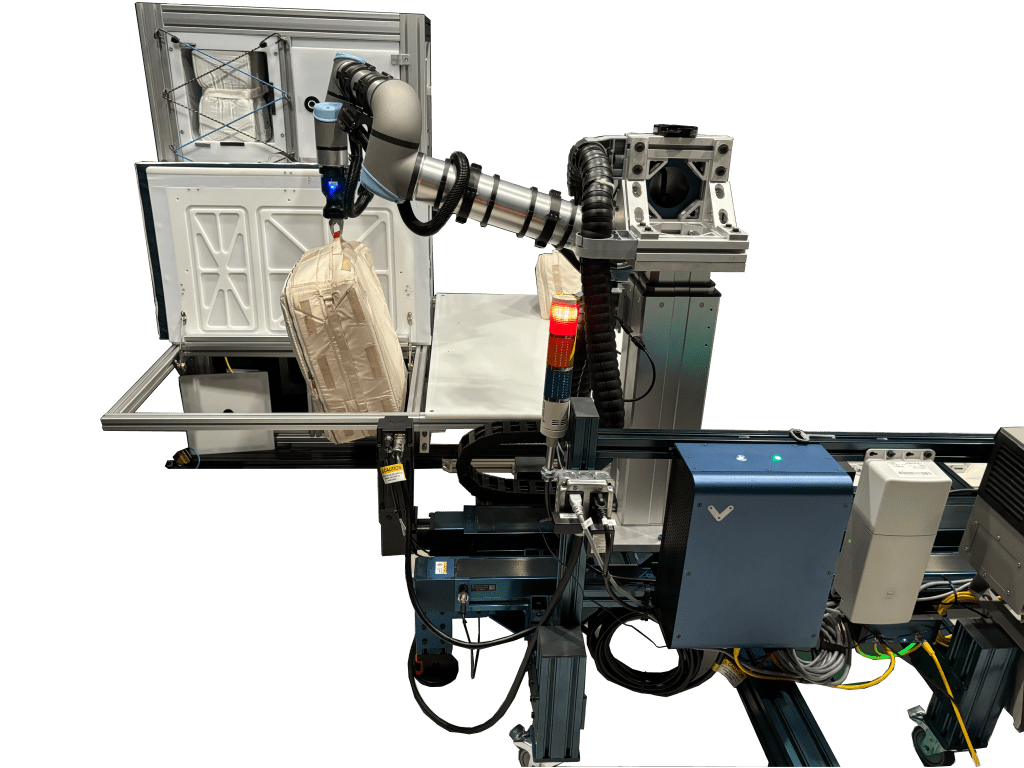
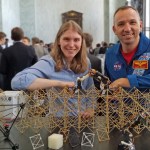
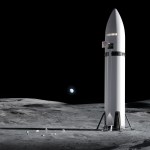
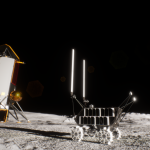
The Automated Reconfigurable Mission Adaptive Digital Assembly Systems (ARMADAS) project is developing software and hardware that will be able to autonomously assemble materials to make a variety of functional structures such as habitat structures, large antennae arrays, and even a spaceport.<br>
Autonomous Robotic Construction of Lunar Surface Infrastructure (ARC-LSI )
A study developing the approach to enable Autonomous Robotic Construction of Lunar Surface Infrastructure. This study joins robotic assembly teams across NASA to leverage lessons learned from the ARMADAS, PASS and TLT projects. Study activities include process definition, infrastructure and technology trade studies, and road mapping definitions.
Modular Assembled Radiators for nuclear Electric Propulsion Vehicles (MARVL)
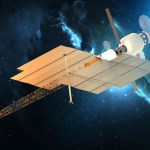
Modular Assembled Radiators for nuclear Electric Propulsion (NEP) Vehicles (MARVL), aims to take a critical element of nuclear electric propulsion, its heat dissipation system, and divide it into smaller components that can be assembled robotically and autonomously in space.
ISAM State of Play
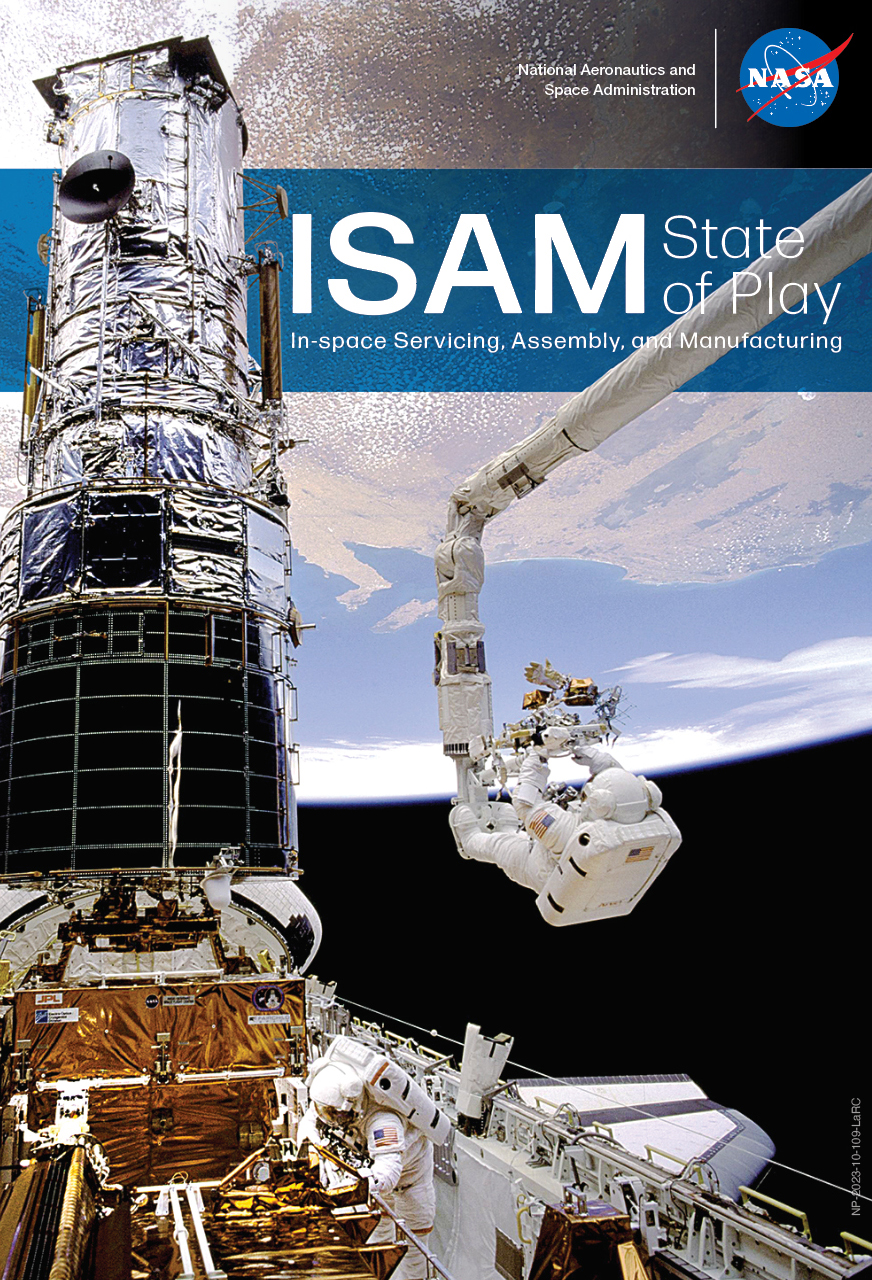
The ISAM State of Play document is a survey of past, present, and near-future ISAM capabilities across industry, academia, and government agencies. The document is intended to promote awareness of the breadth of ISAM investments and developments within the aerospace community, with the hope of fostering dialog, partnerships, and innovation. The ISAM State of Play can inform architecture studies, mission formulation, and pathfinding options to establish an economic ISAM ecosystem.
The 2025 ISAM State of Play is the fifth release of the document and includes significant updates. The document characterizes the state of ISAM through its collection of 524 capability area entries, 56 facility descriptions, and 145 developer profiles. Best efforts are made to incorporate all pertinent information, and comments, corrections, or additions are encouraged to ensure the current state-of-the-art is properly captured. Any recommendations will be assessed and incorporated into future editions of the ISAM State of Play, which are scheduled to be released on a yearly cadence. Feedback for the ISAM State of Play can be provided to the authors through email.
View the 2025 ISAM State of Play Document
ISAM Technology Catalog
NASA’s Technology Transfer Program ensures that innovations developed for exploration and discovery are broadly available to the public, maximizing benefits nationwide. Whether you’re looking to start a new company, enhance an existing product, or create a new product line, you can gain a competitive edge in the marketplace by putting NASA technology to work for you.
The ISAM Technology Catalog provides domestic companies with insight and access to technology NASA has developed in support of spaceflight missions, technology demonstration, or in pursuit of concept development. By transferring technology as it is developed rather than only after it has been demonstrated in orbit, NASA expedites new capabilities into the commercial market and promotes U.S. global leadership in ISAM capability. Organizations interested in commercializing ISAM technologies are invited to contact the points of contact listed in the catalog to discuss how they can be adapted for other spaceflight and surface applications.
The full version of the ISAM Technology Catalog is available to domestic companies by contacting Patty Manalansan at NASA Goddard Space Flight Center, who controls the release of the catalog. An NDA is required as the catalog contains export controlled technical data.

ISAM News

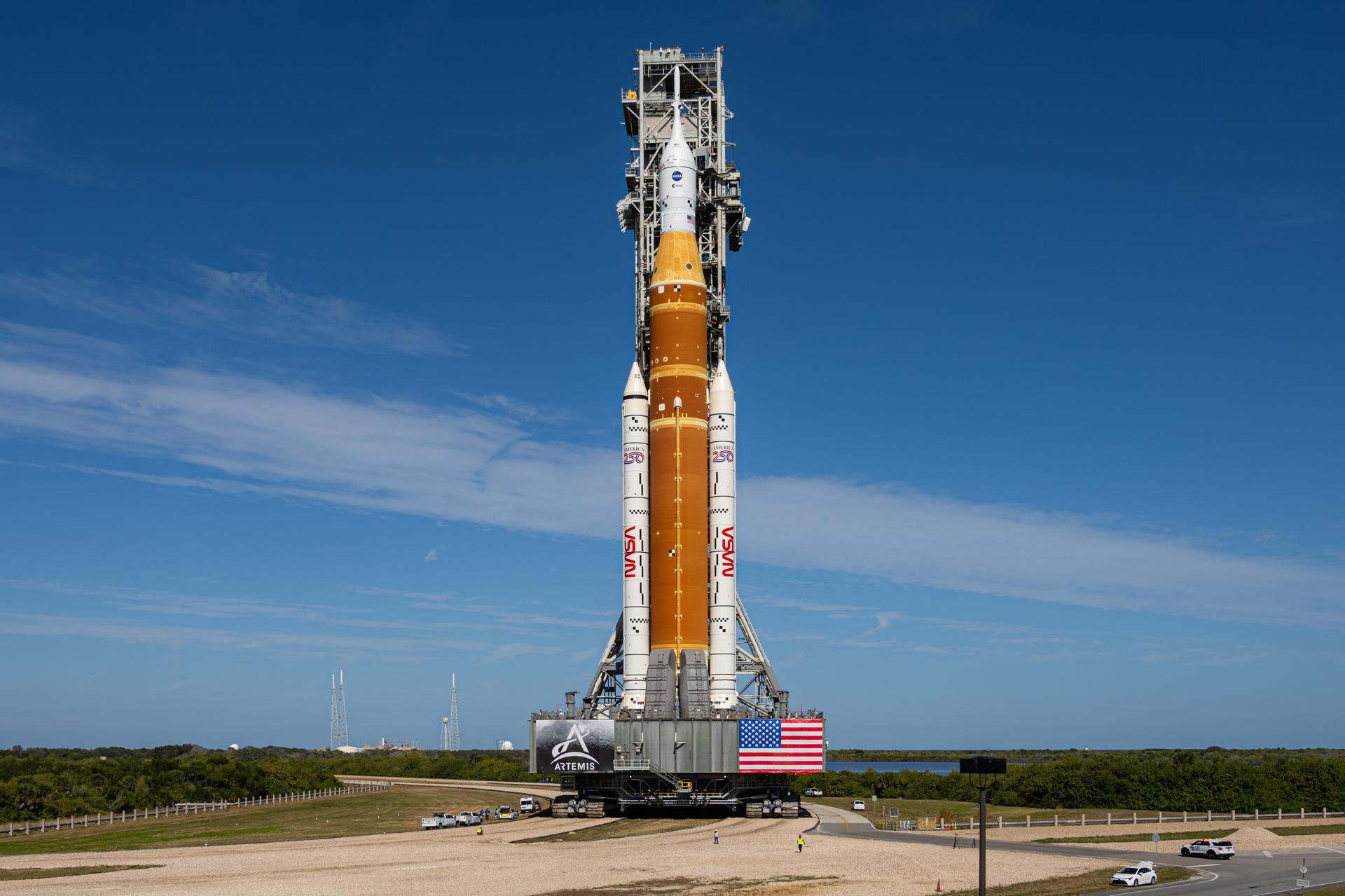
Getting SSPICY: NASA Funds Orbital Debris Inspection Mission
NASA is advancing an innovative approach to enabling commercial inspection of defunct, or inoperable, satellites in low Earth orbit, a precursor to capturing and repairing or removing the satellites.
NASA Awards Company to Attempt Swift Spacecraft Orbit Boost
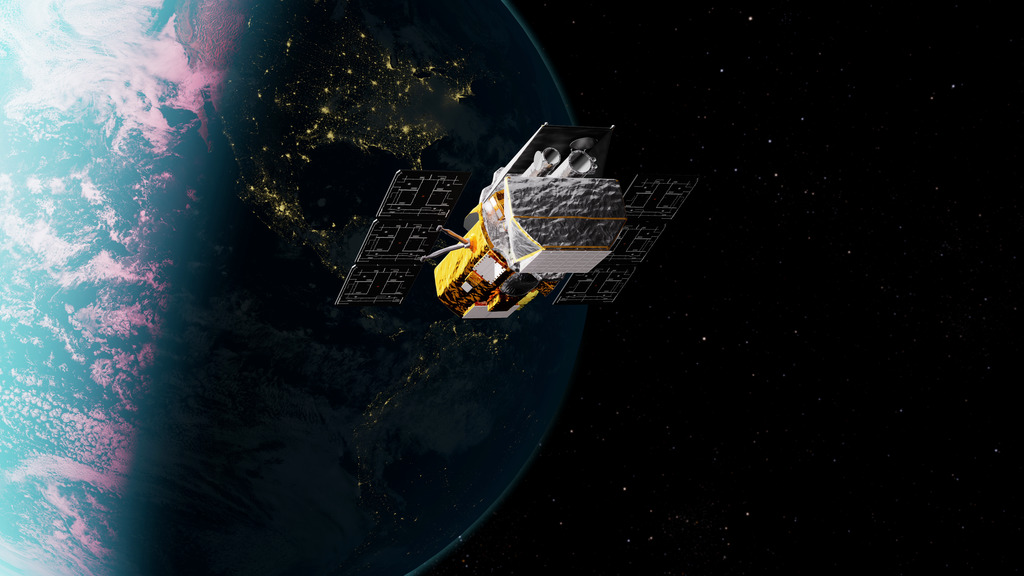
Driving rapid innovation in the American space industry, NASA has awarded Katalyst Space Technologies of Flagstaff, Arizona, a contract to raise a spacecraft’s orbit.

NASA’s Swift Mission Transitions Ops to Prep for Orbit Boost
On Feb. 11, NASA’s Neil Gehrels Swift Observatory temporarily suspended most science operations in an effort to reduce atmospheric drag and slow the spacecraft’s orbital decay.
NASA’s Fly Foundational Robots Demo to Bolster In-Space Infrastructure
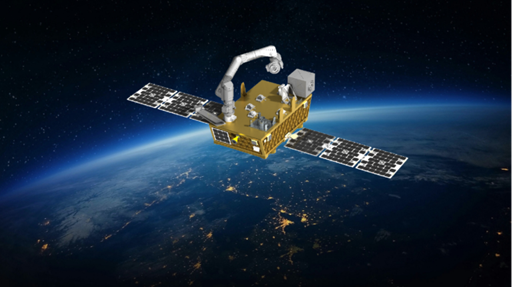
NASA and industry partners will fly and operate a commercial robotic arm in low Earth orbit through the Fly Foundational Robots mission set to launch in late 2027.

NASA Creates In-Space Servicing, Assembly, Manufacturing Consortium
NASA announced Wednesday a new consortium focused on making in-space servicing, assembly, and manufacturing (ISAM) capabilities a routine part of space architectures and mission lifecycles.
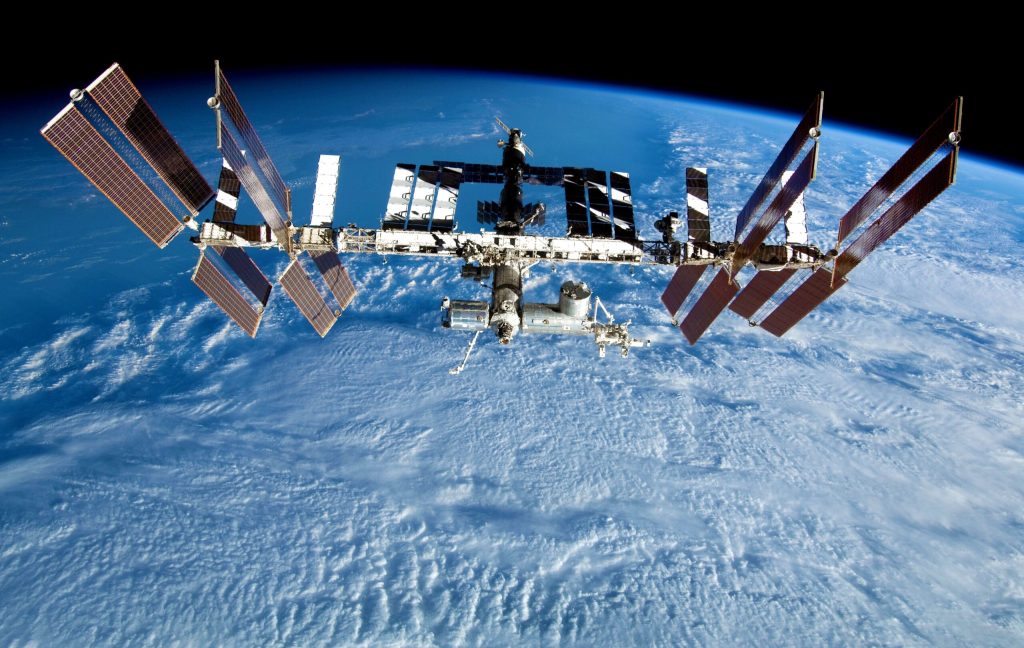
Astronauts, Robots and the History of Fixing and Building Things in Space
Servicing (refueling, fixing and upgrading) spacecraft helps make spaceflight more sustainable, affordable and resilient. Here’s a look back at how human and robotic satellite servicing became a reality and a glimpse at where we’re headed.