







This article is for students grades 5-8.
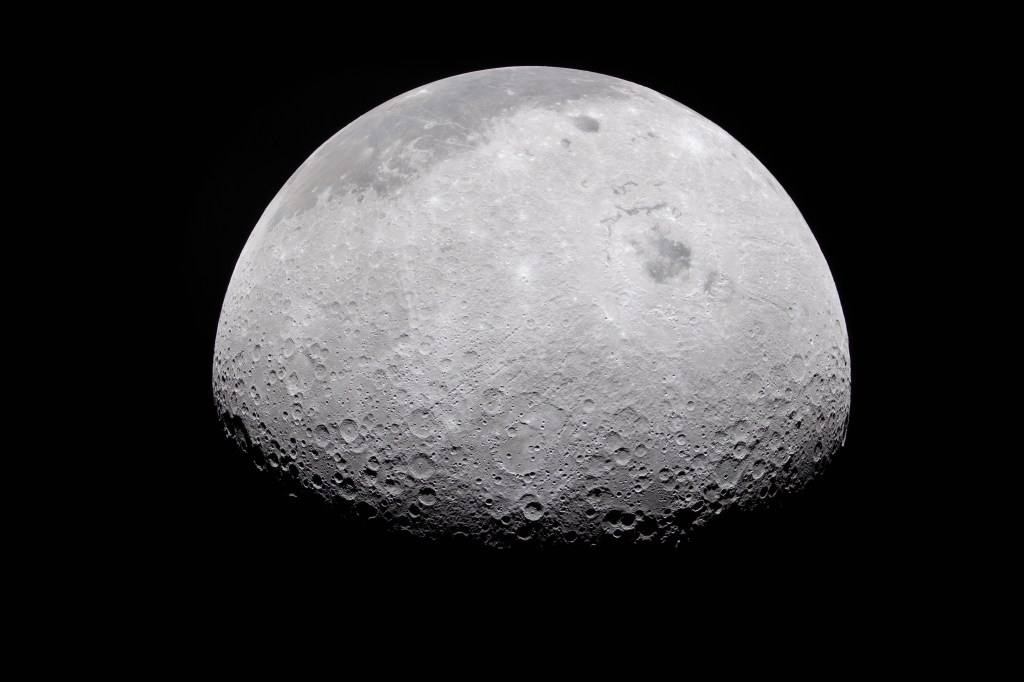
Artemis is NASA’s new lunar exploration program, which includes sending astronauts to land on the Moon. Through the Artemis missions, NASA will use new technology to study the Moon and prepare for human missions to Mars.

Why Is This Program Called Artemis?
The first missions to take astronauts to the Moon were called the Apollo program. In 1961, President John F. Kennedy challenged the nation to land astronauts on the Moon by the end of the decade. NASA met that challenge with the Apollo program, landing the first man on the Moon on July 20, 1969.
The Apollo program was named after the Greek god of the Sun. In Greek mythology, Apollo has a twin sister named Artemis. Artemis is the Greek goddess of the Moon.
What Spacecraft Will Be Used for the Artemis Program?
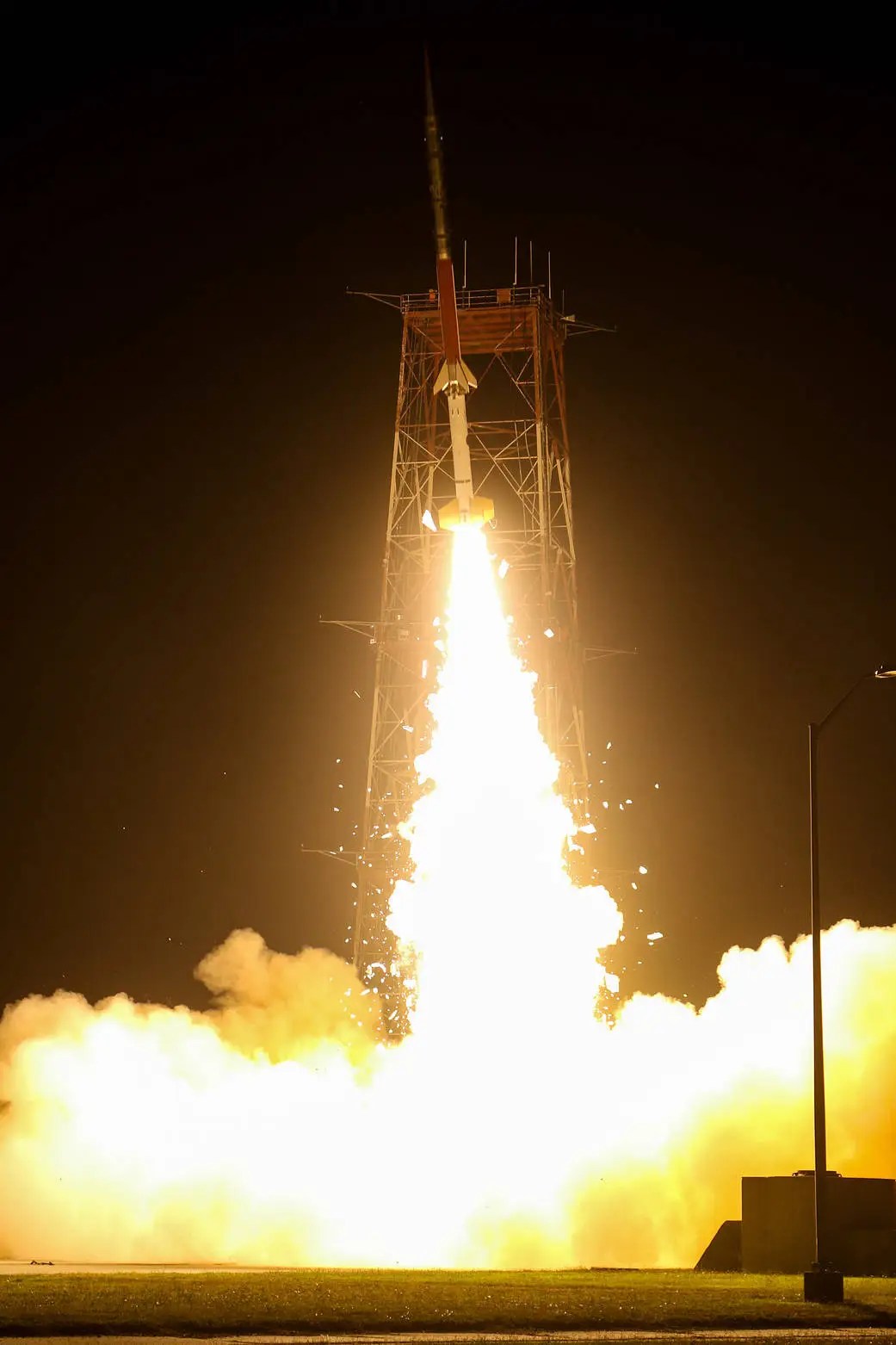
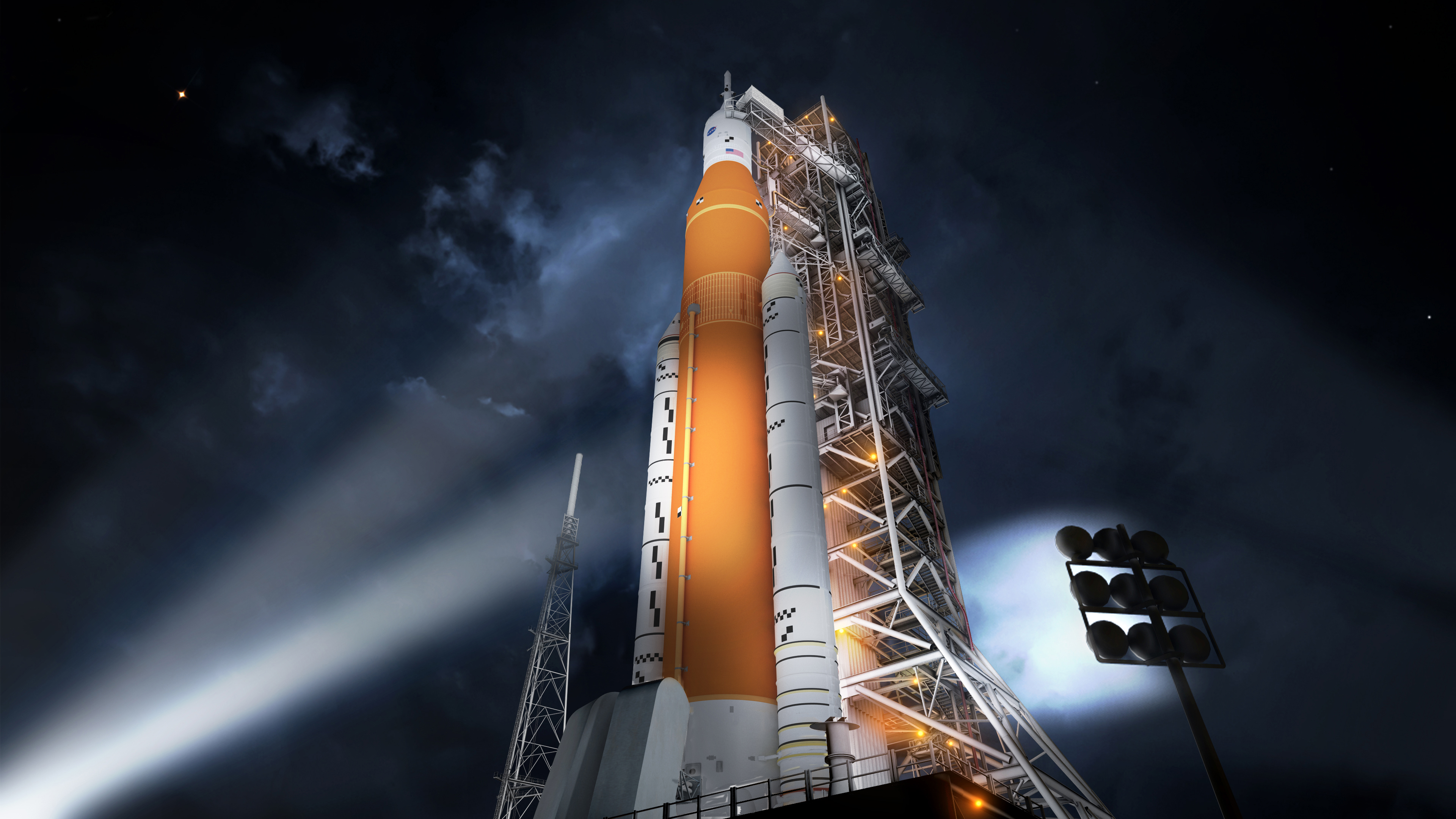
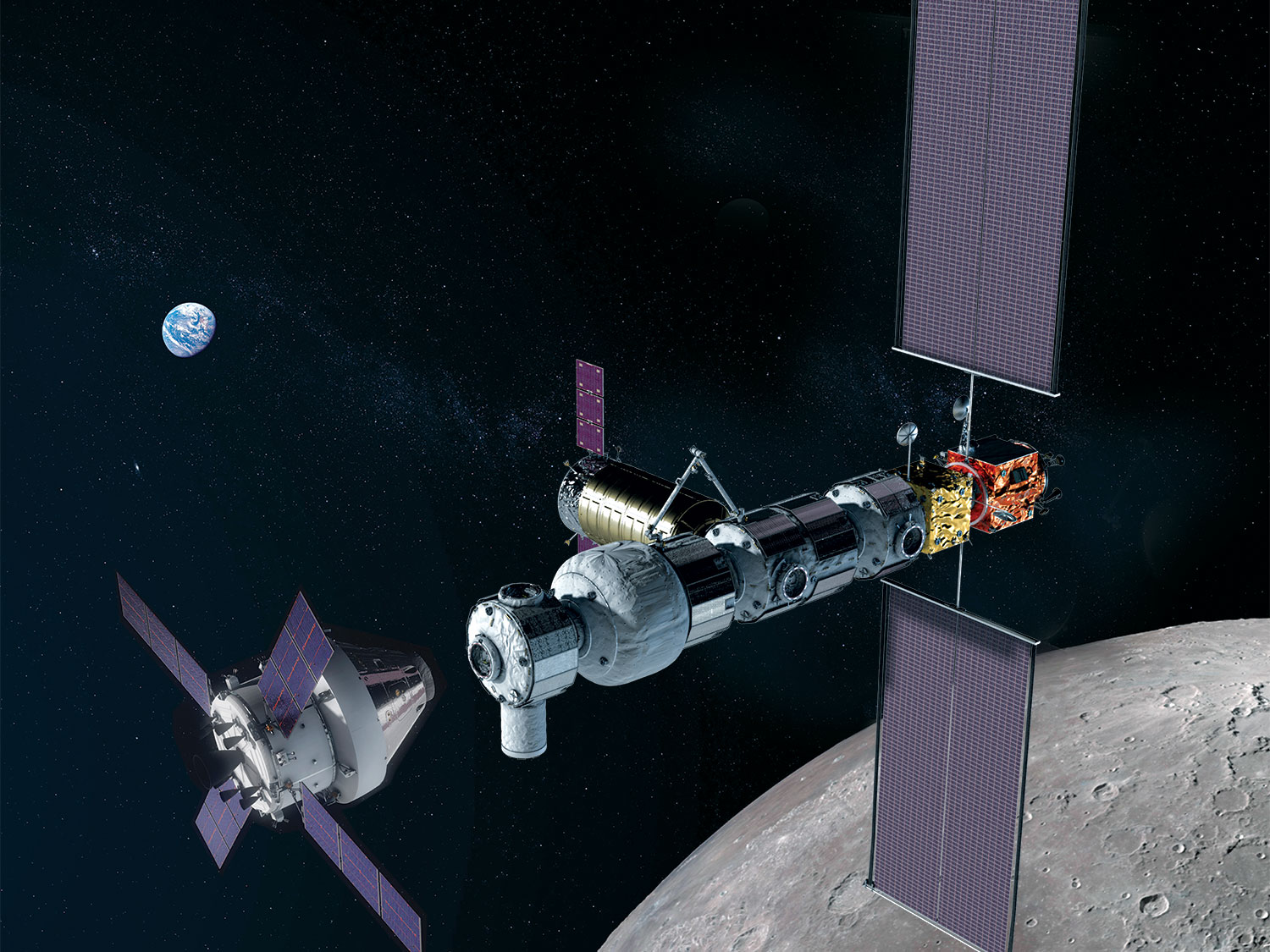
Artemis astronauts will launch on NASA’s new rocket, the Space Launch System (SLS). It is the most powerful rocket NASA has ever built. SLS will carry the Orion spacecraft with up to four astronauts riding aboard to lunar orbit. Then the crew will transfer from Orion to a commercial lunar lander for their descent to the Moon’s surface. When their work is finished, the crew will return to Earth aboard Orion.
When Will Artemis Go to the Moon?
Before Apollo put the first human on the Moon, the first Apollo missions launched to test the rocket and equipment. Before Artemis carries a crew to the Moon, NASA will test the rocket and spacecraft in flight then send a crew for a test flight:
- Artemis 1 completed a test flight of the SLS rocket with the Orion spacecraft with no crew on Nov. 16, 2022.
- Artemis 2 will be the first crewed launch of Orion and the SLS rocket The Orion spacecraft is carrying a crew of four astronauts past the Moon, then circle it and return to Earth.
- Artemis 3 will be a demonstration mission that will test one or both commercial landers in low Earth orbit.
- Artemis 4 will send a crew with the next astronauts to land on the Moon.
What Will Artemis Astronauts Do on the Moon?
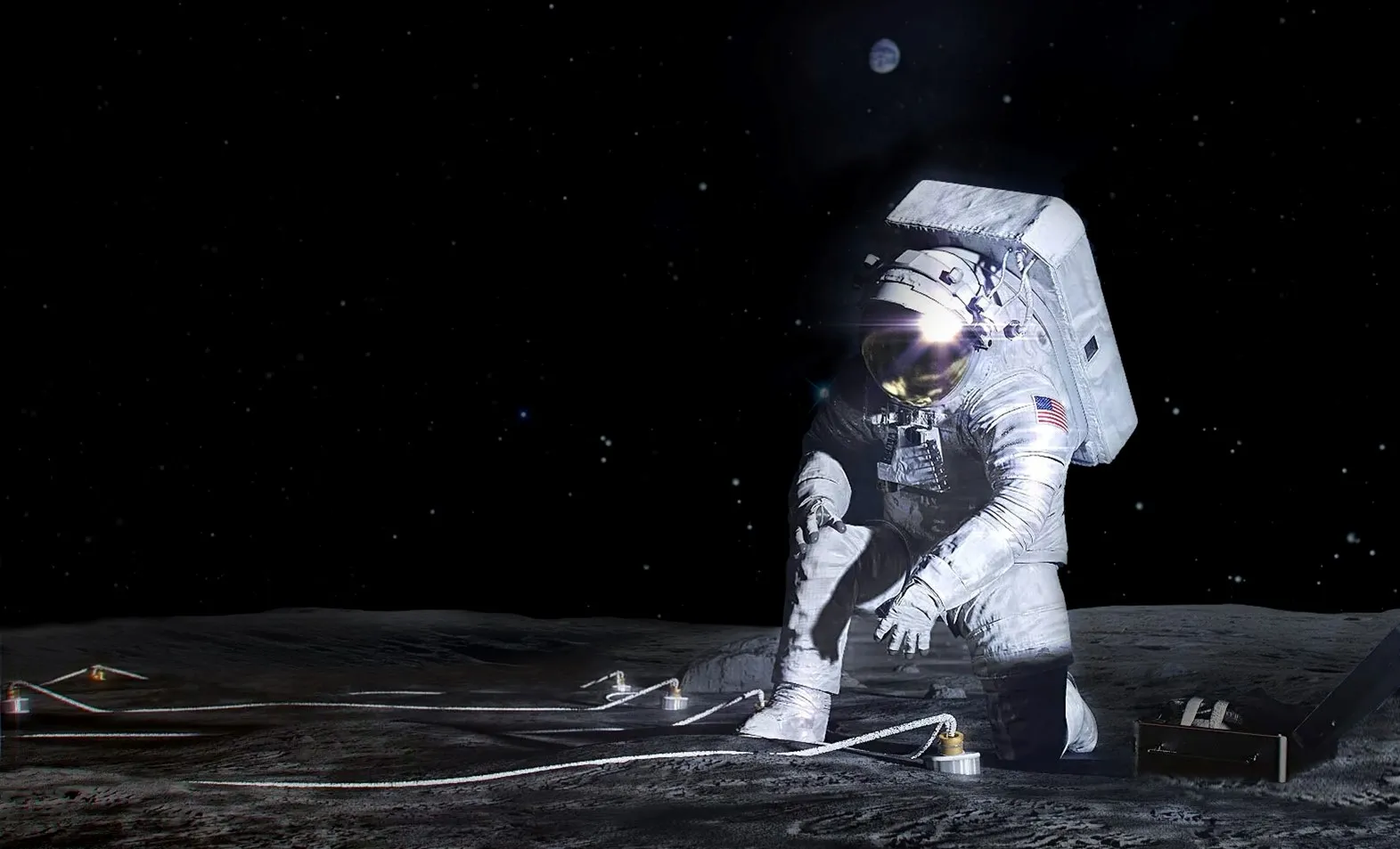
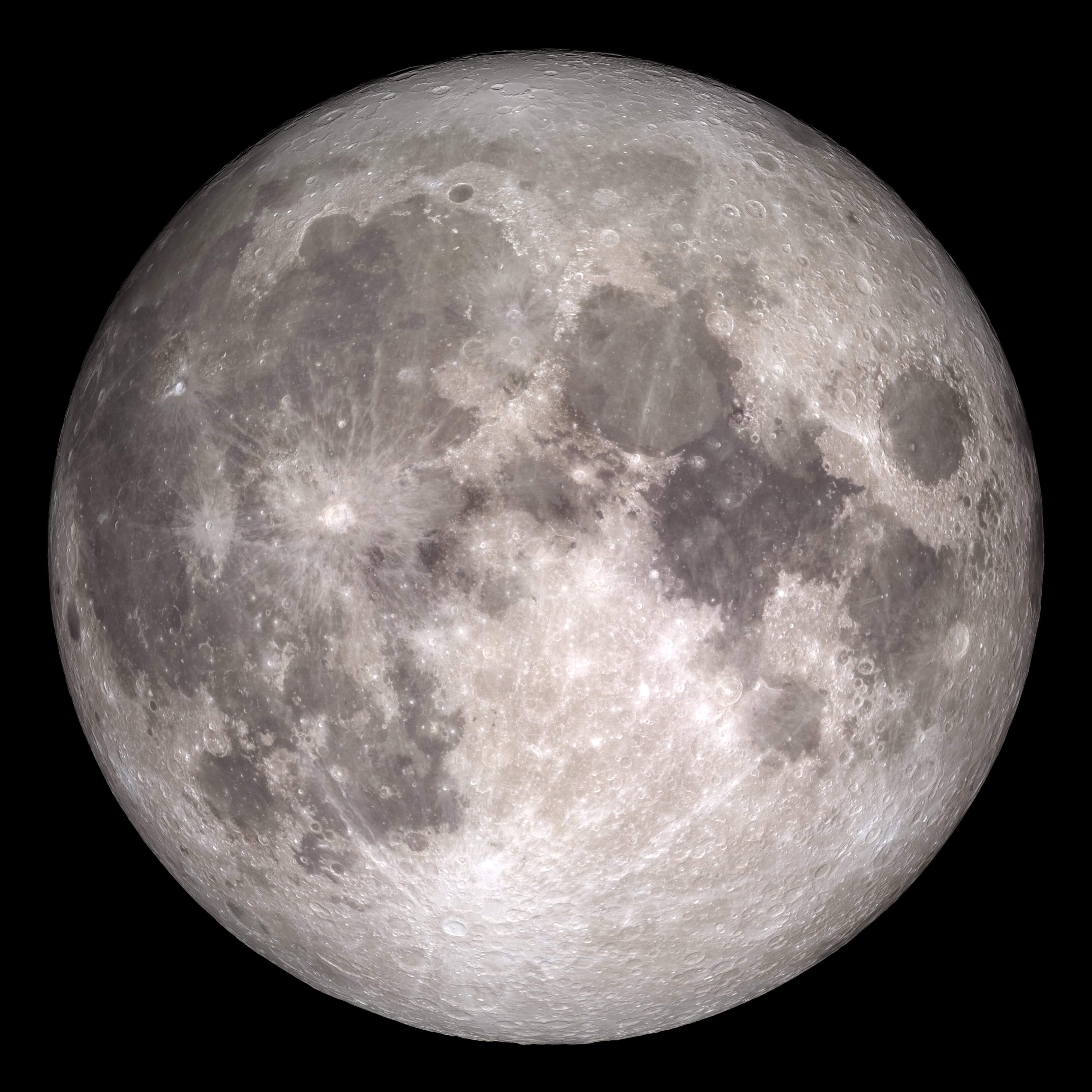
The Artemis 4 crew will visit the Moon’s South Pole, a place where no astronauts have landed before. At the Moon, astronauts will:
- Search for water on the lunar surface and test ways to use it.
- Learn how to live and work on the surface of another celestial body where astronauts are just three days from home.
- Test the technologies we need before sending astronauts on missions to Mars, which can take up to three years roundtrip.
Why Is the Artemis Program Important?
The Moon is a good place to learn new science. When astronauts study new places on the lunar surface, NASA will learn more about the Moon, Earth, and even the Sun. The Moon is a “testbed” for Mars. A test bed is a place to prove that a technology or idea will work. The Moon is a place to demonstrate that astronauts will one day be able to work away from Earth on Mars for long periods of time.
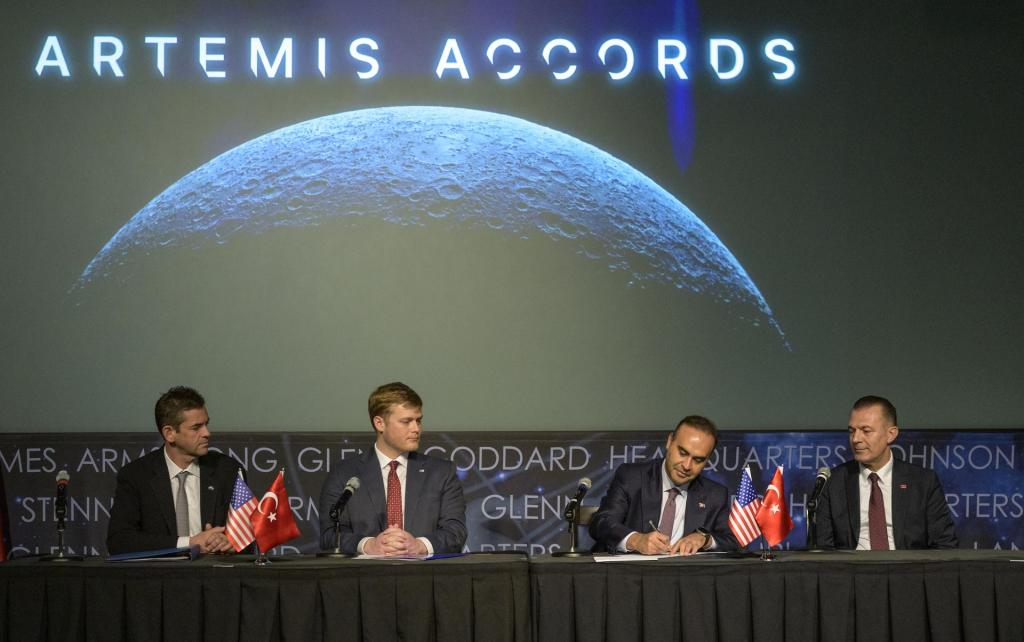
The first missions to the Moon required NASA to develop new technology. Many of those technologies have been made into items people use on Earth in their everyday lives. NASA is working with companies to create new technology for Artemis missions. Making new technology helps businesses grow and create more jobs on Earth. Other nations will work with NASA as partners. Just as partners work together on the International Space Station, they will work on Artemis to bring the world together for a mission to Earth’s nearest neighbor in space.
Career Corner
Are you interested in a career that is related to the Artemis missions? Many different types of jobs are working together to make Artemis a success. Here are a few examples:
Exploration Geologist: When Artemis astronauts explore the lunar surface, they’ll need to know which rocks have the most scientific potential. Exploration geologists will help train them before they launch. Exploration geologists study rocks and minerals. They often spend time outdoors collecting samples to study in a lab. A degree in geology or a related field is usually required.
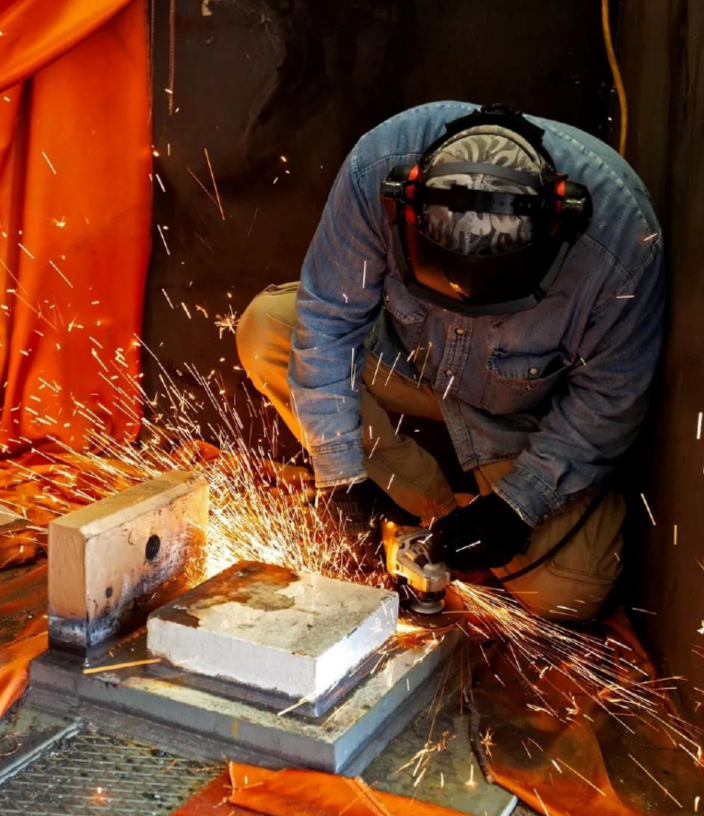
Welder: Welding is a process that connects materials, usually metals, by melting and fusing them together with high temperatures. Techniques like this are crucial when building rockets and spacecraft components. Welders must be precise to create strong joints and connections. Welding classes are offered by trade and technical schools.
Astronaut: These explorers come from a wide variety of backgrounds including military service, the medical field, science research, and engineering design. Astronauts must have skills in leadership, teamwork, and communication. They spend two years training before they are eligible to be assigned to spaceflight missions.
For more career connections, visit the I Am Artemis gallery.
More About Artemis
Puzzle Book
Poster: SLS: Meet the Rocket
Pencil and Paper Puzzles: Orion Activities and Coloring Sheets For Kids
Video: Rocket Science in 60 Seconds: What Is the Space Launch System?
Video: We Are Going
Article: What Is the Space Launch System?
Article: What Is Orion?
Article: What Was the Apollo Program?
Article: What Is the International Space Station?