

















Applied Chemistry Laboratory
Overview
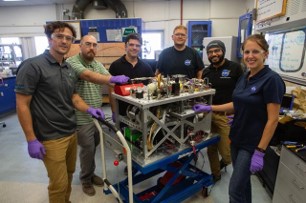
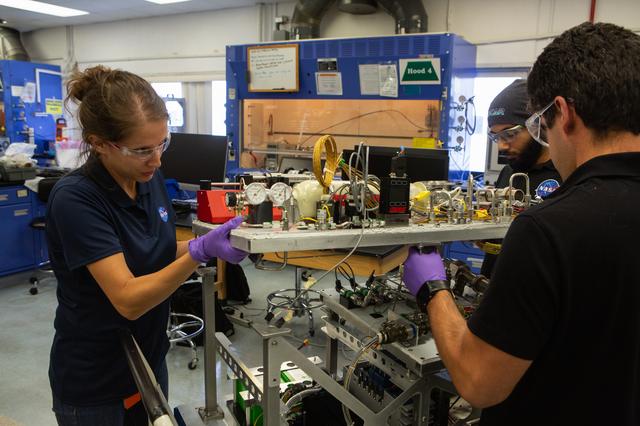
The ACL performs research and technology development for a wide range of chemistry and engineering related applications by creating integrated engineering solutions to solve the unique operational ground based and space based needs of NASA, as well as outside partners. These technologies span the gamut of Technology Readiness Levels (TRL) from the formulation of an application based on a technology concept (TRL 2) through the testing of prototypes in relevant environments (TRL 7), and on track to achieve proven flight systems through Lunar mission operations (TRL 9). A number of these technologies have also been commercialized as a benefit to all. Additionally, the ACL provides support to NASA Programs that require the unique capabilities of the laboratory and personnel.
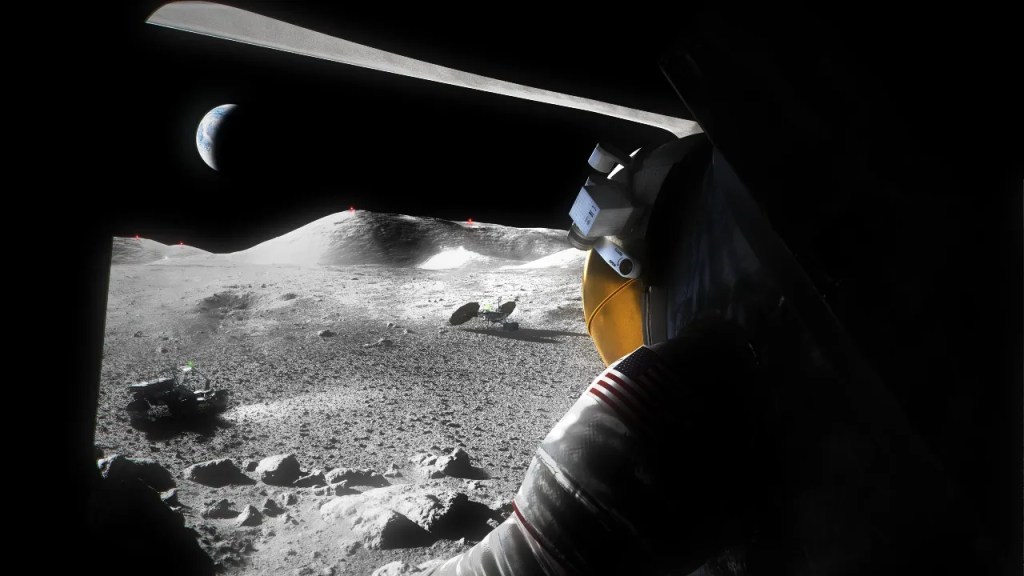
The areas encompassed by research and Program support performed in the ACL includes, but is not limited to: the detection and monitoring of hypergolic and hazardous compounds such as hydrazine, nitrogen tetroxide, ammonia, hydrogen, and methane; chemical scrubbers for hazardous waste, new organic and inorganic materials development; environmental remediation technologies including ground/groundwater cleanup, green solvents, and green propellants; and Lunar and Martian in situ resource utilization (ISRU). The ACL has developed a number of ISRU technologies both for the Moon (oxygen production from lunar regolith by means of hydrogen reduction and plasma reduction, purification of water produced by these chemical processes, and conversion of space trash to gases) as well as Mars (Carbon Dioxide (CO2) atmospheric capture, CO2 processing for methane and oxygen production, and ionic liquid solvation and electrolysis for oxygen production from CO2). The laboratory is capable of chemical reactor and chemical conversion testing for various ISRU and logistics reduction technologies, as well as various plasma applications.