





NASA in the 21st Century Symposium

NASA in the 21st Century
History, Change, and Institutional Adaptation
NASA History Office Symposium
November 16–17, 2027
James Webb Auditorium, NASA Headquarters, Washington, D.C.
Call for Papers
Overview
The first quarter of the 21st century has brought profound change to NASA. Since 2000, the agency has navigated the final years of the Space Shuttle Program and the development of the International Space Station; the Columbia accident and its aftermath; the rise and cancellation of the Constellation Program; the emergence of commercial space partnerships; changing international relationships; and the development of the Artemis Program. Simultaneously, NASA’s roles in Earth science, aeronautics, astrophysics, planetary science, heliophysics, and space technology have continued to evolve.
The NASA History Office invites historians, interdisciplinary scholars, NASA leaders and practitioners, scientists, engineers, and other researchers to participate in a symposium examining NASA’s history and institutional evolution since 2000.
The symposium will explore not only what changed at NASA, but also how and why the agency changed. The NASA History Office views this historical analysis as a means to illuminate the institutional structures, relationships, decisions, assumptions, and experiences that have shaped NASA’s contemporary trajectory, and in doing so, contribute to a deeper understanding of current plans and future possibilities.
Possible Topics
Proposals are welcome on any aspect of NASA’s history since 2000. Topics might include, but are not limited to:
- Institutional change at NASA since 2000
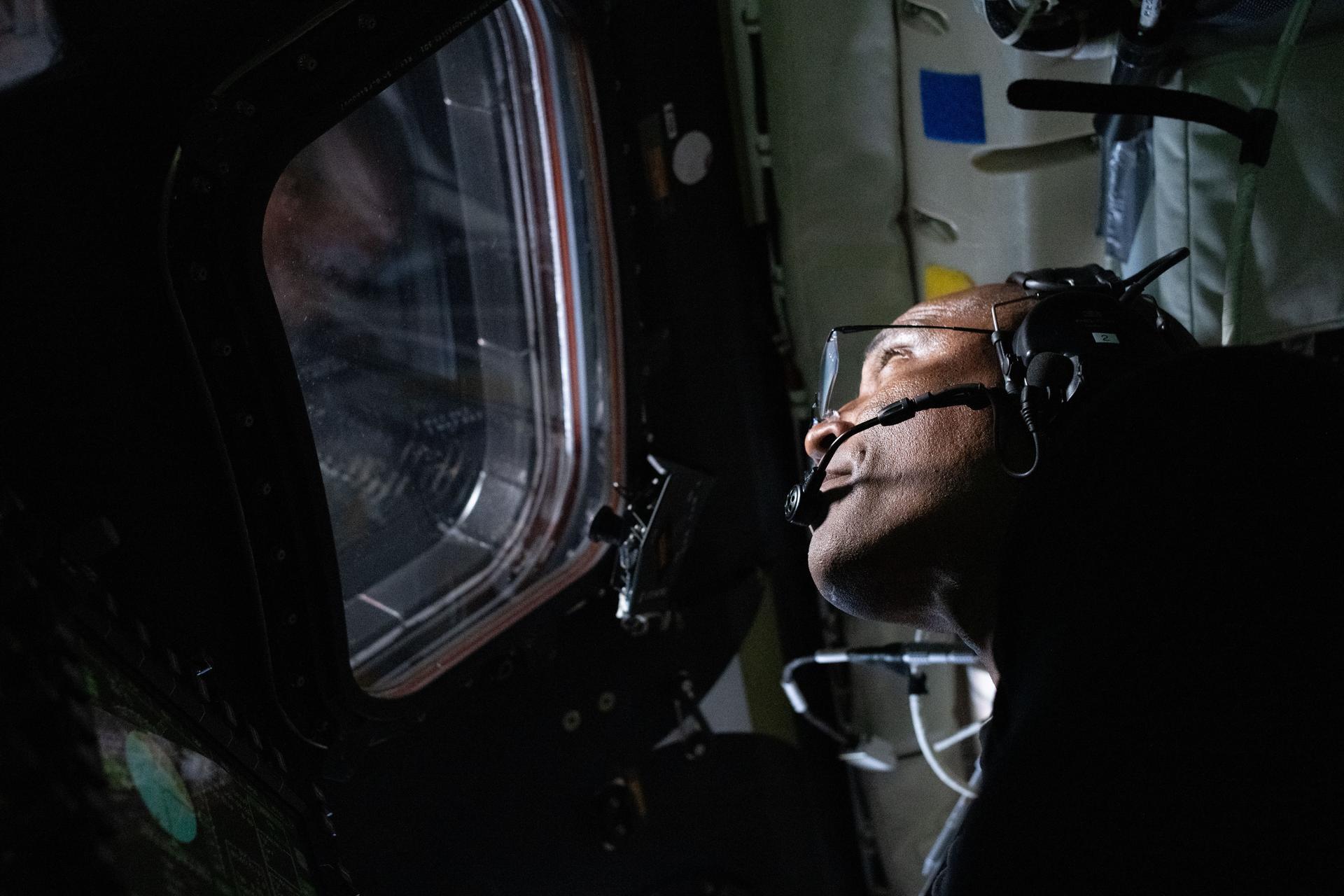
- Evolution of human spaceflight from Shuttle to Artemis
- Evolution of space diplomacy and changing patterns of international cooperation
- Comparative institutional histories considering traditional and emerging space powers
- NASA’s role in national strategy and geopolitics in the 21st century
- Changes to NASA’s field centers since 2000
- NASA and international collaboration since Columbia
- NASA’s response to the Columbia accident and its institutional consequences
- Changes in NASA’s approach to human spaceflight, exploration, and mission management
- NASA’s relationships with Congress, the White House, other federal agencies, industry, international partners, and the scientific community
- The roles of presidential administrations and Congress in shaping national space policy
- Shifts in the relationship between NASA Headquarters and field centers
- NASA’s social, cultural, and economic impact on local communities
- Evolution of NASA’s science missions and scientific priorities
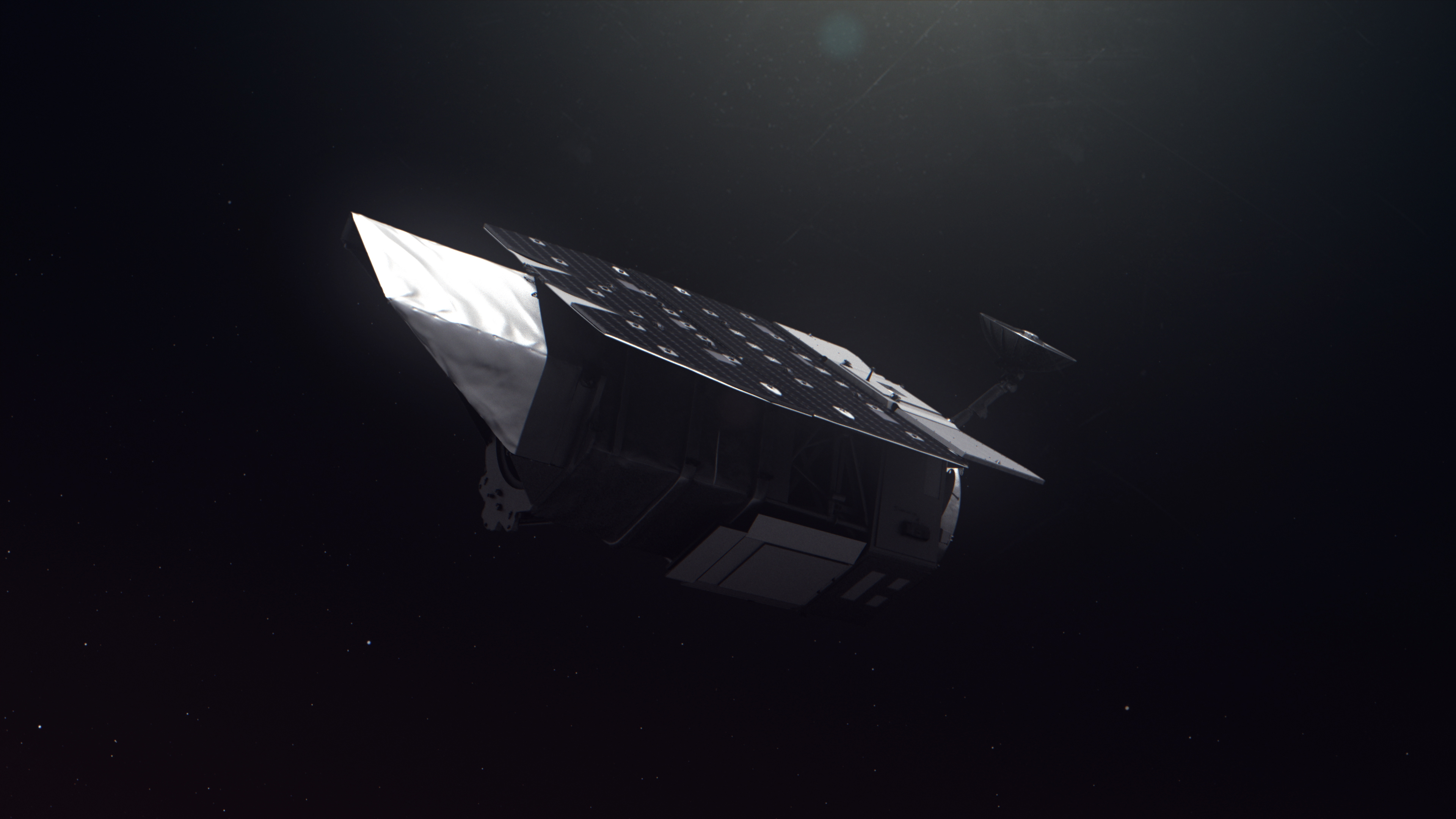
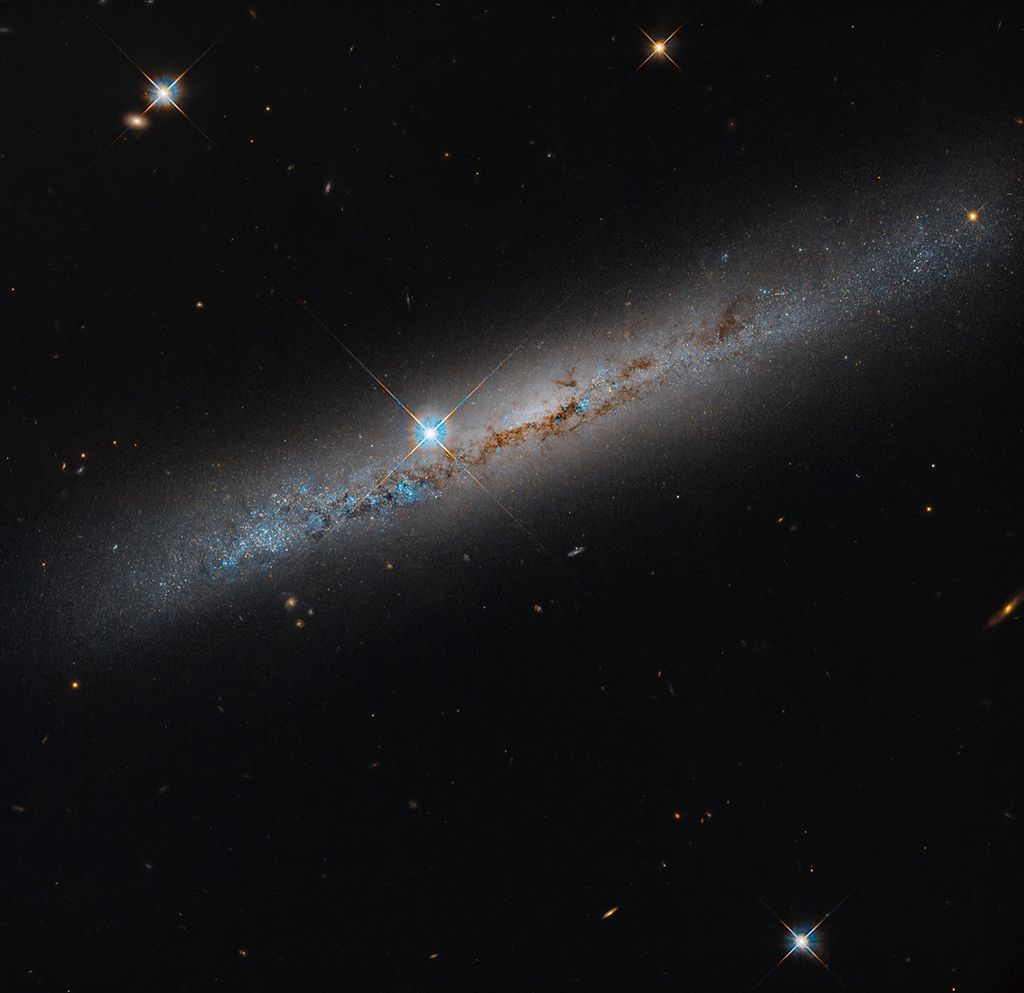
- Development and history of major space observatories, including the James Webb Space Telescope and Nancy Grace Roman Space Telescope
- Exoplanet detection and astrobiology
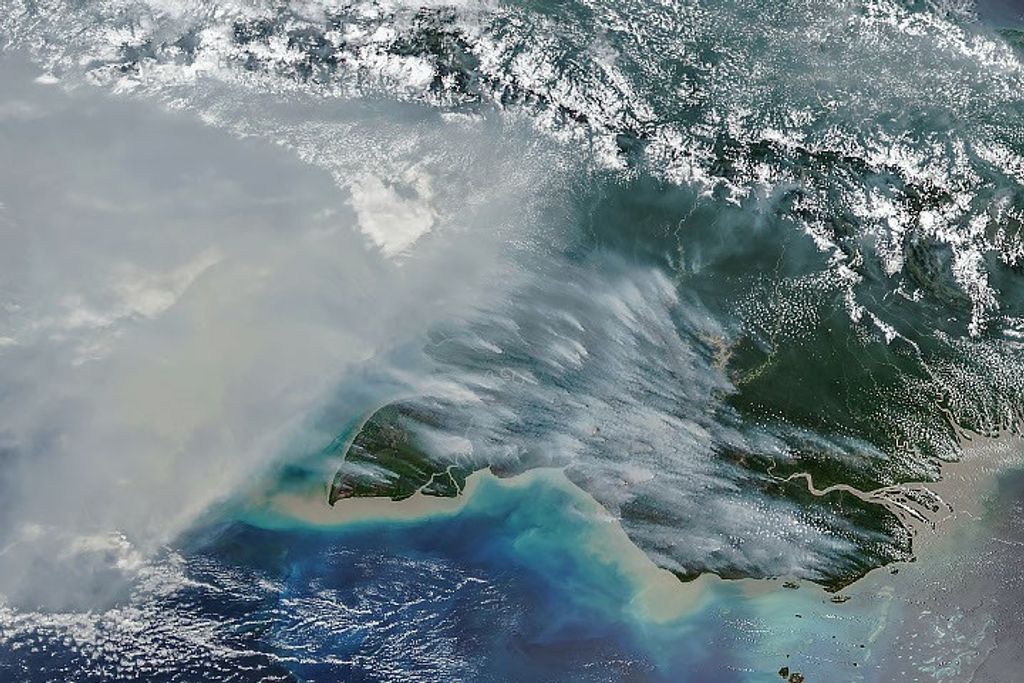
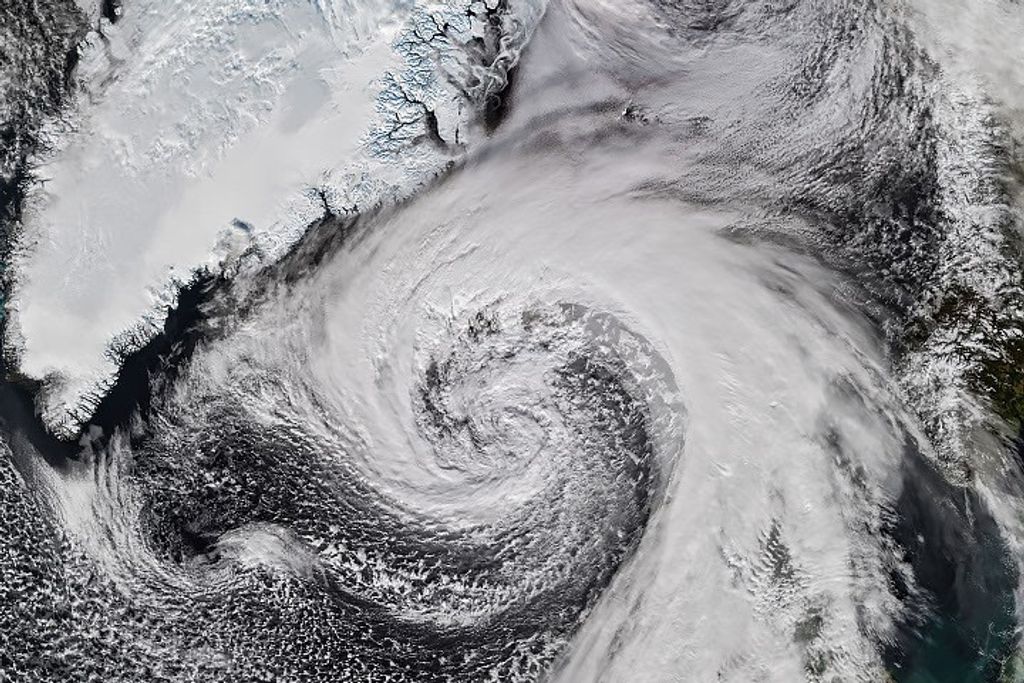
- Earth observation, climate science, and the changing role of Earth science at NASA
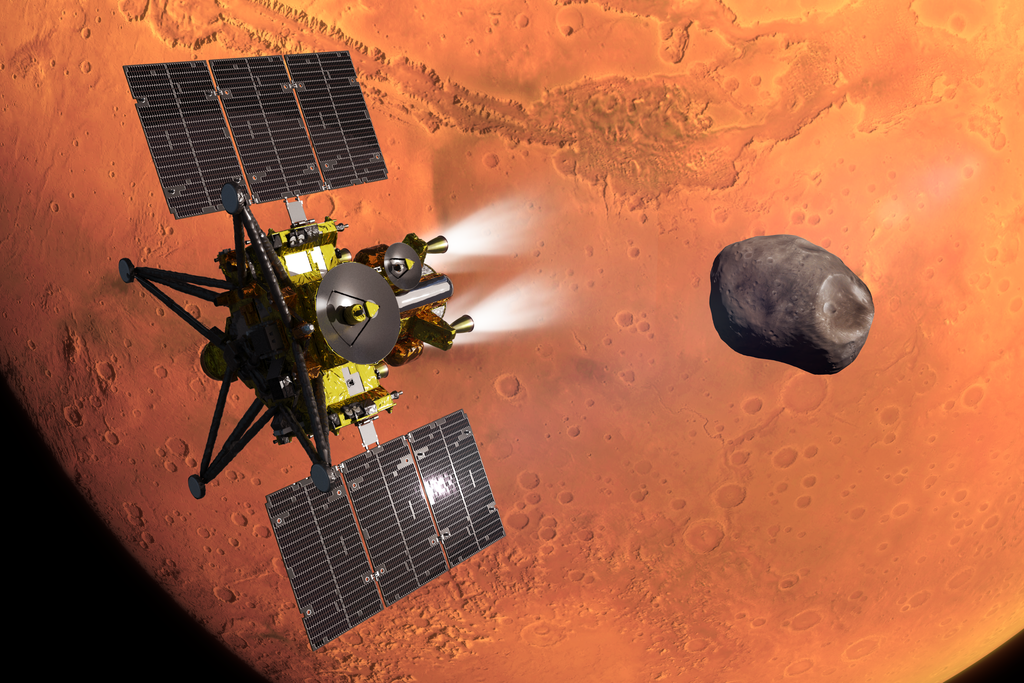
- Robotic exploration and the evolution of planetary science since 2000
- Changes within NASA centers, programs, and organizational cultures in response to new missions and external pressures
- Internal governance and executive decision-making at NASA
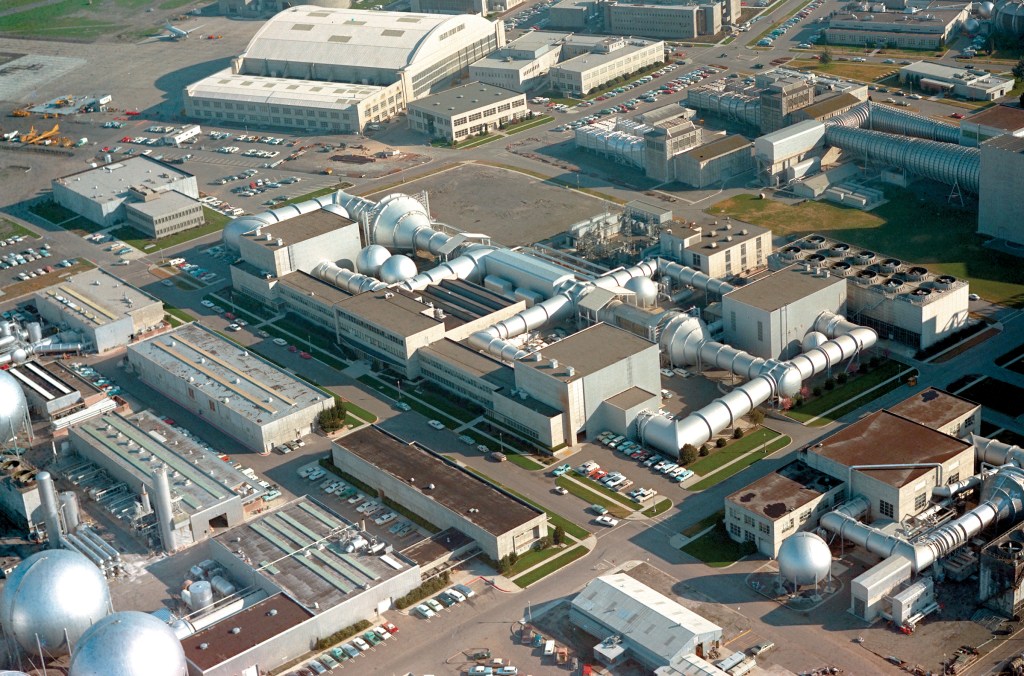
- Evolution of NASA infrastructure, facilities, capabilities, and physical resources
- Shifts in NASA’s aeronautics portfolio since 2000
- The political economy of space, including NASA’s changing relationship with the commercial space sector
- NASA and the changing space law and policy environment
- NASA’s acquisition practices and the transformation of its relationships with industry
Proposals that place NASA’s experience within broader histories of the federal government, science and technology, U.S. institutions, international relations, or the global space sector are especially welcome.
Format
The symposium will combine panel discussions, keynote presentations, and facilitated discussions designed to encourage conversation across disciplinary and professional boundaries.
Organizers anticipate that selected contributions may be developed for publication in a subsequent edited volume. Participants should therefore be prepared to develop their presentations into substantial historical essays following the symposium.
Submission Guidelines
To be considered for participation, please submit:
- An abstract of no more than 400 words describing the proposed paper or presentation, including its principal questions, sources, and contribution to the symposium.
- A brief biography or curriculum vitae, including current institutional affiliation.
Submissions should address an aspect of NASA’s history since 2000 and demonstrate a clear historical or analytical approach. Proposals from scholars at all career stages, as well as from NASA personnel and practitioners with relevant historical perspectives, are welcome.
Submission deadline: May 31, 2027
Please send submissions to Brian C. Odom, NASA Chief Historian at brian.c.odom@nasa.gov.