












ULI: 10 Years of Impact
Celebrating a decade of bold ideas, collaborative research, and team-led solutions from NASA Aeronautics’ University Leadership Initiative (ULI) that are shaping the future of aviation and strengthening the aerospace workforce of tomorrow.

Chapter 1
University Highlights
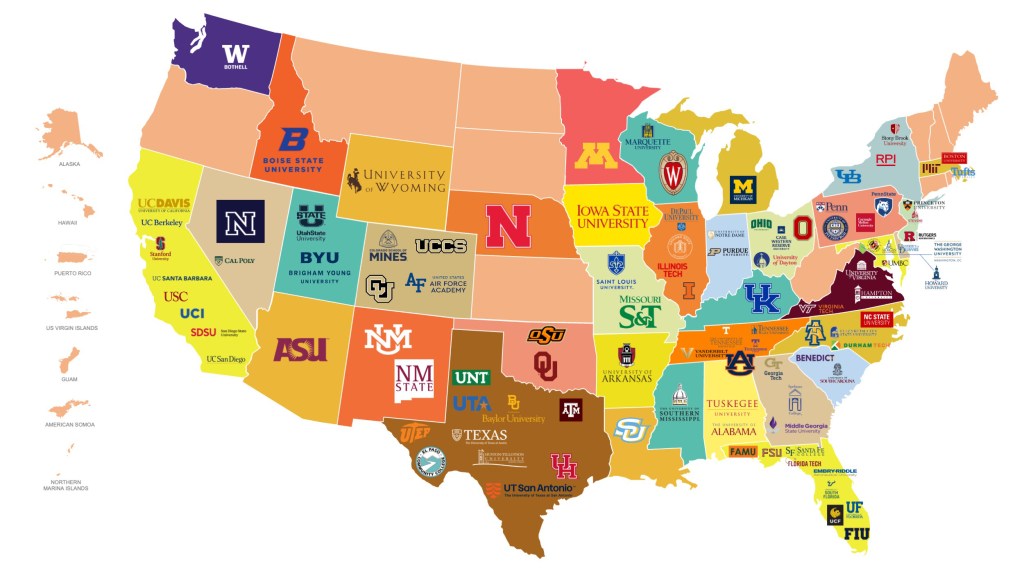
For over 10 years, university-led research has played a valuable role in implementing new ideas and research to improve the aviation of tomorrow. Here are highlights from just a few of the over 100 universities NASA’s ULI has supported over the past decade.
Middle Georgia State University
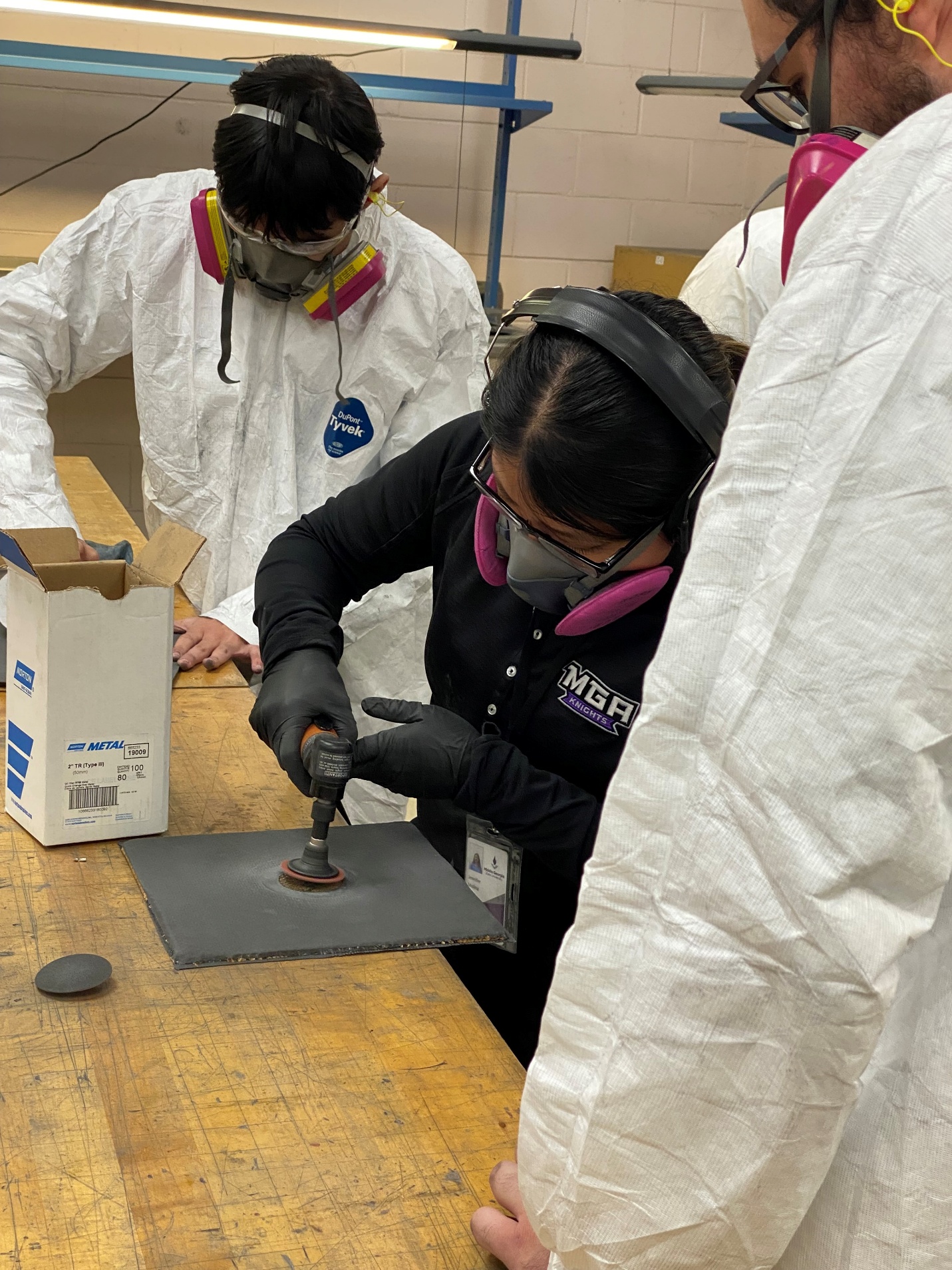
Middle Georgia State University was among the first community colleges to join NASA’s ULI, contributing to a project aimed at making future civilian vertical‑lift aircraft safer and more affordable. Their School of Aviation provided key technical support by performing structural repairs, gathering data, and studying how traditional repair methods apply to next‑generation air mobility vehicles. Through this work, the university highlighted the vital role community colleges play in hands‑on aerospace research and in developing a skilled aviation workforce.
University of Illinois Urbana-Champaign
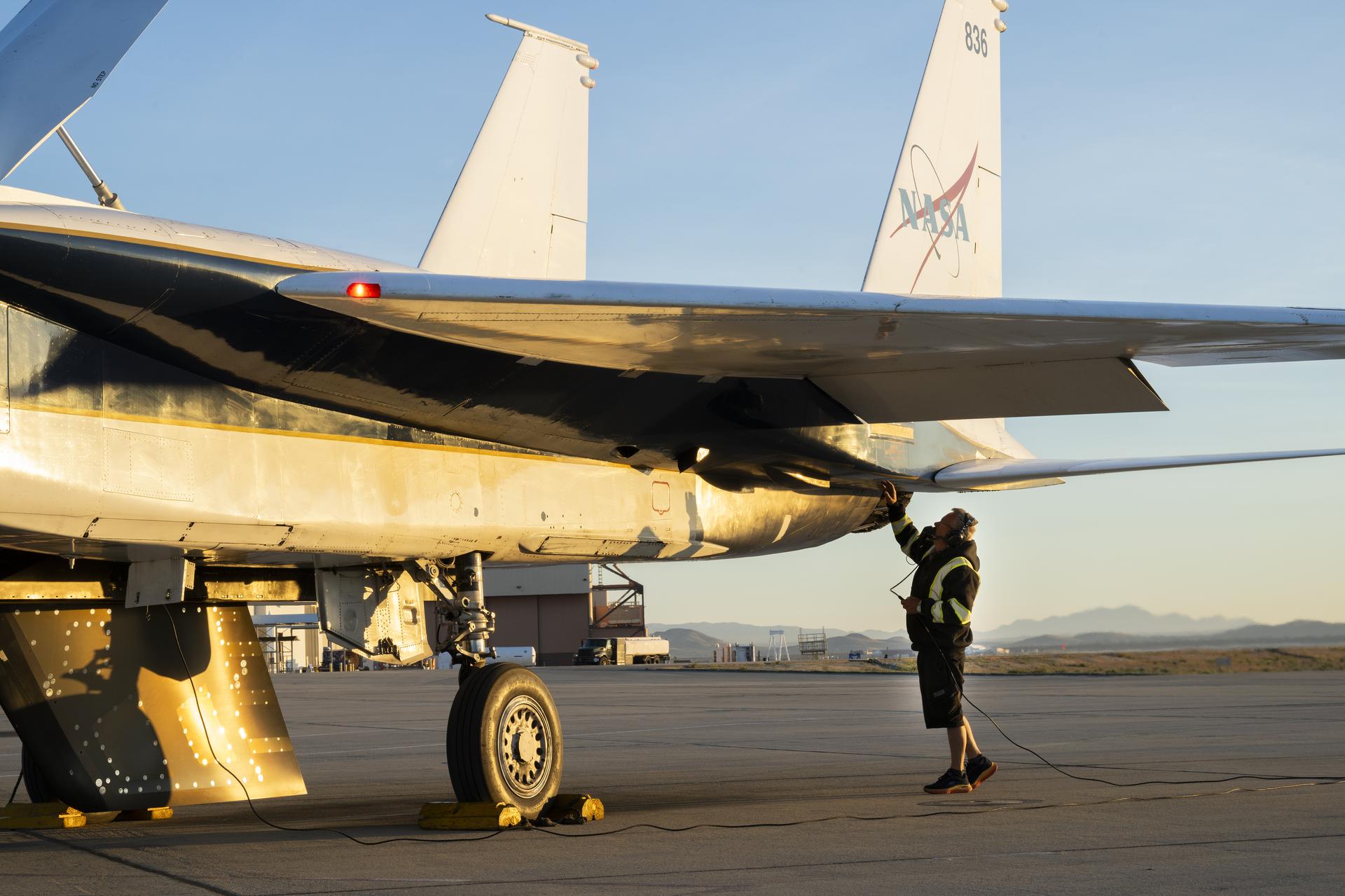
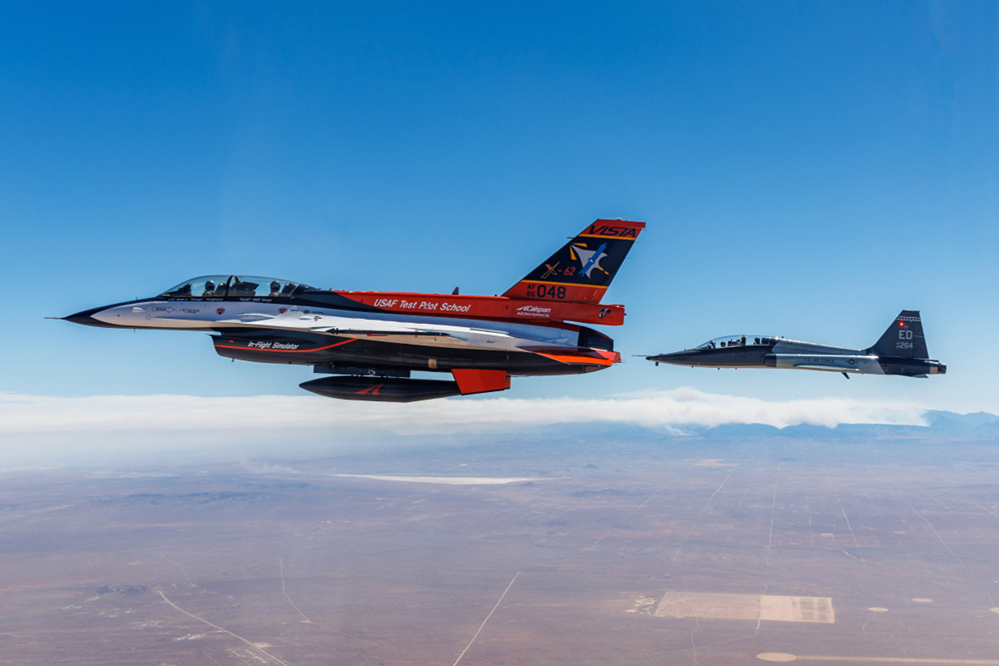
Under NASA’s ULI the University of Illinois Urbana-Champaign and industry partner Lockheed Martin tested a new flight control system designed to keep an aircraft stable during unexpected situations. The system worked alongside the normal controls and showed clear improvements, especially in how smoothly the aircraft responded. It also made flying easier for pilots when things went wrong. Because the results were strong, Lockheed Martin is continuing to develop the technology so it can be used in real world aviation. This effort not only supports safer future autonomous flight but also helps train the next generation of experts in advanced aviation fields.
Photo credit: U.S. Air Force
Georgia Tech
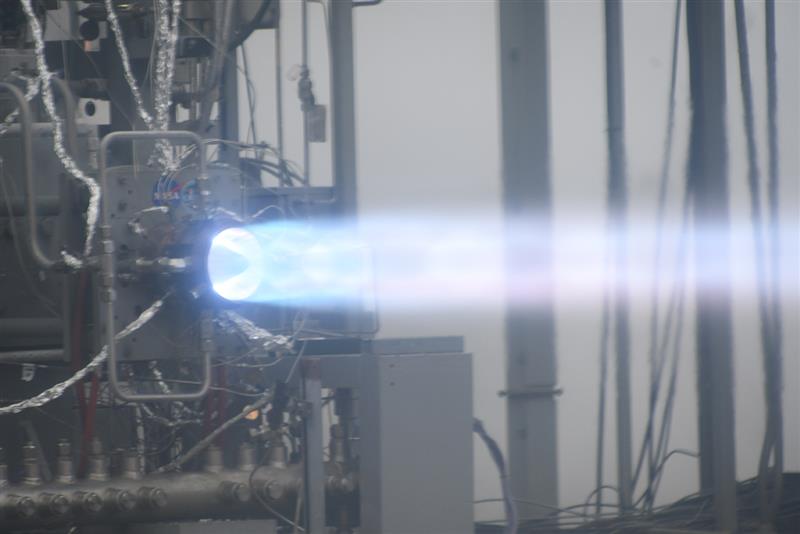
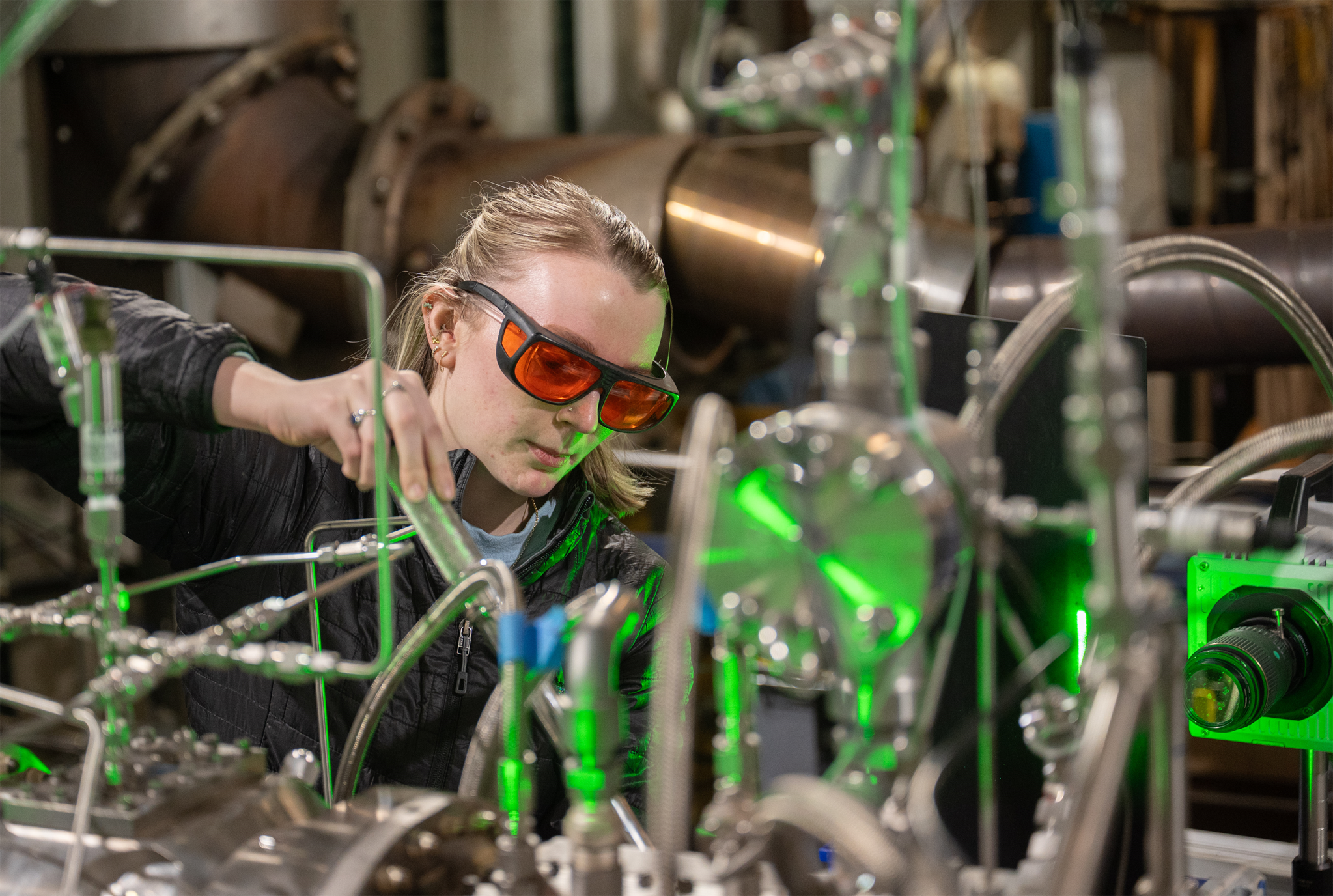
The ULI team at Georgia Tech, working with aircraft developer Boom Supersonic, is developing combustion technologies that can reduce emissions and lessen the environmental impact of civil supersonic flight. The team is tackling the sustainability challenges of flying faster by looking at the whole system and improving both the engine’s combustor and the overall aviation design with environmental impact in mind. Their work gives students hands‑on experience creating and testing new supersonic engine ideas while helping move toward more affordable and sustainable supersonic travel.
Boston University
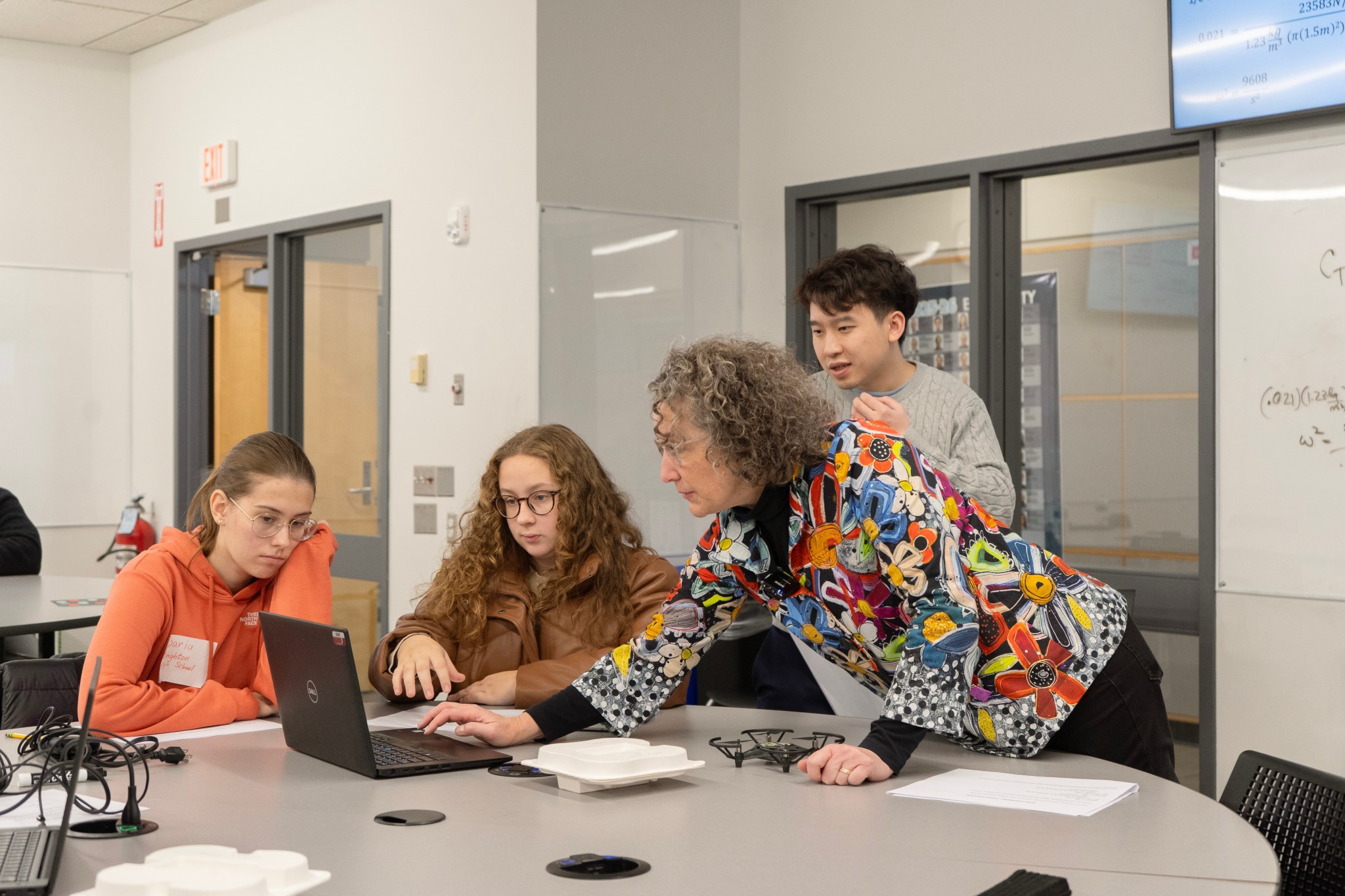
Boston University partnered with The Calculus Project to run an Urban Air Systems workshop where high school students explored aerodynamics, rotor dynamics, and multi-rotor control, then applied those concepts by coding a Tello quad-rotor in Python. Participants saw concrete examples of how mathematical constructs underpin aerodynamic and aeroacoustic analysis. The event aligns with NASA ULI’s workforce development objectives by increasing awareness of urban air vehicle technologies and inspiring students to consider STEM degrees that support this emerging field.
The University of Texas at Austin
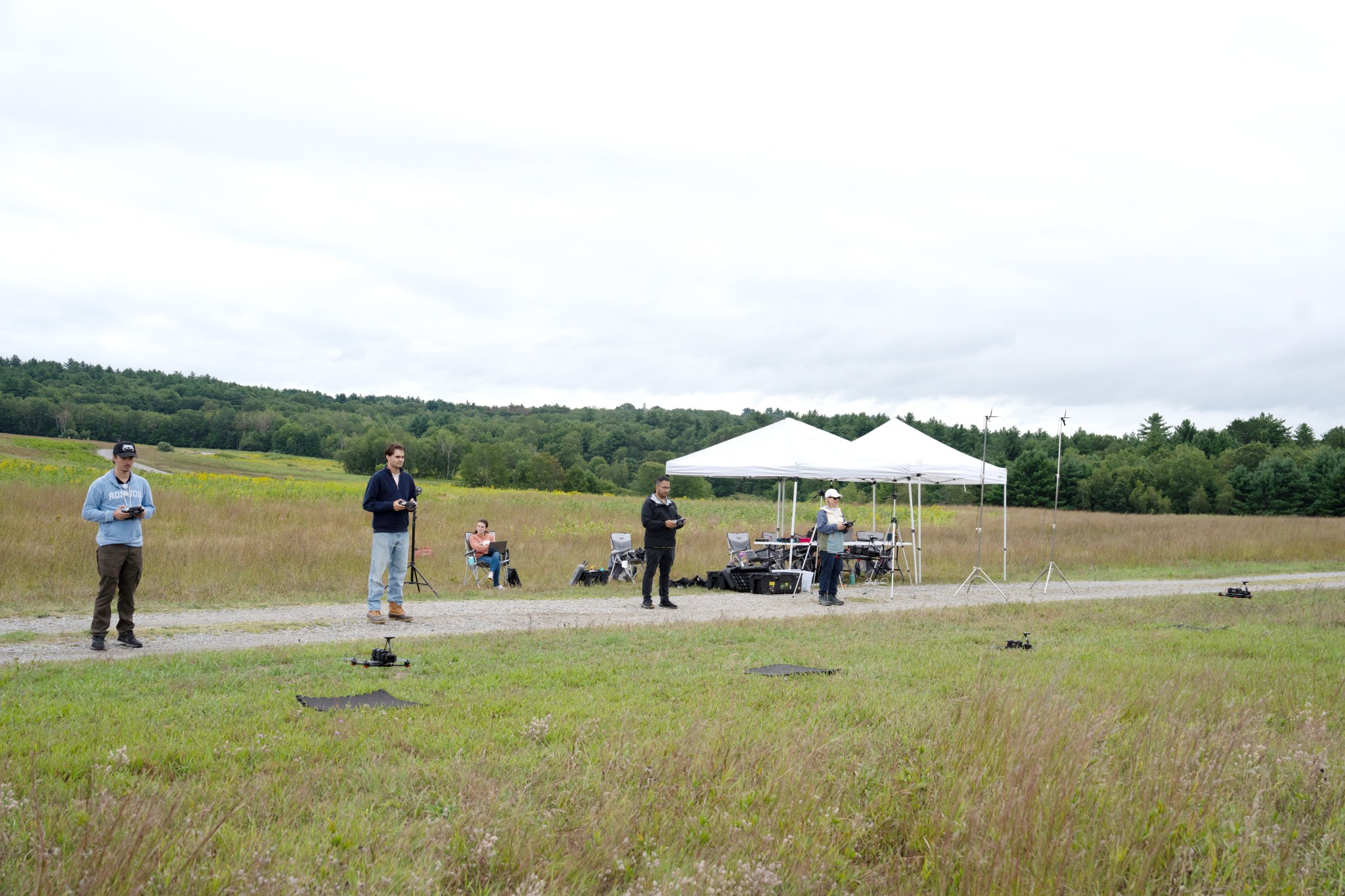
The ULI at The University of Texas at Austin, in partnership with the Massachusetts Institute of Technology (MIT) Lincoln Laboratory and team members from Purdue University and Morgan State University, developed and conducted an integrated demonstration to validate autonomous cargo-operation algorithms. MIT’s Lincoln Laboratory combined safe separation and routing algorithms in a hybrid simulation and live aircraft testbed using their own drones. Through these demonstrations, they identified integration challenges, tested potential solutions, and evaluated overall algorithm performance.

Chapter 2
Student Highlights
The journeys of student participants in NASA’s ULI are an inspiration. Their unique experiences with ULI helped shape their academic and professional paths. Discover where several of the more than 700 ULI-supported students are today, and learn how ULI helped them develop valuable skills, build lasting networks, and launch successful careers.
We're giving the academic community an opportunity to support NASA's aeronautical research goals and provide students with valuable experience trying to solve real-world technical challenges.

Gelsomina cappuccio
University Innovation Project Manager
Don-Terry Veal Jr.
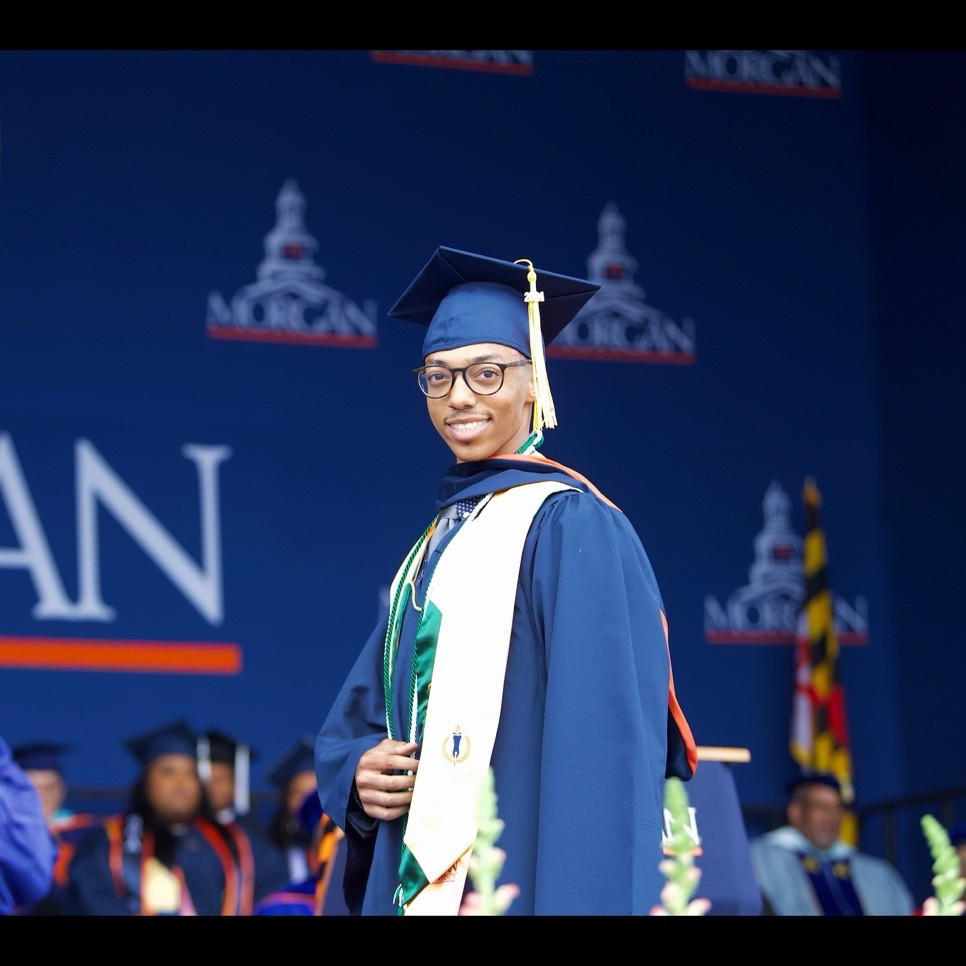
Don-Terry Veal Jr. stands out as a pioneer in the engineering partnership between Morgan State University and Purdue University. As the first student to participate in the dual-degree program between Purdue and Morgan State, Veal charted a new path for future engineers through his work on a ULI project led by The University of Texas at Austin.
Luis Landivar
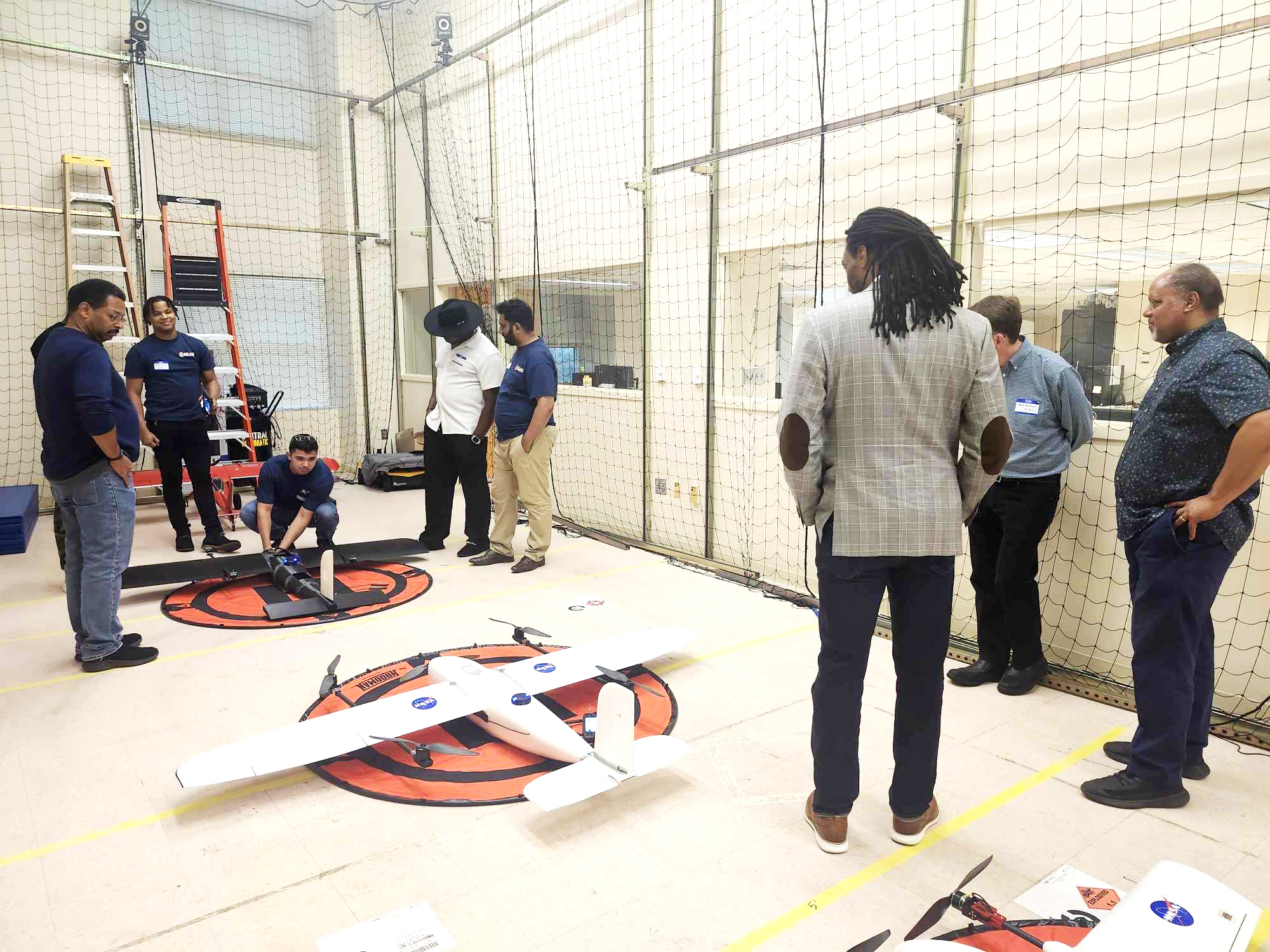
Luis Landivar’s academic journey demonstrates how ULI fosters student growth and leadership in aerospace research. He began his research career as an undergraduate student supporting the ULI project led by North Carolina Agricultural and Technical State University. Building on his ULI experience, Luis earned a NASA University Student Research Challenge award, stepping into the leadership role of student principal investigator for his own project.
Madison Hetlage
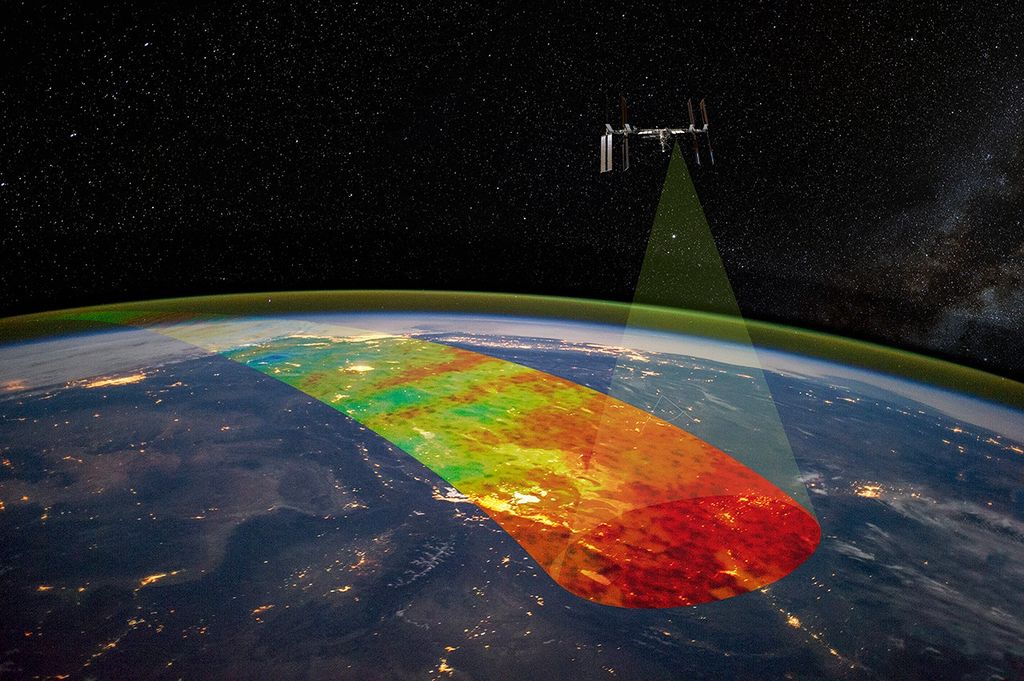
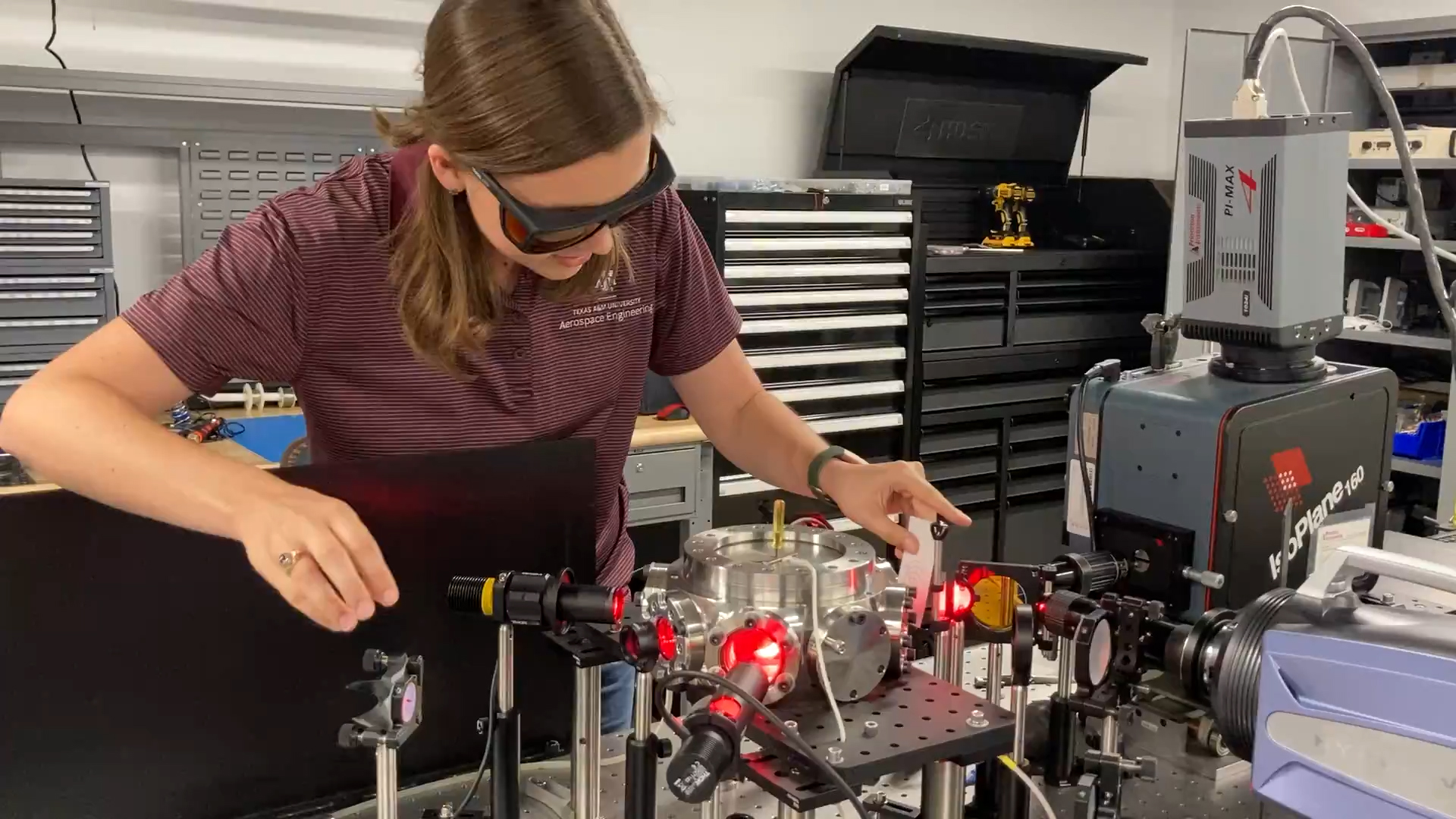
Madison Hetlage, while a graduate student at Texas A&M University working on a ULI project in the inaugural year of the initiative, conducted research using pulsed laser light detection and ranging (LiDAR) technology. Her work explored how LiDAR can measure atmospheric conditions (like density and moisture) in the air and in front of a supersonic aircraft. That information could then be used to adjust the aircraft’s shape in real time to help reduce the sonic boom heard on the ground. Hetlage is now a postdoctoral researcher at NASA’s Langley Research Center, where she continues her research on LiDAR systems for Earth science applications.
Max Li
Dr. Max Li’s career trajectory illustrates the pipeline of innovation and leadership fostered by NASA’s ULI. Starting his research journey as a Ph.D. student at the Massachusetts Institute of Technology, Li contributed to a Stanford University-led ULI project. Li has since transitioned from student researcher to assistant professor of aerospace engineering. Now at the University of Michigan, he continues to drive aerospace advancements and currently serves as co-investigator on a ULI project led by University of California at Berkeley.

Winter Jones
Winter Jones worked with a NASA ULI project focused on lowering supersonic aviation emissions. As a student at Spelman College, Jones participated in sustained, hands-on research. Jones now continues her trajectory as she pursues a master’s degree in aerospace engineering at Georgia Tech, embodying ULI’s mission to prepare the next generation of scientific and engineering leaders.
Zanyah Williams
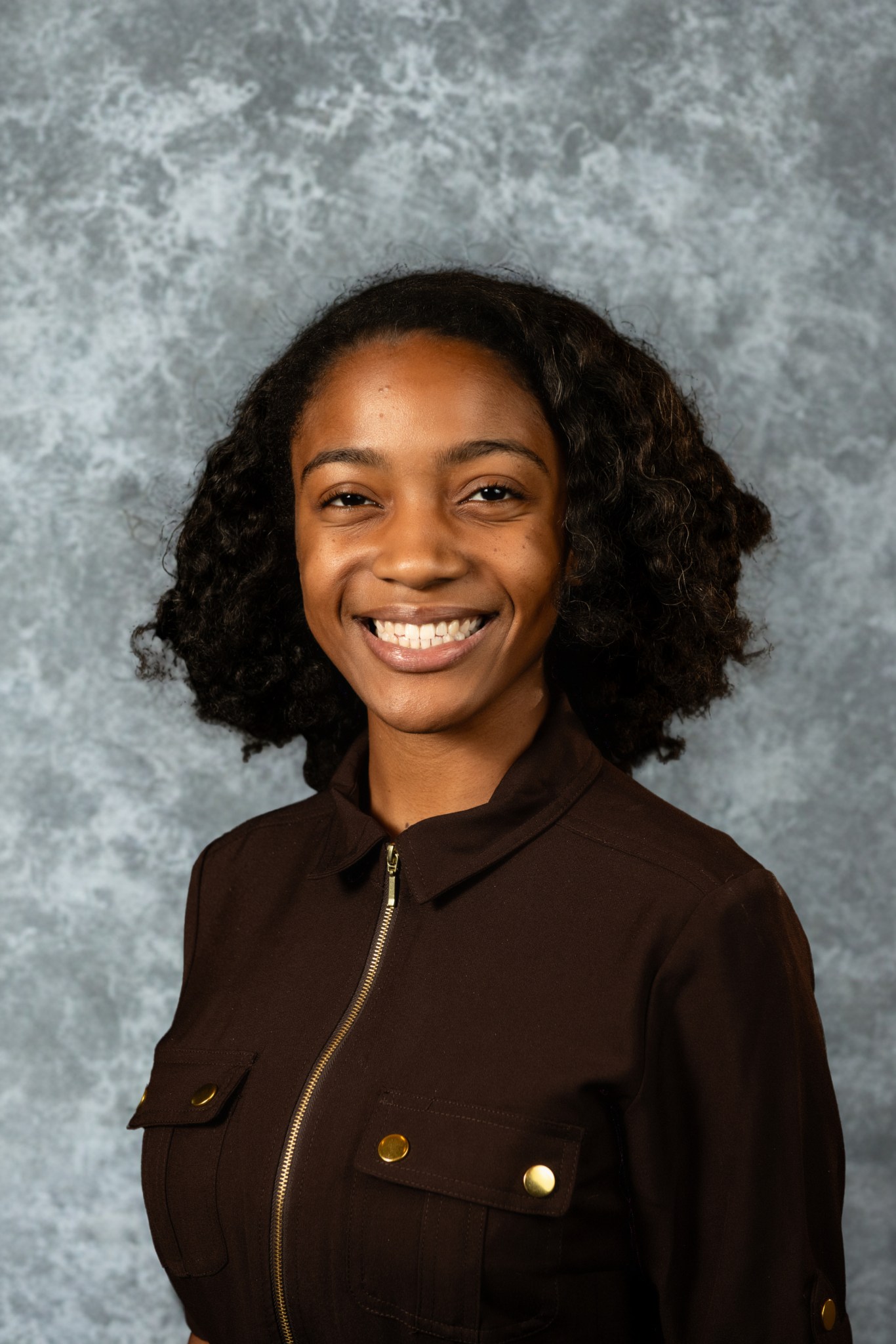
Zanyah Williams completed her work on a NASA ULI project focused on lowering supersonic aviation emissions. Williams played a key role in the research by integrating an environmental justice perspective and used her ULI experience to prepare for advanced studies in a Ph.D. program in Environmental Health at Boston University School of Public Health. Her experience highlights the broad impact of the ULI in fostering interdisciplinary scholars ready to address complex scientific and societal challenges.

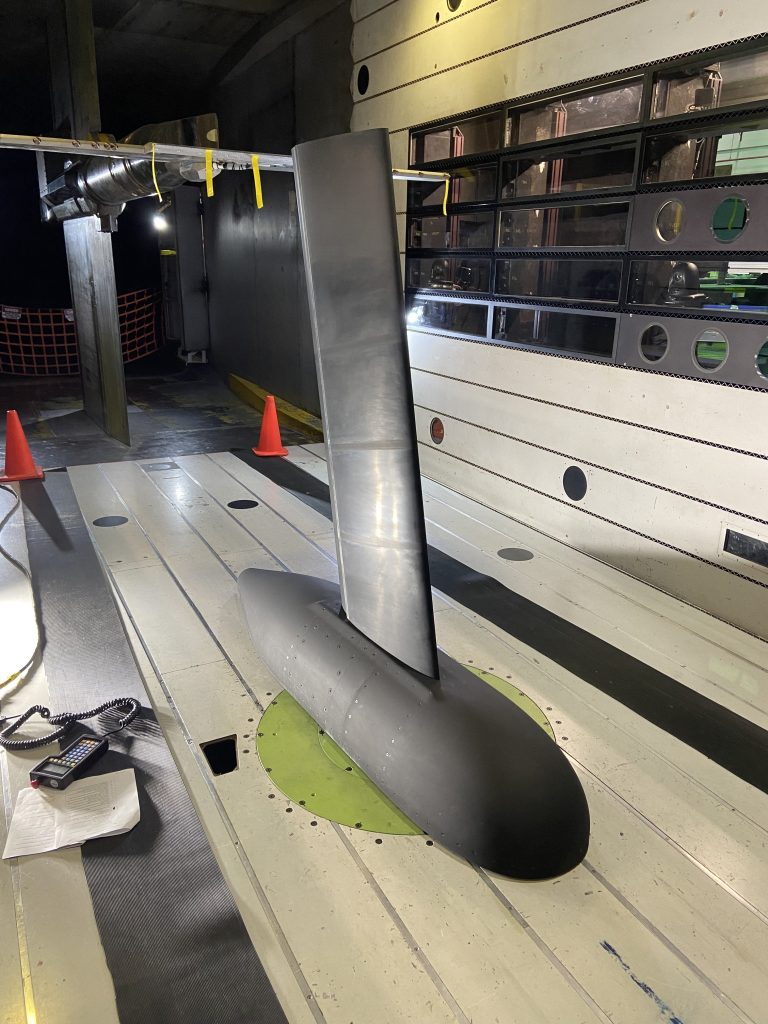
A slotted natural‑laminar‑flow (SNLF) airfoil undergoes successful wind‑tunnel testing, demonstrating its potential to significantly reduce drag and fuel consumption for future ultra‑efficient commercial aircraft. This ULI project research was led by Jim Coder at the University of Tennessee – Knoxville.
Chapter 3
Success Stories
NASA’s ULI works to foster many kinds of successes – from workforce development to the creation of lasting centers for aerospace research and training. ULI awards have led to the establishment of companies, careers, and technologies that have helped power the aviation industry. Here are highlights from some of the 37 teams supported through ULI.
A slotted natural‑laminar‑flow (SNLF) airfoil undergoes successful wind‑tunnel testing, demonstrating its potential to significantly reduce drag and fuel consumption for future ultra‑efficient commercial aircraft. This ULI project research was led by Jim Coder at the University of Tennessee – Knoxville.
Unexpected Success
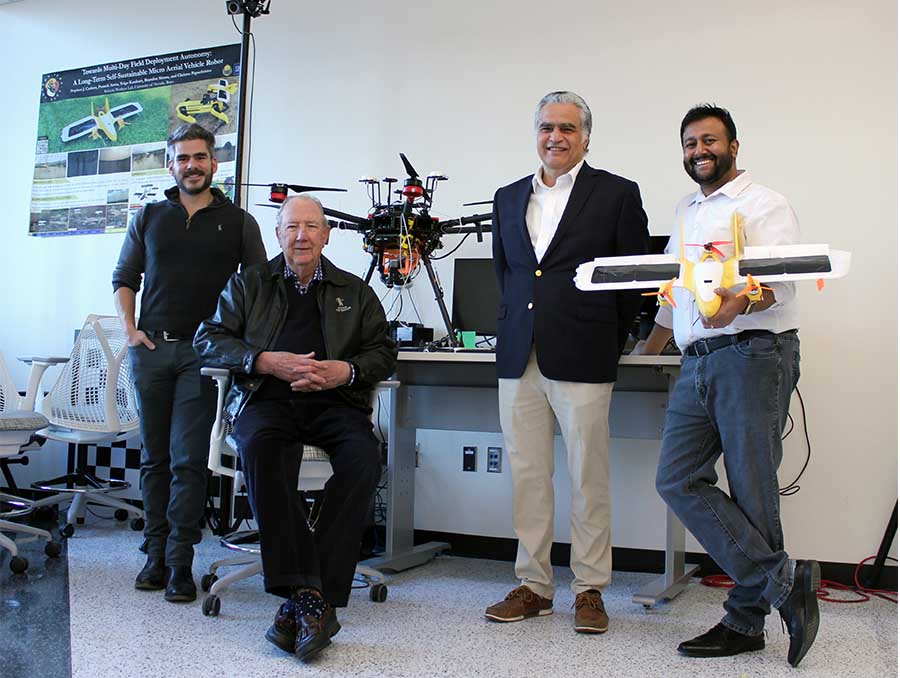
The University of Nevada, Reno’s ULI engagement was a driving force behind the creation of its new Aerospace Engineering program. The ULI team worked on advanced simulations and testing for both manned and unmanned airborne systems which demonstrated the value and real-world relevance of its research to national partners. This success helped build strong momentum on campus and among external stakeholders, ultimately contributing to the university securing a transformative $36 million gift from the Gillemot Foundation. With this support, the institution is now positioned to make a long-term, strategic investment in advancing aerospace research, education, and innovation.
From left, Assistant professor Christos Papachristos, Gillemot Foundation trustee Tom Hall, professor Petros Voulgaris, and assistant professor Aditya Nair. University of Nevada, Reno
Technology Success
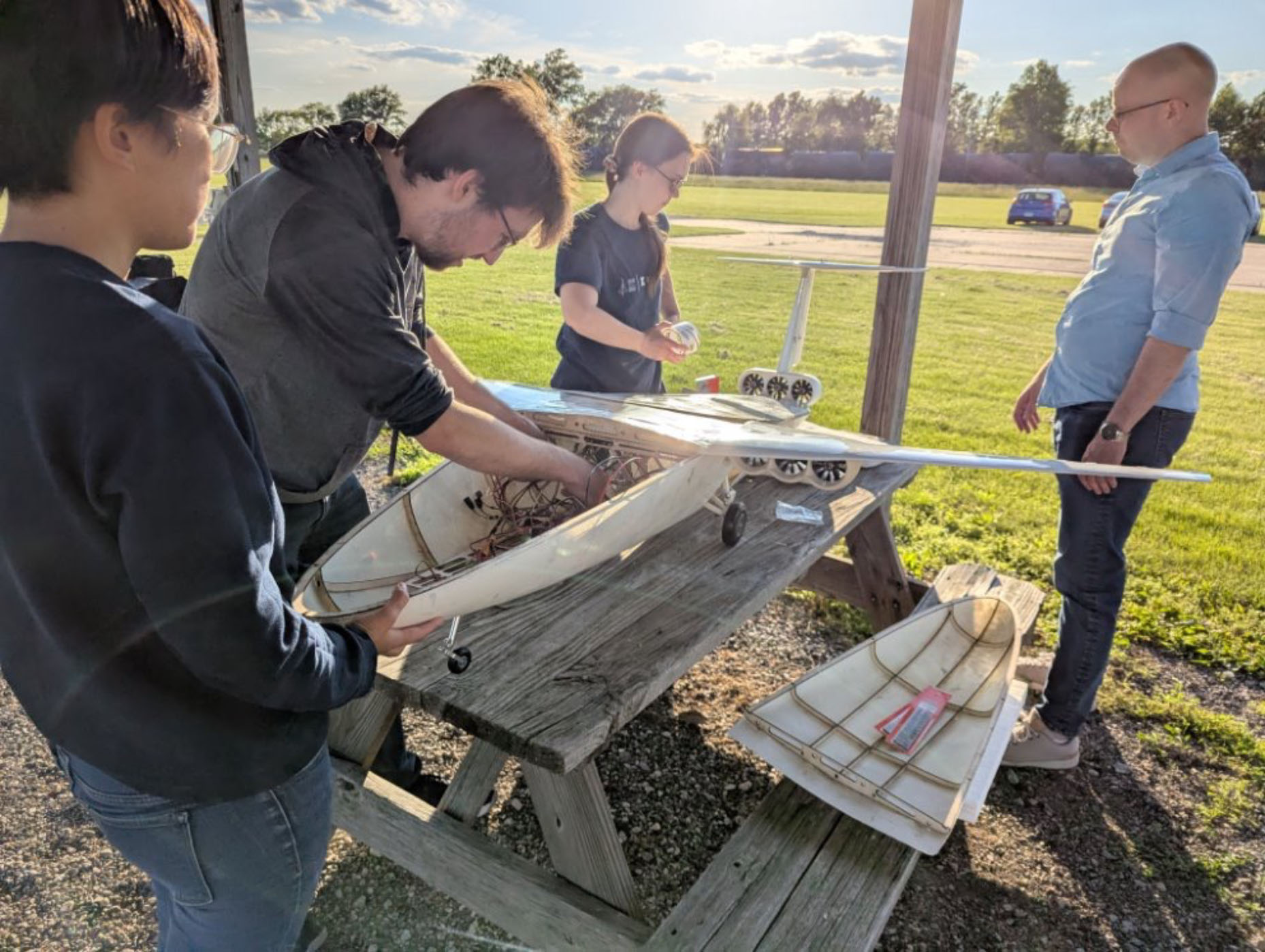
Students working at the University of Illinois Urbana-Champaign’s Center for High-Efficiency Electrical Technologies for Aircraft are developing several innovative components required for a hydrogen-powered 737-class transport aircraft. One part of that system is the aircraft itself, which integrates three sets of three electric motor-driven fans to generate thrust to propel a wider-than-normal passenger cabin that also could house liquid hydrogen tanks. The students also have designed, built, and tested the world’s first electric motor to use superconducting wires and non-cryogenic fluid cooling of the rotating electromagnetic parts.
Material Success
At the University of Delaware’s Center for Composite Materials, the ULI team made advancements in composite manufacturing techniques by achieving aerospace-level performance at automotive production rates for urban air mobility and commercial air platforms. Their key innovation, the recyclable Tailored Universal Feedstock for Forming material, uses composite materials that can be stamped like sheet metal while providing strength, fatigue resistance, and significant weight savings. Partners such as Joby Aviation and Spirit AeroSystems are now exploring the material for use in future electric vertical takeoff and landing aircraft and flying taxi systems.
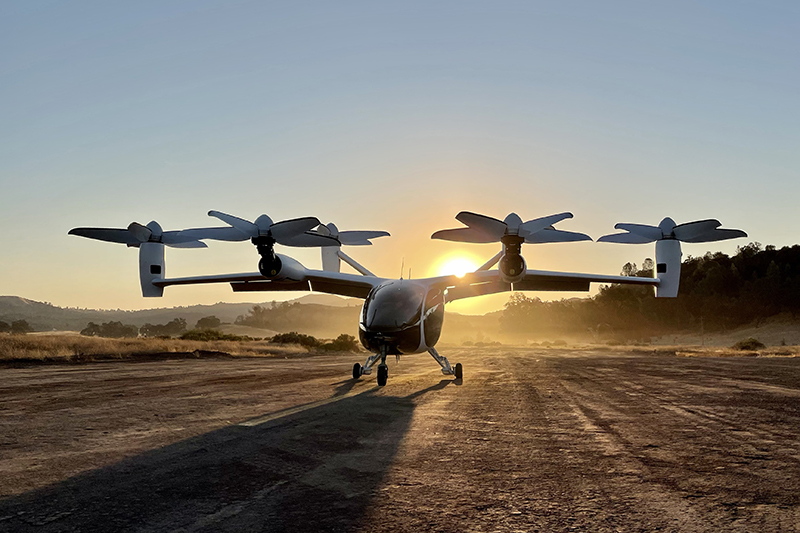
These diverse teams and the ideas they are researching have the opportunity to radically change aviation in very specific ways.

dr. john cavolowsky
NASA's Director of the Transformative Aeronautics Concepts Program
ULI at 10: Empowering Tomorrow’s Aviation Leaders
As ULI marks its 10th anniversary, NASA Aeronautics celebrates the profound impact ULI has made on both students and the aviation industry. Through hands-on research and collaborative projects, ULI has empowered a new generation of thinkers to break barriers and drive meaningful progress. Looking ahead, the initiative will continue to foster creative solutions, ensuring that tomorrow’s leaders are ready to shape the skies and propel aviation into an even brighter future.
University Leadership Initiative
NASA’s ULI provides an opportunity for the U.S. university community to receive NASA funding, take the lead in building their own teams, and setting their own research agenda with goals that support and complement NASA's aeronautics research goals.
Learn More about the University Leadership Initiative