










Earth Surface and Interior Missions & Projects at Ames
active projects
2
subject matter experts
3
NASA Ames poc
Florian Schwandner
CRATER
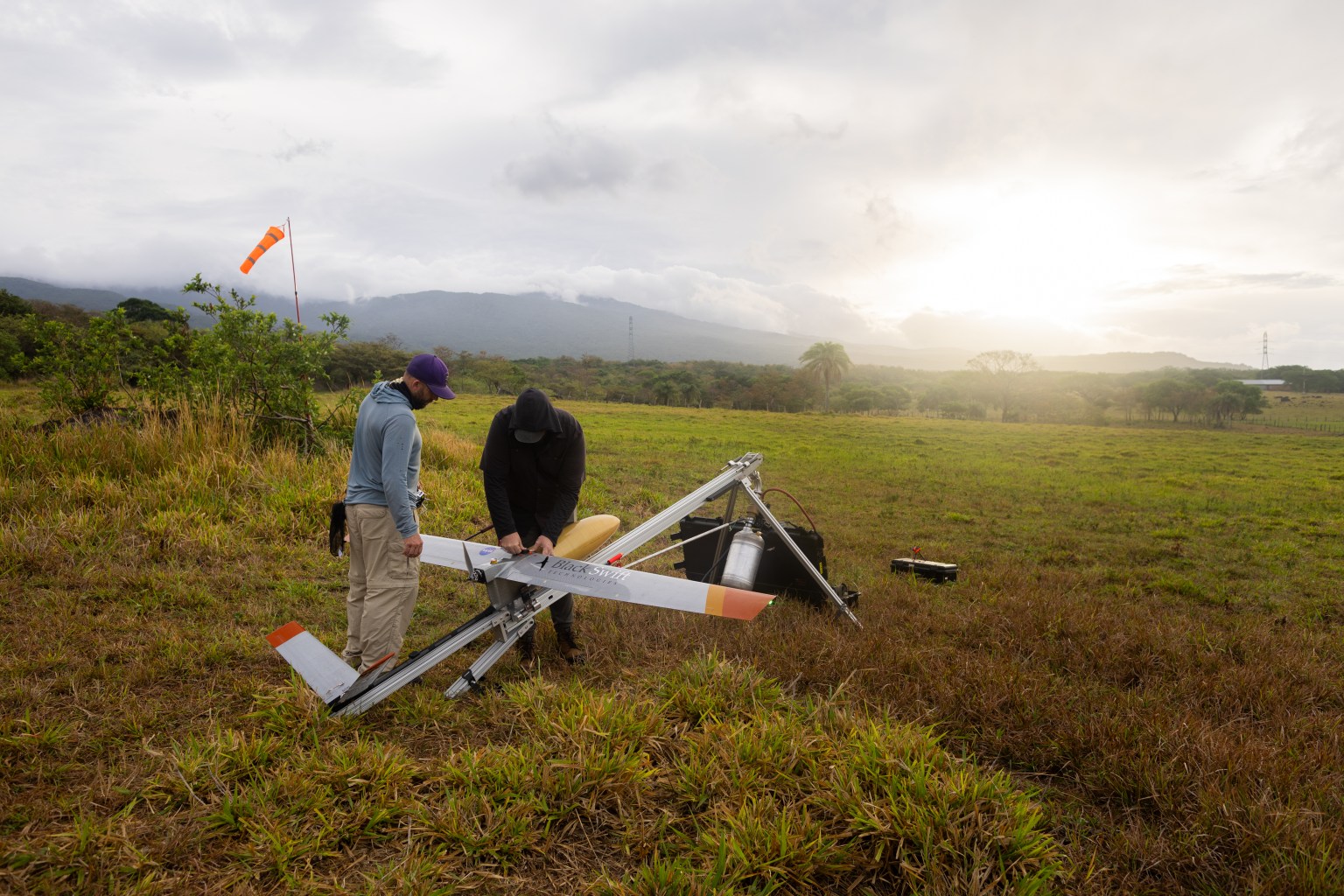
CRATER seeks to increase our understanding of the interaction between persistent gas emission and tropical ecosystems, using the S2 Black Swift uncrewed aircraft system (UAS) to measure trace gas concentrations around Rincón de la Vieja Volcano, Costa Rica.
These low-altitude airborne observations, when combined with existing ground-based datasets available from collaborators on site, will provide a more complete picture of how persistent volcanic emissions influence surrounding ecosystems.
RUMMBLE
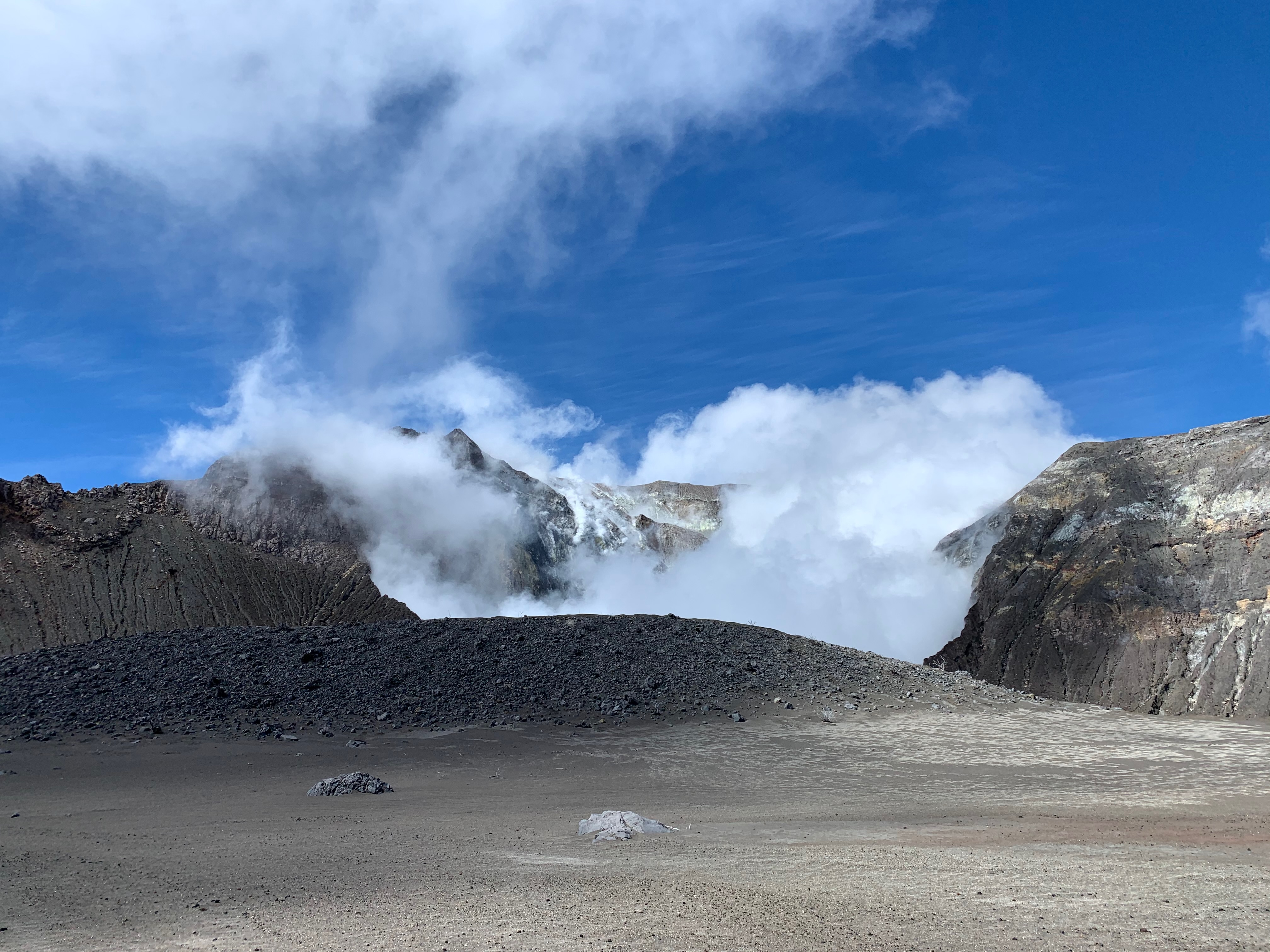
The earliest precursor to a volcanic eruption is a change in total degassing flux and the composition of the gases emitted. Most of the world’s volcanoes remain unmonitored, leaving an opportunity for space-based observations.
One of the major challenges to observing volcanic gas fluxes from space is the presence of atmospheric aerosol particles. Depending on their composition, quantity and position in the atmospheric column, they may introduce biases, either increasing or decreasing the observed trace-gas quantity through light scattering and absorption.
RUMMBLE is an interdisciplinary team bringing together atmospheric remote sensing and modeling, geophysical modeling, and field observations of volcanoes, focusing on eruptive and pre-eruptive volcanic activity in Alaska, Hawaii, Costa Rica and the continental U.S., to begin to address these challenges.