





NASA’s Pandora Satellite Acquires Signal

NASA’s Pandora satellite mission controllers received full acquisition of signal from the spacecraft on Jan. 11 on the first ground pass after liftoff from Space Launch Complex 4 East at Vandenberg Space Force Base in California.
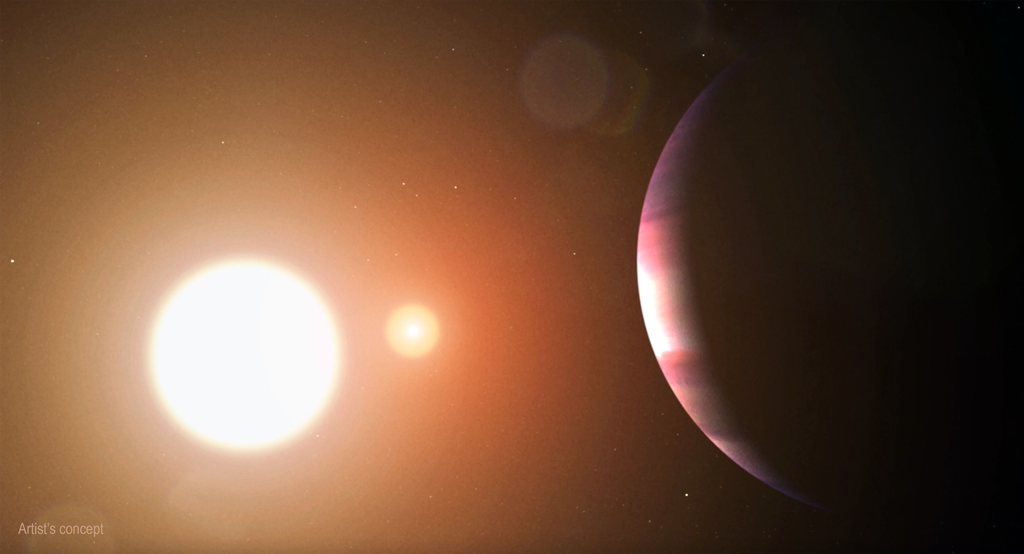
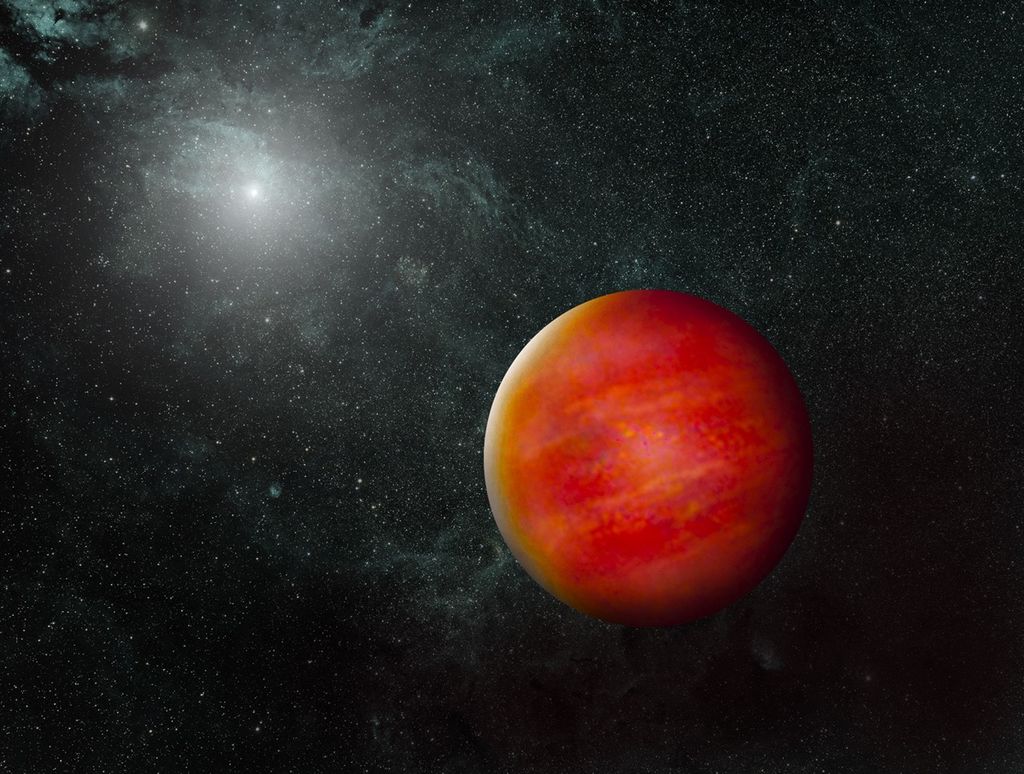
Pandora will study planets outside our solar system – called exoplanets – discovered by other missions to gain information about the planets’ atmospheres and how their stars may produce or affect the signals we detect from them.
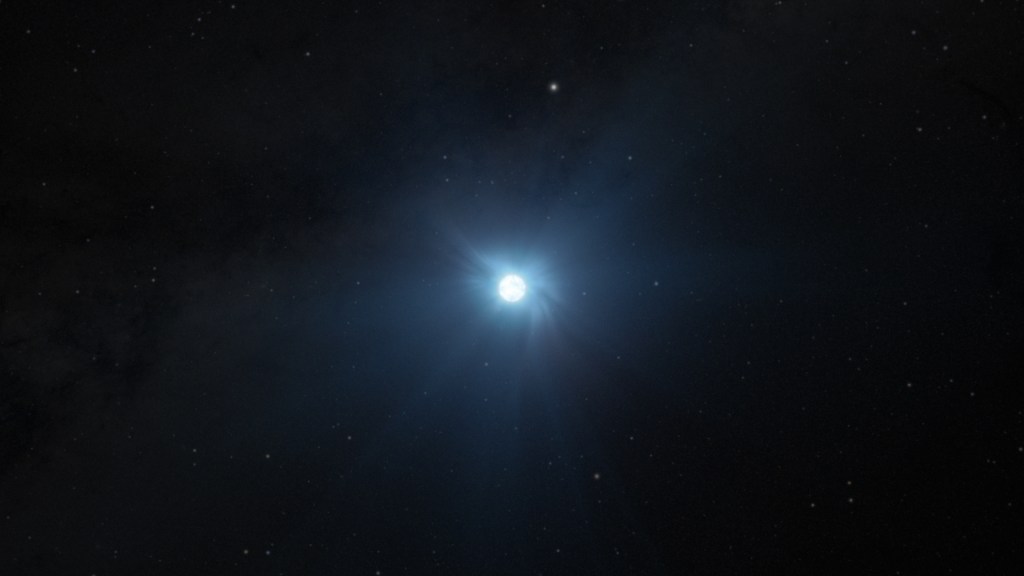
When a planet passes in front of its host star, substances in its atmosphere can absorb some of that light. Astronomers can measure these effects to determine the presence of specific elements and compounds. But the star can also produce the same signals, and activity on its surface can suppress or magnify those from the planet.
Pandora will monitor the brightness of the exoplanet’s host star in visible light while simultaneously collecting near-infrared data from both the star and the planet. It will study each system 10 times for 24 hours at a time. Together, these long multiwavelength observations will help separate the signals from the stars and the planets.
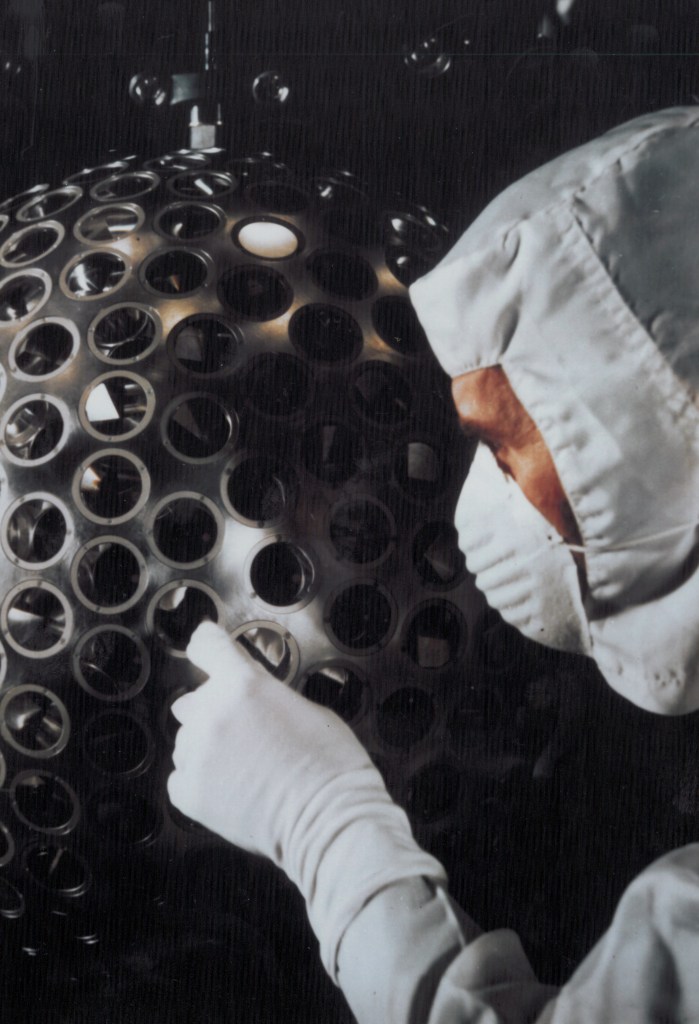
NASA’s Goddard Space Flight Center in Greenbelt, Maryland, leads Pandora for the agency. Lawrence Livermore National Laboratory provides project management and engineering for the mission. Pandora’s telescope was manufactured by Corning and developed collaboratively with Livermore, which also developed the imaging detector assemblies, the mission’s control electronics, and all supporting thermal and mechanical subsystems. The infrared sensor was provided by NASA Goddard. Blue Canyon Technologies provided the bus and is performing spacecraft assembly, integration, and environmental testing. NASA’s Ames Research Center in California’s Silicon Valley will perform the mission’s data processing. Pandora’s mission operations center is at the University of Arizona in Tucson, and a host of additional universities support the mission science team.
NASA awarded the launch services for the Pandora mission through its VADR (Venture-Class Acquisition of Dedicated and Rideshare) contract. NASA’s Launch Services Program, based at the agency’s Kennedy Space Center in Florida, manages the VADR contract.
This concludes our launch coverage. Continue to follow the mission on X, Facebook, and Instagram at these accounts:
X: @NASAUniverse, @NASAKennedy
Facebook: NASA Universe, NASA Kennedy
Instagram: NASAUniverse, NASAKennedy
For more information about NASA’s Pandora mission:
https://science.nasa.gov/mission/pandora
