








Welcome to Launch Day for NASA’s Pandora Mission, CubeSats
SpaceX is targeting a 57-minute launch window that opens at 8:19 a.m. EST (5:19 a.m. PST) Sunday, Jan. 11, from Space Launch Complex 4 East at Vandenberg Space Force Base in California for launch of its Twilight commercial rideshare mission that includes NASA’s Pandora small satellite. A live webcast of this mission will begin about 15 minutes prior to liftoff, watch the launch coverage here.
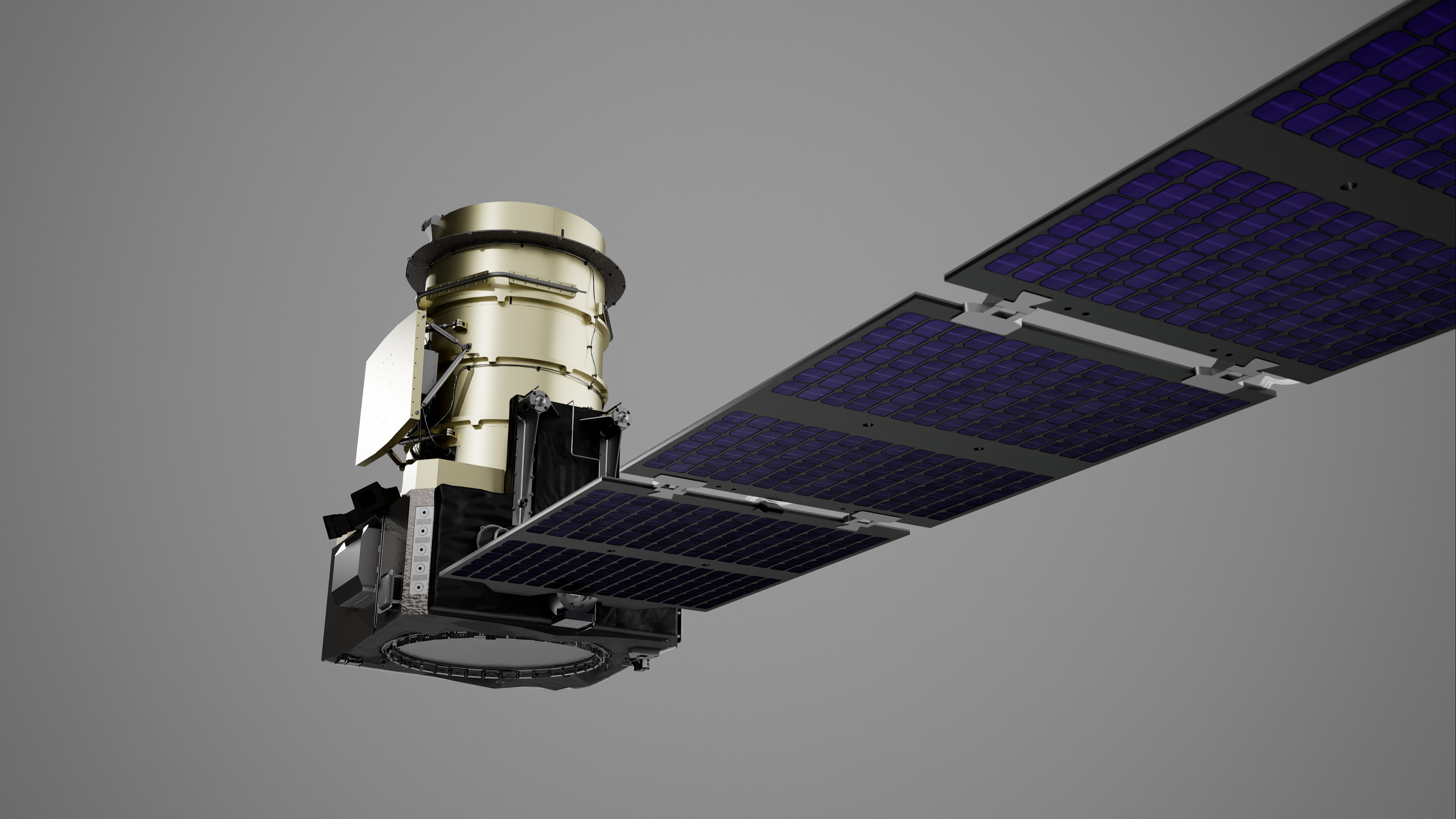
Pandora will travel to sun-synchronous orbit to study the atmospheres of at least 20 exoplanets and the activity of their host stars. In this orbit, it will pass over the same spot on Earth at roughly the same time each day, with the Sun positioned behind the satellite to minimize light variations.
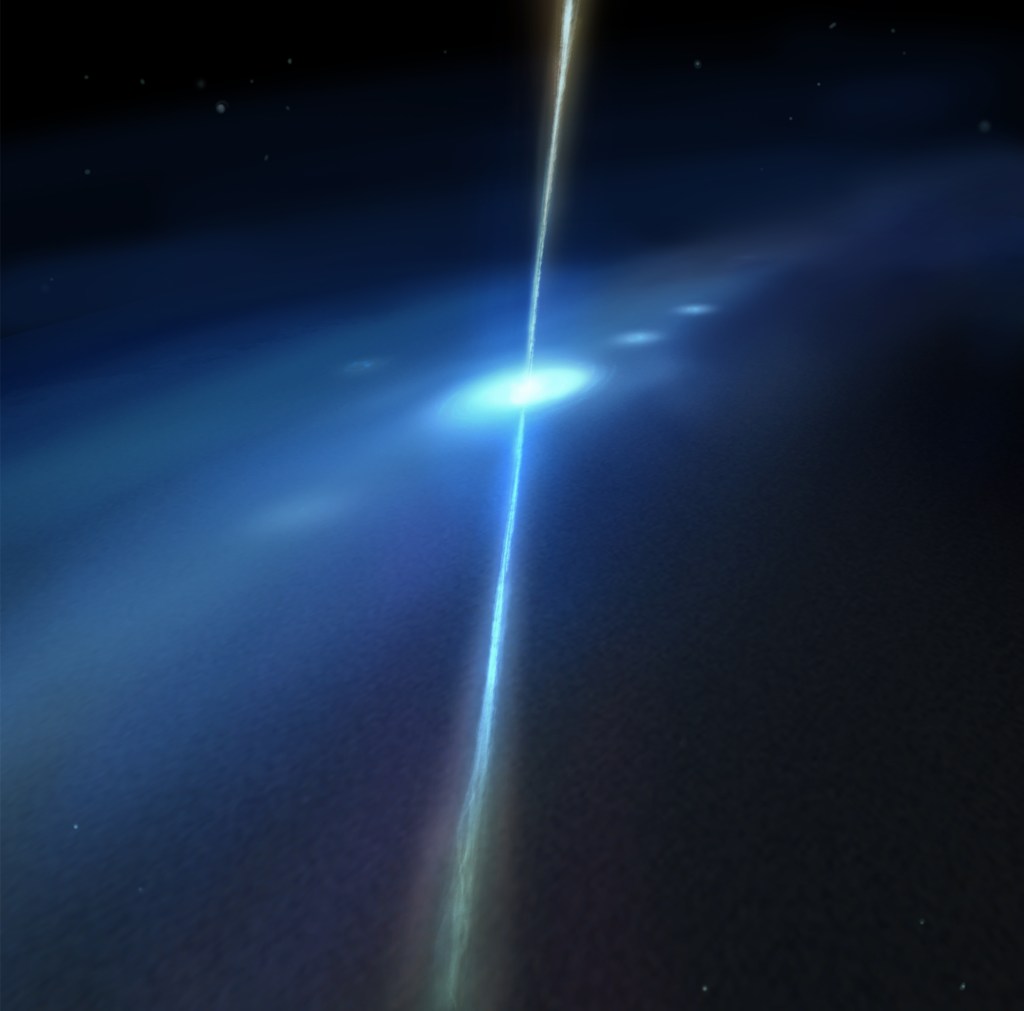
When planets pass in front of their stars, substances in their atmospheres can imprint chemical fingerprints in the light, including those that scientists consider important for life. But stars can produce some of the same chemical fingerprints, and activity on their surfaces can suppress or magnify signals from planetary atmospheres.
Pandora will use its telescope to collect visible and infrared light from each system 10 times for 24 hours at a time. These long multi-wavelength stares will help scientists tease apart the signals of the planets and stars to determine the exact origins of elements and molecules like water and oxygen.
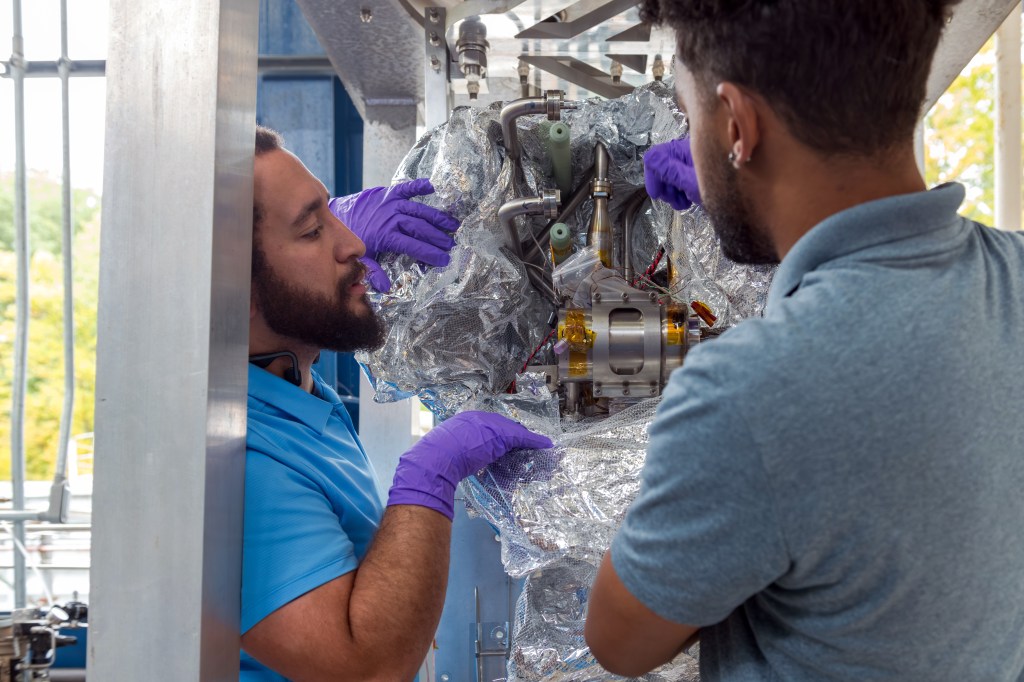
The near-infrared detector on Pandora is a spare instrument originally developed for NASA’s James Webb Space Telescope. Pandora’s observations will, in turn, help improve Webb’s ability to differentiate planetary atmospheres from the stars they orbit.
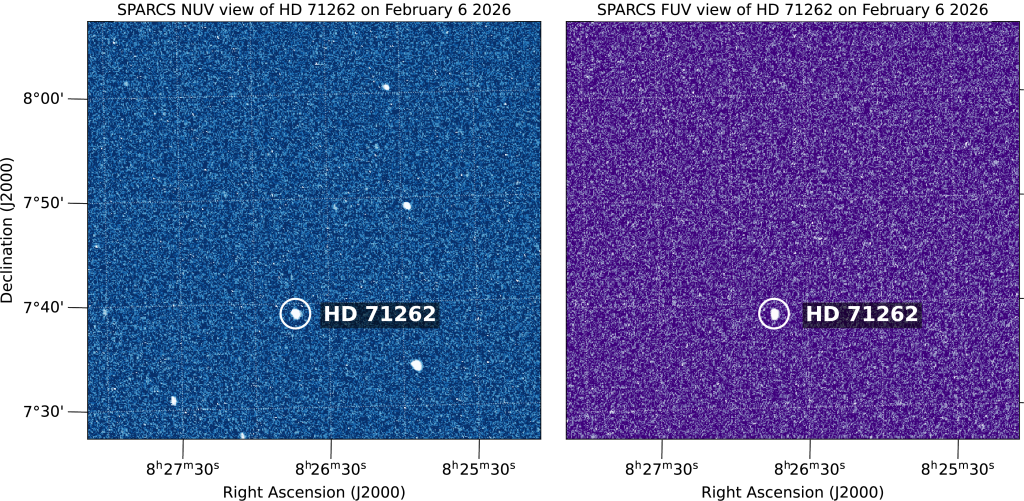
Two other NASA-sponsored CubeSats also are part of this rideshare mission. The SPARCS (Star-Planet Activity Research CubeSat) mission, led by Arizona State University in Tempe, and BlackCAT (Black Hole Coded Aperture Telescope), built and operated at Pennsylvania State University in University Park, funded by NASA’s Astrophysics Research and Analysis program are both launching on Twilight.
Pandora is a collaboration between NASA’s Goddard Space Flight Center in Greenbelt, Maryland, Lawrence Livermore National Laboratory, NASA’s Ames Research Center in California’s Silicon Valley, the University of Arizona, and a host of other institutions. It is the first satellite to launch in the agency’s Astrophysics Pioneers program.
NASA awarded the launch services for the Pandora mission through its VADR (Venture-Class Acquisition of Dedicated and Rideshare) contract. NASA’s Launch Services Program, based at the agency’s Kennedy Space Center in Florida, manages the VADR contract.
For more information about NASA’s Pandora mission:
https://science.nasa.gov/mission/pandora
