

















Suggested Searches

NASA Quesst

NASA's Quesst mission, which features the one-of-a-kind X-59 aircraft, will demonstrate technology to fly supersonic, or faster than the speed of sound, without generating loud sonic booms. NASA will then survey how people respond when the X-59 flies overhead, sharing these reactions to the quieter sonic "thumps" with national and international regulators to inform the establishment of new data-driven acceptable noise thresholds related to supersonic commercial flight over land. Quesst is supported through NASA’s Aeronautics Research Mission Directorate.

Viewing Posts from August 2026

View All Posts
  • NASA X-59 Explainer: Science of Sonic Booms 
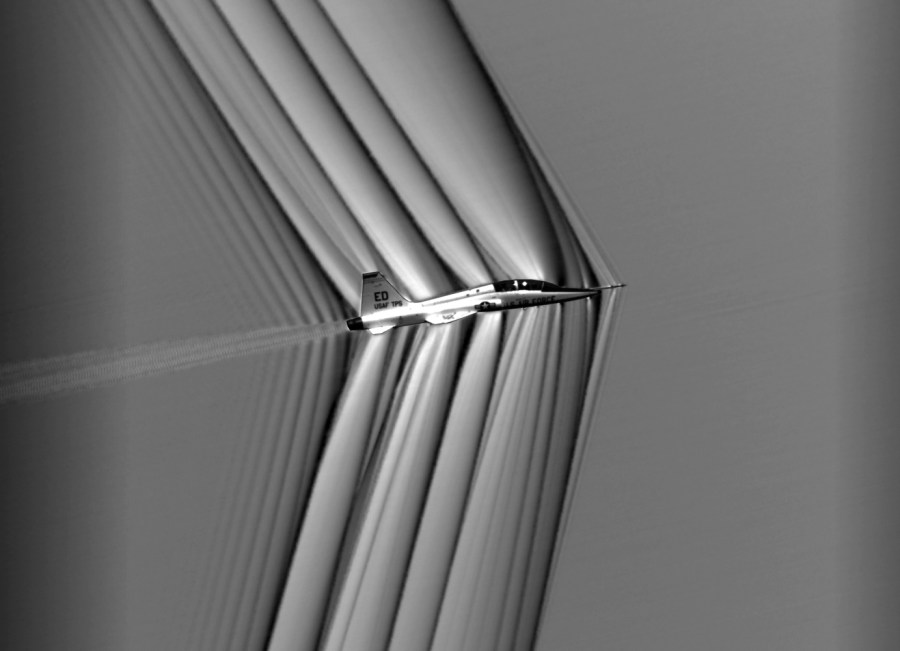
    The most common misconception about sonic booms is that they’re just the sound created at the moment when an aircraft “breaks the sound barrier.” In reality, a sonic boom is continuous, the audible evidence of invisible pressure waves forming as an aircraft travels faster than sound. As these waves travel toward the ground, they can merge, creating an explosive bang heard by everyone the aircraft passes over.  Sonic booms have been a problem since aircraft first began exceeding the speed of sound, or Mach 1, so disturbing to people below that for decades U.S. and international regulations banned commercial supersonic flight over […]