




Suggested Searches

Blogs

  • U.S., Russian Rockets Preparing to Resupply Station This Weekend

    Northrop Grumman's Antares rocket carrying a Cygnus resupply spacecraft

    A U.S. rocket stands at its launch pad at the Wallops Flight Facility in Virginia counting down to a Thursday morning launch. On the other side of the world in Kazakhstan, a Russian rocket is being processed for its launch Friday afternoon. Both spaceships are hauling several tons of food, fuel, supplies and new science …

  • ISS Daily Summary Report – 11/12/2018

    H-II Transfer Vehicle 7 (HTV7) Status:  HTV7 performed a nominal deorbit, on Saturday November 10, concluding a very successful mission.  Final telemetry from HTV7 was received at 21:41 GMT (03:41 PM CT) at an altitude of ~104 km.  A nominal separation of the HTV Small Re-entry Capsule (HSRC) was conducted during this timeframe. The HSRC …

  • ISS Daily Summary Report – 11/09/2018

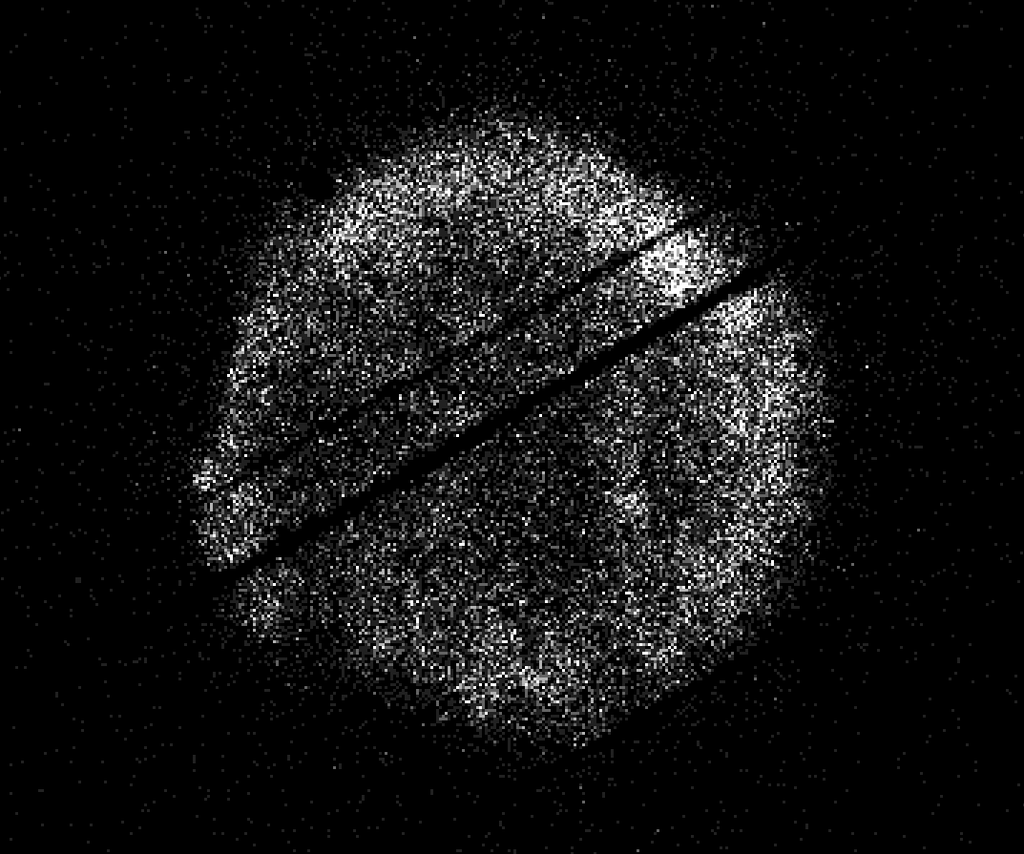
    Plasma Kristall-4 (PK-4): The crew exchanged the data hard drive and then setup Particle Trapping for Run #4. The Chamber was then cleaned and the video monitor was setup to document the de-installation of the hardware. PK-4 is a scientific collaboration between the European Space Agency (ESA) and the Russian Federal Space Agency (Roscosmos), performing …

  • ICON Launch Update

    NASA and Northrop Grumman are continuing to investigate the off-nominal data observed during the Pegasus XL rocket’s Nov. 7 launch attempt for the agency’s Ionospheric Connection Explorer, or ICON, mission. The next launch attempt will be evaluated once the investigation is complete. The ICON spacecraft remains healthy. For updates, visit: https://www.nasa.gov/icon

  • Crew Ends Week Researching Space Physics, Biology and Time

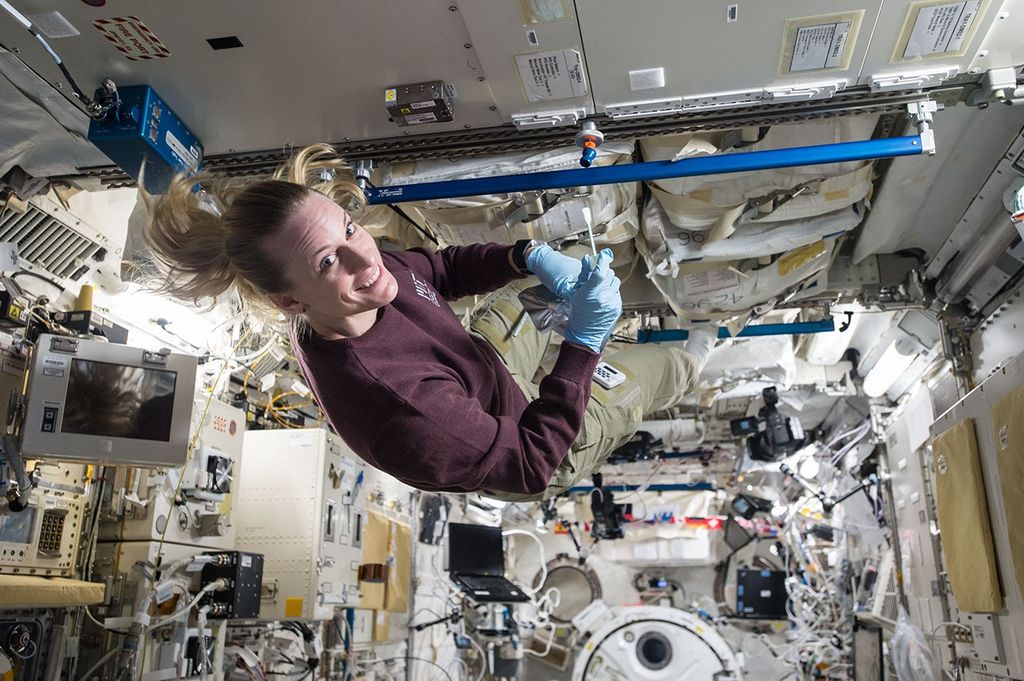
    Flight Engineer Serena Auñón-Chancellor checks on plants being grown for botany research aboard the International Space Station. NASA is exploring ways to keep astronauts self-sufficient as humans learn to live longer and farther out into space and beyond low-Earth orbit.

    A crew of three from around the world are heading into the weekend aboard the International Space Station. The Expedition 57 trio from the United States, Russia and Germany studied a variety of space phenomena today including physics, biology and time perception. Flight Engineer Serena Auñón-Chancellor joined Commander Alexander Gerst for eye checks first thing …

  • Iceberg Ahead!

    by Kate Ramsayer / THE SKIES ABOVE ANTARCTICA / The crack that would become B-46 was first noticed in September 2018 – and the berg broke the next month. NASA’s Operation IceBridge flew over a new iceberg that is three times the size of Manhattan on Wednesday – the first known time anyone has laid …

  • ISS Daily Summary Report – 11/08/2018

    Meteor: The crew removed and replaced the hard drive in the Meteor laptop and completed a software anti-virus update. The Meteor payload is a visible spectroscopy instrument used to observe meteors in Earth orbit. Meteor uses image analysis to provide information on the physical and chemical properties of the meteoroid dust, such as size, density, …

  • U.S., Russian Spaceships Line Up for Launch After Japanese Vessel Departs

    Japanese Resupply Ship Released

    The Expedition 57 crew said farewell to a Japanese resupply ship Wednesday and is getting ready to welcome U.S. and Russian space freighters in less than two weeks. The trio practiced International Space Station emergency procedures this week then went on to space research and robotics training. The U.S. company Northrop Grumman is getting its …

  • Send Me a Postcard From Station P, Will You?

    Adrian Marchetti is an associate professor in the department of Marine Sciences at the University of North Carolina at Chapel Hill and was aboard the R/V Roger Revelle for the EXPORTS field campaign this August and September. So perhaps you read about the EXPORTS cruise and have heard about this place called Station P. You are …

  • ISS Daily Summary Report – 11/07/2018

    H-II Transfer Vehicle (HTV)-7 Departure:  This morning, the crew finished closing out the Node 2 vestibule by demating all umbilicals and depressurizing the vestibule between HTV-7 and Node 2 in preparation for the unberth. Commands were sent to the release Common Berthing Mechanism (CBM) bolts prior to unberth.  Robotic Flight Controllers then maneuvered HTV-7 to …