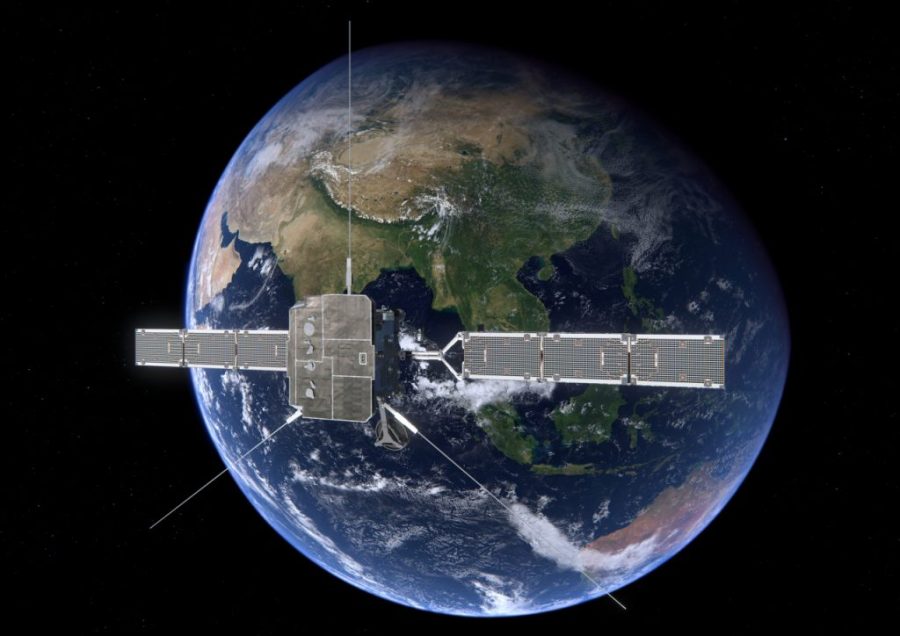
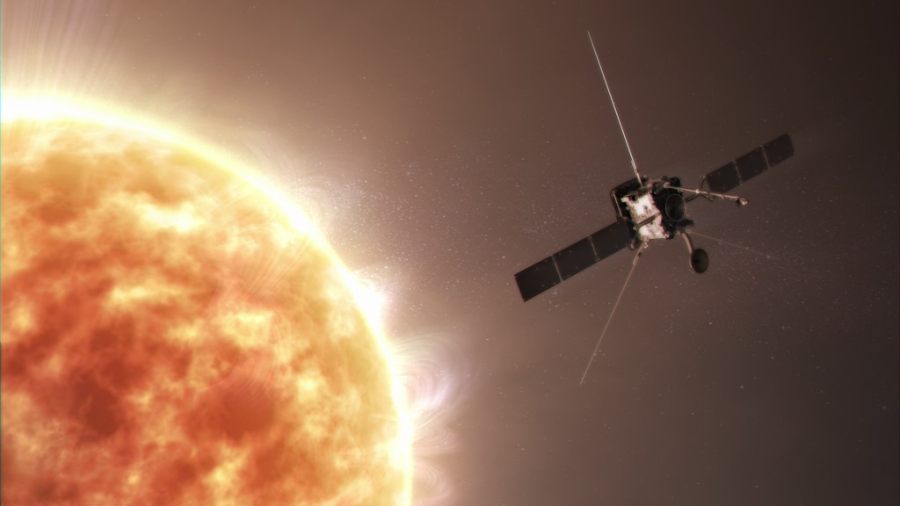
The Solar Orbiter spacecraft team from the European Space Agency has been communicating with the spacecraft, which is confirmed to be in the right position. Deployment of the solar arrays is the next major milestone.
Solar Orbiter Update








The Solar Orbiter spacecraft team from the European Space Agency has been communicating with the spacecraft, which is confirmed to be in the right position. Deployment of the solar arrays is the next major milestone.
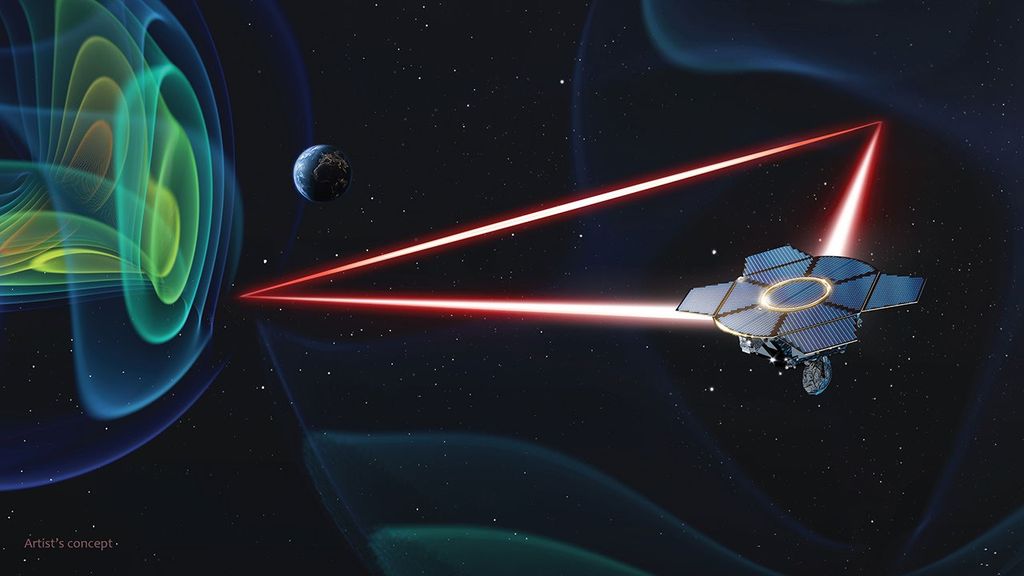
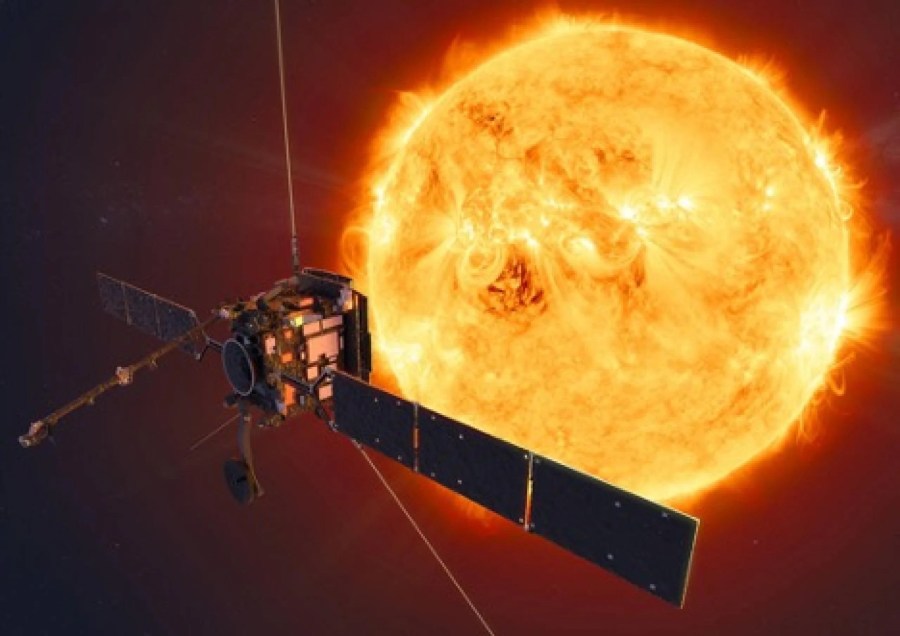
The team has received the signal from the Solar Orbiter spacecraft. Solar Orbiter is an international collaborative mission between the European Space Agency (ESA) and NASA. The spacecraft will observe the Sun with high spatial resolution telescopes and capture observations in the environment directly surrounding the spacecraft to create a one-of-a-kind picture of how the …
The Solar Orbiter spacecraft is flying on its own now after a successful liftoff and ascent aboard a United Launch Alliance Atlas V rocket and Centaur upper stage. The next critical milestone is the acquisition of signal from the spacecraft.
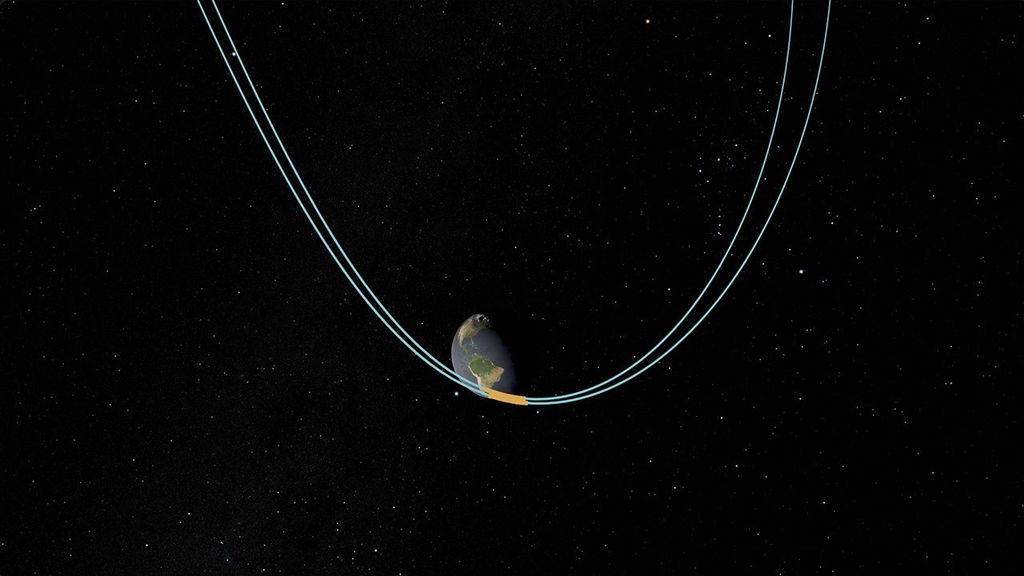
The Centaur’s main engine has completed its second and final burn, positioning the Solar Orbiter spacecraft for the transfer orbit it needs in order to head toward the Sun and begin its mission. Standing by for separation of Solar Orbiter from the vehicle in about three minutes. Following separation, the team will wait to hear …
The Centaur’s engine is firing once more in its second, and final, burn in tonight’s ascent. This is an approximately seven-minute burn.
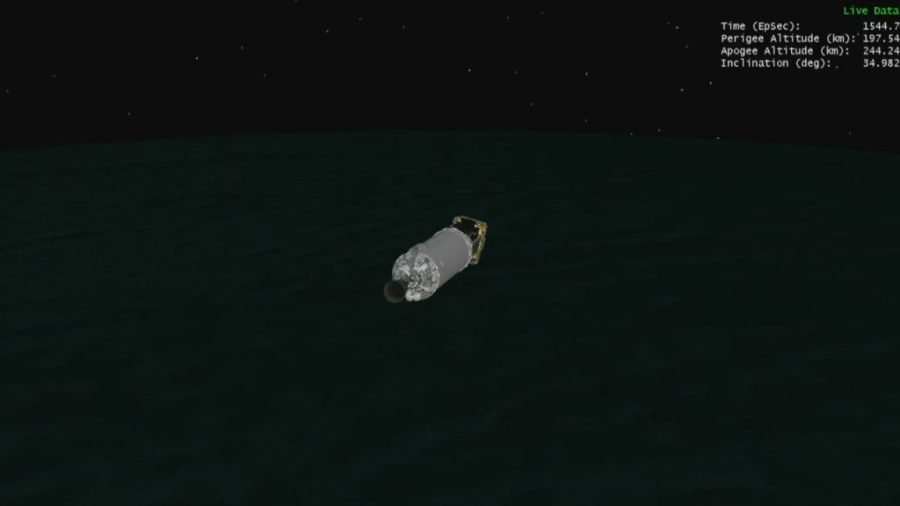
As the Centaur upper stage continues its coast phase, its onboard reaction control thrusters are firing periodically to keep propellants settled in the bottom of their tanks in anticipation of the start of the Centaur’s second and final burn.
The first burn of the Centaur upper stage is complete and the vehicle has entered a coast phase of about half an hour. At the conclusion of the coast phase, the Centaur’s engine will ignite again for an approximately seven-minute burn, followed by another short coast. Separation of the Solar Orbiter spacecraft from the Centaur …
The first of two burns for the Centaur upper stage is underway following burnout and separation of the Atlas booster. This is an approximately eight-minute burn. The payload fairing, having protected the spacecraft in the early minutes of flight, has separated and fallen away as planned.
The Atlas V’s single solid rocket booster has been jettisoned. The vehicle is performing as expected. The next major milestone is cutoff of the Atlas booster’s main engine.
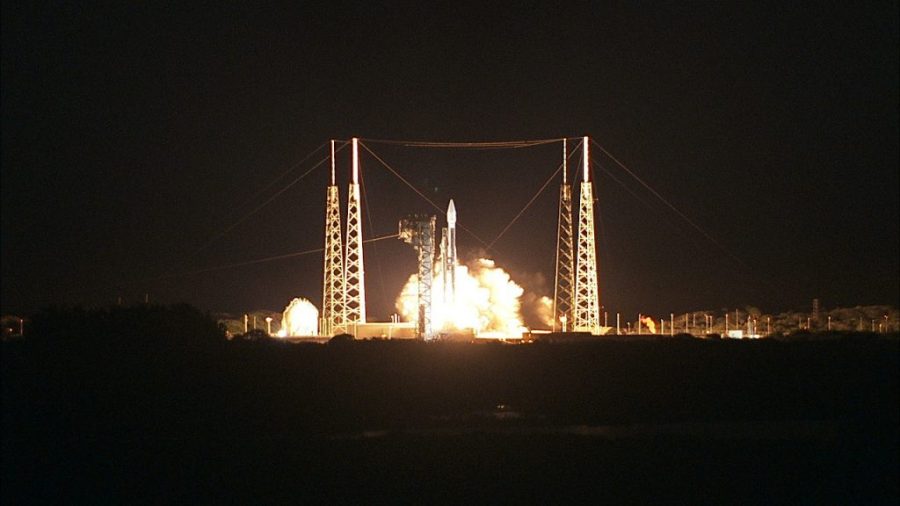
Liftoff! The Atlas V 411 rocket is quickly climbing away from Cape Canaveral Air Force Station in Florida, carrying the Solar Orbiter spacecraft on an international, collaborative mission to view the Sun like never before.