
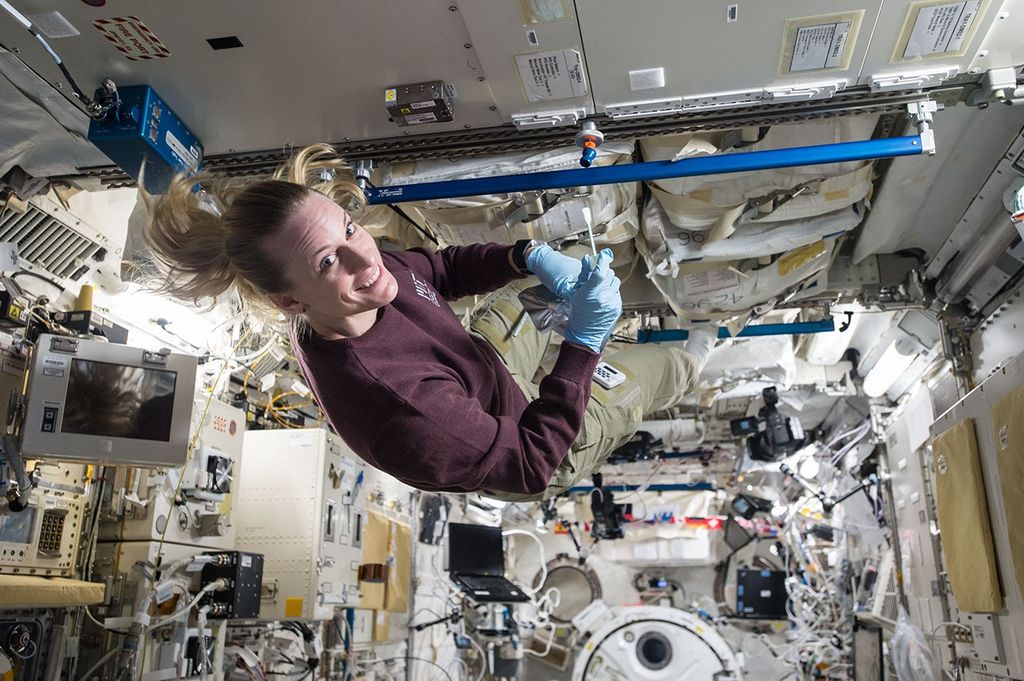







Payloads Astrobee: In preparation for the AstroPorter experiment later this week, the crew installed the perching arm assemblies to the Astrobee free fliers. AstroPorter is a suite of software that enables collaborative behavior between multiple robots in space, including algorithms for handling changes in mass properties of free-flying systems as they collaborate in the transport …
Botany and Biology During Break in Spacewalk Preps

The Expedition 65 crew set up a plant habitat and demonstrated a new ultrasound device amid a variety of other space research aboard the International Space Station today. Meanwhile, the cosmonauts took a break from spacewalk preparations and focused on maintenance. NASA and its international partners are studying how a variety of life forms from …
Weather 60% Percent Favorable for Saturday’s Launch

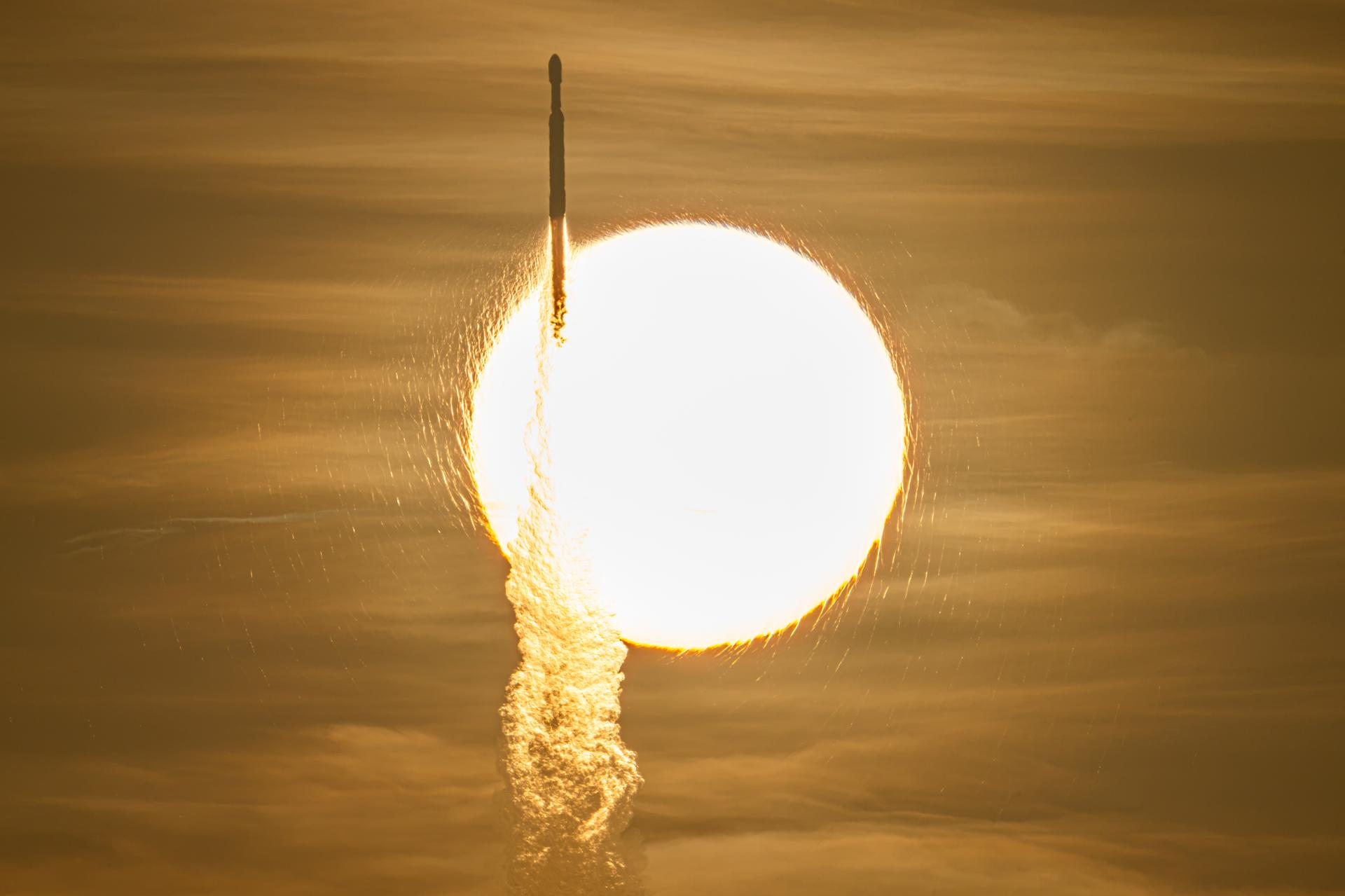
Weather officials with Cape Canaveral Space Force Station’s 45th Weather Squadron predict a 60% chance of favorable weather conditions for Saturday’s launch from the Space Coast, with the cumulus cloud rule and flight through precipitation serving as the primary weather concerns. NASA commercial cargo provider SpaceX is targeting Aug. 28, at 3:37 a.m. EDT, to launch …
ISS Daily Summary Report – 8/24/2021
Payloads Food Acceptability: Using the data collection tool on an available SSC, the crew completed their Food Acceptability surveys. This investigation seeks to determine the impact of repetitive consumption of food currently available from the spacefligght food system. Results will be used in developing strategies to improve food system composition to support crew health and …
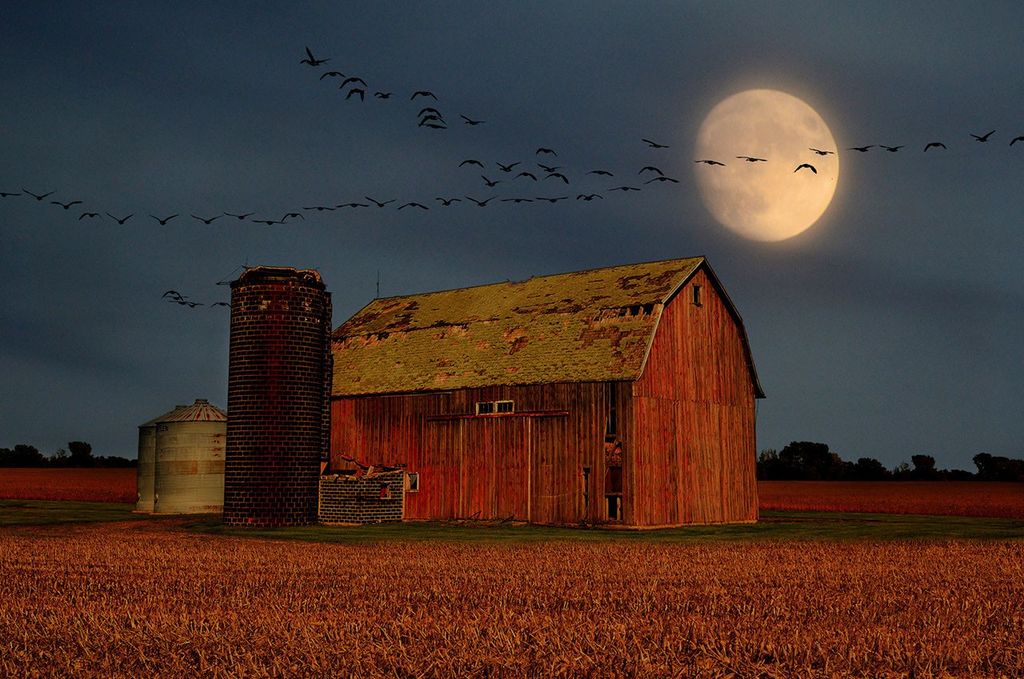
August Puzzler
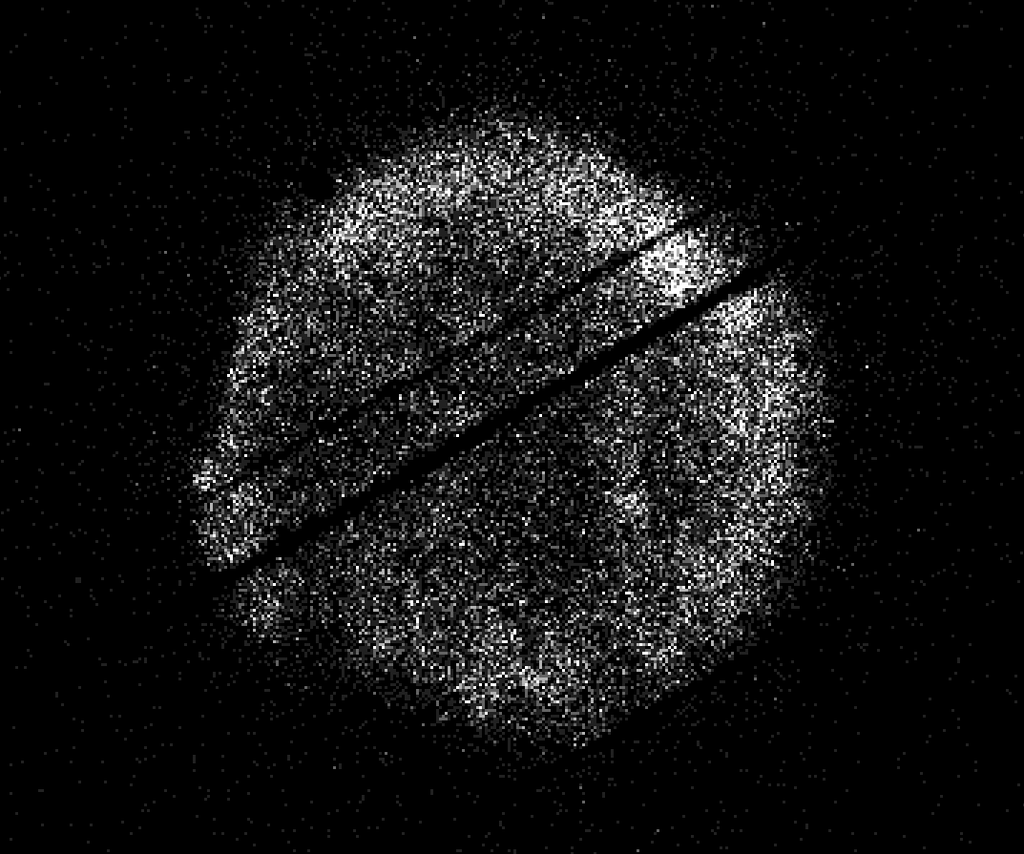
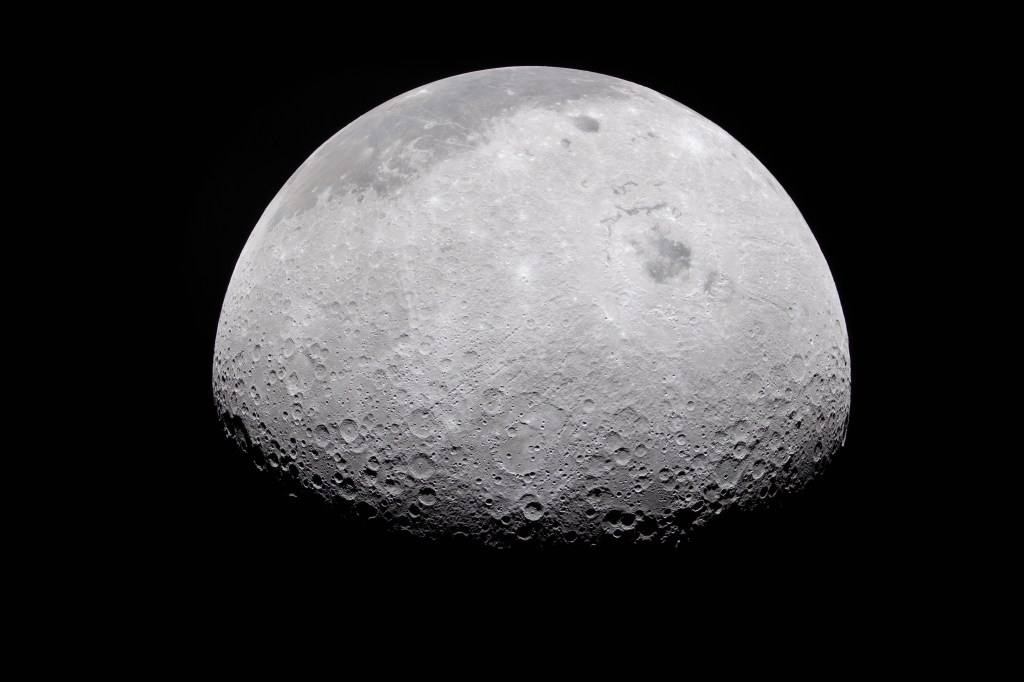
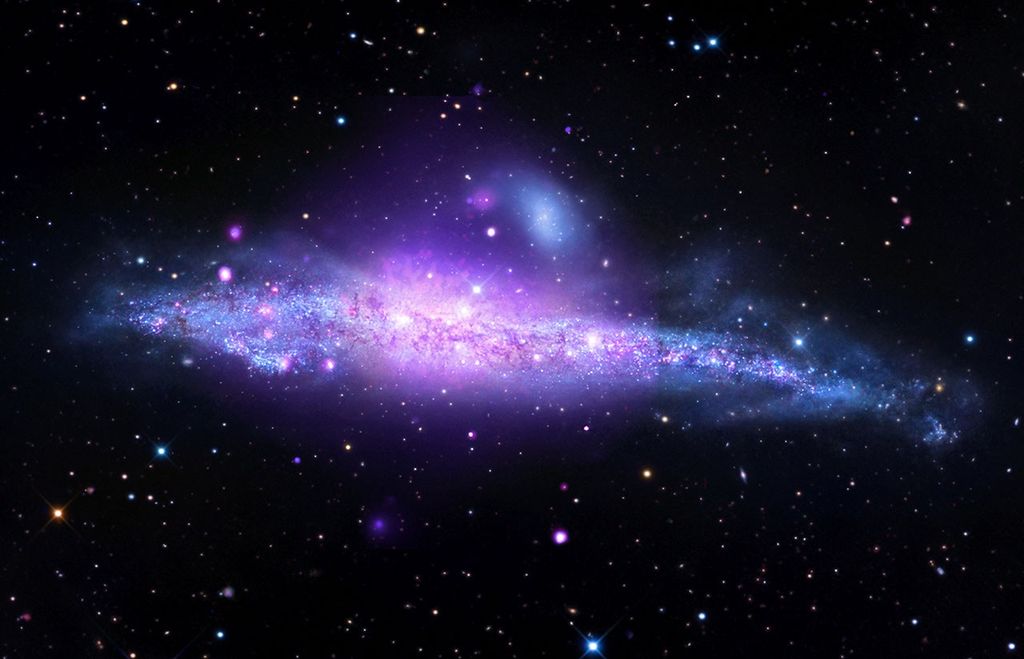
The August 2021 puzzler is out. Your challenge is to use the comments section to tell us what we are looking at, where it is, and why it is interesting.
Crew Gets Ready for Cargo Dragon and Russian Spacewalks

The Expedition 65 crew is turning its attention to this weekend’s arrival of a U.S. cargo craft and a pair of Russian spacewalks starting several days later. SpaceX is planning to launch its Cargo Dragon spacecraft to the International Space Station on Saturday at 3:37 a.m. EDT. It will arrive on Sunday and dock autonomously …
NASA Tests Ways to Reduce Stress in Plants Growing in Space
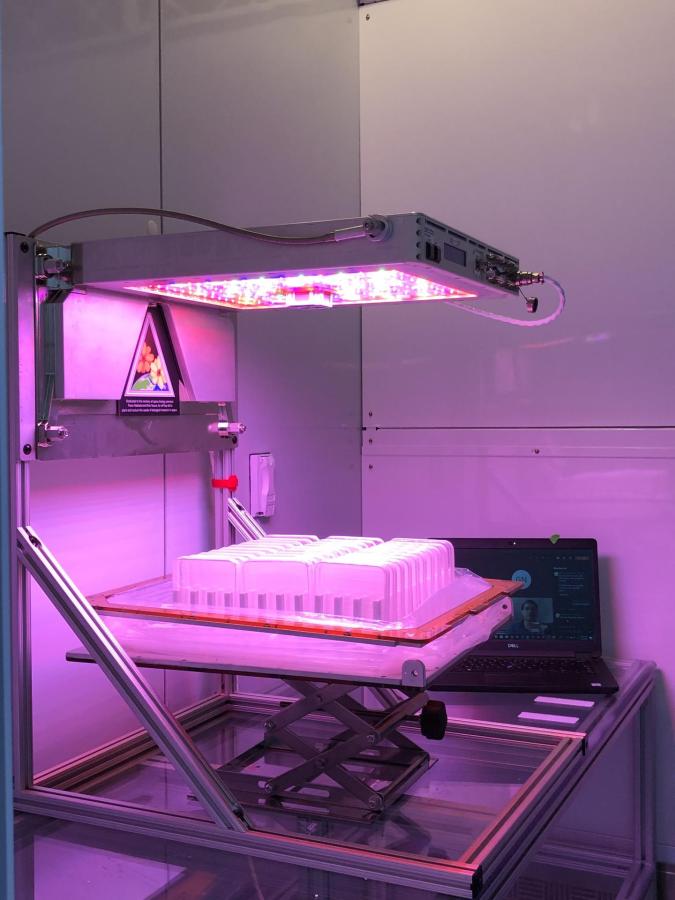
When astronauts embark on long-duration missions in the future, crews will grow food to supplement what they can bring with them. More than 20 years of continuously living and working in space aboard the International Space Station has provided many opportunities for crews and researchers to observe the challenges of growing plants in the stressful conditions of …
Orion Spacecraft Goes ‘Shields Up’ for Artemis I
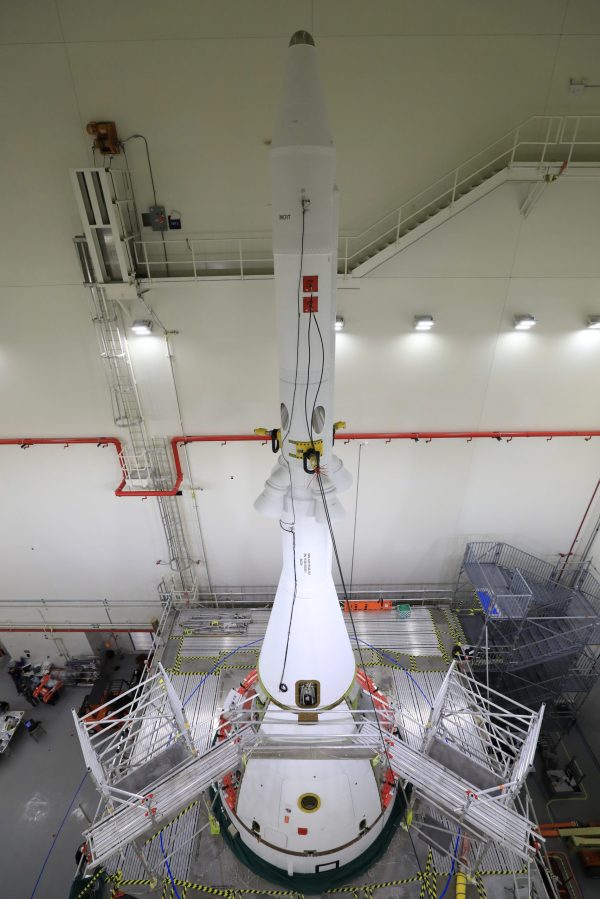
Teams at NASA’s Kennedy Space Center in Florida are putting the final touches on the Orion spacecraft for the Artemis I mission by connecting the ogive fairings for the launch abort system (LAS) assembly. Pronounced oh-jive, the ogive fairings consist of four protective panels, and their installation will complete the LAS assembly. Technicians and engineers …
ISS Daily Summary Report – 8/23/2021
Payloads Combustion Integrated Rack/Advanced Combustion via Microgravity Experiments/Cool Flames Investigation with Gasses (CIR/ACME/CFI-G): A crewmember exchanged a used 100% propane bottle with a new bottle of the same composition. Cool diffusion flames were discovered during droplet combustion experiments aboard the ISS in 2012, and this initiated a rapidly growing field of combustion research. A cool …
Spacewalk is Postponed
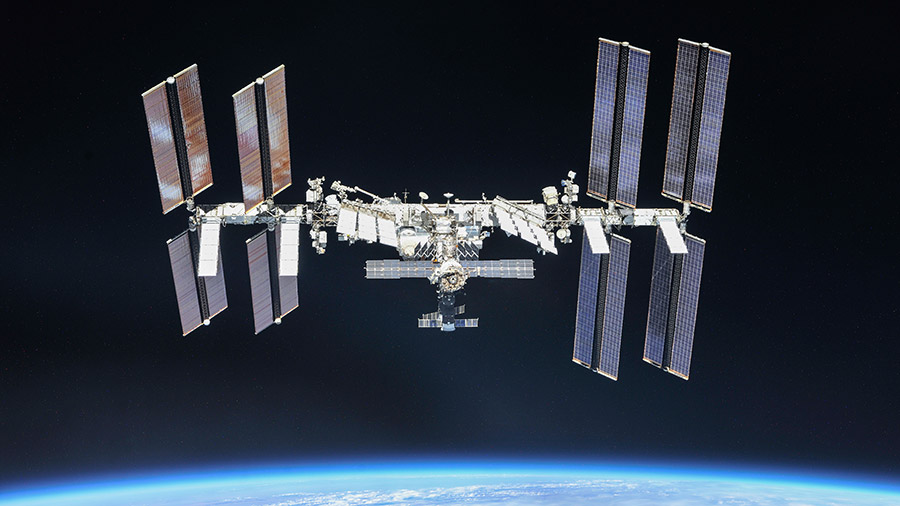
The U.S. spacewalk outside the International Space Station originally planned for Tuesday, Aug. 24 with NASA astronaut Mark Vande Hei and JAXA (Japan Aerospace Exploration Agency) astronaut Akihiko Hoshide has been postponed due to a minor medical issue involving Vande Hei. This issue is not a medical emergency. The spacewalk is not time-sensitive and crew …