

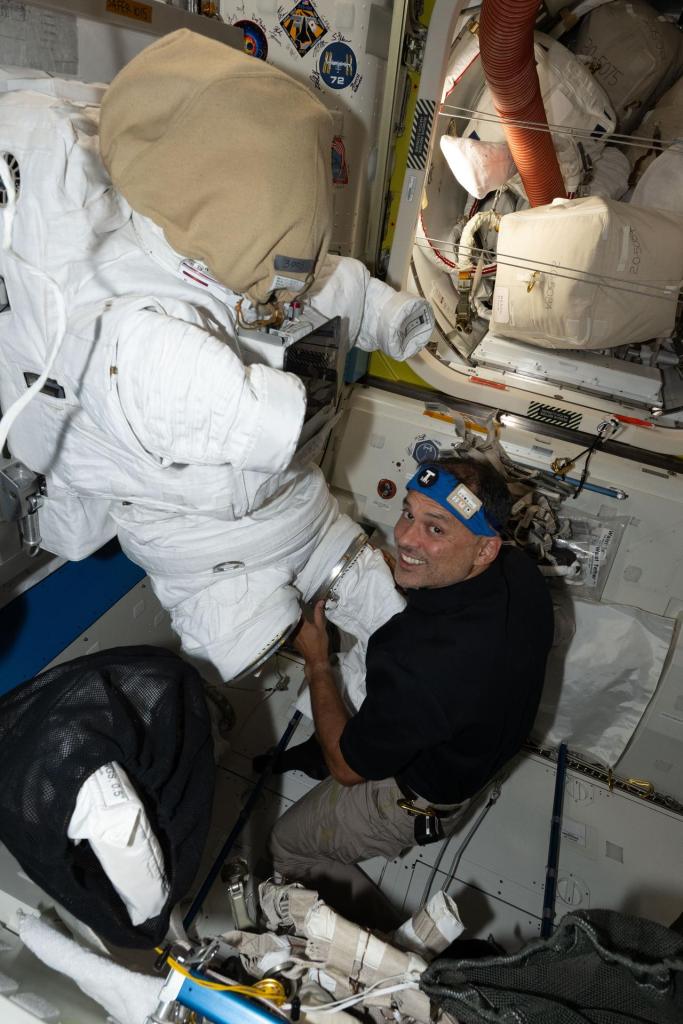








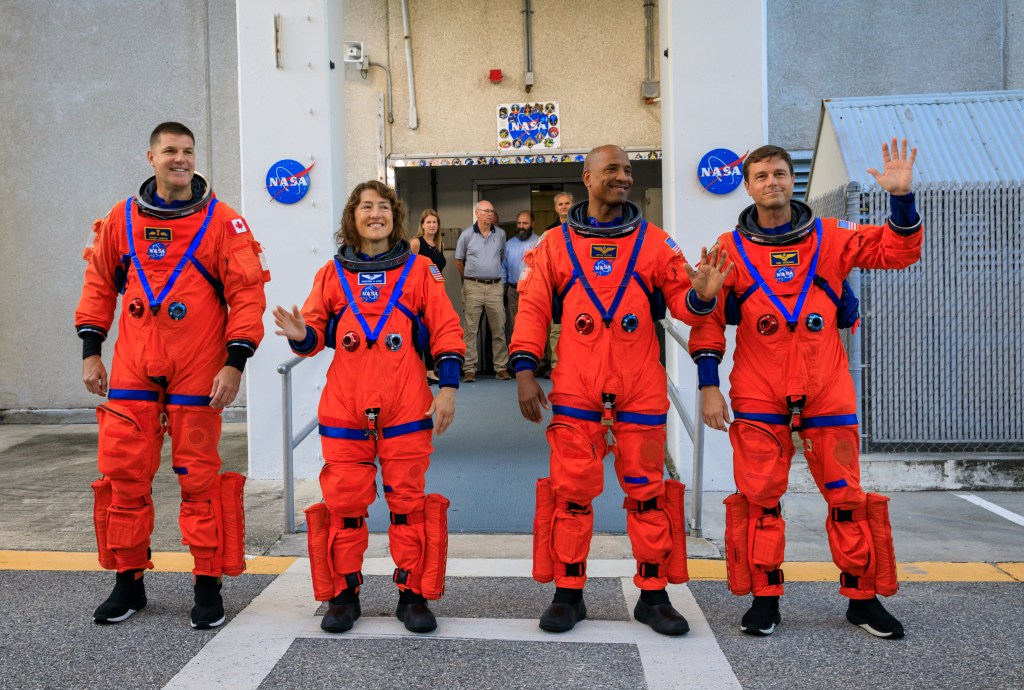
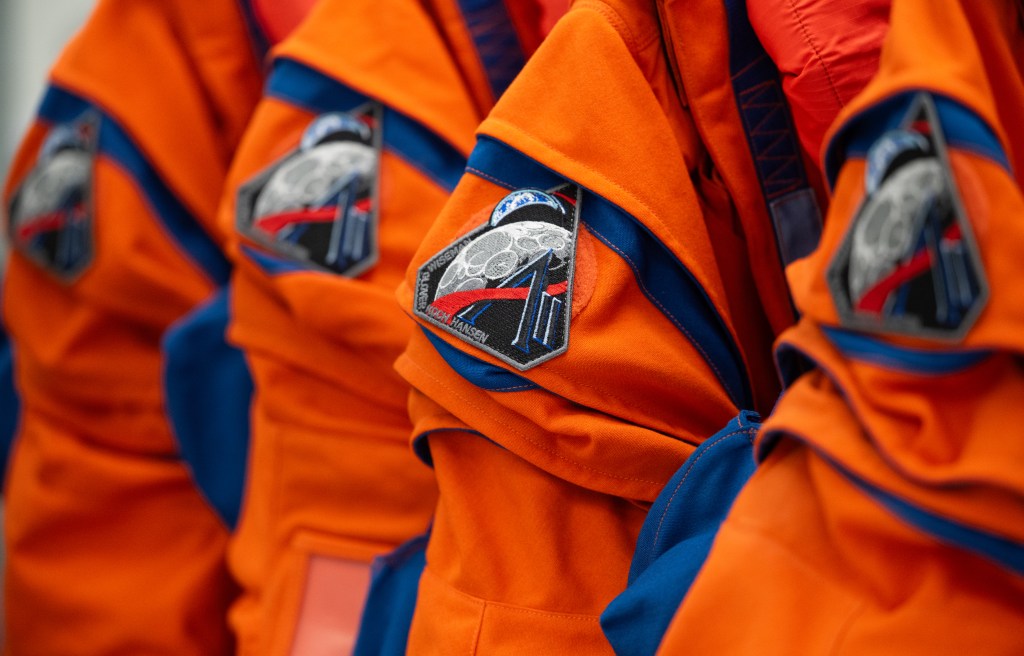

Payloads: Bio-Monitor: The Garment Data Unit was connected to the Bio-Monitor Controller to transfer the data for downlink. The garment and headband were then doffed and hung out to dry. Bio-Monitor is a Canadian onboard instrument that serves as a platform for scientific experiments on the ISS. The instrument performs on-orbit monitoring of crew member …
New Visitors Adapt to Station During Space Biology, Physics Research

Three individuals are adapting to life aboard the International Space Station following Tuesday’s launch and docking aboard a Russian crew ship. The seven-member Expedition 66 crew is back on science duty today while helping the new space travelers get up to speed with station systems and safety procedures. 10 people are living on the orbiting …
Webb’s Mid-Infrared Instrument Is Ready for Launch
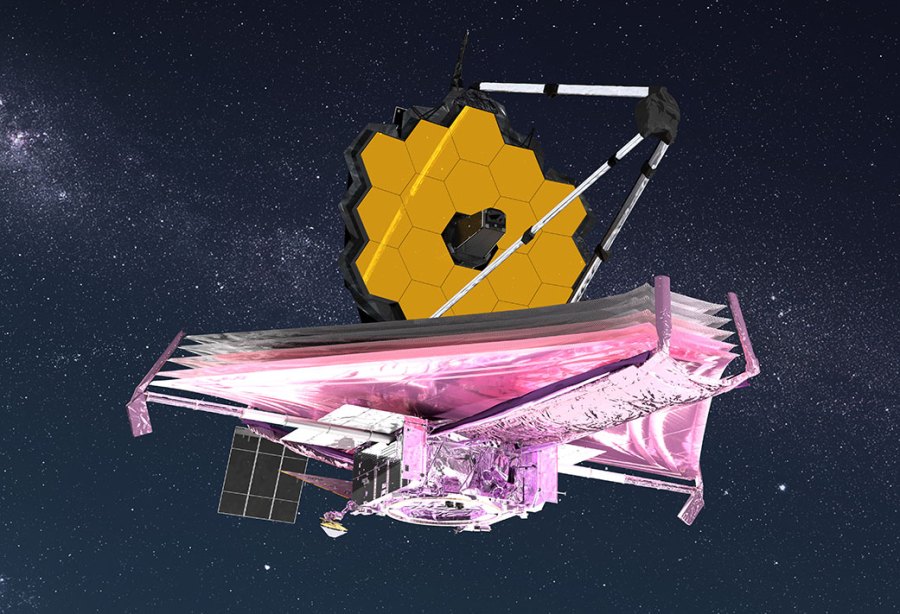
Two weeks until launch! Things are moving forward in Kourou, and so we check in with the two leads (one from the U.S., one from the U.K.) of the final instrument in Webb’s suite: “Webb’s Mid-Infrared Instrument (MIRI) is special – in the wavelengths it covers, the science that enables, its technology challenges, and in …
Webb Moved to Meet its Rocket

On Dec. 7, NASA’s James Webb Space Telescope was transferred to the final assembly building at Europe’s Spaceport in French Guiana to meet its Ariane 5 launch vehicle. Stowed inside a special transport container and mobile clean room, Webb’s vitals were meticulously monitored throughout the entire process of moving between buildings. The Ariane 5 rocket Webb will ride to space was moved to the …
NASA’s IXPE Journeys to Explore the Universe

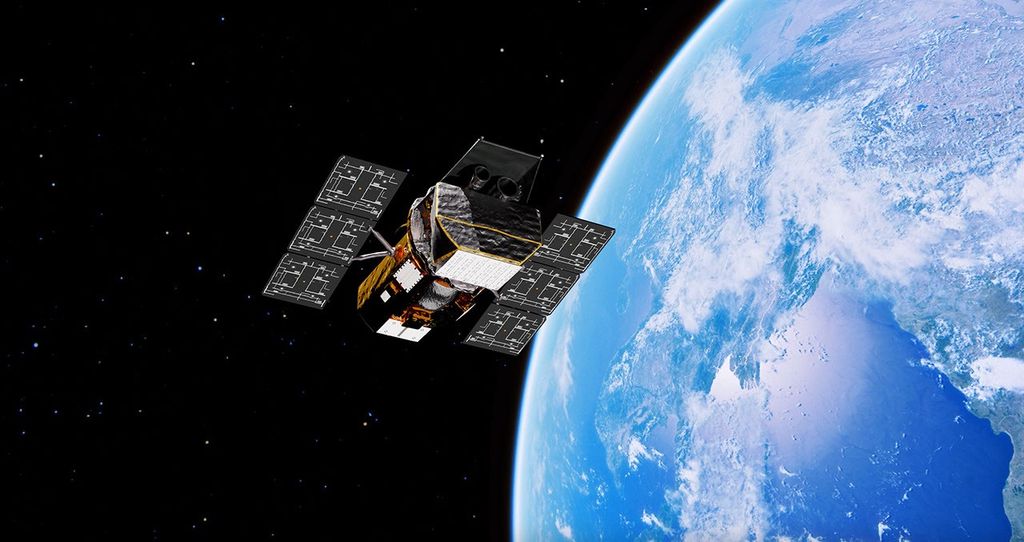
NASA’s Imaging X-Ray Polarimetry Explorer (IXPE) mission launched at 1 a.m. EST Thursday on a SpaceX Falcon 9 rocket from NASA’s Kennedy Space Center in Florida. A joint effort with the Italian Space Agency, the IXPE observatory is NASA’s first mission dedicated to measuring the polarization of X-rays from the most extreme and mysterious objects …
IXPE Teams Communicating with NASA Spacecraft
We have signal acquisition, meaning teams are now communicating with NASA’s Imaging X-Ray Polarimetry Explorer (IXPE) spacecraft, as it embarks on its two-year journey to study changes in the polarization of X-ray light through some of the universe’s most extreme sources, including black holes, dead stars known as pulsars, and more. “Everything has gone smoothly; …
Falcon 9 Second Stage Separates from IXPE Spacecraft

NASA’s Imaging X-Ray Polarimetry Explorer (IXPE) spacecraft just reached a major milestone as it successfully separated from the second stage of SpaceX’s Falcon 9 rocket. IXPE will now continue on its journey to study changes in the polarization of X-ray light through some of the universe’s most extreme sources, including black holes, dead stars known …
Second Engine Cuts Off
We have successful second engine cutoff (SECO) for NASA’s Imaging X-Ray Polarimetry Explorer (IXPE) spacecraft.
Successful Landing for Falcon 9 First Stage
SpaceX’s Falcon 9 rocket’s first stage completed a perfect landing, touching down on the company’s “Just Read the Directions” drone ship in the Atlantic Ocean off of the Florida coast. Coming up next will be second engine cutoff, or SECO .
Main Engine Cuts off, Falcon 9 First Stage Separates

The Falcon 9 rocket’s nine Merlin engines have finished their burn for main engine cutoff (MECO), and the first stage has separated from the rocket. As the second stage continues carrying IXPE on its flight, the rocket’s first stage will attempt a targeted landing on SpaceX’s drone ship “Just Read the Directions.” That’s coming up …