







Suggested Searches

Blogs

  • Astronauts Relax After Busy Week, Cosmonauts Research Space Exercise
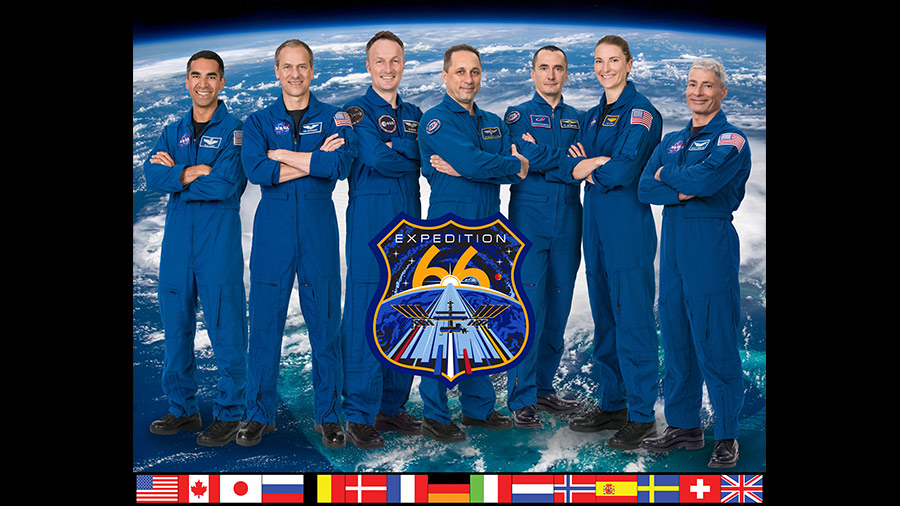
    The official portrait of the seven-member Expedition 66 crew. From left are, NASA astronauts Raja Chari and Thomas Marshburn; ESA (European Space Agency) astronaut Matthias Maurer; Roscosmos cosmonauts Anton Shkaplerov and Pyotr Dubrov; and NASA astronauts Kayla Barron and Mark Vande Hei.

    Five Expedition 66 astronauts had the day off on Friday while the two cosmonauts focused on human research and maintenance aboard the International Space Station. The orbiting lab’s four NASA astronauts and one ESA (European Space Agency) astronaut relaxed at the end of the week following several days of life science and physics research. Off-duty …

  • ISS Daily Summary Report – 2/03/2022

    Payloads: Cell Biology Experiment Facility (CBEF-L): The Plant Experiment Unit (PEU) was detached from the CBEF-L Incubator Unit. CBEF-L is a Japan Aerospace Exploration Agency (JAXA) new subrack facility, which is an upgraded facility of the original CBEF currently aboard the ISS. CBEF-L provides new capabilities with additional new resources such as Full High-Definition video …

  • Photons Incoming: Webb Team Begins Aligning the Telescope

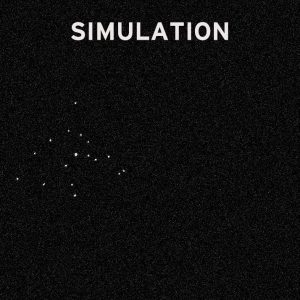
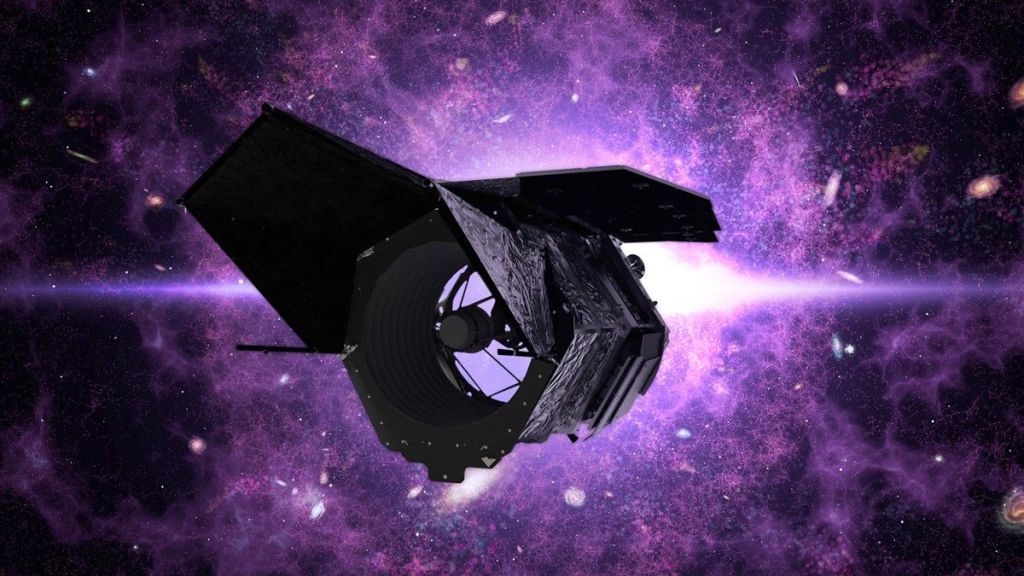
    This week, the three-month process of aligning the telescope began – and over the last day, Webb team members saw the first photons of starlight that traveled through the entire telescope and were detected by the Near Infrared Camera (NIRCam) instrument. This milestone marks the first of many steps to capture images that are at …

  • Astronaut Hits 300 Days in Space, On Way to Break NASA Record

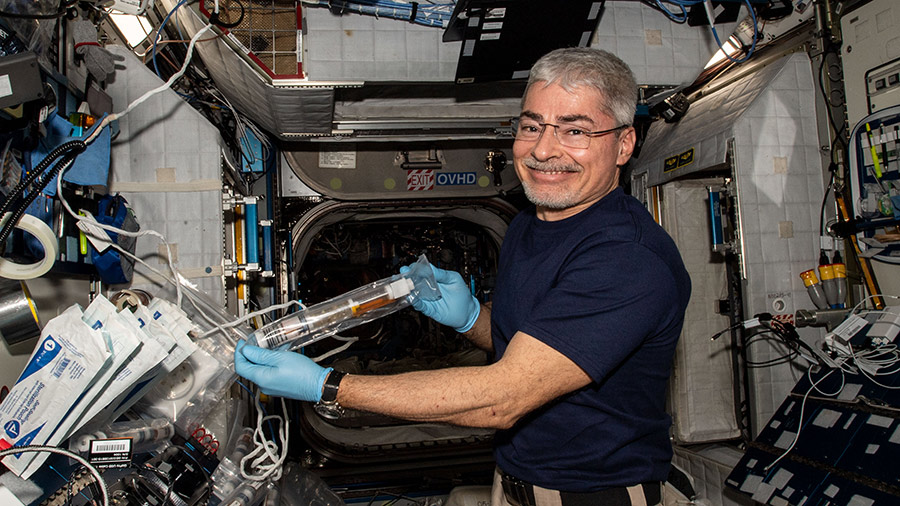
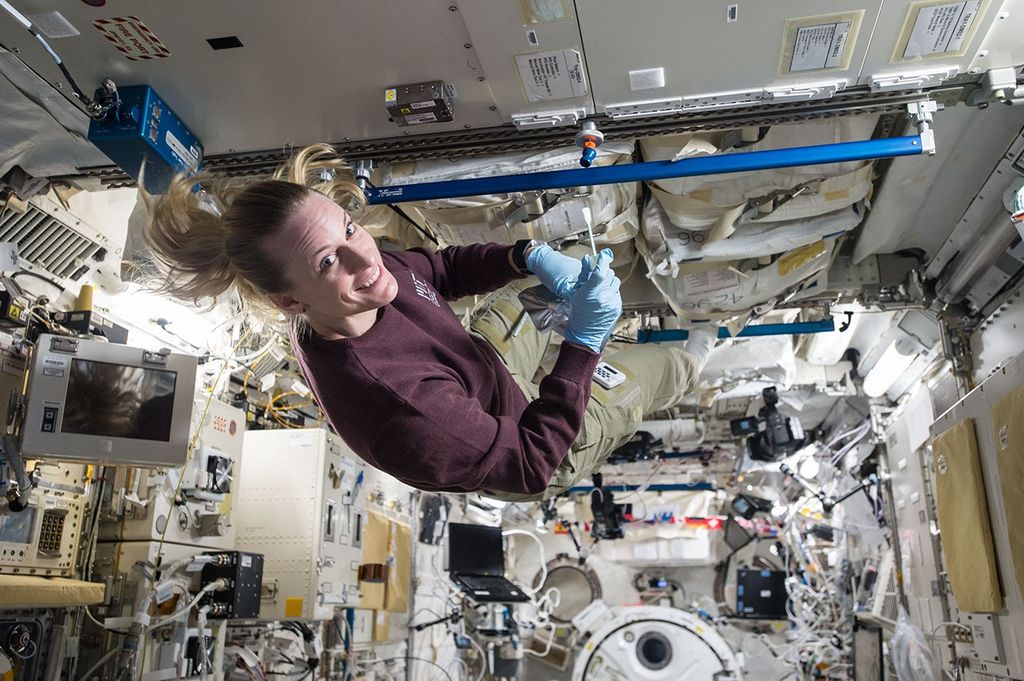
    NASA astronaut Mark Vande Hei is studies cotton genetics for the Plant Habitat-5 space agriculture experiment.

    NASA astronaut Mark Vande Hei has lived in space continuously for 300 days since launching and docking to the orbiting lab on April 9, 2021. He is on his way to surpassing Christina Koch’s 328-day mission on March 3 and Scott Kelly’s 340 days on March 15. Vande Hei will return to Earth on March …

  • ISS Daily Summary Report – 2/02/2022

    Payloads: Actiwatch Plus:  Four Actiwatch Plus devices were connected to the HRF Payload Drawer on HRF Rack 1 for charging and data download.  The Actiwatch is a waterproof, nonintrusive, sleep-wake activity monitor worn on the wrist of a crewmember. The device contains a miniature uniaxial accelerometer that produces a signal as the subject moves. The …

  • Health, Robotics and Construction Research on Station Today

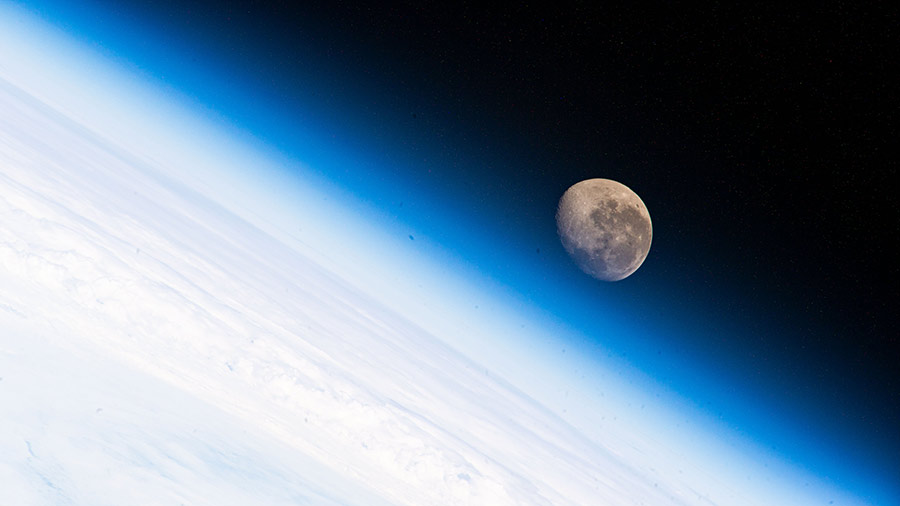
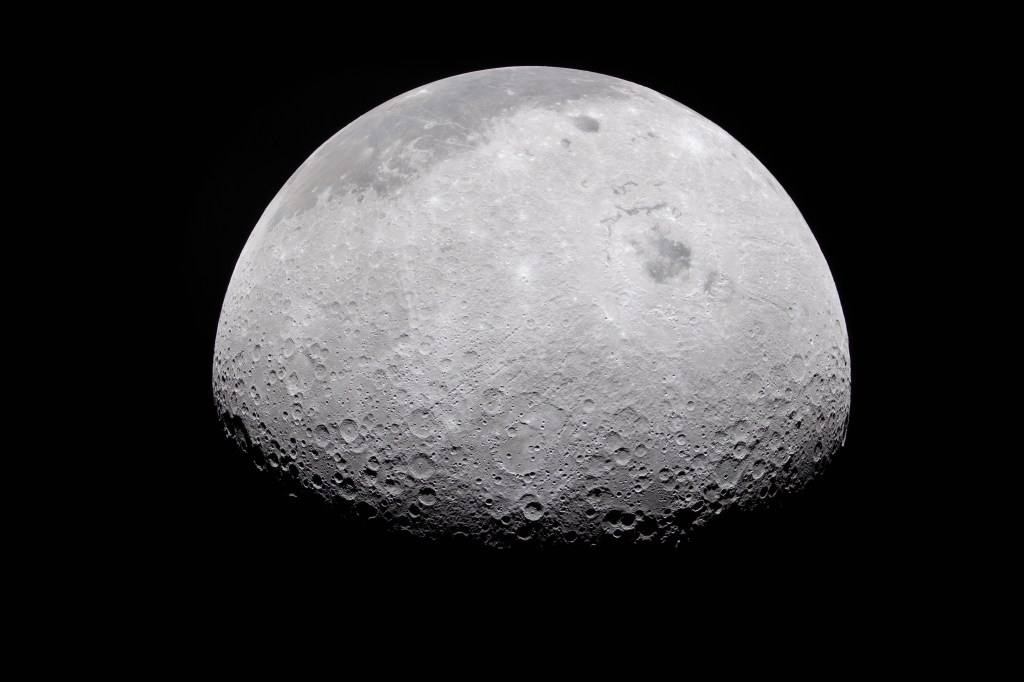
    The waning gibbous Moon is pictured above the Earth's horizon from the International Space Station.

    Life science, robotics and space construction kept the Expedition 66 crew busy aboard the International Space Station on Wednesday. The orbital residents also worked on spacesuits and inspected a Russian module. Eye checks continued on the orbiting lab with NASA astronaut Thomas Marshburn taking charge as crew medical officer during the afternoon. The three-time station …

  • Mission (almost) Impossible: SHARC

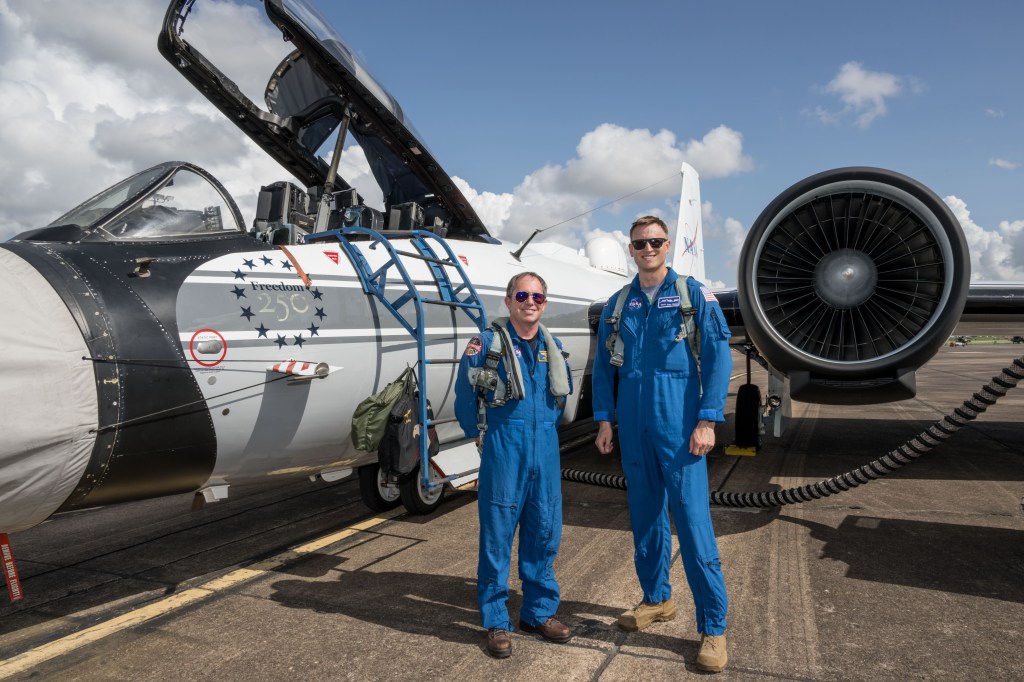
    By Katrina Wesencraft As project manager for NASA’s Scientifically Calibrated In-flight Imagery (SCIFLI) group, Dr. Jennifer Inman is used to managing complicated logistics and solving problems ahead of her team’s deployments. Someone needs a new laptop? No problem. A research plane needs new window panels? OK! The SCIFLI team – which specializes in in-flight imaging …

  • Artemis I Update

    Mobile Launcher outside the Vehicle Assembly Building.

    NASA has updated the schedule to move the combined Space Launch System rocket and Orion spacecraft out of the Vehicle Assembly Building (VAB) to Launch Pad 39B at the agency’s Kennedy Space Center in Florida for testing to no earlier than March 2022. NASA has added additional time to complete closeout activities inside the VAB …

  • ISS Daily Summary Report – 2/01/2022

    Payloads: BioNutrients:  A crewmember gathered BioNutrients hardware in preparation for upcoming operations.  BioNutrients demonstrates a technology that enables on-demand production of human nutrients during long-duration space missions. The process uses engineered microbes, like yeast, to generate carotenoids from an edible media to supplement potential vitamin losses from food that is stored for very long periods. …

  • Crew Has Health Checks, Studies Construction on Planets

    Spine scans and eye checks filled a portion of the Expedition 66 crew’s day while also preparing for CubeSat deployments and studying space construction techniques. The astronauts and cosmonauts also worked on U.S. spacesuits and inspected Russian modules aboard the International Space Station. Medical checkups are a regular occurrence on the orbiting lab as scientists …