






Payloads: Astrobee/Smartphone Video Guidance Sensor (SVGS): Following the installation of the SVGS LED targets, an SVGS science session was performed. SVGS demonstrates the use of a photogrammetric vision-based technology for guidance, navigation, and control of a small spacecraft. Developed by NASA, the vision-based sensor computes the position and orientation vector of a target relative to …
Solar Flares FAQs

Have questions about solar flares? Find answers here! What is a solar flare? A solar flare is an intense burst of radiation, or light, on the Sun. Flares are our solar system’s most powerful explosive events – the most powerful flares have the energy equivalent of a billion hydrogen bombs, enough energy to power the …
BEAM Work, Space Gardening, Free-Flying Robots End Crew Week

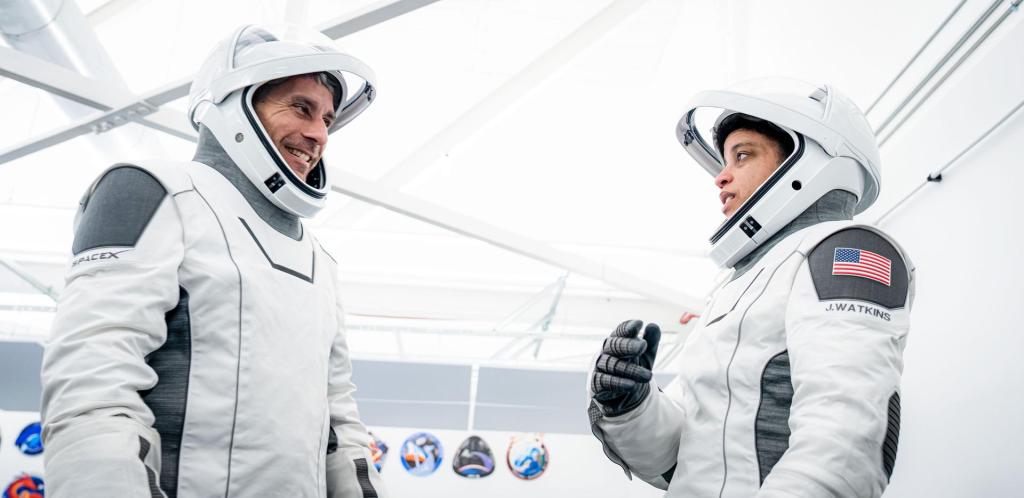
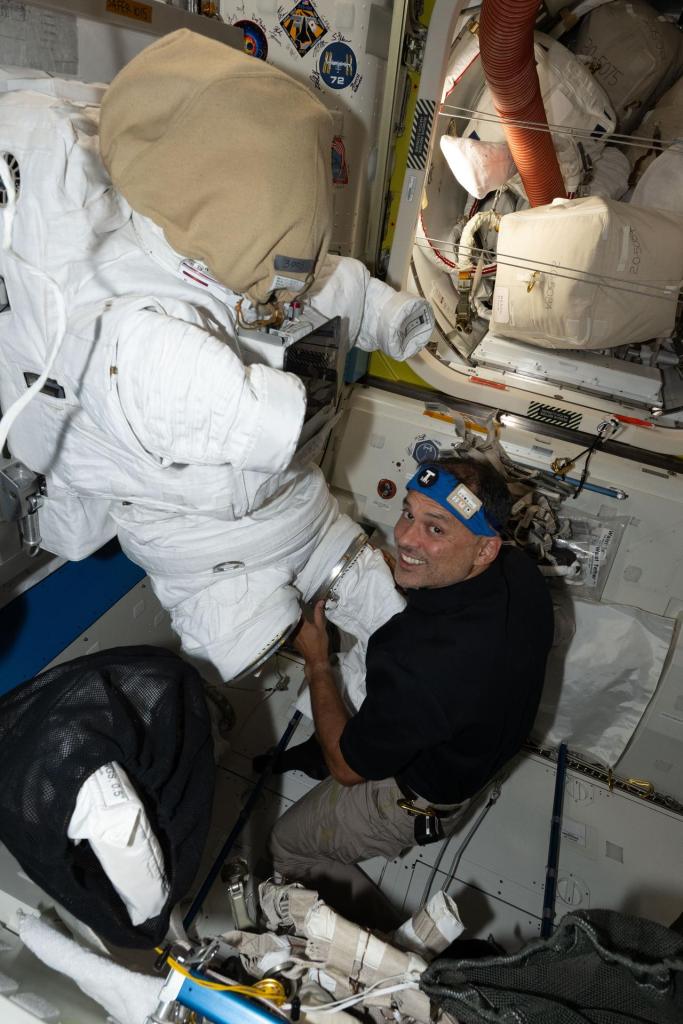
The Expedition 67 crew opened up BEAM, the International Space Station’s expandable module, today and conducted sensor checks and organized hardware. The orbital residents also continued their space botany and automated robotics research as well as ongoing cargo operations. NASA Flight Engineers Jessica Watkins and Bob Hines partnered together inside the BEAM module today for …
ISS Daily Summary Report – 6/09/2022
Payloads: Astrorad Vest: The AstroRad Vest was worn overnight, doffed, and a questionnaire filled out to give feedback on the session. Comfort and Human Factors AstroRad Radiation Garment Evaluation (CHARGE) tests a special vest designed to protect astronauts from radiation caused by unpredictable Solar Particle Events (SPEs). Astronauts provide input on the garment as they …
Scheduling Webb’s Science
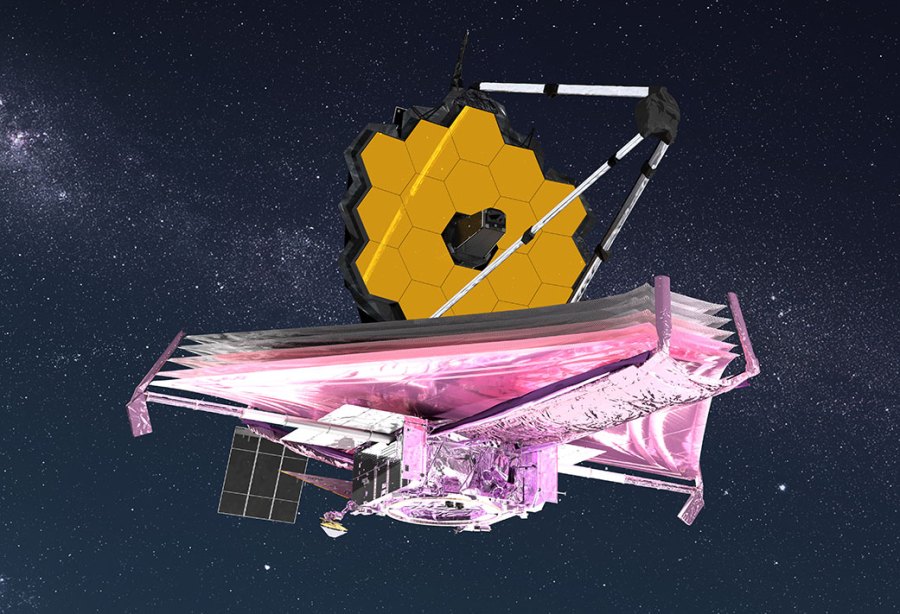
In the lead-up to the release of Webb’s first full-color images and spectroscopic data on July 12, the Webb team is now in the last phase of commissioning the science instruments. The first two instrument modes, NIRCam imaging and NIRISS imaging, have been declared ready for science; watch the “Where is Webb” page as the team …
Crew Works on Space Biology Gear, Practices Emergency Drill

The Expedition 67 crew spent Thursday servicing a variety of advanced space biology and human research hardware to learn how different organisms adapt to long-term microgravity. NASA Flight Engineer Kjell Lindgren kicked off Thursday morning swapping centrifuges inside the Kibo laboratory module’s Cell Biology Experiment Facility (CBEF). The CBEF is an incubator that can house …
Astra Sets Launch Date for TROPICS
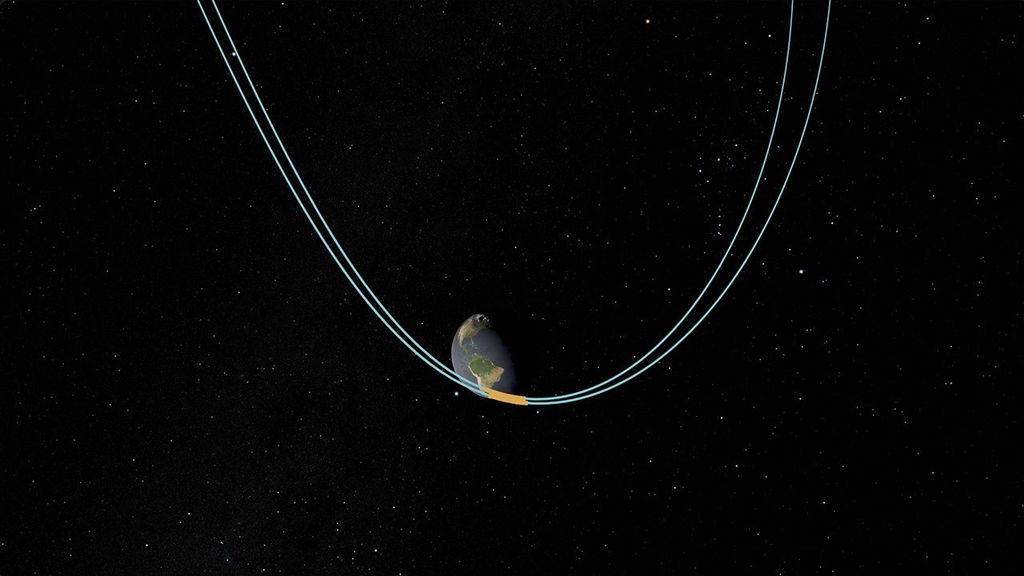
Astra Space Inc. is targeting no earlier than June 12, pending issuance of a launch license from the Federal Aviation Administration, for the first launch of NASA’s Time-Resolved Observations of Precipitation structure and storm Intensity with a Constellation of Smallsats (TROPICS), a constellation of six CubeSats. Two CubeSats, each about the size of a loaf …
CAPSTONE Mission Launch No Longer Targeting June 13
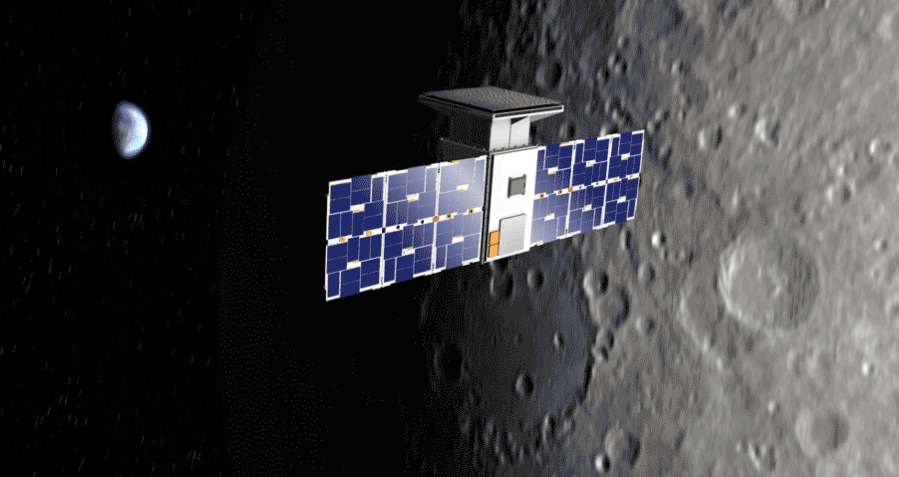
NASA, Rocket Lab, and Advanced Space are no longer targeting June 13 for the launch of the Cislunar Autonomous Positioning System Technology Operations and Navigation Experiment, or CAPSTONE, mission to the Moon. Flight software is being updated. A revised schedule will be provided as soon as possible. Since arriving in New Zealand, CAPSTONE was successfully …
ISS Daily Summary Report – 6/08/2022
Payloads: Astrobee: The JEM was prepared for the Integrated System for Autonomous and Adaptive Caretaking (ISAAC 9) crew-minimal activity later in the week. In this activity, JPM lighting was adjusted as appropriate, the Astrobee dock was power-cycled, Astrobee free-fliers were powered on, and software was updated. Astrobee is made up of three free-flying, cube-shaped robots …
Webb: Engineered to Endure Micrometeoroid Impacts
Micrometeoroid strikes are an unavoidable aspect of operating any spacecraft, which routinely sustain many impacts over the course of long and productive science missions in space. Between May 23 and 25, NASA’s James Webb Space Telescope sustained an impact to one of its primary mirror segments. After initial assessments, the team found the telescope is …