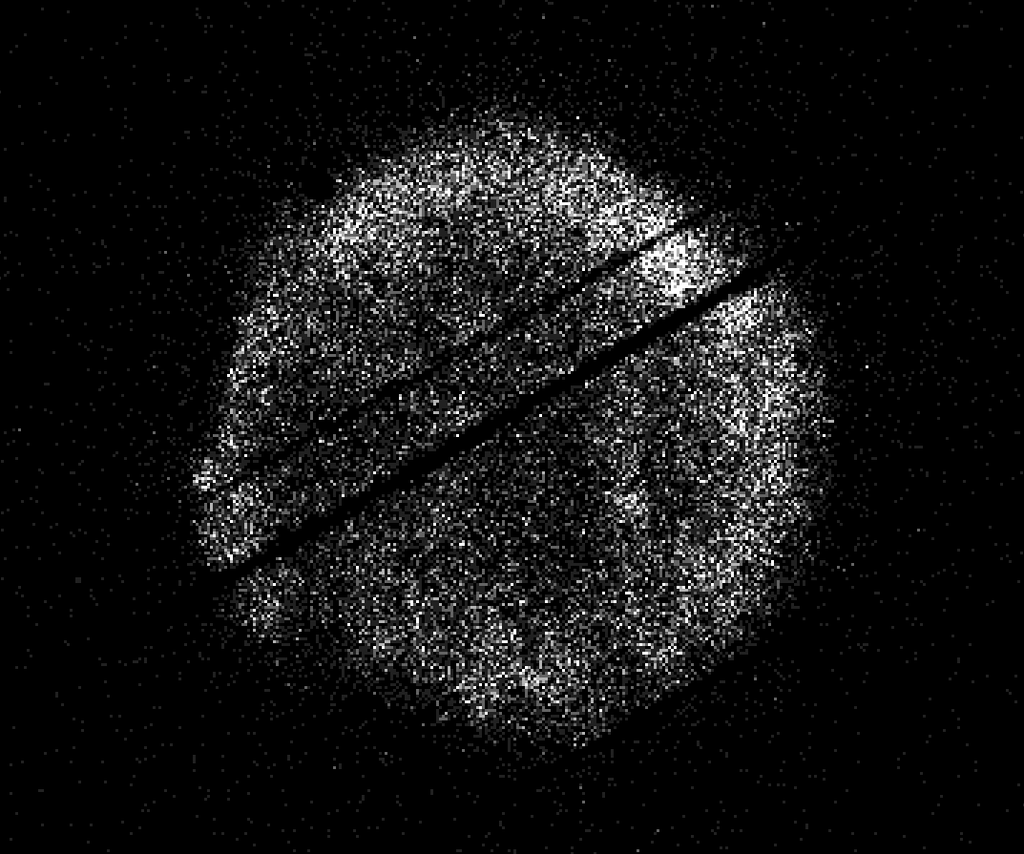






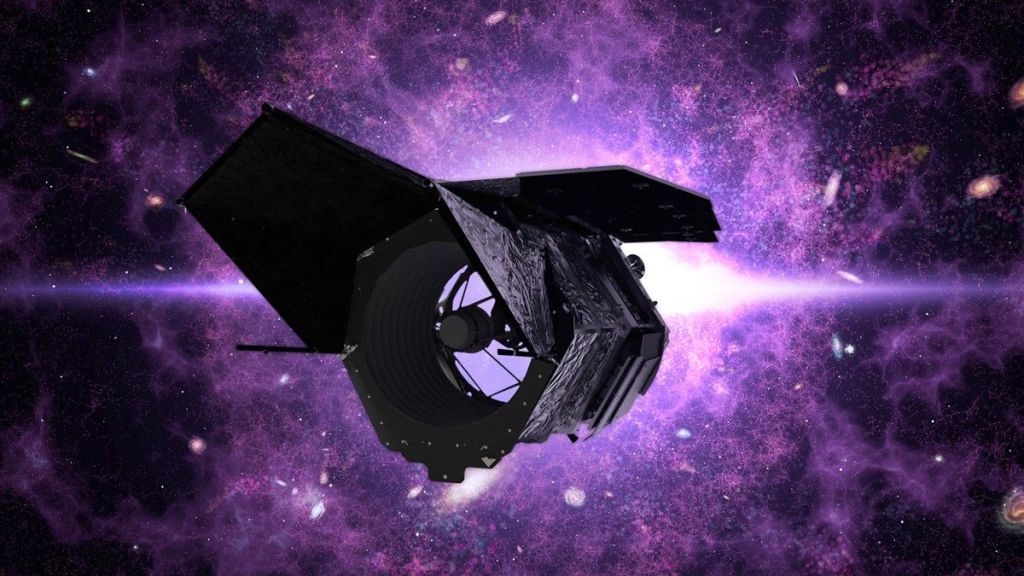




As NASA’s Parker Solar Probe completes its latest swing around the Sun, it’s doing so in full view of dozens of other spacecraft and ground-based telescopes.
Telescopes Trained on Parker Solar Probe’s Latest Pass Around the Sun


As NASA’s Parker Solar Probe completes its latest swing around the Sun, it’s doing so in full view of dozens of other spacecraft and ground-based telescopes.

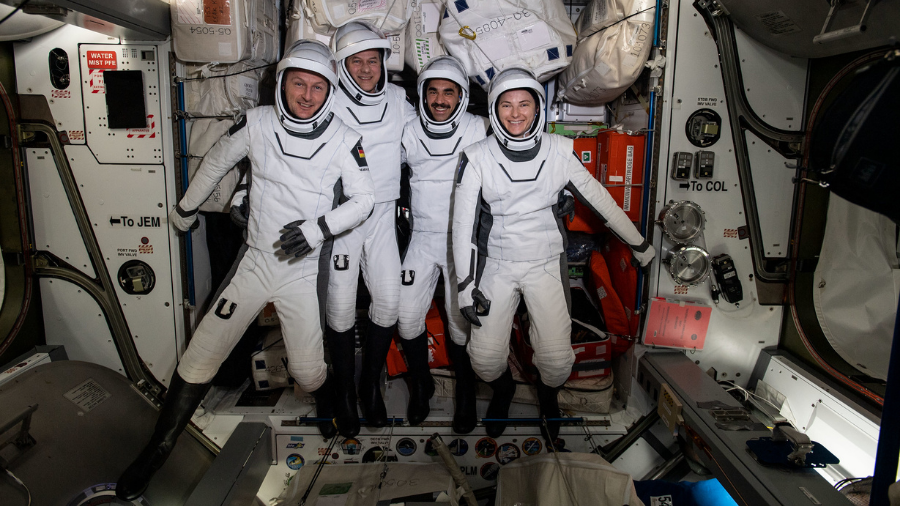
Media accreditation is now open for SpaceX’s fourth commercial crew mission for NASA to the International Space Station. The earliest targeted launch date for the agency’s SpaceX Crew-4 mission is Friday, April 15, from Launch Complex 39A at NASA’s Kennedy Space Center in Florida. Media prelaunch and launch activities will take place at Kennedy. Media …

The Artemis I Moon rocket is getting closer to rolling out of the Vehicle Assembly Building (VAB) at NASA’s Kennedy Space Center in Florida for the first time. The first two of 20 platforms surrounding the Space Launch System (SLS) and Orion spacecraft that allow work on the integrated system inside the building were retracted …
Payloads: Electro-static Levitation Furnace (ELF): Tools and materials were gathered, and specific harnesses were disconnected from the Electro-magnetic Laboratory (EML) modules in preparation for Gas Circulation pump removal and replace. The EML is a multi-user facility is designed for containerless materials processing in space. It supports research in the areas of meta-stable states and phases, …

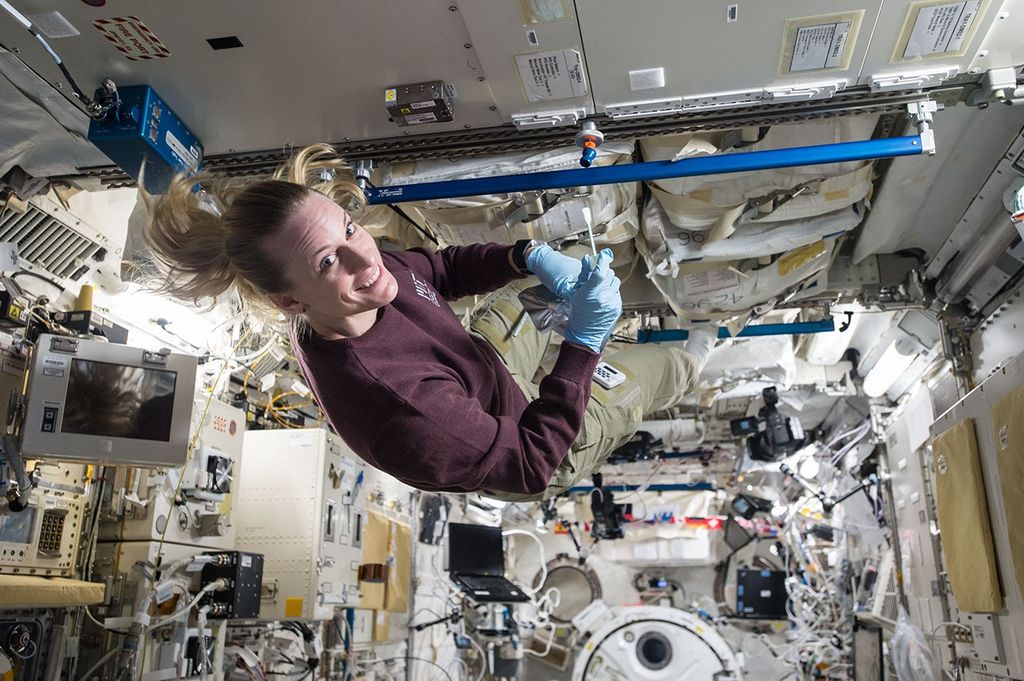
The seven-member Expedition 66 crew juggled a variety of science experiments on Wednesday including space physics and human research. Four International Space Station astronauts also reviewed procedures for a pair of spacewalks set to begin in less than two weeks. A new experiment on the space station is using artificial intelligence to help process complex …

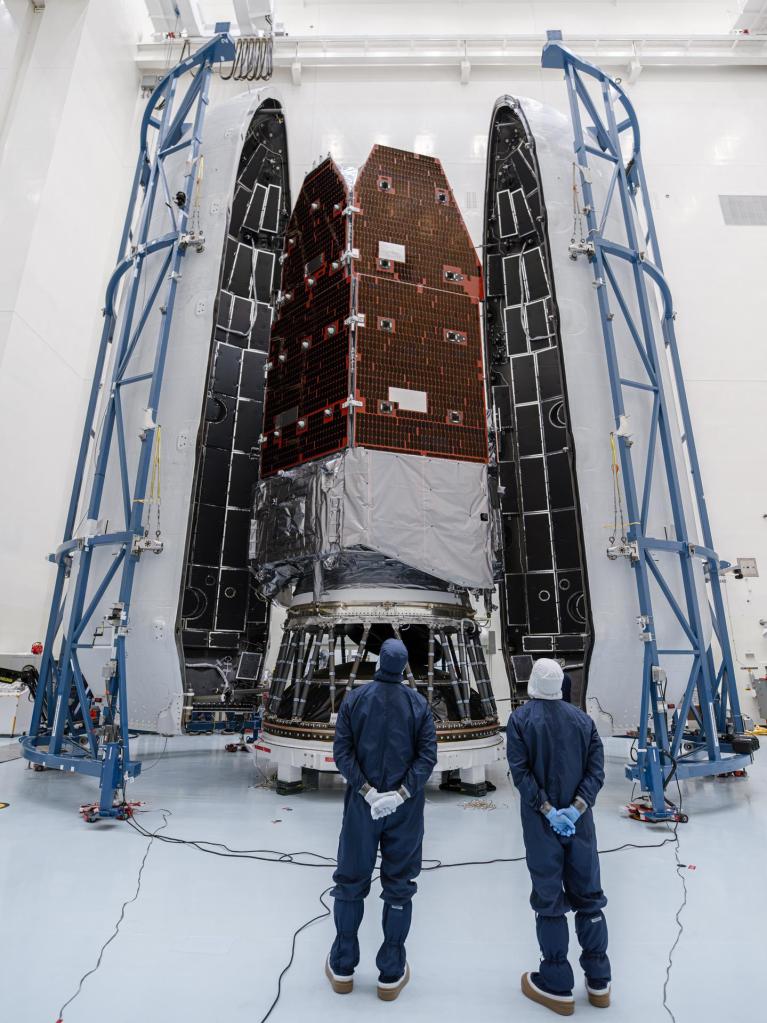
Following completion of a third planned start and then cutoff of the United Launch Alliance Atlas V 541 Centaur main engine, the National Oceanic and Atmospheric Administration’s (NOAA) Geostationary Operational Environmental Satellite-T (GOES-T) satellite separated from the spacecraft and is continuing on its journey to help meteorologists observe and predict local weather events, including thunderstorms, …

The United Launch Alliance Atlas V 541 Centaur main engine successfully restarted and then cut off again just a few minutes later as the GOES-T mission heads into a planned coast phase. This will last approximately three hours, after which the Centaur main engine will start and then cut off for a third – and …

Have you ever wondered what the three numbers (541) on United Launch Alliance’s Atlas V 541 rocket stand for? The numbers signify a payload fairing, or nose cone, that is approximately 5 meters (16.4 feet) in diameter; 4 solid-rocket boosters fastened alongside the central common core booster; and a 1-engine Centaur upper stage. Just an …

3, 2, 1 … LIFTOFF! The National Oceanic and Atmospheric Administration’s (NOAA) Geostationary Operational Environmental Satellite-T (GOES-T) satellite spacecraft lights up the late afternoon Florida sky as it roars off the launch pad at Cape Canaveral Space Force Station on a joint effort with NASA to help meteorologists observe and predict local weather events. Stay …

NASA Launch Director Tim Dunn gives the final ‘go’ for NOAA’s Geostationary Operational Environmental Satellite-T (GOES-T) launch! The skies on Florida’s Space Coast soon will be alight as the United Launch Alliance Atlas V 541 rocket’s Centaur engines fire up to launch the mission into space.