
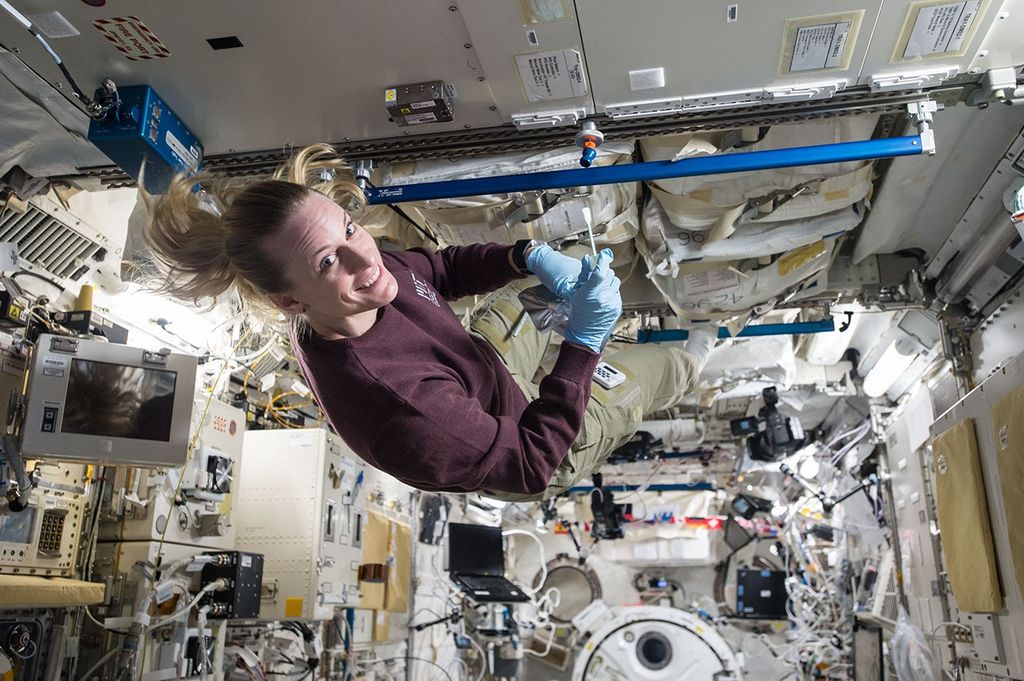





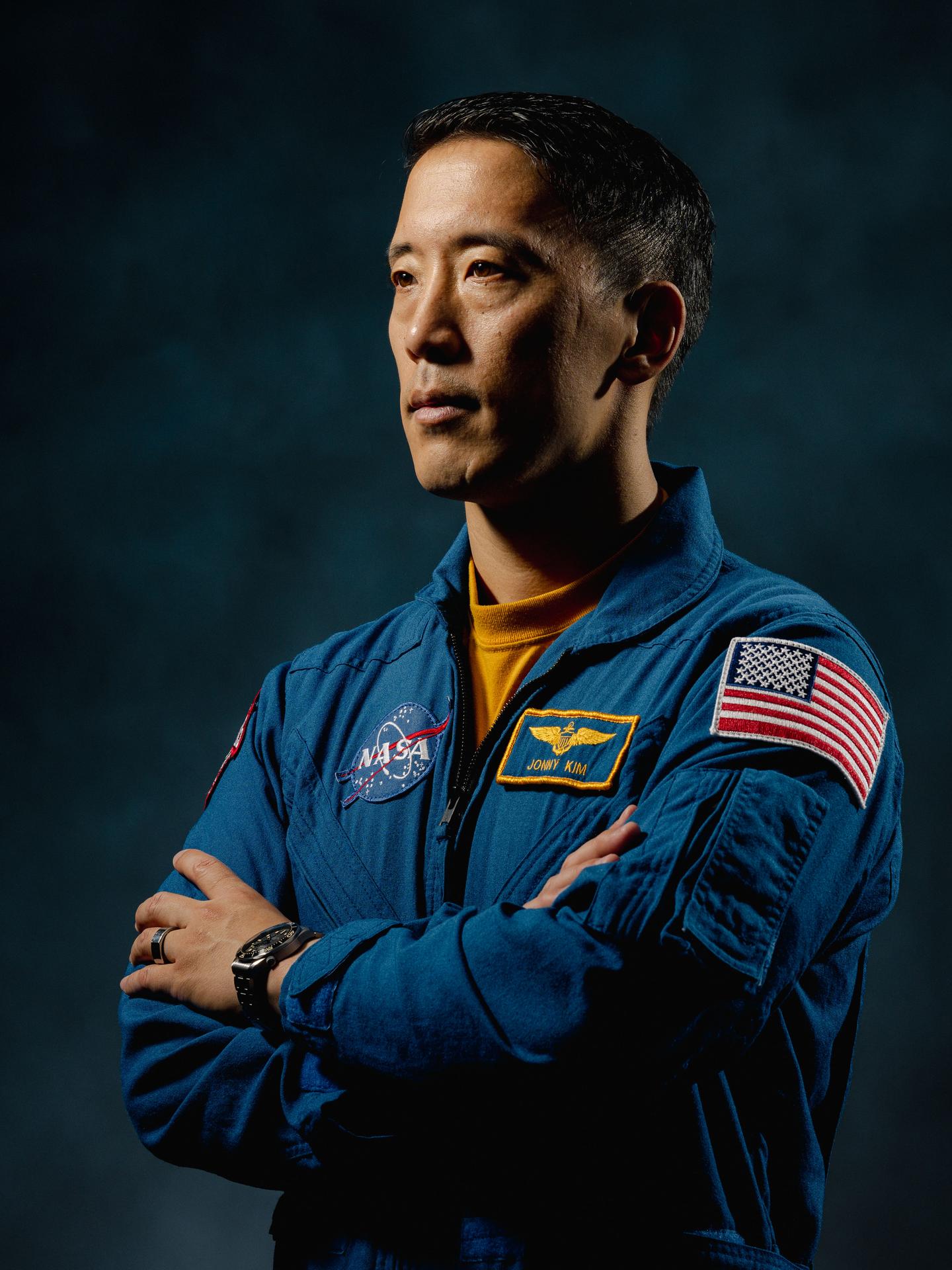



Payloads: Cerebral Autoregulation (CA): The crew attached the electrocardiogram (ECG) leads, set up other experiment hardware, and performed a CA science session. As the body’s most important organ, the brain needs a strong and reliable blood supply, so the brain is capable of self-regulating blood flow even when the heart and blood vessels cannot maintain …
Astronauts Train for Starliner Mission, Crew Keeps Up Human Research
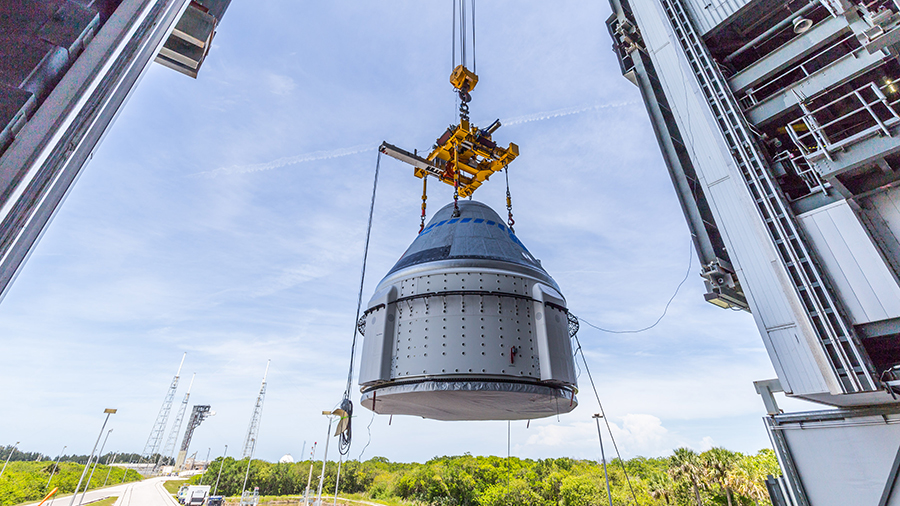
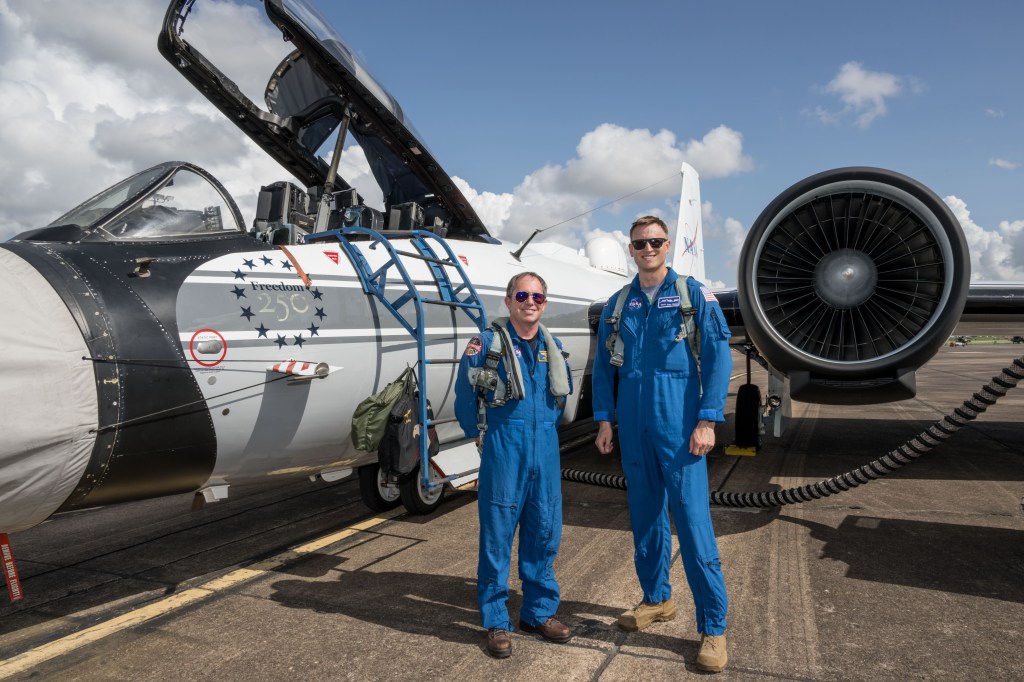
The Expedition 67 crew is ramping up for the arrival of Boeing’s new Starliner crew ship due to launch next week to the International Space Station. Meanwhile, the orbital residents continued their ongoing human research, cleaned spacesuits, and maintained lab hardware. NASA Flight Engineers Kjell Lindgren and Bob Hines trained on Wednesday for next week’s …
Flight Readiness Review Begins for Boeing’s Orbital Flight Test-2
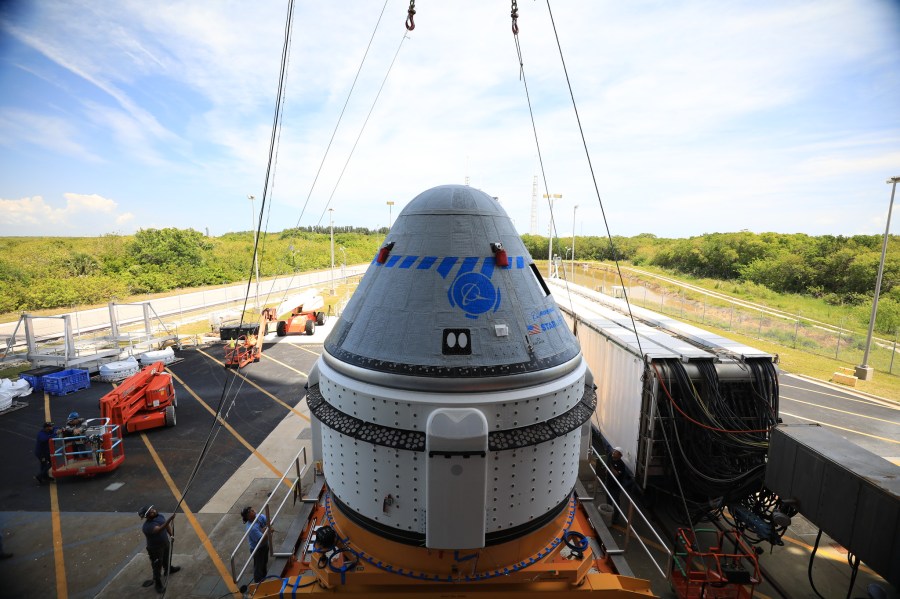
Teams from NASA and Boeing are gathered Wednesday, May 11, for the Flight Readiness Review at the agency’s Kennedy Space Center in Florida in preparation for NASA Boeing’s uncrewed Orbital Flight Test-2 (OFT-2) for the agency’s Commercial Crew Program. The review is an in-depth assessment on the readiness of flight for Boeing’s CST-100 Starliner system, mission …
Balloon Launch Postponed May 12; NASA Evaluating Weather for Next Attempt
/GSFC_20171208_Archive_e000335~orig.jpg?w=900&h=900&fit=crop&crop=faces%2Cfocalpoint)
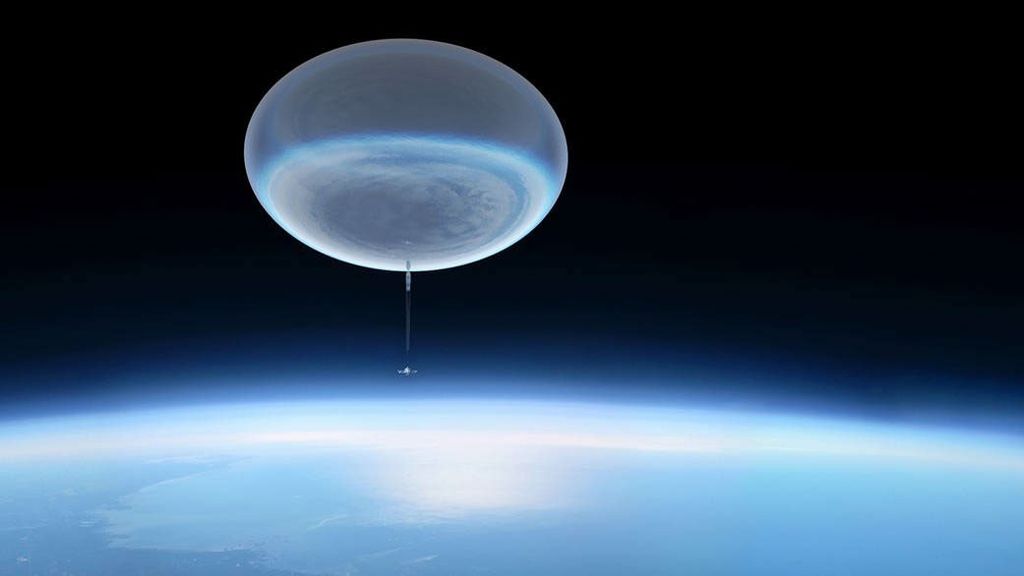
WANAKA, New Zealand – NASA postponed the scheduled launch of its super pressure balloon (SPB) from Wanaka, New Zealand, Thursday, May 12 (Wednesday, May 11 in the United States) due to unacceptable stratospheric weather conditions for operations. Along with monitoring ground and lower-level winds (up to 300 meters) on launch day, stratospheric wind conditions at …
NASA Cancels First SPB Launch Attempt, Reschedules for May 12
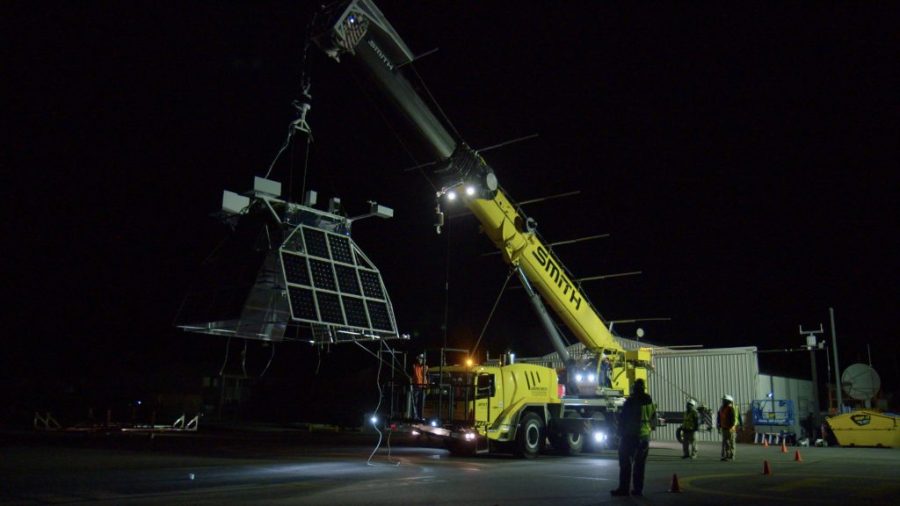
WANAKA, New Zealand – NASA postponed the scheduled launch of its super pressure balloon (SPB) from Wanaka, New Zealand, at 9 a.m. Wednesday, May 11, (5 p.m., Tuesday, May 10 in U.S. EDT) due to unacceptable weather conditions for launch operations. The team stepped through their launch actions taking the payload out to the flight …
CAPSTONE Spacecraft Ships to Launch Site
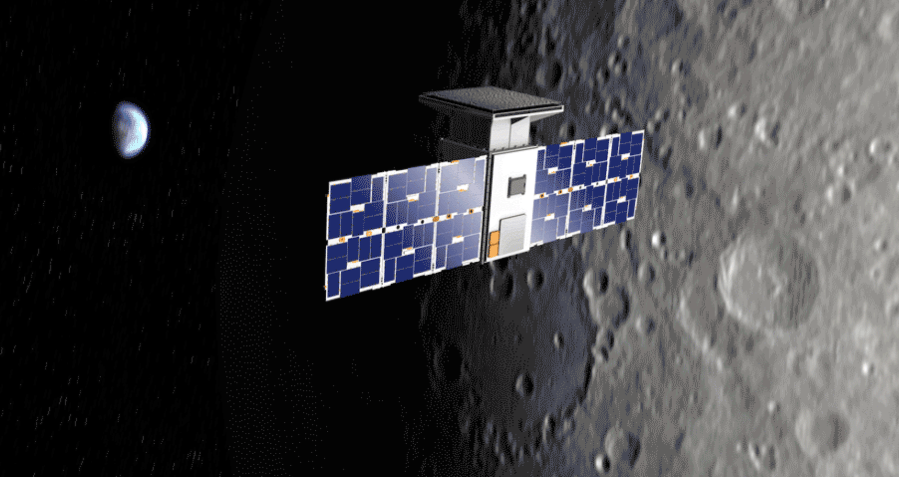
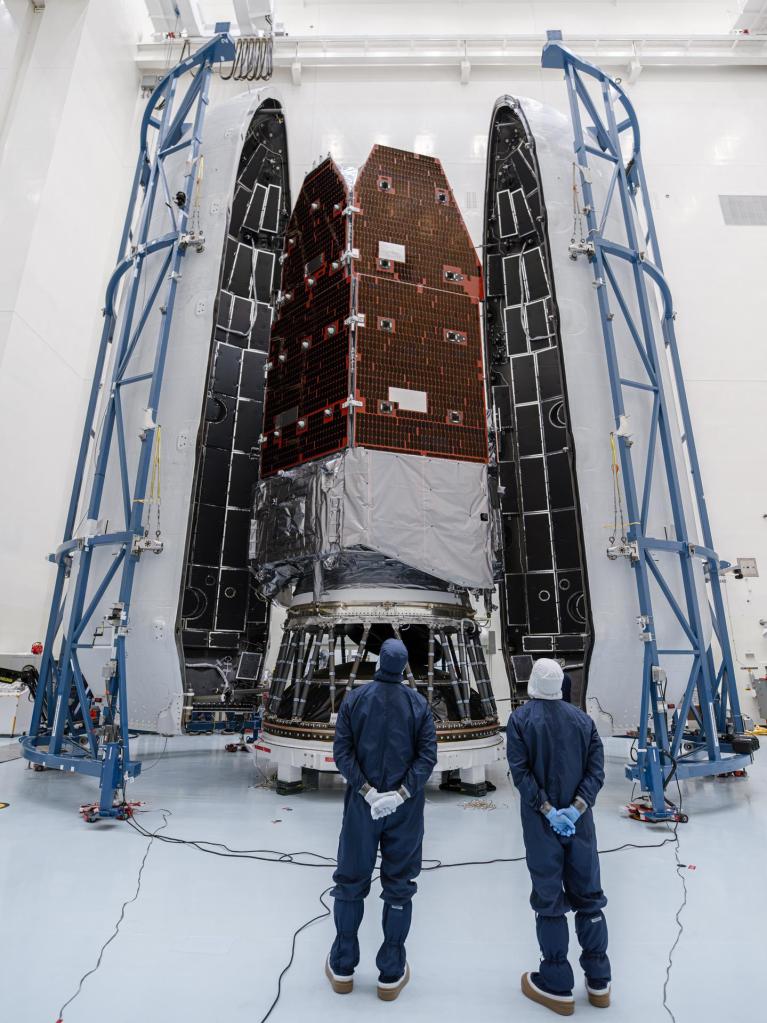
The Cislunar Autonomous Positioning System Technology Operations and Navigation Experiment, or CAPSTONE, spacecraft which will chart a new path for NASA’s Moon-orbiting space station Gateway, just started its journey. On May 9, it shipped from Terran Orbital Corporation in Irvine, California, to its launch site at Rocket Lab Launch Complex 1 (LC-1) on the Mahia …
ISS Daily Summary Report – 5/10/2022
Payloads: Behavioral Core Measures (BCM): The crew performed a BCM research session consisting of a set of 12 tests. The Standardized Behavioral Measures for Detecting Behavioral Health Risks during Exploration Missions (BCM) experiment initially examined a suite of measurements to reliably assess the risk of adverse cognitive or behavioral conditions and psychiatric disorders during long-duration …
Human Research Underway as Station Awaits Boeing Starliner Mission
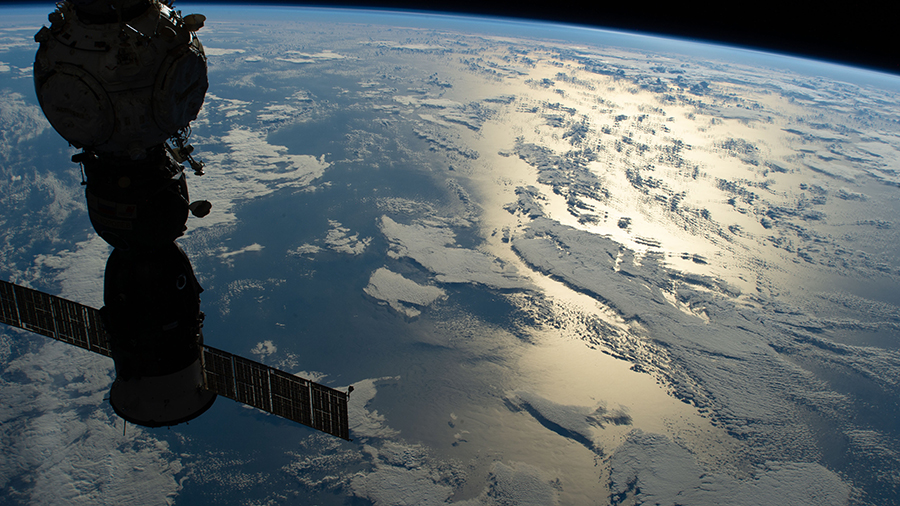
Human research took precedence aboard the International Space Station on Tuesday as the seven-member Expedition 67 crew explored how living in space affects the human body. Meanwhile, Boeing’s first crew ship to visit the orbiting lab is targeted to launch late next week. Exercise research and a central nervous system study were the main experiments …
NASA’s Lucy Team Completes Step One of the Solar Array Deployment Attempt
On May 9, NASA’s Lucy team executed the first of two planned steps in its efforts to complete the deployment of the spacecraft’s unlatched solar array. This first step was time-limited and was intended to validate that the team’s ground testing adequately represented the flight system’s performance, rather than to latch the solar array. Analysis …
Strong Solar Flare Erupts from Sun
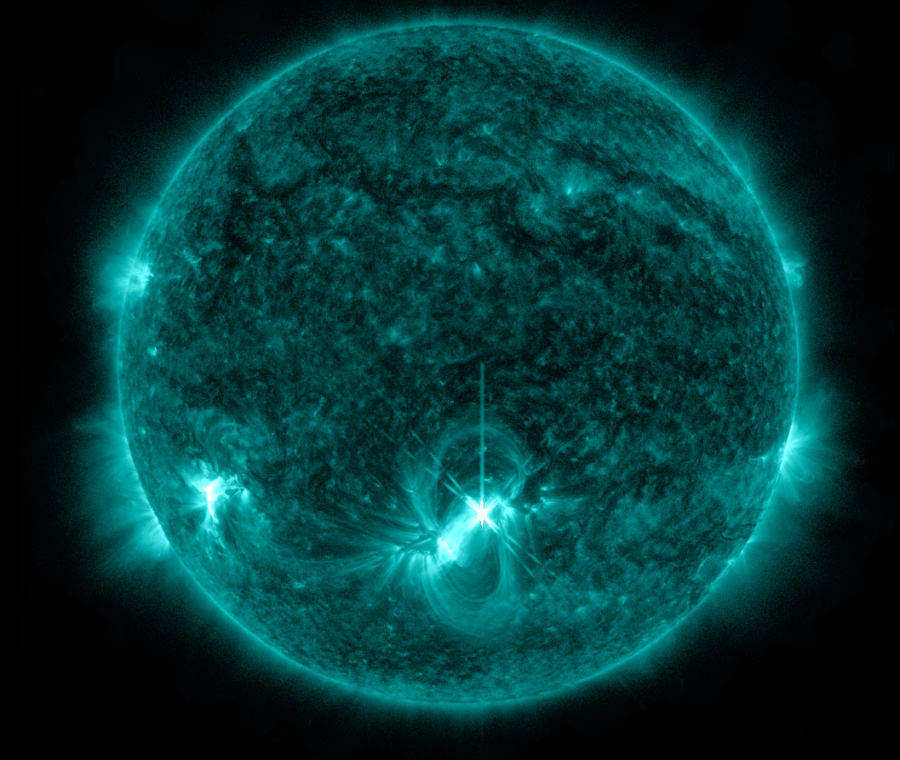
The Sun emitted a strong solar flare on Tuesday, May 10, 2022, peaking at 9:55 a.m. EDT. NASA’s Solar Dynamics Observatory, which watches the Sun constantly, captured an image of the event. Solar flares are powerful bursts of energy. Flares and solar eruptions can impact radio communications, electric power grids, navigation signals, and pose risks …